
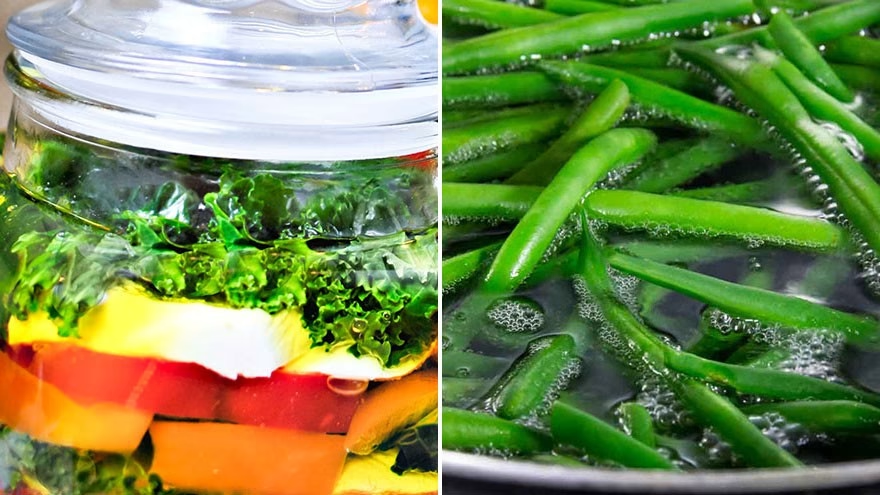
Vegetables: From Blah to Fabulous should not mean hiding vegetables under heavy sauce. It means using simple techniques that protect texture and bring out flavor. The old article focused on blanching and refreshing, a useful pair of methods borrowed from classic cooking: briefly cook vegetables in boiling water or steam, then cool them quickly so they stop cooking. That method can make vegetables brighter, cleaner-tasting, and easier to finish later with butter, oil, herbs, vinaigrette, sauce, or a hot pan.
Why vegetables taste boring
Vegetables often taste boring because they are underseasoned, overcooked, watery, or served without contrast. Boiled vegetables left in hot water become limp. Roasted vegetables crowded on a pan steam instead of brown. Raw vegetables cut too early can dry out.
The fix is usually not a complicated recipe. It is choosing the right technique, using enough salt or acid, and stopping the cooking before texture is gone.
Texture carries flavor. A crisp-tender green bean tastes more alive than the same bean cooked until dull and soft.
What blanching does
The National Center for Home Food Preservation says blanching vegetables in boiling water or steam for a short time is needed for almost all vegetables before freezing because it stops enzyme actions that cause loss of flavor, color, and texture. Its blanching vegetables page also notes that blanching cleanses the surface and wilts vegetables for packing.
For serving rather than freezing, blanching still helps because it gives vegetables a head start. You can blanch green beans, asparagus, broccoli, carrots, peas, or snap peas, then finish them quickly later.
Blanching is a setup move. It prepares the vegetable for freezing, reheating, sauteing, dressing, or serving.
How to blanch vegetables
Wash and trim the vegetables. Bring water to a boil, add the vegetables, and cook only until they are crisp-tender. The timing depends on size and vegetable type. Small peas need far less time than thick carrots.
University of Minnesota Extension says blanching can be done with boiling water or steam, and times can range from 1 to 15 minutes depending on the vegetable. Its blanching guide also notes that microwave blanching before preserving is not recommended by NCHFP because it can be uneven.
Watch the vegetable, not only the timer. Size, freshness, and your pot all change the timing.
Refresh in ice water
Refreshing means moving blanched vegetables into ice water so the cooking stops. Without that cold shock, the vegetable keeps cooking from residual heat and can lose the texture you were trying to protect.
After cooling, drain well and dry. Wet vegetables do not saute well and can dilute dressing. Spread them on a towel if you plan to finish them in a hot pan.
Cooling is not optional if you are blanching ahead. It is the step that preserves the work you just did.
Finish vegetables with flavor
Blanched vegetables can be finished with butter, olive oil, lemon, garlic, herbs, chile, toasted nuts, vinaigrette, yogurt sauce, or pan sauce. Because they are already partly cooked, the finish can be fast.
A broader guide like cooking greens uses the same principle: match heat and seasoning to the vegetable's structure. Tender leaves need different handling than stems, beans, or roots.
Finish fast. The vegetable should arrive hot and seasoned, not cooked a second time until limp.
Freeze vegetables correctly
For freezing, blanching times matter because under-blanching can leave enzymes active and over-blanching can damage flavor and texture. Follow a tested guide for the specific vegetable.
If freezing is your goal, a practical guide such as freezing fresh vegetables can help you think about tray freezing, portion size, and labeling after blanching.
Freeze for future meals. The best frozen vegetables are prepared in the shape and portion you will actually use.
Try other vegetable techniques
Blanching is not the only way to make vegetables better. Roasting concentrates sweetness, sauteing gives browning, steaming keeps flavor gentle, grilling adds smoke, and raw slicing keeps crunch.
For saucy meals, stir fry sauces can make vegetables feel like dinner rather than a side obligation. For rich meals such as cooking goose, sharper vegetables can balance the plate.
Choose the method by outcome. Crisp, browned, soft, smoky, and fresh are different goals.
Salt the water well
Blanching water should taste seasoned, not flat. Salt helps season the vegetable from the outside while it cooks. You do not need to make the water harsh, but completely unsalted water can leave vegetables tasting plain.
For freezing, follow tested directions for the vegetable. For serving right away, taste after blanching and adjust with salt, butter, oil, lemon, or sauce.
Season early and finish lightly. That gives vegetables flavor without needing a heavy topping.
Dry before finishing
After refreshing, vegetables often carry water on the surface. If they go straight into a hot skillet, that water turns to steam and blocks browning. If they go straight into dressing, the dressing becomes thin.
Spread vegetables on a towel or use a salad spinner for greens and beans. A few minutes of drying can make the final dish taste more deliberate.
Dry vegetables take flavor better. Oil, butter, and vinaigrette cling to them instead of sliding off.
Make vegetables the main event
Vegetables become more appealing when they have enough substance. Add beans, grains, eggs, cheese, nuts, seeds, yogurt sauce, tahini, breadcrumbs, or herbs. A plate of vegetables can be dinner if it has texture and protein.
Do not reserve good technique only for meat. Vegetables deserve timing, seasoning, and a finishing touch just as much as a roast or sauce.
Care changes perception. People notice when vegetables are cooked like they matter.
Use acid at the end
Lemon juice, vinegar, pickled onions, yogurt, and vinaigrette can make vegetables taste cleaner. Add acid at the end unless the recipe specifically calls for long cooking. Too much acid too early can change color and texture.
Green beans, asparagus, broccoli, carrots, cabbage, and greens all benefit from a small bright finish. Taste before adding more. Acid should sharpen the vegetable, not make it sour.
A final squeeze of lemon can do more than a heavy sauce. It wakes up salt, oil, and natural sweetness.
Use heat after blanching
Blanched vegetables can be reheated in a skillet, oven, steamer, or microwave, but the heat should be brief. They are already partly cooked, so the finish is about temperature and flavor.
For a skillet finish, dry the vegetables, warm oil or butter, add aromatics if desired, then toss until hot. Finish with herbs, nuts, cheese, or acid after the pan comes off the heat.
This two-step method is useful for holidays because the vegetables can be blanched earlier and finished right before serving.
Stop hiding vegetables
There is a place for cheese sauce and bacon, but vegetables should not always need disguise. Start with good texture, add salt, use fat with restraint, and finish with acid or herbs. That is often enough.
If a vegetable still tastes dull, change the technique before adding more topping. Try roasting instead of boiling, slicing thinner, drying better, or cooking a smaller batch in a hotter pan.
Better vegetables usually come from better handling, not from pretending they are not vegetables.
Serve vegetables hot when heat matters and cold when crunch matters. Lukewarm vegetables often taste worse than either choice. Decide the serving temperature on purpose.
For a weeknight meal, prepare one vegetable well instead of three vegetables carelessly. A single crisp, seasoned side can carry the plate.
Keep notes on timing for the vegetables you cook most. Your own pot and stove are part of the recipe.
That record helps.
Frequently Asked Questions
Is blanching the same as boiling?
No. Blanching is brief cooking followed by rapid cooling when needed. Boiling can continue until the vegetable is fully cooked.
Do all vegetables need ice water?
If you are cooking ahead or preserving texture, yes. If you are serving immediately, some vegetables can go straight to finishing.
Can I blanch vegetables before a party?
Yes. Blanch, chill, drain, dry, and refrigerate. Finish quickly with butter, oil, sauce, or dressing before serving.
Why are my blanched vegetables watery?
They may not have been drained and dried well. Wet vegetables dilute sauce and steam in the pan.
Vegetables become better when you stop treating them as an afterthought. Blanch when it helps, cool when needed, dry well, finish with flavor, and choose the method that gives the texture you want.

Cashie Evans
Covers parenting and practical household topics with clear steps, safety notes and links to current guidance.




Leave a reply
Replying to