
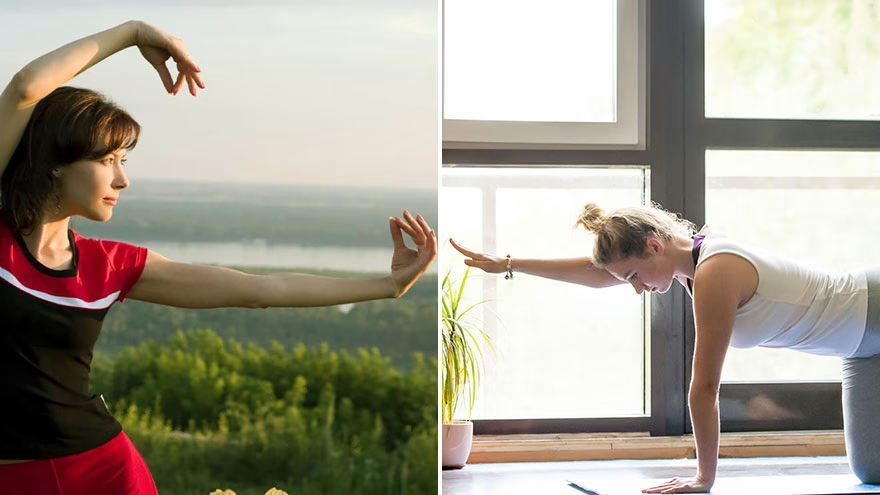
Which Is Better: Pilates or Tai Chi? depends on what you want your body and mind to practice. Pilates usually gives more direct core-strength, posture, and controlled-movement work. Tai chi usually gives more standing balance, slow weight shifting, relaxation, and gentle coordination practice. Neither is automatically better for everyone.
If you have a medical condition, chronic pain, pregnancy limitations, recent surgery, dizziness, or fall risk, ask a healthcare professional before starting. Then choose a qualified instructor who can modify movements.
How Pilates And Tai Chi Differ
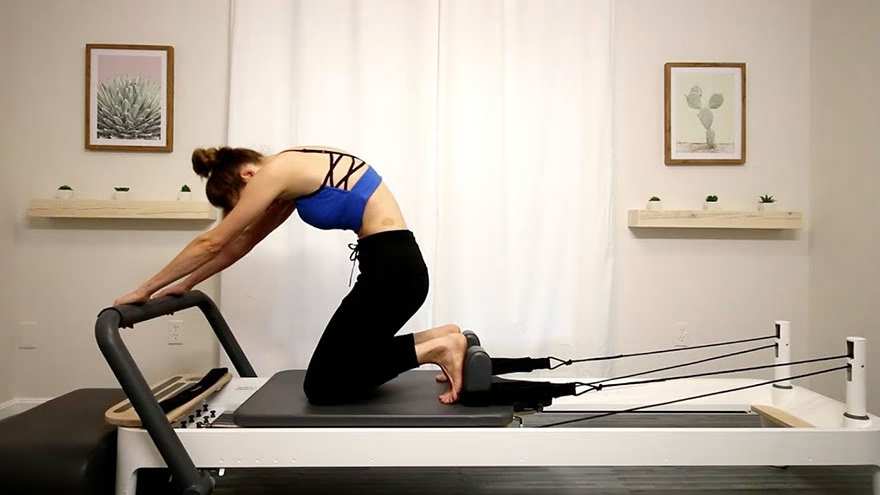
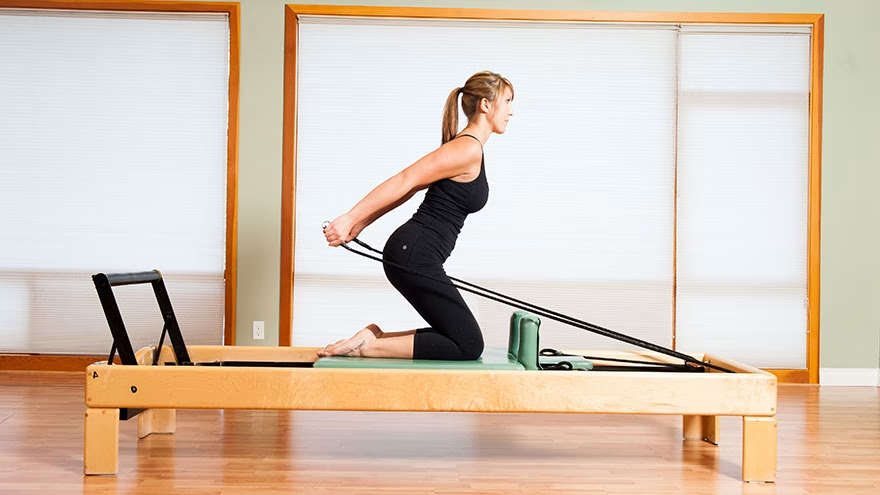
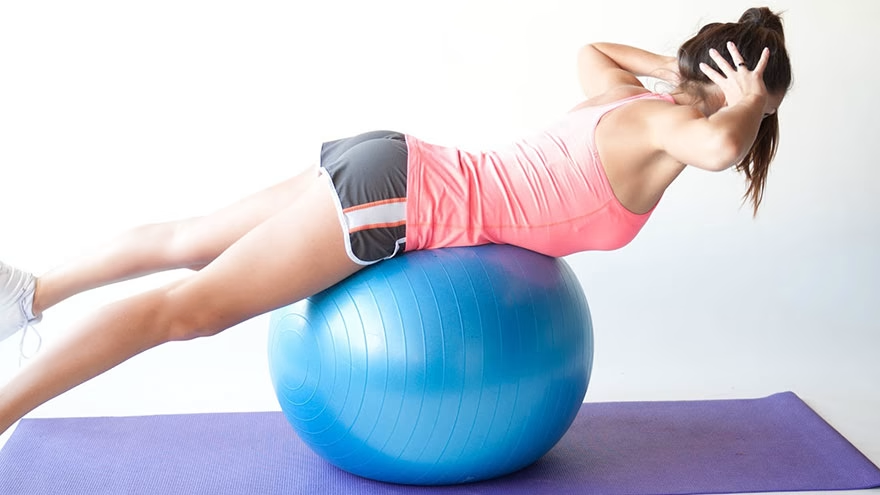
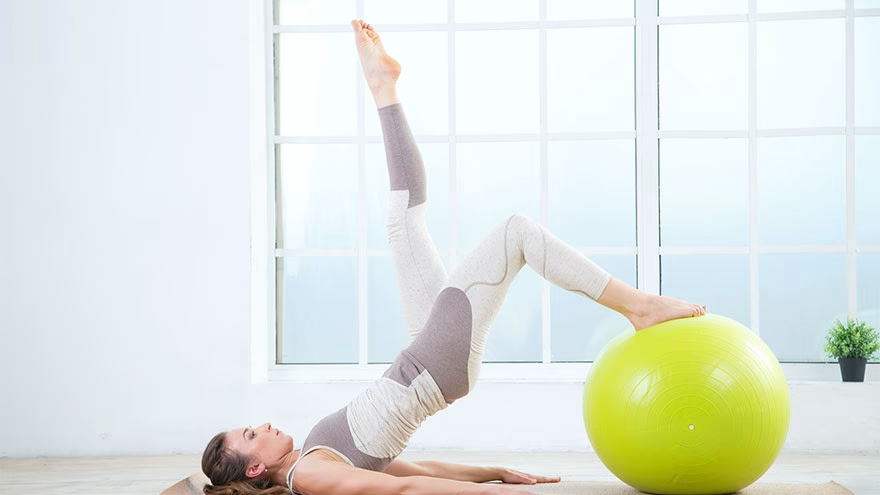
Pilates was developed in the 20th century and focuses on controlled movement, alignment, breath, and core support. It may be done on a mat or with equipment such as a reformer. Tai chi is a Chinese martial art practiced slowly for balance, coordination, breathing, and mindful movement.
Both are low-impact compared with running or jumping. Both can help people feel more aware of posture and movement. The difference is the training emphasis.
Choose Pilates For Core Strength
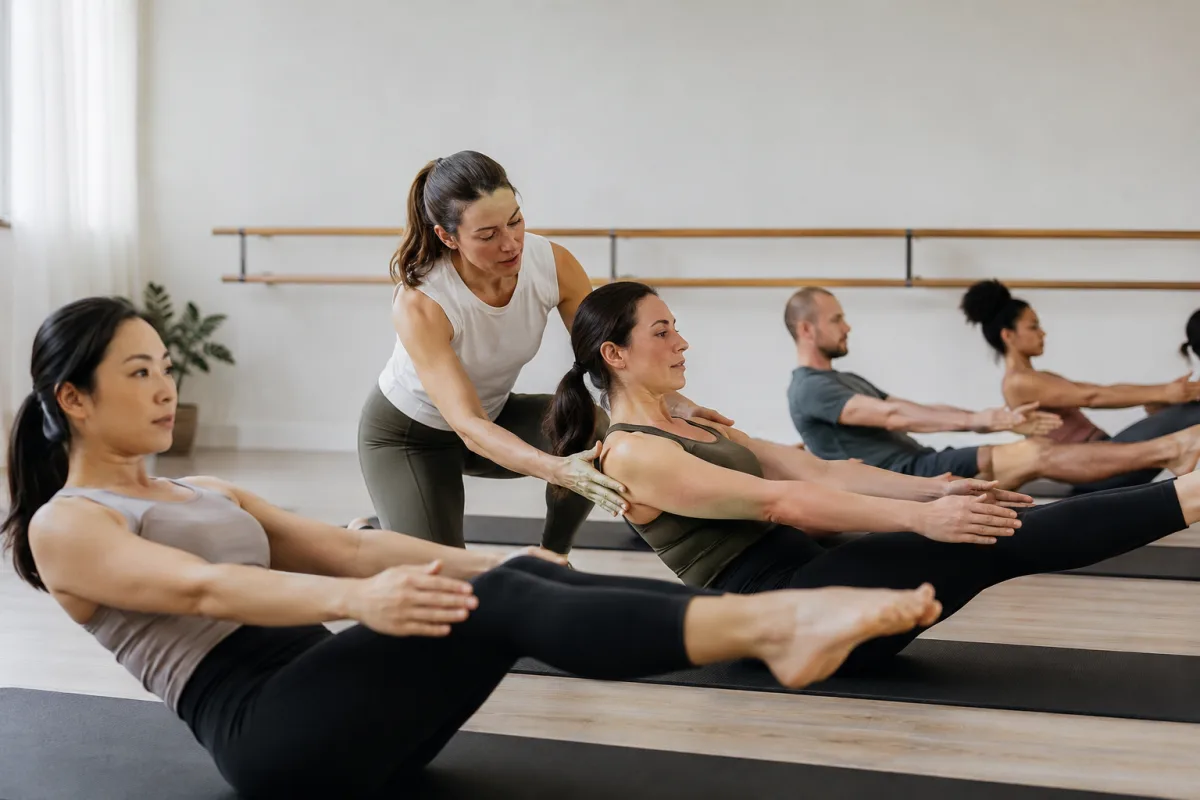
Pilates is often the better starting point if your main goal is trunk control, posture, hip stability, controlled strength, and precise movement. Better Health Channel's Pilates overview describes Pilates as a method focused on muscular balance, strength, and flexibility, and advises using a qualified professional.
If you already like structured exercise, Pilates may feel satisfying because the cues are specific. You learn where the ribs, pelvis, spine, and shoulders are in space.
Choose Tai Chi For Balance And Calm
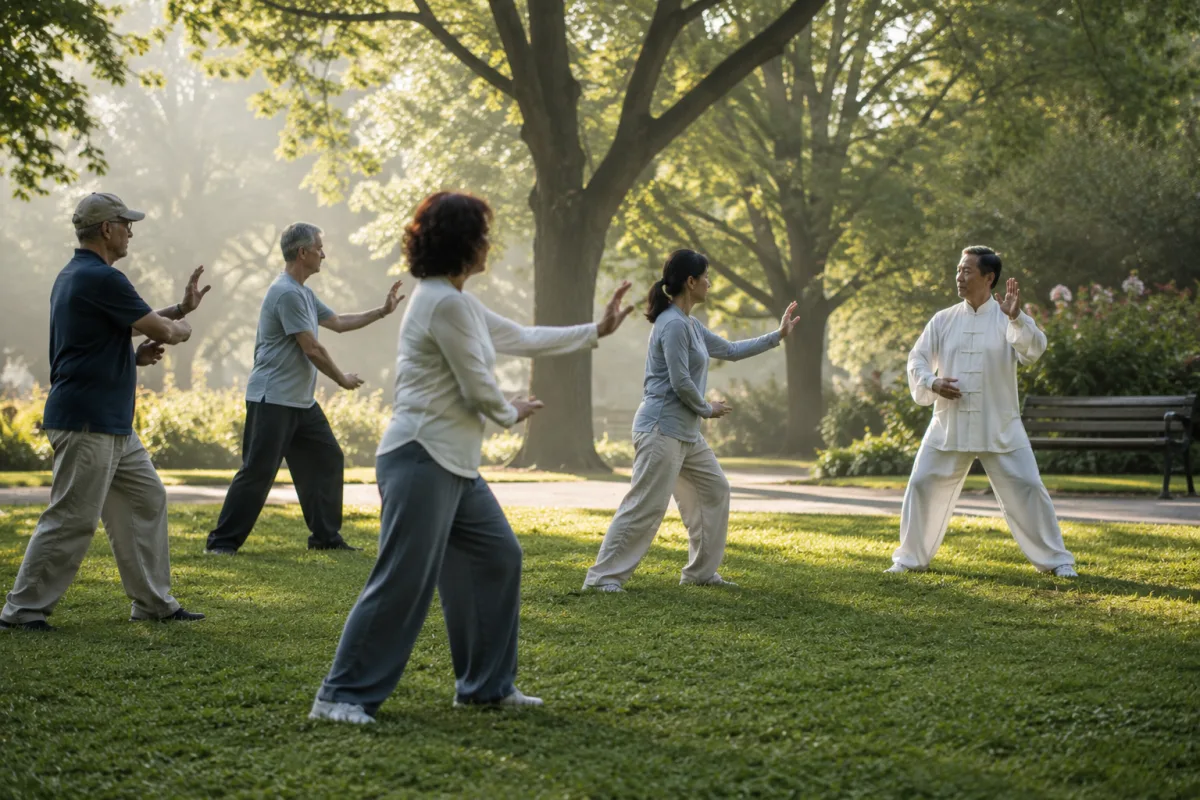
Tai chi is often the better starting point if balance, fall prevention, stress reduction, and gentle standing movement are priorities. NCCIH's tai chi overview says tai chi may help improve balance and prevent falls in older adults and people with Parkinson's disease.
Tai chi also gives people a slow way to practice weight shifting, turning, and breathing while staying upright. That can be valuable for daily movement confidence.
For Flexibility And Mobility
Both can help mobility. Pilates often works through spinal articulation, hip control, shoulder range, and core-supported movement. Tai chi uses flowing steps, gentle rotations, and slow transitions. Pilates may feel more like exercise class; tai chi may feel more like moving meditation.
If you are already using gym-style training, Livecub's Pilates reformer jump board guide sits closer to the Pilates side. Tai chi will feel less like a workout machine and more like balance practice.
For Weight Loss
Neither Pilates nor tai chi is usually the fastest calorie-burning choice. Weight change depends on food, total weekly movement, muscle work, sleep, and consistency. If weight loss is the main goal, you may need walking, cycling, swimming, resistance training, or other activity alongside either practice.
Livecub's Tae Bo weight loss guide and running bleachers guide show higher-intensity examples. Pilates and tai chi can still support weight goals by making movement more repeatable and reducing pain or stress barriers.
For Older Adults
Tai chi often gets the edge for balance confidence and fall-prevention practice, especially when taught standing with safe modifications. Pilates can also help older adults, especially when adapted as mat, chair, or equipment-based work with careful instruction.
Mayo Clinic's balance exercise guide notes tai chi as a gentle movement option that may improve balance and make falls less likely. For Pilates, instructor quality matters because neck, back, hip, and wrist positions may need changes.
For Back Pain Or Injury History
Pilates can be useful for people who need core control and guided movement, but a poor class can aggravate pain if exercises are too advanced. Tai chi can be gentler, but standing rotation may still bother some knees, hips, or backs.
Start with beginner classes. Tell the instructor about injuries. Stop any movement that causes sharp pain, numbness, dizziness, or symptoms that feel wrong.
Class Style Matters
A hard Pilates class and a gentle Pilates class can feel like different worlds. The same is true for tai chi. Some classes focus on health and balance. Others preserve martial detail. Visit, ask questions, and choose the class that matches your body.
If you prefer rhythm and class energy, Livecub's basic aerobic steps and chair dancing guide may fit better than either practice. The best choice is the one you repeat safely.
What A Beginner Class Feels Like
A beginner Pilates class may ask for small, exact movements that are harder than they look. You may spend time learning how to breathe, brace, tilt the pelvis, move the legs without arching the back, and keep the neck relaxed. The work can feel quiet but demanding.
A beginner tai chi class often feels slower and less muscular at first. You may repeat weight shifts, turns, step placement, arm paths, and breathing. The challenge is patience and coordination. People who expect sweat may underestimate it, while people who dislike gym pressure may find it easier to stay with.
Equipment And Cost
Mat Pilates can be simple: comfortable clothes, a mat, and sometimes small props. Reformer Pilates usually costs more because it uses studio equipment and smaller classes. Tai chi often needs only flat shoes, space, and an instructor, though some schools charge for ongoing group lessons.
Cost can decide the better choice. A class you can afford twice a week is more useful than a perfect class you attend once a month. If money is tight, look for community centers, senior centers, parks programs, library classes, or beginner videos from reputable instructors, then move slowly and avoid advanced moves.
Mind-Body Benefits
Both practices can help people pay attention to their bodies. Pilates does it through exact control: ribs, hips, shoulders, breath, and effort. Tai chi does it through flow: weight, direction, softness, and steady pace. The mental effect is different even if both feel calming.
If stress is your main reason, try tai chi first for a few weeks. If poor posture from desk work is your main complaint, try beginner Pilates first. If you are restless, choose the instructor who keeps you engaged without pushing you past good form.
How To Decide After One Month
Give either practice at least four to eight sessions before judging it. In the first class, you are learning words, timing, and room habits. By the fourth class, you can tell whether your body feels better afterward, whether you want to return, and whether the instructor can adapt.
Track simple signals: fewer aches after sitting, steadier stairs, better sleep, easier breathing, less fear of movement, or more confidence getting up from the floor. Those changes matter more than which method sounds better on paper.
Red Flags In A Class
Leave or modify if an instructor mocks beginners, pushes through pain, ignores dizziness, refuses questions, or gives the same hard version to every body in the room. Good instruction should make the practice clearer, not more intimidating.
Also watch the pace. Pilates that moves too fast can become sloppy strength work. Tai chi taught without enough repetition can feel confusing. A good beginner class gives you time to learn the basics without feeling rushed or embarrassed.
Ask whether the instructor offers regressions. A safer class has easier options ready before anyone struggles, and it explains why a smaller movement can be the smarter choice that day.
Can You Do Both?
Yes. Pilates can build strength and control. Tai chi can train standing balance, breathing, and calm transitions. They pair well because they ask different questions of the body.
A simple week might include Pilates twice, tai chi once or twice, plus walking and light strength work. Keep enough rest that your body can adapt.
Frequently Asked Questions
Is Pilates harder than tai chi?
It can be, especially in strength-focused classes. But class level matters more than the name.
Is tai chi better for balance?
Often yes, especially for standing balance and slow weight shifts. Pilates can also help balance through core control.
Which is better for core strength?
Pilates usually gives more direct core-strength practice.
Can beginners start with either one?
Yes, if the class is beginner-friendly and the instructor can modify movements.
Which burns more calories?
It depends on class style, body size, and effort, but neither is usually a high-calorie-burn workout compared with vigorous cardio.
The Honest Choice
Choose Pilates if you want core control, posture, and precise strength. Choose tai chi if you want balance, calm, and gentle standing coordination. Choose both if your body likes variety and you can practice consistently.

Linda Fehrman
Edits general wellness and relationship explainers. Health material is educational, avoids diagnosis and links to health-authority guidance.
Leave a reply
Replying to