Press Enter to search or ESC to close
Health

The Link Between Clutter and Cortisol: Why Minimalist Living Reduces Stress

Olivia Prete
· · Updated Feb 02, 2026 · 14 min read

The Link Between Clutter and Cortisol: Why Minimalist Living Reduces Stress

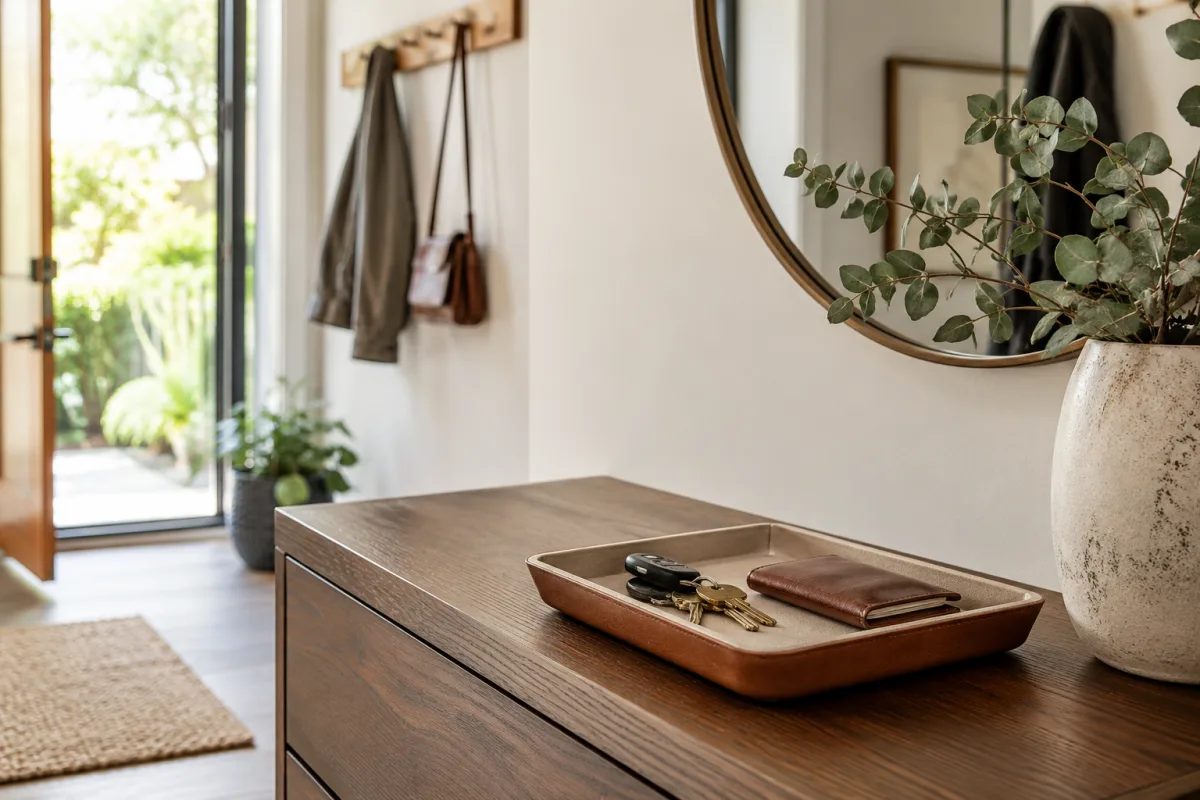
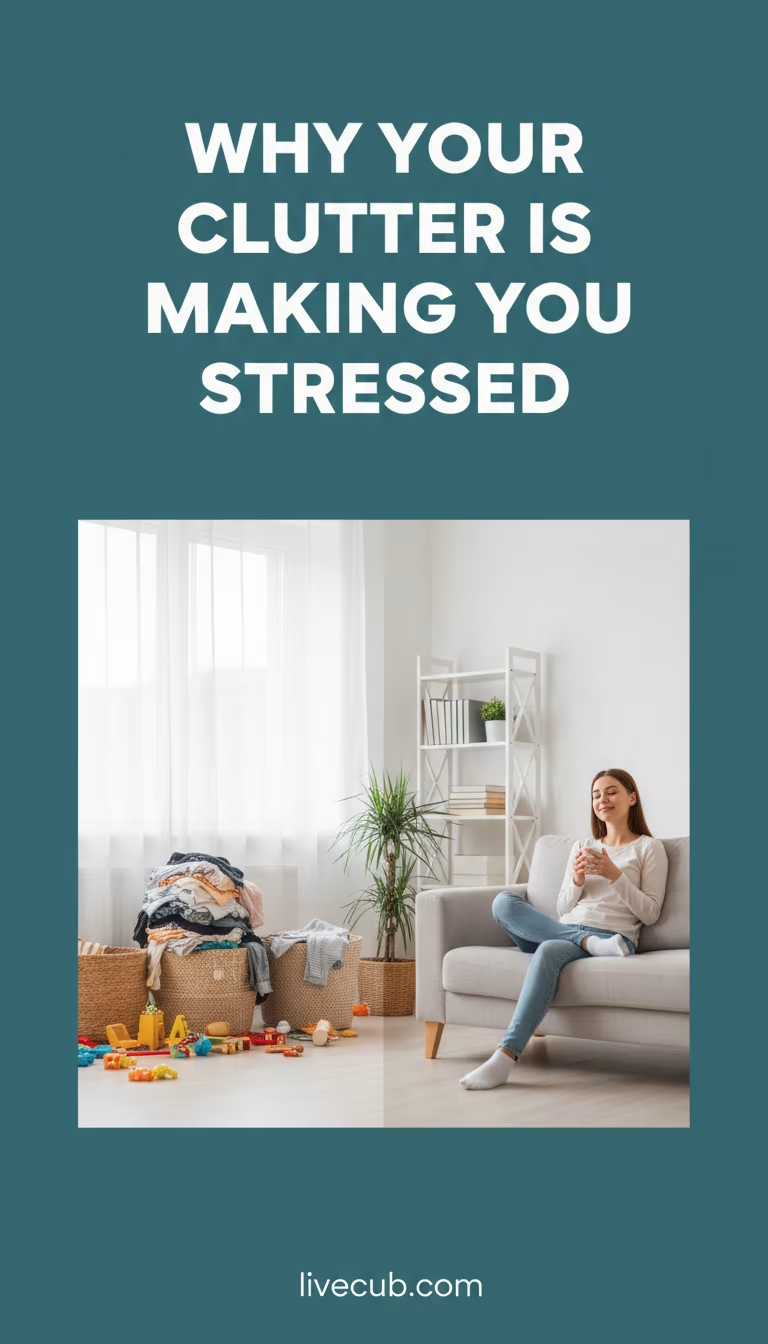
Picture this: You walk through your front door after a long, demanding day. All you want is to unwind, maybe kick back with a cup of tea and a good book. But as you step into your living space, your eyes land on the pile of mail on the entryway table, the forgotten gym bag by the couch, the overflowing laundry basket, and that stack of magazines you *meant* to read last month.

Suddenly, that feeling of calm you were reaching for evaporates, replaced by a subtle, almost imperceptible knot in your stomach. Sound familiar? I know it does for me.

That little knot? That's often your body's response to an environment that feels out of control, and it's directly linked to something called cortisol, our body's primary stress hormone. What if I told you there's a powerful, yet simple, way to dial down that daily stress by transforming your living space?

Why This Matters

Here's the thing about stress: it's not just a feeling; it's a physiological response. When we're stressed, our bodies release cortisol, which is actually a super helpful hormone in short bursts – it gives us that 'fight or flight' energy when we need it. But in our modern lives, many of us are living with chronically elevated cortisol levels, and that's where the problems begin.

Think about it: constant work pressure, social media comparison, financial worries, and yes, even the visual noise of a cluttered home can keep that cortisol pump humming along. Long-term, high cortisol isn't just about feeling frazzled; it can mess with your sleep, impact your immune system, contribute to weight gain, and even affect your memory and mood.

It’s like your body is always on high alert, even when there's no real danger. And for years, I didn't fully connect the dots between my overflowing closets and my constant low-level anxiety, but the link is absolutely there. Our external environment profoundly impacts our internal state.

When our spaces are chaotic, our minds often follow suit. We might not even consciously register every single item, but our brains are constantly processing visual information, and a space crammed with stuff requires more cognitive effort. It signals 'unfinished business,' 'tasks pending,' and 'things to sort,' keeping us in a state of subtle mental strain.

This isn't just about aesthetics; it's about reclaiming your mental peace and physical well-being. It's about creating a sanctuary, not just a storage unit.

Decluttering Your Space, Clearing Your Mind: The Physical-Mental Connection

You know that feeling when you finally clear off your desk, and suddenly you can think straight? Or when your inbox is at zero, and you feel a wave of accomplishment? That's not just a coincidence.

Our brains are wired to associate order with calm, and chaos with, well, chaos. When our physical environment is cluttered, our brains have to work harder to filter out distractions and focus on tasks. This constant processing taxes our cognitive resources, leading to mental fatigue and, you guessed it, increased stress.

In my own life, I've noticed a profound difference. There were times when my bedroom felt like a holding pen for all my undecided purchases and laundry piles. I'd wake up already feeling overwhelmed, before my feet even hit the floor!

It wasn't until I started mindfully simplifying that I realized just how much energy I was expending just by existing in that space. It's not about having an empty, stark home; it's about having a space that supports your goals and values, rather than working against them. It’s about creating breathing room, both literally and figuratively.

This process isn't just about throwing things away; it's about making conscious decisions about what truly serves you and what simply takes up space – physically and mentally.

Starting Small: Your First Steps to Freedom

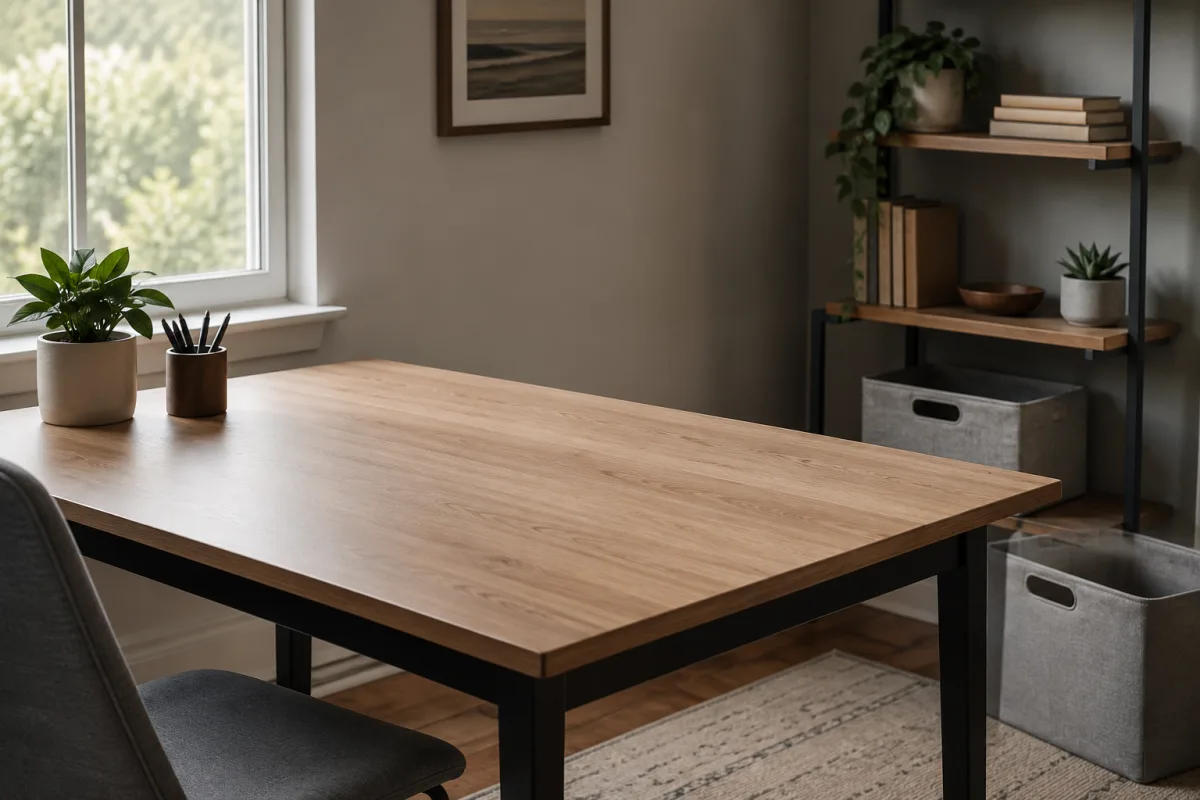
  • The "One Drawer" Challenge: Don't try to tackle your entire house in one go. That's a recipe for burnout and frustration. Instead, pick one small, manageable area. Maybe it's a single drawer in your kitchen, your bedside table, or the junk drawer that everyone has. Take everything out, clean the drawer, and then only put back items that truly belong there and are regularly used. You'll be amazed at the sense of accomplishment and clarity this small win provides. I did this with my bathroom vanity drawer, and suddenly, my morning routine felt a little less frantic because I could actually find my toothbrush!
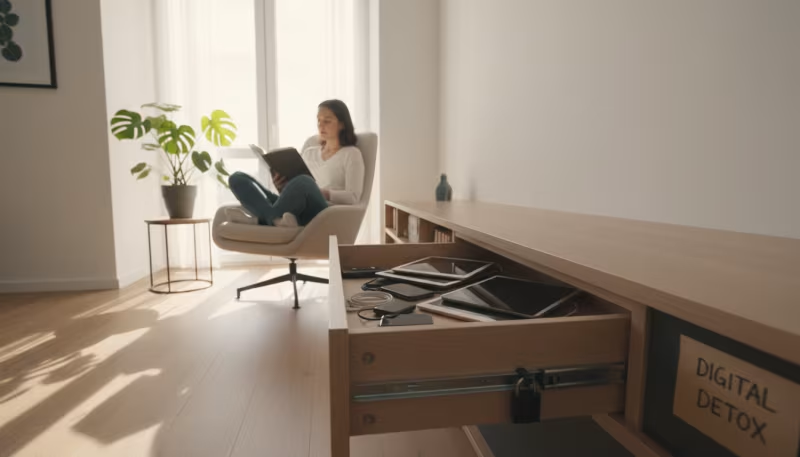
  • The "Digital Detox" for Your Devices: Clutter isn't just physical. Our phones, tablets, and computers can be massive sources of digital clutter and stress. Spend 30 minutes going through your phone: delete unused apps, unsubscribe from newsletters you never read, organize your photos into folders, and clear out your downloads folder. Do the same for your computer desktop. A clean digital space can reduce decision fatigue and help you focus. I used to have hundreds of unread emails and dozens of random desktop icons, and simply clearing them out felt like taking a deep, cleansing breath.
  • The "Outfit Purge" for Your Wardrobe: Our closets are notorious clutter magnets. Start by pulling out all clothes you haven't worn in the last year. Seriously, if you haven't worn it, why is it taking up valuable space and mental energy? Ask yourself: Does it fit? Is it comfortable? Does it make me feel good? If the answer is "no" to any of those, it's time to let it go. You don't need a huge wardrobe; you need a functional one filled with pieces you love and wear often. I cut my wardrobe by nearly half a few years ago, and getting dressed each morning is now a joy, not a chore. This also ties into fashion, as a capsule wardrobe promotes conscious consumerism and personal style.

Beyond the Closet: Minimalist Principles for a Fuller Life

Minimalism often gets a bad rap, conjuring images of stark, empty rooms and people who own only seven items of clothing. But true minimalism isn't about deprivation; it's about intentionality. It's about removing the things that don't add value to your life so you can make more room for what truly matters.

This philosophy extends far beyond your physical possessions. It’s about curating your entire life – your time, your energy, your relationships, even your digital footprint. Think of it as creating a personalized "best of" collection for your life.

When you intentionally choose what to invite into your space and your schedule, you automatically reduce the noise and distractions that contribute to chronic stress. It's not about having less, it's about having more of what actually brings you joy, peace, and purpose. For me, embracing minimalist principles meant saying "no" more often, not just to buying another gadget, but to commitments that didn't align with my values, or even to endless scrolling on social media.

It was about recognizing that my time and energy are finite resources, just like space in my home, and they needed to be protected from unnecessary clutter.

Curating Your Time and Energy

  • The "No Thank You" Muscle: One of the most powerful minimalist tools isn't a decluttering method; it's learning to say "no." We often overcommit ourselves out of guilt, FOMO (fear of missing out), or a desire to please others. But every "yes" to something you don't truly want to do is a "no" to something you *do* want to do, or to simply having some much-needed downtime. Start small: decline an invitation that doesn't excite you, say no to taking on another volunteer task, or politely defer a request that stretches your capacity. You'll be amazed at how liberating it feels and how much mental space it frees up. I've personally found that setting clear boundaries around my time has been a huge stress reliever.
  • Mindful Media Consumption: Our phones and computers are incredible tools, but they can also be black holes for our attention and energy. Practice mindful tech use. Set specific times for checking email or social media. Turn off notifications that aren't essential. Consider having "phone-free" zones in your home (like the dining table or bedroom) or "phone-free" hours. Unsubscribe from news feeds that make you feel anxious. This isn't about ditching tech entirely, but rather about using it as a tool, not letting it control you. In my experience, even just putting my phone away an hour before bed significantly improved my sleep quality.
  • Prioritize Experiences Over Possessions: This is a cornerstone of minimalist living. Instead of spending your hard-earned money and time on acquiring more stuff that might eventually become clutter, invest in experiences: travel, a cooking class, concert tickets, a weekend getaway, or simply a lovely meal with friends. Research consistently shows that experiences bring more lasting happiness than material possessions. These moments create memories and strengthen relationships, providing a richer, more fulfilling life without adding physical bulk to your home. It’s a wonderful way to redefine what "rich" truly means.

The Long Game: Sustaining Your Minimalist Journey

Adopting a minimalist mindset isn't a one-time event; it's an ongoing practice, a continuous journey of intentional living. You're not going to declutter your home once and be done forever. Life happens!

New things come in, needs change, and sometimes, clutter just seems to creep back in like an uninvited guest. The key to long-term success isn't perfection; it's consistency and a willingness to continually reassess what serves you. It’s about building sustainable habits that support your simplified lifestyle.

I've definitely had moments where I looked around and thought, "How did all this stuff get back here?!" It's part of the process. The goal isn't an empty house, but a thoughtfully curated one that brings you peace and joy. This practice also involves being kind to yourself.

There will be days when you feel overwhelmed, or when external pressures (hello, holiday gifts!) challenge your resolve. The trick is to not let these moments derail your entire effort. Just like staying healthy isn't about one perfect meal, but a pattern of good choices, so is maintaining a minimalist home and lifestyle.

It's about creating systems and mental frameworks that help you navigate the inevitable influx of 'stuff' and the ever-changing demands of life.

Keeping the Clutter Creep at Bay

  • The "One In, One Out" Rule: This is a simple yet incredibly effective strategy. For every new item you bring into your home – whether it's a new shirt, a book, a kitchen gadget, or even a digital subscription – commit to removing an old one. This ensures that your possessions don't continuously grow. It forces you to be mindful about new purchases and helps maintain a balanced inventory. I apply this strictly to my clothes; if I buy a new sweater, an old one gets donated or passed on. It keeps my wardrobe manageable and prevents overflow.
  • Regular Decluttering Dates: Schedule regular check-ins with your belongings. This could be a 15-minute "power purge" once a week, or a more substantial decluttering session once a month or quarter. The key is to make it a routine, not a sporadic emergency. Think of it like regular maintenance for your home and mind. Even just setting a timer for 15 minutes and tackling one small area can prevent larger clutter build-ups and keep that stress hormone in check. My favorite is a "Sunday Reset" where I spend 20 minutes tidying up for the week ahead.
  • Reassess Your Values: As you grow and change, so too will your needs and priorities. What brought you joy five years ago might not resonate with you today. Periodically reflect on your core values and ask yourself if your possessions and commitments truly align with them. This isn't about discarding sentimentality; it's about ensuring your physical and emotional space reflects the person you are now and the life you want to live. A few years back, I realized I was holding onto a lot of tech gadgets I rarely used but felt obligated to keep. Letting them go made space for new hobbies that truly excited me. This is where personal growth really intersects with minimalism.

Common Mistakes to Avoid

While the journey to minimalist living is incredibly rewarding, it’s also easy to fall into some common traps that can actually increase stress rather than reduce it. First off, don't try to go from maximalist to minimalist overnight. That intense pressure can lead to burnout and regret.

It’s a marathon, not a sprint. You might end up getting rid of things you truly need or love in a fit of zeal, only to have to repurchase them later, which is both wasteful and frustrating. Trust me, I've been there, looking for a tool I *just* donated.

Oops! Another big one is comparing your progress to others. Social media is full of perfectly curated minimalist homes, and it's easy to feel like you're not doing enough if your home doesn't look like a magazine spread.

Remember, this is *your* journey, and it should fit *your* life, not someone else's aesthetic. Your version of minimalism might look very different, and that's perfectly okay. Don't force minimalism on your family or housemates either.

While you can lead by example and invite them to participate, demanding they adopt your new lifestyle can create tension and resentment, which definitely won't reduce anyone's cortisol levels! Focus on your own space and choices. Finally, avoid the trap of "minimalist consumerism" – buying new, expensive "minimalist" items just to replace what you decluttered.

The goal isn't to have sleek, new things; it's to be intentional with what you own. Use what you have, mend what's broken, and only acquire new items when there's a genuine need.

Expert Tips for Deeper Impact

Ready to go a little deeper? Once you've got the basics down, there are some advanced strategies that can further amplify the stress-reducing power of minimalist living. Consider creating "zones" in your home, each with a specific purpose.

For example, a "calm zone" in your bedroom that is completely free of work-related items or digital screens, fostering true relaxation. This creates clear boundaries for your brain. Another great tip, especially for those who still struggle with sentimentality, is to digitize memories.

Instead of keeping boxes of old photos, letters, or kids' artwork, scan them and create digital archives. This preserves the memory without the physical clutter. I’ve done this with old college notes and childhood drawings, and it’s wonderful to have them accessible without taking up precious space.

When it comes to fashion, try building a capsule wardrobe that can take you through an entire season or even year with just a few versatile, high-quality pieces. This reduces decision fatigue and ensures you always have something to wear that makes you feel great. Finally, practice mindful shopping.

Before every purchase, ask yourself: Do I truly need this? Does it add significant value to my life? Do I already have something similar?

Will it fit seamlessly into my current life? Waiting 24-48 hours before making a non-essential purchase can prevent impulse buys that often turn into future clutter. These steps are about refinement and intention, helping you build a lifestyle that truly supports your well-being.

Final Thoughts

So, there you have it. The connection between the clutter in your home and the cortisol coursing through your veins isn't just anecdotal; it's a real, tangible link that impacts your health and happiness. Embracing minimalist living isn't about sacrificing comfort or convenience; it's about making conscious choices to create a life that feels lighter, more focused, and ultimately, less stressful.

It's about designing an environment that supports your well-being, allowing you to breathe easier, think clearer, and feel more present. Remember, this isn't about perfection; it's about progress, one small drawer or one mindful "no" at a time. Start today, even with just one tiny step, and watch how that small act of intentionality begins to ripple through every aspect of your life, reducing that subtle hum of stress and replacing it with a quiet sense of calm.

What's one area you're ready to declutter this week? Share your thoughts and experiences in the comments below!

The Link Between Clutter and Cortisol: Why Minimalist Living Reduces Stress

Save for later

Found this helpful?

Pin this article to your Pinterest board and come back to it whenever you need a reminder.

Save to Pinterest
Written by

Olivia Prete

For the past 5 years, she has been sharing her thoughts and experiences through her blog, covering topics ranging from personal development to pop culture. Olivia's writing is honest, relatable, and always thought-provoking.

More posts
Olivia Prete

Responses (0)

0%