Why Tidying Your Space Can Calm Your Mind
Ever walked into your home after a long day, only to be met by a chaotic explosion of laundry, misplaced mail, and forgotten coffee cups? That little pang in your chest, the subtle tightening in your shoulders – yeah, you know the feeling. It's that immediate sense of being overwhelmed before you've even had a chance to kick off your shoes.
What if I told you that this isn't just about things being out of place, but about your external environment directly impacting your internal state? It's true! Our physical spaces are mirrors of our minds, and a messy home often translates to a restless mind.
Let's talk about why giving your space a little love can be the ultimate act of self-care for your brain.
Why This Matters
Here’s the thing: our brains are constantly processing information, whether we're aware of it or not. When your environment is cluttered, your brain has to work harder, constantly trying to make sense of the visual noise. Think of it like having a dozen browser tabs open at once – eventually, your system slows down, right?
This isn't just anecdotal; there's real psychological science behind it. Studies have shown that living in a cluttered environment can increase stress hormones like cortisol, make it harder to focus, and even contribute to feelings of anxiety and depression. It's not just about aesthetics; it's about genuine mental wellbeing.
I’ve certainly experienced this firsthand. There were periods in my life where my apartment felt like a giant "to-do" list staring back at me. Every pile of papers seemed to scream, "Deal with me!" and every overflowing shelf whispered, "You're not good enough!" It was exhausting.
What I realized over time is that it’s not about achieving some perfectly sterile, minimalist aesthetic. It’s about creating a space that feels supportive, not draining. It’s about being intentional with what you invite into your home and, by extension, into your headspace.
A tidy space isn't just neat; it's a foundation for clarity, peace, and productivity, allowing your mind to truly unwind and recharge.
The Mental Weight of Visual Clutter
Our minds are incredible things, but they have their limits. When you're surrounded by clutter, your brain is under constant assault from visual stimuli. Each item – that stack of magazines, the stray jacket draped over a chair, the half-empty water bottle – demands a tiny bit of your cognitive attention.
It’s what psychologists call "cognitive load," and when it's high, it leaves less mental bandwidth for the things that really matter, like focusing on a task, relaxing, or even having a meaningful conversation. I remember when my desk was a graveyard of half-finished projects and random receipts. Every time my eyes scanned it, my brain would subconsciously register all those unfinished tasks, creating a low hum of anxiety that was always present.
Think about decision fatigue, too. When you have too many choices, even simple ones, your ability to make decisions degrades over time. Now, imagine that applied to your home.
Every time you need to find something, you’re faced with a micro-decision: "Is it here? No. How about here?" This constant scanning and filtering is tiring.
It's like having a dozen open browser tabs in your brain all the time, each one pulling a little bit of processing power. That's why when you finally clear a space, you often feel an immediate sense of relief, almost as if you’ve taken a deep breath for the first time in ages. It’s not magic; it’s your brain finally getting a break from all that unnecessary work.
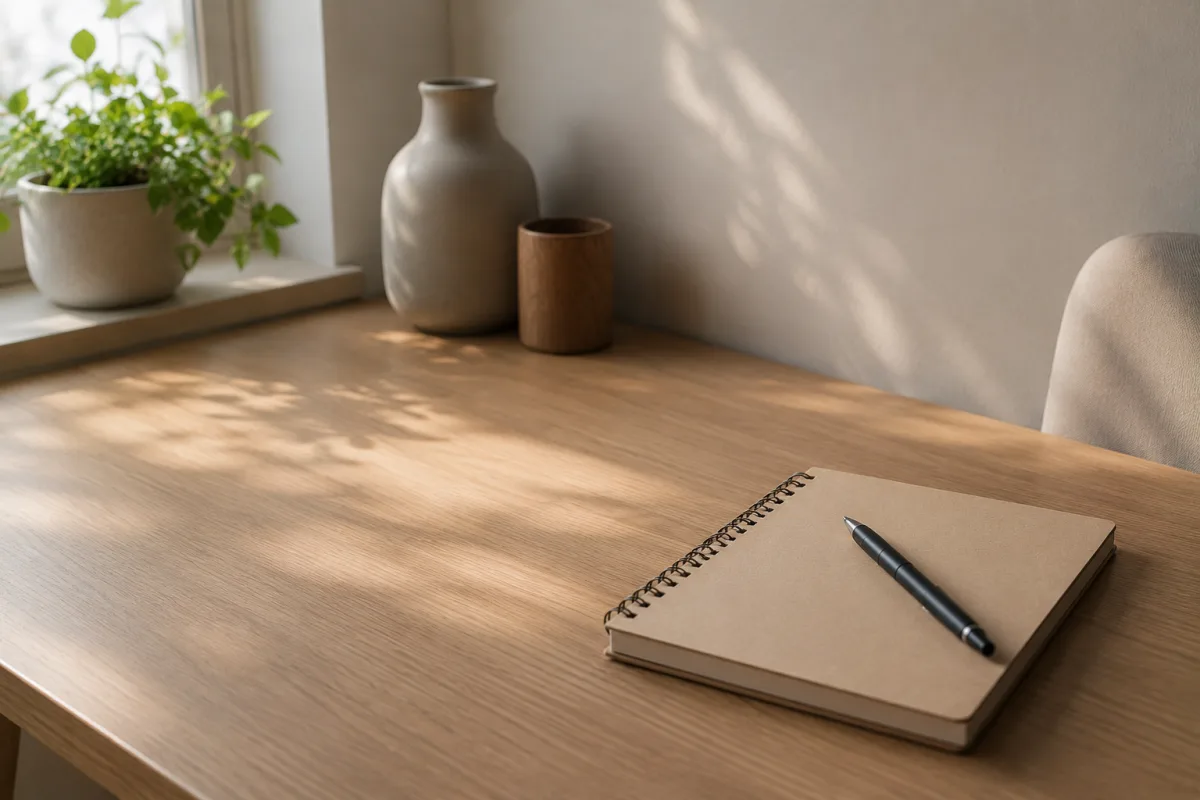
What I've found personally is that a clear surface often leads to a clear mind, making space for new ideas and less stress.
Simple Habits for a Lighter Load
- Start Small with a "Clutter Hotspot": Don't try to tackle your entire house in one go. That's a recipe for overwhelm. Instead, pick one small, high-impact area – perhaps your kitchen counter, your bedside table, or that infamous "junk drawer." Spend just 15-20 minutes really decluttering and organizing it. The satisfaction you get from seeing one clean, functional space will provide the momentum and motivation to tackle another, slightly larger area next time. It's about building confidence and proving to yourself that you *can* do it, without burning out. In my experience, clearing my bedside table dramatically improved my pre-sleep routine; no more reaching for a pile of books or scattered charging cables!
- Embrace the "One-Touch" Rule: This simple principle can be genuinely transformative. The idea is that once you pick something up, or once it enters your home, you handle it immediately. Don't put the mail down on the counter to deal with later; open it, sort it, file it, or toss it right then and there. Don't drop your jacket on a chair; hang it up. Don't leave your dirty dish in the sink; rinse it and put it in the dishwasher. It might sound like a small change, but think about how many items accumulate simply because we put off dealing with them for "later." This rule dramatically reduces accumulation and keeps surfaces clear, preventing those dreaded piles from forming in the first place.
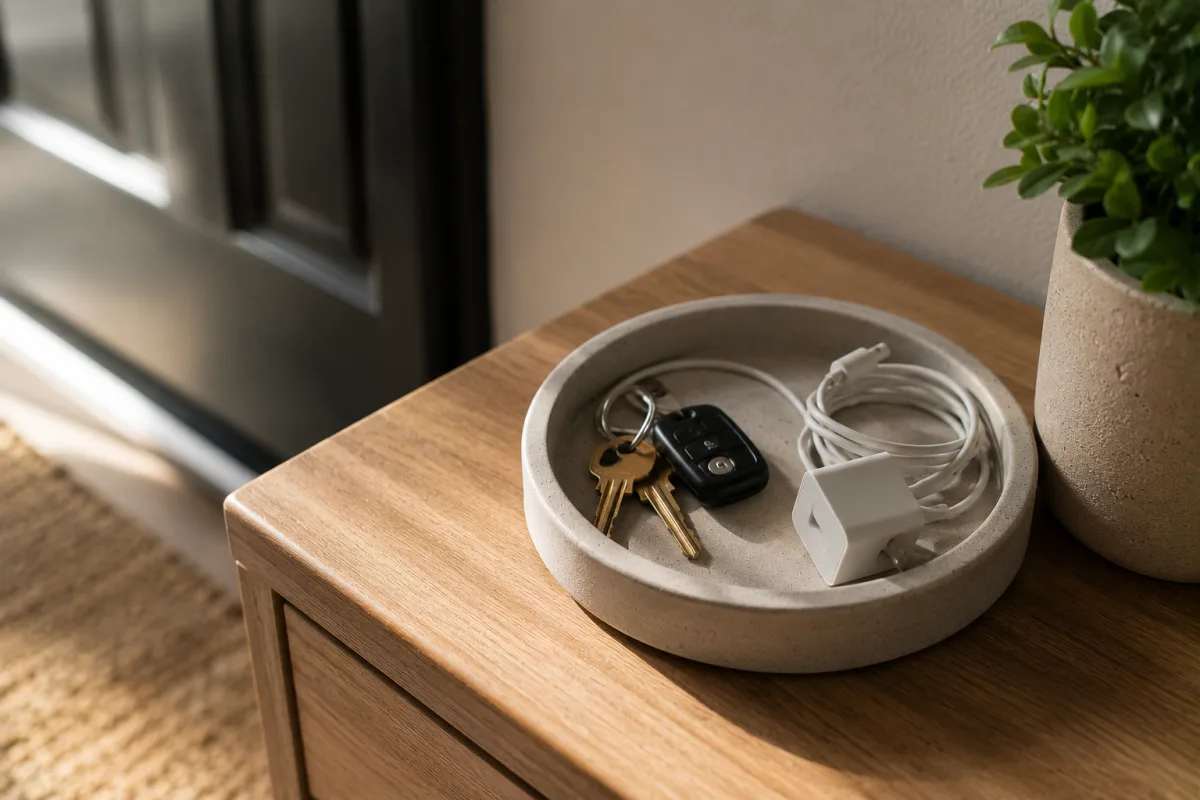
- Create a "Landing Strip" for Daily Essentials: How many times have you frantically searched for your keys, wallet, or phone as you're rushing out the door? A dedicated "landing strip" solves this. This is simply a designated spot near your entryway – perhaps a small bowl on a console table, a wall hook, or a specific drawer – where you *always* put these items the moment you walk in. It not only saves you precious minutes and stress each morning but also removes those small items from randomly cluttering other surfaces throughout your home. Knowing exactly where your essentials are helps your brain relax; it doesn't have to keep track of their ever-changing location.
Building Habits for Lasting Calm
Think of tidying not as a monumental, once-a-year event, but as a consistent practice, much like brushing your teeth or going for a walk. The real magic happens when you weave small tidying actions into your daily routine. It's about shifting your mindset from "I need to clean my house" to "I live in a well-maintained space." This subtle but powerful reframe helps you see tidying as part of self-care, not a chore.
When I started treating my home with the same respect I treat my body – feeding it well, keeping it active – everything changed. My morning tidy ritual, just 10-15 minutes of resetting the main living areas, completely transformed my mornings. I no longer woke up to the lingering chaos of the previous day, which meant I started my day feeling proactive and calm, not reactive and stressed.
These micro-habits have a ripple effect. When your space is consistently tidy, it becomes easier to engage in other healthy habits. Want to meditate?
A clear corner of your living room feels much more inviting than a cluttered one. Planning to cook a healthy meal? A clean kitchen with clear counters makes the process feel less daunting.
It's all interconnected. A messy environment saps your energy and willpower, making it harder to initiate anything positive. Conversely, a consistently organized space provides a foundation of calm and efficiency that supports your broader personal growth goals.
You’re not just tidying; you’re building a supportive environment for your best self. What kind of environment are you building for yourself?
Beyond the Visual: Digital Decluttering & Mental Space
In our increasingly connected world, clutter isn't just about physical objects anymore. Our digital lives can be just as, if not more, overwhelming than our physical ones. Think about it: an overflowing email inbox, a desktop riddled with unsorted files, a phone screen jammed with unused apps, endless notifications vying for your attention.
This digital chaos translates directly to mental overload. Just like a messy room, a messy digital space creates a sense of unfinished business and constant demands on your attention. I used to let my email inbox swell into the thousands, each unread message a tiny mental tab open in the back of my mind.
It was draining.
The constant stream of information and notifications can be incredibly distracting, pulling your focus away from what truly matters. When your digital environment is cluttered, it's harder to concentrate, easier to get sidetracked, and contributes to that pervasive feeling of being "always on" but never truly present.
Taking the time to declutter your digital life – organizing files, unsubscribing from unnecessary emails, deleting old apps, managing notifications – is a powerful act of self-care. It frees up mental space, reduces anxiety, and allows you to be more intentional with your digital interactions. What I’ve found is that a clean digital workspace isn’t just about efficiency; it’s about reclaiming your focus and peace in an increasingly noisy world.
It’s an essential part of creating an overall calm and supportive lifestyle, extending the benefits of a tidy physical space into the virtual realm where we spend so much of our time.
Common Mistakes to Avoid
When you embark on your tidying journey, it’s easy to fall into certain traps that can quickly derail your efforts and leave you feeling more frustrated than when you started. Believe me, I've made all these mistakes myself!
- Trying to Do It All at Once: This is probably the biggest culprit. You get inspired, decide to tackle the entire house in a weekend, and quickly become overwhelmed. This leads to burnout and often leaves a bigger mess than you started with. Remember, tidying is a marathon, not a sprint.
- Buying More Storage Before Decluttering: This is a common one! You see a messy room and immediately think, "I need more bins/shelves/drawers." But all this does is organize your existing clutter. It doesn't solve the fundamental problem of having too much stuff. Always declutter first; then, and only then, assess your actual storage needs. You might find you need much less than you thought.
- Holding Onto "Someday" Items: We all have them – the clothes that "might fit someday," the craft supplies for a project you "might start someday," the broken appliance you "might fix someday." These items often sit unused for years, taking up valuable space and adding mental clutter. Be honest with yourself about what "someday" truly means. If it hasn't happened in a year or two, it's probably time to let it go.
- Not Having a "Home" for Everything: When an item doesn't have a designated place, it tends to float around, creating random piles and visual noise. Think about every single item you own and where it "lives." If it doesn't have a home, either create one or consider if you truly need it. A place for everything, and everything in its place, isn't just a quaint saying; it's a foundational principle of a tidy home.
- Striving for Perfectionism: Your home doesn't need to look like it's ready for a magazine shoot every single day. Life happens, and things will get out of place. The goal isn't sterile perfection, but rather a maintainable level of order that supports your mental well-being. "Good enough" and consistently tidy is infinitely better than striving for impossible perfection and constantly feeling like you're failing.
Expert Tips
Ready to take your tidying game to the next level? These advanced strategies go beyond the basics and can truly transform your relationship with your space, and ultimately, your mind.
- The "Four Box Method" for Decluttering: When tackling a larger area, grab four empty boxes (or laundry baskets). Label them: Keep, Donate/Sell, Trash/Recycle, and Relocate. As you go through items, immediately place them into the appropriate box. The "Relocate" box is for items that belong elsewhere in your home. This method prevents decision fatigue by breaking down choices into manageable categories and ensures everything has a clear destination.
- Schedule "Tidy Times": Just like you schedule appointments or workouts, schedule specific times for tidying. This could be 15 minutes every evening to "reset" your main living spaces before bed, or an hour on a Saturday morning to tackle a larger project. By blocking out dedicated time, you turn tidying into a non-negotiable routine rather than an optional chore you might skip. Consistency is key here.
- The "Reverse Hanger Trick" for Wardrobes: This is a fantastic way to identify clothes you actually wear. When you wear an item, reverse the hanger. After 6-12 months, any hangers that haven't been reversed are for clothes you're probably not wearing. This visual cue makes it incredibly easy to decide what to donate or sell, clearing out precious closet space for items you truly love and use. It’s a gentle, no-pressure way to declutter your closet.
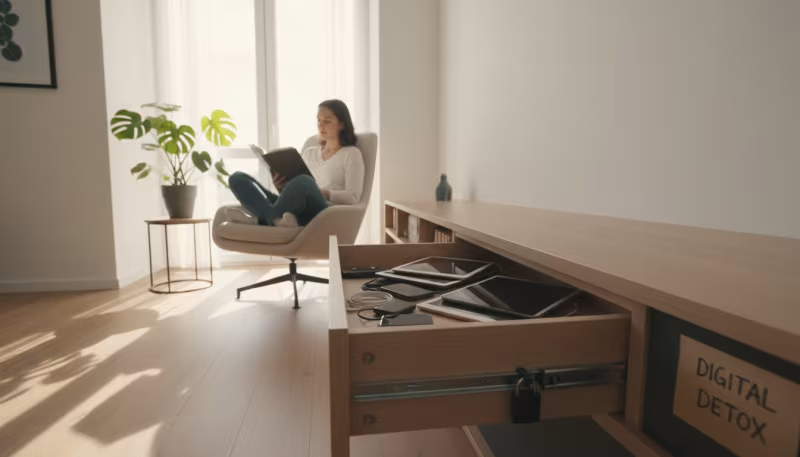
- Implement a Digital Detox Day or Hour: Extend your tidying to your digital life. Once a week, or even once a month, dedicate an hour to digital decluttering. Clean out your email inbox (aim for "inbox zero"), organize desktop files, delete unused apps from your phone, and unsubscribe from newsletters you no longer read. This intentional effort significantly reduces digital noise and improves focus during your working hours, giving your brain a much-needed break from constant digital demands.
- Embrace the Power of Emptiness: We often feel compelled to fill every available surface and storage space. But empty space is incredibly valuable. It allows your eyes and mind to rest, creates a sense of openness, and makes a room feel larger and more inviting. Don't be afraid to leave some shelves sparsely decorated or a corner intentionally clear. This visual "breathing room" dramatically contributes to a calmer, more serene atmosphere in your home.
Final Thoughts
There you have it – the undeniable connection between a tidy space and a calm mind. It's not about being perfect, or living in a minimalist showroom, but about creating an environment that truly supports you. When you reduce visual and digital clutter, you're not just organizing your stuff; you're organizing your thoughts, lowering your stress, and making more room for what truly brings you joy and peace.
I’ve seen firsthand how a little bit of intentional tidying can profoundly impact mood, productivity, and overall well-being. It’s a journey, not a destination, so be kind to yourself as you go. What's one small spot you can tackle today to bring a little more calm into your life?
I'd love to hear your favorite tidying hacks in the comments below!
Save for later
Found this helpful?
Pin this article to your Pinterest board and come back to it whenever you need a reminder.
Save to Pinterest