
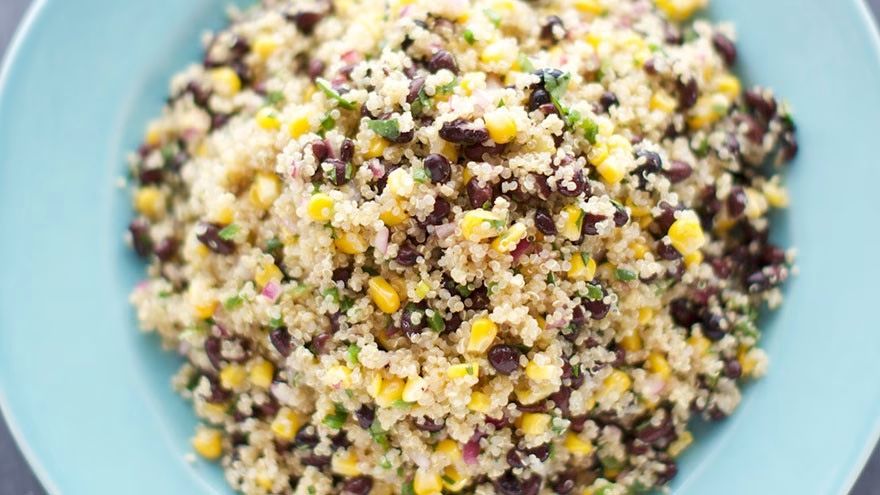
This Pilaf Is Built for Cold-Weather Meal Prep
Winter Black Bean and Quinoa Pilaf Recipe should feel hearty without becoming heavy. Quinoa, black beans, squash, broccoli, mushrooms, onion, garlic, and warm spices make a bowl that works for lunch, dinner, or a make-ahead side.
The method matters more than perfection. Rinse the quinoa, build flavor in the pan, cook vegetables until tender, and keep the final texture loose rather than mushy.
A good pilaf has separate grains, warm seasoning, and vegetables that still taste like themselves.
Ingredients
Use 1 cup dry quinoa, well rinsed; 1 3/4 cups broth or water; 1 can black beans, drained and rinsed; 2 cups diced winter squash; 2 cups broccoli florets; 1 cup sliced mushrooms; 1 small onion; 2 cloves garlic; 2 tablespoons olive oil; 1 teaspoon cumin; 1/2 teaspoon smoked paprika; 1/4 teaspoon cinnamon; salt; pepper; lemon or lime; and chopped parsley or cilantro.
Use cooked black beans if you prefer them over canned. Keep the pieces of squash small enough to cook evenly.
Livecub's Asian seasoning mix article can inspire a different spice direction if you want to move the pilaf away from cumin and paprika.
Rinse the Quinoa Well
Quinoa can taste bitter if the outer coating is not rinsed away. Put it in a fine-mesh strainer and rinse under cool water until the water runs clearer.
Harvard's Nutrition Source page on quinoa explains that quinoa is often grouped with whole grains and contains protein, fiber, vitamins, and minerals.
Rinsing is a small step that changes the whole bowl.
Cook the Quinoa Separately for Better Texture
Bring the quinoa and broth to a simmer, cover, and cook gently until the liquid is absorbed. Let it rest off heat for a few minutes, then fluff with a fork.
Cooking quinoa separately gives better control. If everything cooks in one pan, the vegetables may overcook before the grains are ready.
For another side-dish style recipe, Livecub's basic corn souffle recipe offers a different comfort-food direction.
Brown the Vegetables for Flavor
Heat oil in a wide skillet. Cook onion until soft, then add squash and mushrooms. Let them brown a little before stirring too much.
Add garlic, cumin, smoked paprika, cinnamon, salt, and pepper. Add broccoli later so it stays green and tender rather than dull.
Winter vegetables taste better when they get a little color.
Add Beans Near the End
Black beans are already cooked if canned, so they need warming rather than long cooking. Add them after the vegetables are nearly tender.
USDA FoodData Central entries for foods such as black beans and quinoa can help cooks compare nutrition details when adjusting portions.
Do not mash the beans unless you want a creamier pilaf. Gentle folding keeps the bowl lighter.
Finish With Acid and Herbs
Lemon or lime juice wakes up the beans and squash. Fresh herbs add color and a cleaner finish.
Taste before serving. Add salt, pepper, citrus, or a little olive oil as needed.
Livecub's asparagus rolls recipe would pair well if you want a green side with a softer texture.
Make It a Main Dish
Serve the pilaf with avocado, yogurt, a fried egg, roasted chicken, tofu, or extra beans. For a vegan version, use vegetable broth and skip dairy toppings.
For more protein, add pumpkin seeds, cooked lentils, or a second can of beans.
The recipe is flexible enough to follow the pantry.
Store Leftovers Safely
Cool leftovers promptly and refrigerate them in shallow containers. FoodSafety.gov's cold storage chart is a useful reference for leftover timing.
Reheat only what you need and make sure the food is steaming hot before eating. Add a splash of water or broth if the quinoa has dried out.
Meal prep is only useful when the leftovers stay safe and appealing.
Ways to Change the Recipe
Use sweet potato instead of squash, kale instead of broccoli, chickpeas instead of black beans, or barley instead of quinoa if you are not avoiding gluten.
For a warmer spice profile, add coriander, chili powder, or a pinch of cayenne. For a brighter bowl, add chopped scallions and more citrus.
Livecub's easy Yugoslavian chicken recipe can turn the pilaf into a side for a fuller dinner.
Toast the Quinoa if You Want More Flavor
After rinsing and draining, toast quinoa briefly in a dry pan or a little oil until it smells nutty. Then add liquid and cook.
This step is optional, but it can give the pilaf a warmer flavor that fits winter vegetables.
Do not toast so long that the grains scorch.
Balance Soft and Crunchy Toppings
The pilaf is soft and hearty, so toppings can help. Try toasted pumpkin seeds, chopped scallions, pickled onions, yogurt, crumbled feta, or extra herbs.
Add toppings just before serving so they do not disappear into the warm grains.
Make It for a Crowd
Double the recipe by using a larger pan for vegetables and cooking quinoa in a pot with enough room to steam properly. Do not crowd the skillet or the vegetables will soften without browning.
For a buffet, keep the pilaf warm safely and do not let it sit out for hours. Refrigerate leftovers promptly.
Scaling a recipe is about pan space, not only ingredient math.
Fix Common Problems
If the pilaf is dry, add a splash of broth, citrus, or olive oil. If it is bland, add salt, acid, herbs, or spice.
If the vegetables are mushy, cook them less next time and fold them in later. If the quinoa is wet, let it rest uncovered for a few minutes before mixing.
Pack It for Lunch
This pilaf travels well in a sealed container. Add herbs, citrus, or a small container of sauce at the last minute to keep it fresh.
It can be eaten warm or at room temperature if handled safely. For work lunches, keep it chilled until mealtime.
A good meal-prep bowl should still taste good on day two.
Use the Recipe as a Template
Keep the structure: grain, bean, winter vegetable, green vegetable, mushroom or savory element, spice, acid, and herb. Once that pattern makes sense, you can change ingredients without losing the dish.
That is what makes pilaf useful. It is less rigid than a casserole and more satisfying than plain cooked quinoa.
Serve It With Something Bright
Winter pilaf can lean earthy, so a bright side helps. Try a citrus salad, quick pickled onions, chopped tomato, cucumber, or a spoonful of yogurt with lemon.
Brightness keeps the beans and squash from feeling too heavy. It also makes leftovers more appealing.
Make the Texture Less Dry
If you like a softer bowl, add a few tablespoons of broth after combining the quinoa and vegetables. Cover the pan briefly so the flavors settle together.
If you prefer a fluffier pilaf, keep the lid off after mixing and avoid stirring too hard.
Texture is a choice, not an accident.
Use Frozen Vegetables When Needed
Fresh squash and broccoli are good, but frozen vegetables can work when time is short. Add them with attention to moisture so the pilaf does not become watery.
Thawing and patting dry can help with browning. For weeknight cooking, convenience may be the reason the recipe happens at all.
Turn Leftovers Into a Second Meal
Stuff the pilaf into peppers, roll it into a wrap, top it with an egg, or fold it into a quick soup with extra broth.
Changing the format keeps leftovers from feeling repetitive. It also helps a large batch disappear without waste.
A flexible recipe earns its place in winter cooking.
Common Mistakes to Avoid
Do not skip rinsing the quinoa, crowd the vegetables, or add all the salt before tasting the beans and broth. Each of those choices can flatten the final bowl.
Also avoid overcooking broccoli until it turns dull. Add it late enough to keep color and shape.
Make It More Filling
Add roasted squash seeds, extra black beans, tofu, chicken, or a spoonful of tahini sauce. The base is flexible enough to carry more protein or fat.
If serving athletes or very hungry eaters, pair it with bread, soup, or another protein instead of making the pilaf do all the work.
Frequently Asked Questions
Do I have to rinse quinoa?
Yes, it is a good habit. Rinsing helps remove bitterness and gives the finished pilaf a cleaner taste.
Can I use canned black beans?
Yes. Drain and rinse them, then add them near the end so they warm without breaking down.
Can this pilaf be vegan?
Yes. Use vegetable broth and keep toppings plant-based.
How do I keep quinoa pilaf from getting mushy?
Cook quinoa separately, let it rest, fluff it with a fork, and fold it gently into the vegetables and beans.

Chiara Bradshaw
Covers education, culture and creative topics with an emphasis on readable explanations and verifiable references.



Leave a reply
Replying to