
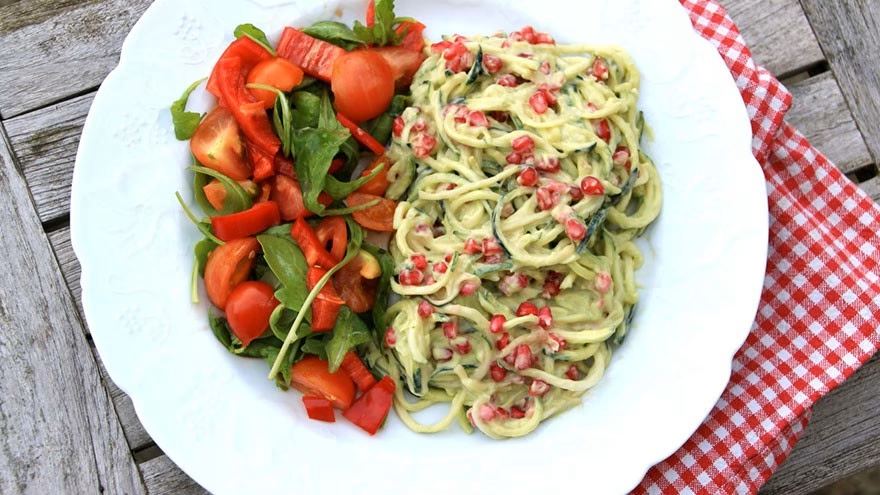
Start with safe food handling
FoodSafety.gov four steps is the first kitchen reference. Zucchini Alfredo can turn watery if the vegetable is not managed before it meets the sauce.
Related kitchen planning such as sweet topping ideas helps connect the idea to meals people already make.
Choose ingredients by condition
Cut zucchini evenly, cook off extra moisture, and keep the sauce thick enough to coat the pasta. Look at ripeness, moisture, smell, texture, package dates, storage needs, and how soon the food will be eaten.
Flavor ideas like dinner planning only work when the base ingredient is still in good shape.
Build the method around texture
MyPlate vegetable guidance adds a second safety check. Season in layers because cream, cheese, pasta water, and zucchini can flatten flavor.
Texture is where home cooks notice success: crisp edges, tender fruit, flaky crust, creamy sauce, safe leftovers, or a gift that travels well.
Plan timing and storage
Serve soon after combining, then chill leftovers promptly. Decide what can be made ahead, what must cool, what should stay chilled, and what needs a label.
Storage habits from baked side timing can prevent a good idea from turning into waste.
Use official food safety guidance
USDA FSIS food safety gives the third reference. Progress is a creamy dish with tender zucchini, not a bowl of thin sauce.
Food safety guidance matters most when the food will be canned, gifted, stored, served to guests, or held for more than one meal.
Record the version that worked
Reheat gently so the sauce does not split. Write down the pan, time, temperature, ingredient amount, storage choice, and what you would change next time.
A small kitchen note saves the cook from repeating the same guesswork later.
Fit the advice to the constraint
The recipe should fit zucchini moisture, pasta timing, sauce thickness, cheese, seasoning, and storage. Advice that ignores the fixed constraint usually fails at the first hard moment.
Name the constraint before choosing the tactic. It may be law, health, weather, access, trust, equipment, money, time, food safety, or an animal's body.
Use one visible measure
The useful measure is zucchini cut, sauce thickness, pasta water, seasoning, serving time, and leftover plan. A visible measure keeps the plan out of vague optimism.
Write the measure down before acting. People remember details poorly when they are worried, excited, ashamed, rushed, or tired.
Plan for the ordinary interruption
Watery zucchini, overcooked pasta, split sauce, and late chilling can interrupt the dish. Build the interruption into the plan instead of treating it as a surprise.
The fallback should be simple enough to use under pressure. If it needs a long debate, it is not a real fallback.
Keep the cost honest
The cost can be bland sauce, unsafe leftovers, wasted ingredients, and poor texture. Cost is not only cash. It can be trust, sleep, safety, health, data, time, privacy, training, wasted food, or future repair work.
Name who carries that cost. If the cost falls on someone else, the plan needs more care.
Remove one fragile step
Find the step most likely to break first: a missing record, unclear sentence, unsafe road, vague policy, untested recipe, poor breeder answer, or skipped safety check.
Fix that step first. The rest of the plan gets easier when the weakest point is no longer ignored.
Keep the record easy to find
Save the useful details where they will be needed later. Use a folder, note, calendar entry, screenshot, vet file, HR file, recipe card, or support ticket.
A findable record prevents repeat confusion. It also helps another person understand the decision without rebuilding the whole story.
Let the first attempt teach the next one
Review whether the sauce coated the pasta after five minutes. Review it while the details are still fresh.
The second attempt should be calmer and more accurate than the first. That is where practical improvement usually starts.
Know where general advice stops
Pause when leftovers sit too long, dairy sauce smells off, or guests have dietary limits. That is where a professional, official source, veterinarian, counselor, lawyer, support line, or technical support channel should take over.
Stopping at that line is part of careful work. It protects people, animals, systems, food, and decisions from wishful shortcuts.
End with one ready action
Choose one action that can be done today: check the rule, make the appointment, save the note, ask the question, change the route, chill the food, or write the boundary.
One finished action beats ten loose intentions. It gives the next round a cleaner starting point.
Make the next round easier
Put the materials where they belong before you move on. File the document, label the note, pack the gear, update the chart, save the source, or write the follow-up message.
The next round should start with less searching and less emotional noise.
Check the source before acting
Use the freshest official page or professional record before money, health, legal risk, safety, or trust is on the line. Old memory can be useful for context, but it should not be treated as the final answer.
If two sources disagree, slow down and identify which one has authority for this specific situation. A park rule, veterinary record, employment standard, food safety page, or support page may matter more than a familiar post.
Respect the person affected
The person most affected should not be treated as a side character in the plan. That may be the spouse hearing hard news, the employee using a system, the traveler on a long drive, the guest eating the food, or the dog living with the routine.
Ask what the decision changes for that person. The answer may point to timing, consent, privacy, safety, pacing, cost, or a calmer way to explain the next step.
Make the handoff clear
If someone else needs to act, write the handoff in plain language. Name the issue, the source checked, the date, the next step, and the detail that should not be missed.
A handoff that depends on memory usually weakens by the next day. Put it in the support ticket, vet file, HR note, travel folder, recipe card, shared calendar, or journal where it will actually be seen.
Set a review point
Every practical plan needs a point where you look again. Choose a date, a symptom, a reply deadline, a test result, a budget number, a texture, or a behavior change that tells you if the plan is working.
Without a review point, people often keep pushing the same tactic because stopping feels awkward. A clear review makes changing course feel planned rather than panicked.
Keep the tone practical
The tone should stay calm and plain, especially when the topic carries shame, fear, money, safety, hunger, or uncertainty. Dramatic language can make a hard situation feel less manageable.
Use words that a real person could say out loud. A clear sentence, a dated note, a checked rule, or one honest conversation will usually do more than a polished speech. Plain records age better too.
Separate facts from preference
Write down what is known, what is assumed, and what is only preferred. That small separation prevents a personal wish from being mistaken for a rule, diagnosis, promise, or verified result.
A fact can be checked by a record, source, result, or direct observation. A preference still matters, but it should be named honestly so it does not crowd out risk. This is useful when emotions are loud.
Choose the least risky next step
The next step should reduce uncertainty without creating a larger problem. That may mean asking one better question, saving one record, delaying a choice, or getting qualified help.
If the next step would be hard to undo, pause and check the evidence again. Reversible steps are useful while the situation is still unclear. They also keep pressure from driving the decision.
Frequently Asked Questions
What should I check first?
Check zucchini moisture and sauce thickness before combining.
That first check keeps the advice tied to the real situation.
What mistake should I avoid?
Avoid adding raw watery zucchini straight into finished Alfredo sauce.
That is where small problems often become expensive, unsafe, or hard to undo.
When should I pause?
Pause when leftovers sit too long, dairy sauce smells off, or guests have dietary limits.
Use a qualified person, official rule, support line, or trusted expert when the stakes are high.
How do I make the next attempt better?
Review whether the sauce coated the pasta after five minutes.
Save one short note while the details are fresh.

Timothy Davidson
Edits step-by-step general-interest guides for clarity, realistic limits and source verification.




Leave a reply
Replying to