
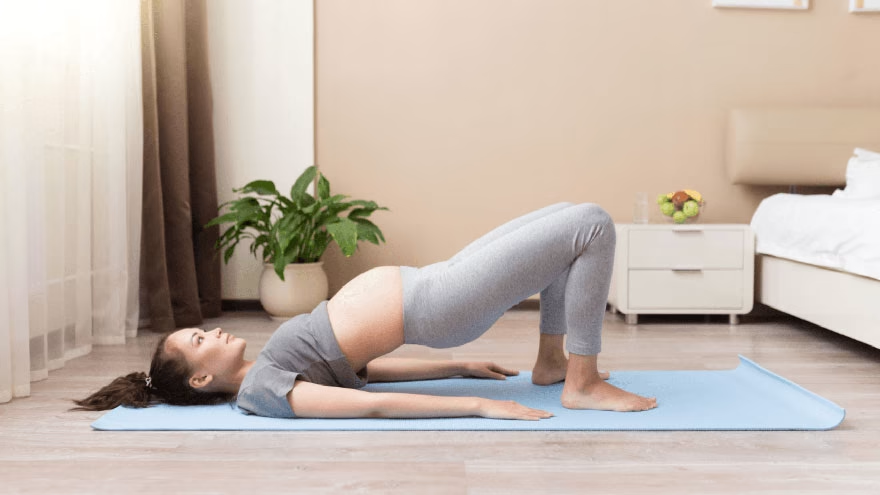
1st Trimester Pregnancy Exercises should be gentle, realistic, and easy to adjust. The first trimester can bring nausea, fatigue, breast tenderness, dizziness, and anxiety, so consistency matters more than intensity.
If a clinician has restricted exercise, follow that guidance. If symptoms feel unusual or severe, stop and ask for medical advice.
Ask About Safety
ACOG says people with uncomplicated pregnancies should be encouraged to do aerobic and strength-conditioning exercises before, during, and after pregnancy: ACOG exercise committee opinion.
That guidance does not erase individual restrictions. Bleeding, chest pain, dizziness, severe headache, or fluid leakage changes the conversation.
Walking
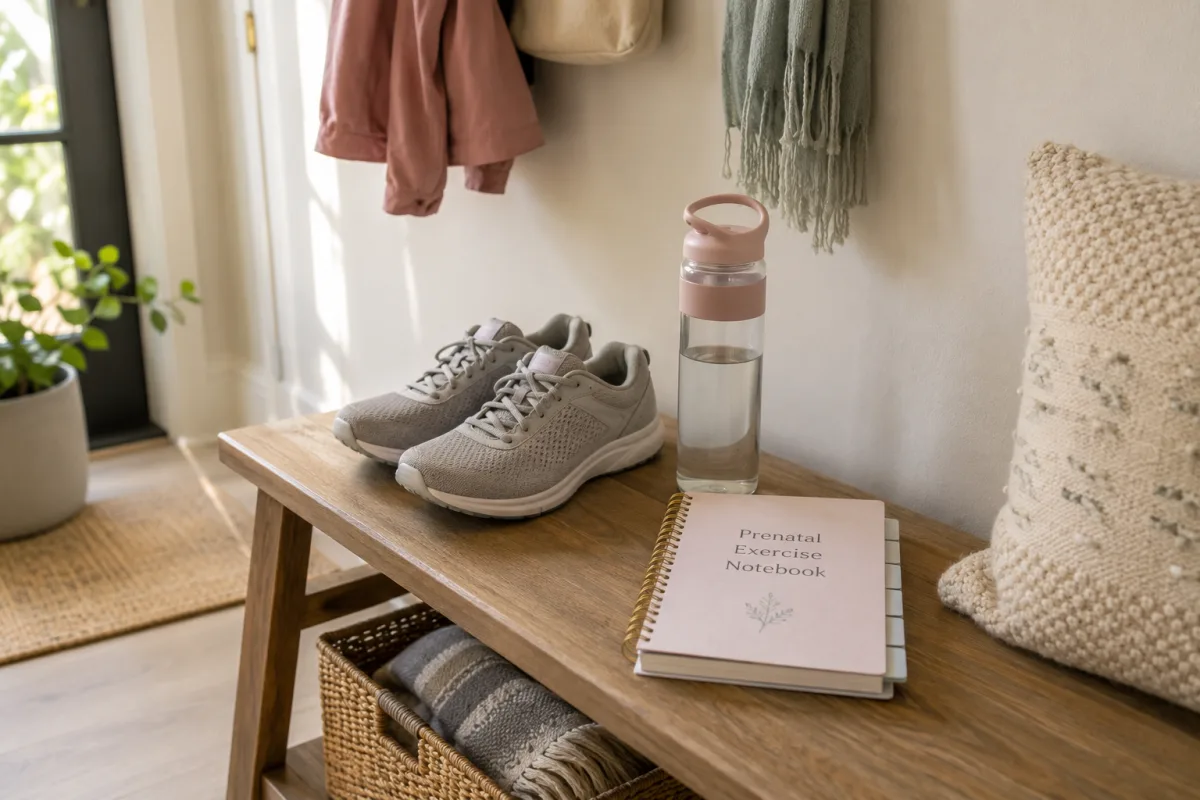
Walking is often the easiest first trimester exercise. It needs no special skill, can be shortened for nausea, and can fit around work or appointments.
Start with ten minutes if energy is low. Add time only if recovery feels good.
Swimming
Swimming and water walking can feel good when joints are sore or the body feels heavy. Use safe pool rules and avoid overheating.
If nausea is strong, choose times when the pool smell or motion will not make it worse.
Stationary Cycling
A stationary bike offers low-impact cardio without traffic or balance challenges. Keep resistance moderate and posture comfortable.
As pregnancy changes, adjust the seat and handlebars so the belly and back are not crowded.
Prenatal Yoga
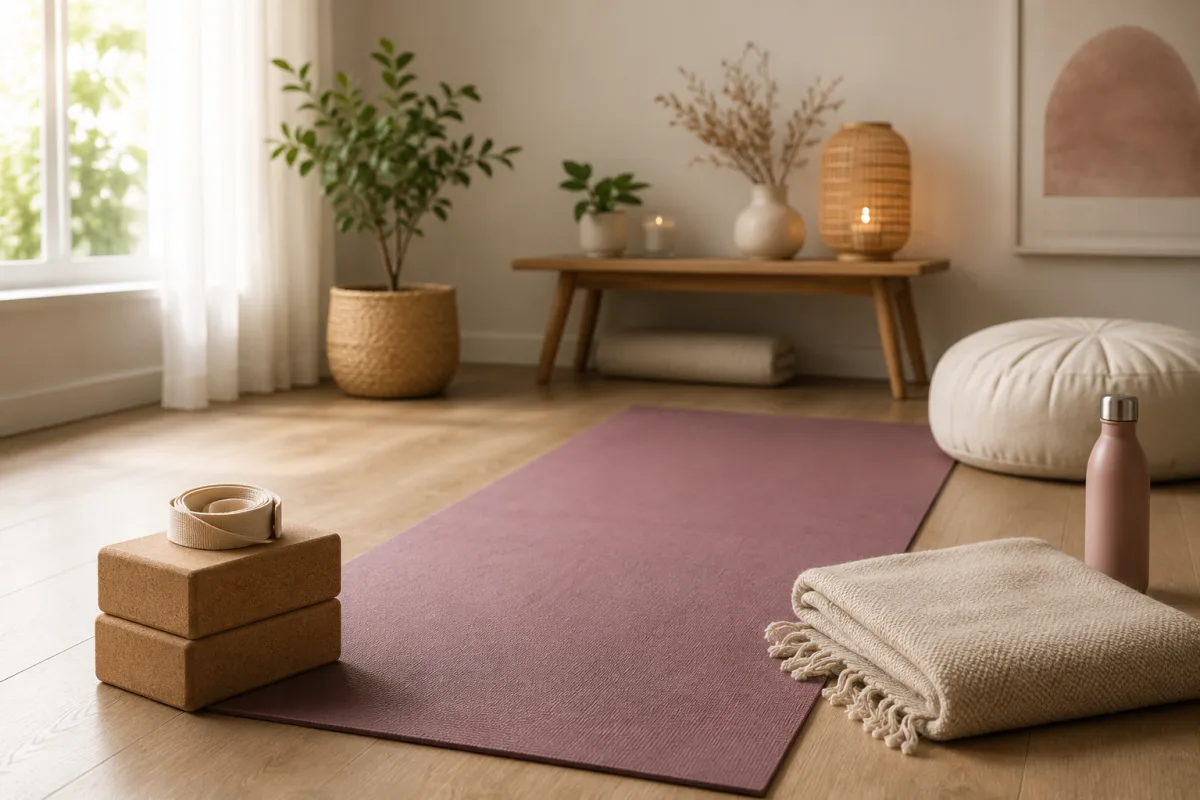
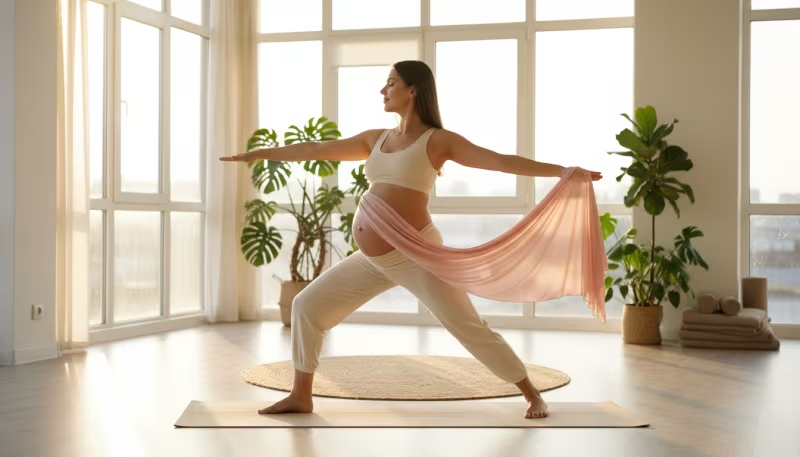
Prenatal yoga can support gentle strength, mobility, breathing, and body awareness. Choose prenatal instruction rather than a hot or extreme class.
For back-focused modifications, choose supported poses, props, and slower transitions instead of deep holds.
Strength Basics
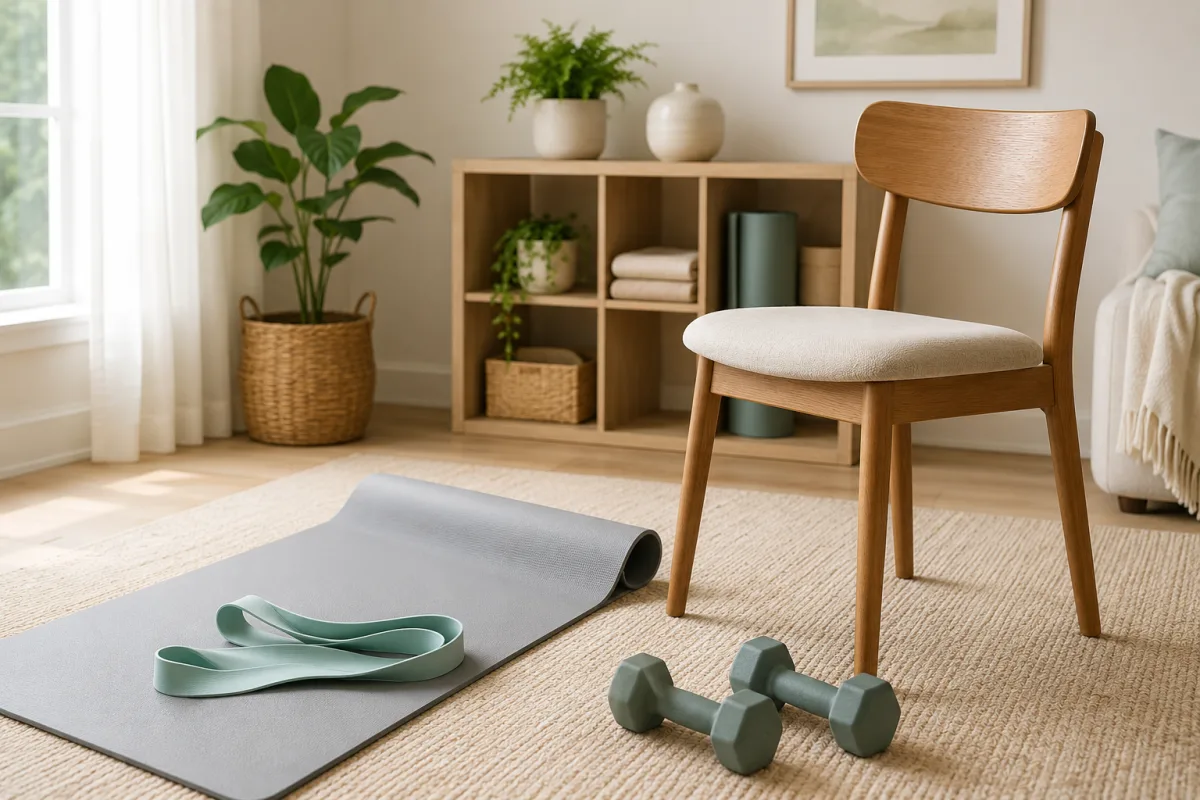
Light strength work can include squats to a chair, wall pushups, band rows, side steps, and gentle hip work.
Mayo Clinic shows pregnancy exercises such as leg raises and other movements for back and abdominal strength: Mayo Clinic pregnancy exercises.
Pelvic Floor
Pelvic floor exercises may help some people build awareness, but they should not be done with gripping, breath holding, or pain.
If pelvic pain, leaking, or pressure is present, a pelvic floor physical therapist can give more specific help.
Avoid Overheating
Skip hot yoga, overheated rooms, and workouts that make you feel faint. Hydrate and wear breathable clothing.
Cleveland Clinic notes moderate pregnancy exercise and safe activity choices such as walking, swimming, stationary cycling, prenatal yoga, and low-impact aerobics: Cleveland Clinic pregnancy-safe workouts.
Nausea Days
On nausea days, exercise may mean a five-minute walk, gentle stretching, or nothing. That is still a plan.
Livecub's bland pregnancy foods guide can help with food ideas around nausea.
Early Symptoms
Fatigue and cramping can worry people in the first trimester. Learn common signs, but do not use exercise to test if pregnancy is okay.
Livecub's first week pregnancy signs guide can help readers understand early symptoms while still relying on care-team guidance.
Emotional Support
Exercise can help mood for some people, but anxiety in early pregnancy may still need support.
Livecub's depression during pregnancy guide can help readers take mental health symptoms seriously.
Build A Week
A simple first trimester week might include three short walks, one prenatal yoga session, one light strength session, and rest days.
The best plan is the one that leaves you functional tomorrow.
Talk Test
The talk test is simple: during moderate exercise, you can talk but not sing comfortably.
If talking is hard, slow down or stop.
Warm Up
Start with five minutes of easy movement before stretching or strength work.
A warm-up gives the body time to respond, especially on nausea or fatigue days.
Rest Days
Rest days are part of the plan. The first trimester can be unpredictable.
Skipping a workout because symptoms are heavy is not failure.
Fuel
A small snack before activity may help if nausea or lightheadedness appears.
Livecub's bland pregnancy foods guide can help with gentle food ideas.
Balance Changes
Balance may shift even early, especially with fatigue or dizziness. Choose stable surfaces and avoid risky terrain.
A treadmill, track, hallway, or familiar route may be better than uneven ground.
Exercise Log
Track activity, symptoms, energy, and recovery. Patterns can help you adjust the week.
Bring the log to a prenatal visit if symptoms keep interrupting movement.
Partner Support
A partner can walk with you, refill water, or help protect time for movement.
Livecub's staying intimate during pregnancy guide can help couples make support feel connected rather than clinical.
Breathing
Use steady breathing during movement. Breath holding can add strain and make lightheadedness worse.
If a movement makes normal breathing hard, lower the effort or stop.
Clothing
Wear supportive shoes and clothes that do not overheat or restrict the belly and ribs.
Comfortable clothing makes it easier to notice the body's real signals instead of fighting the outfit.
Short Strength Circuit
A simple circuit might include wall pushups, chair squats, band rows, and side steps. Keep the range controlled and the pace easy.
One set is enough on tired days. Strength work should not leave you shaky.
Stretching
Gentle calf, chest, and upper-back stretches can help if early pregnancy fatigue changes posture.
Avoid bouncing. Move in and out of stretches with control.
Workout Environment
Choose cool, well-ventilated spaces. Avoid hot rooms and crowded classes that make it hard to stop.
A safe setting matters more than matching a pre-pregnancy routine.
Medical History
Prior pregnancy loss, heart disease, lung disease, cervical concerns, placenta issues, or bleeding can change exercise advice.
This is why a quick care-team conversation matters before pushing intensity.
Motivation
First trimester motivation can swing with nausea and sleep. Tie exercise to feeling better today, not to appearance.
Livecub's feeling attractive during pregnancy guide can help separate movement from body pressure.
Appointment Questions
Ask the clinician what activities are fine, what symptoms mean stop, and whether any personal restrictions apply.
Write the answers down so you do not have to guess during a workout.
Low Impact Aerobics
Low-impact aerobics can work if the room is cool, the instructor offers modifications, and the pace stays moderate.
Skip jumps, breathless intervals, and moves that feel unstable.
Gentle Core Awareness
Core work in the first trimester should focus on control and breathing, not max effort. Try seated posture work or standing anti-rotation with a light band if approved.
Stop if there is pain, pressure, doming, dizziness, or breath holding.
Schedule Around Nausea
Many people have a better window at a certain time of day. Use that window instead of forcing a morning workout if mornings are rough.
A five-minute walk after the easiest meal may be more realistic than a formal session.
Hydration
Keep water available and replace fluids after sweating. Vomiting or strong nausea can make hydration harder.
Call the care team if you cannot keep fluids down or feel faint.
Red Flag List
Put the stop-symptom list in your phone: bleeding, chest pain, dizziness, severe headache, calf swelling, fluid leakage, contractions, or reduced tolerance that feels wrong.
Having the list ready makes it easier to stop early instead of bargaining with symptoms.
Progress Slowly
Increase only one thing at a time: minutes, days per week, resistance, or pace.
First trimester exercise should build confidence and consistency, not prove toughness.
Recovery Check
The next day matters. If a workout leaves unusual pain, heavy fatigue, or symptoms, reduce the next session and ask for guidance.
Good exercise should fit the pregnancy you have this week, not the routine from before pregnancy.
Home Setup
A chair, wall, light band, mat, and water bottle are enough for many first trimester sessions.
Keeping setup simple lowers the barrier on tired days.
Care Team Update
Mention your activity routine at prenatal visits, especially if symptoms changed after exercise.
This gives the clinician a clearer picture than a vague answer like I work out sometimes.
Frequently Asked Questions
What exercises are safe in the first trimester?
Walking, swimming, stationary cycling, prenatal yoga, and light strength work are common options when pregnancy is uncomplicated.
Can I start exercising after I get pregnant?
Many people can start gently, but ask your clinician if you were inactive or have pregnancy risks.
Should I avoid abdominal exercises?
Avoid intense core work, breath holding, and exercises that cause pain or pressure. Ask for guidance if unsure.
How hard should I work out?
Moderate effort is usually the goal. You should be able to talk, breathe, and recover well.
When should I stop exercising?
Stop for bleeding, dizziness, chest pain, severe headache, fluid leakage, contractions, calf swelling, or symptoms your clinician warned about.
First trimester pregnancy exercises should support energy, strength, and mood without proving anything. Keep it moderate, flexible, and symptom-aware.

Alyssa Curlin
Edits general health, nutrition and education explainers. Medical topics are educational and link to public-health guidance.


Leave a reply
Replying to