
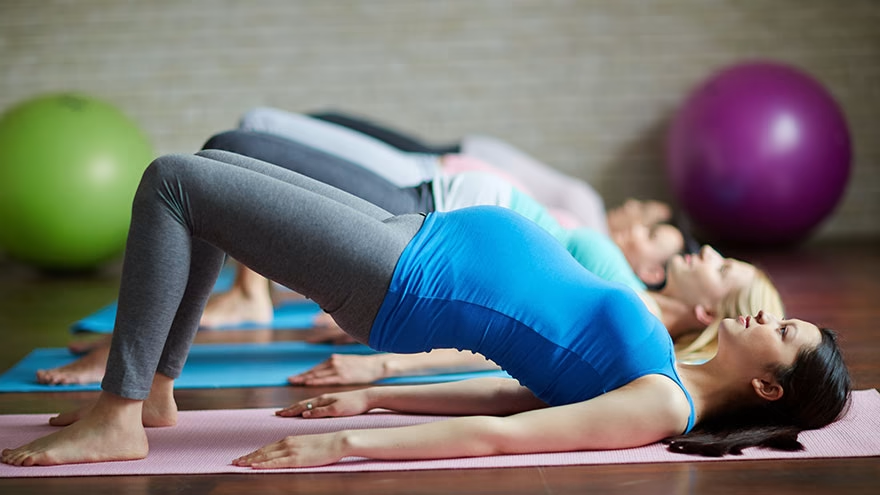
Kegel Exercises for Pregnancy can help some people strengthen the pelvic floor, but they are not a cure-all and they are not right for every symptom.
The pelvic floor is a group of muscles that supports the bladder, uterus, bowel, and rectum. Pregnancy can stretch and strain those muscles, which is why pelvic floor training often comes up in prenatal care.
What Kegels Are
Kegels are repeated contractions and relaxations of the pelvic floor muscles. A useful cue is to imagine gently stopping gas or lifting the muscles around the vagina and anus, then fully letting go.
Mayo Clinic says Kegel exercises strengthen pelvic floor muscles that support the uterus, bladder, small intestine, and rectum: Mayo Clinic Kegel guide.
They should not feel like squeezing your buttocks, holding your breath, or tightening your thighs.
Why Pregnancy Changes The Pelvic Floor
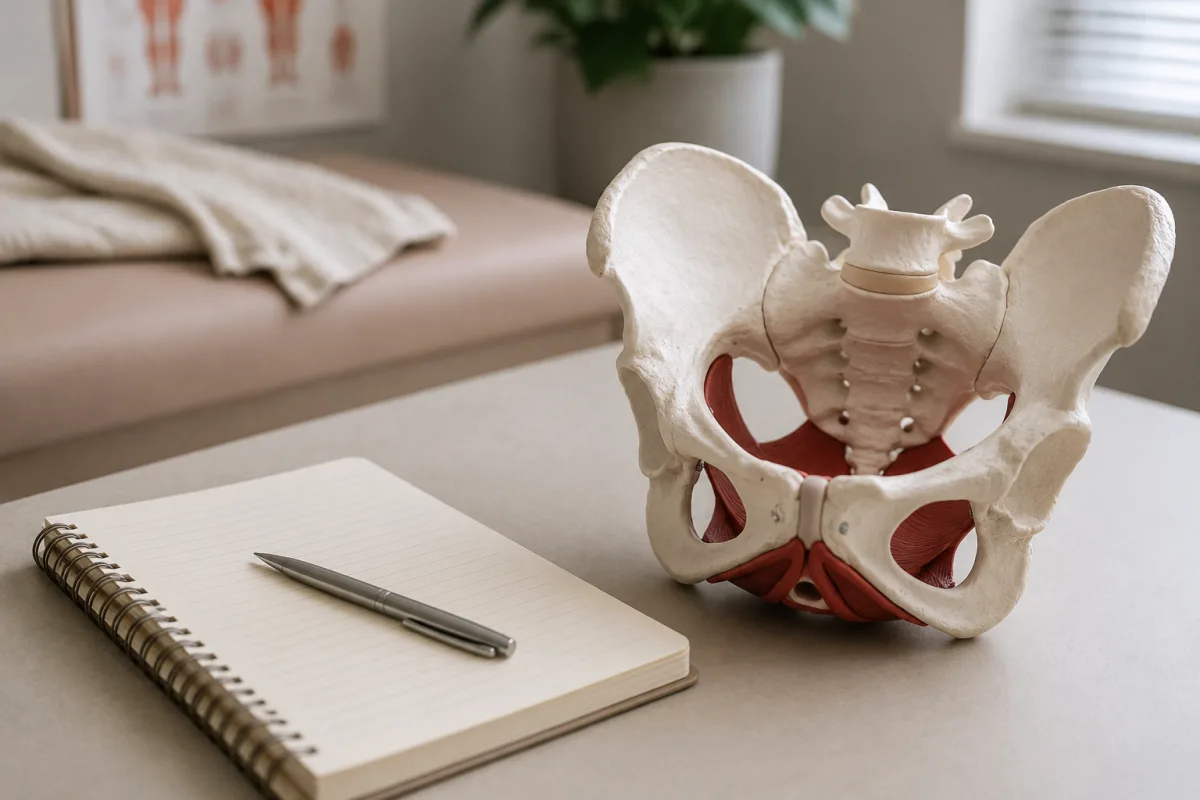
Pregnancy adds weight and pressure. Hormonal changes also affect connective tissue. Later, birth and postpartum recovery can add more strain, even for people who deliver by C-section.
ACOG's urinary incontinence FAQ says Kegel exercises can help strengthen pelvic muscles and may help all types of incontinence: ACOG urinary incontinence.
That does not mean more squeezing is always better. Some pelvic floors are weak; others are tense, painful, or unable to relax well.
Find The Right Muscles
Try identifying the muscles once by imagining you are stopping urine or gas. Do not make a habit of stopping urine midstream; that can interfere with normal bladder emptying.
Once you identify the muscles, practice away from the toilet. Sit, lie down, or stand with relaxed shoulders, belly, thighs, and jaw.
If you cannot feel the contraction, feel pain, or only feel buttock or belly tightening, ask for a referral to a pelvic floor physical therapist.
A Basic Routine
Start with slow contractions: gently lift and squeeze for three to five seconds, then fully relax for at least the same amount of time. Repeat five to ten times.
Add quick contractions: squeeze and lift for one second, then release fully. Repeat five to ten times if it feels comfortable.
NHS Inform describes slow and quick pelvic floor contractions, including building up toward holds of up to 10 seconds and relaxing fully between squeezes: NHS pelvic floor in pregnancy.
Relaxation Matters Too
A strong pelvic floor also needs to release. If you only squeeze and never relax, you may worsen pressure, pain, constipation, or painful sex in some cases.
Practice breathing into the ribs, relaxing the jaw, letting the belly soften, and feeling the pelvic floor drop on the inhale if your clinician or therapist recommends it.
If intimacy is painful or tense during pregnancy, staying intimate during pregnancy may help with communication, but pelvic pain deserves medical attention.
When To Stop And Ask For Help

Stop and ask for help if Kegels cause pelvic pain, tailbone pain, bladder pain, vaginal heaviness, worsening leakage, or a feeling that you cannot relax afterward.
Also ask for help if you leak urine regularly, have bowel leakage, feel bulging, or have pain with sex. These symptoms are common enough to discuss, but they should not be ignored.
If mood or shame is keeping you silent, depression during pregnancy is related support reading.
Kegels And Labor Prep
Kegels are often described as labor preparation, but birth is not only about strength. Coordination, endurance, breathing, position changes, and the ability to relax all matter.
Ask your care team or childbirth educator how to use the pelvic floor during pushing. Some people need help learning to release rather than grip.
If your support person wants a practical role in labor, early labor support can help them focus on calm cues rather than coaching your body too hard.
Postpartum Kegels
After birth, ask when to restart pelvic floor exercises. Timing depends on delivery, tearing, C-section, pain, bleeding, and your clinician's instructions.
Start gently. A postpartum pelvic floor may feel numb, swollen, weak, or guarded. Aggressive squeezing is not a badge of recovery.
If symptoms continue after the routine postpartum visit, ask for pelvic floor physical therapy. Waiting months in silence is not necessary.
Common Mistakes
Mistake one: doing Kegels while holding your breath. Mistake two: squeezing the buttocks instead of the pelvic floor. Mistake three: never relaxing fully.
Mistake four: doing hundreds a day because more seems better. Muscles can fatigue. Quality beats quantity.
Mistake five: using devices, weights, or apps without asking whether they fit pregnancy and your symptoms.
Make It A Habit
Tie a small routine to something you already do: after brushing teeth, before sleep, or after a prenatal vitamin. Keep it short enough to repeat.
Do not do them during every red light or every text if that makes you tense. A few focused sets with full relaxation can be more useful than constant gripping.
If early pregnancy symptoms or test questions are still the issue, early pregnancy signs is a separate guide.
Breathing And Posture Cues
Try a gentle exhale during the squeeze and a full release on the inhale. Holding your breath can increase pressure downward and make the exercise feel strained.
Keep ribs stacked over the pelvis instead of tucking hard or arching the back. Posture is not about being stiff; it helps the pelvic floor work with the rest of the core.
If you feel pressure downward during every squeeze, stop and ask for assessment. The cue may be wrong for your body right now.
What About Apps And Devices
Apps can remind you to practice, but they cannot confirm that the right muscles are working. Devices, weights, and probes should be discussed with a clinician during pregnancy.
A simple routine without equipment is enough for many people. Do not buy a device because marketing makes you feel behind.
If you already have pelvic pain, a device may make symptoms worse if used without guidance.
Daily Life Habits That Help
Pelvic floor symptoms are not only about exercises. Constipation, heavy lifting, chronic coughing, and breath holding can add pressure.
Treat constipation early, use good lifting mechanics, and ask for help if coughing or allergies are making leakage worse.
If nausea or constipation affects food choices, bland pregnancy foods may help with gentler meals.
A Gentle Weekly Schedule
A simple schedule might be five slow contractions and five quick contractions once a day for a week, then two short sets if symptoms stay calm.
Build slowly. If the muscles feel tired or symptoms worsen, take a rest day and ask for guidance instead of forcing more repetitions.
Pair practice with a body scan: jaw soft, shoulders loose, belly not gripping, thighs relaxed, breath moving. That helps you notice when other muscles are taking over.
C-Section And Pelvic Floor
People sometimes think a planned C-section means pelvic floor exercises do not matter. Pregnancy itself can still strain the pelvic floor before birth happens.
If you have a C-section, recovery also involves abdominal healing, posture, constipation prevention, and gentle return to movement. Pelvic floor work should fit that bigger recovery plan.
Ask when to restart after surgery and what symptoms mean you should slow down.
Partner Support Without Pressure
A partner does not need to coach every squeeze. Better support may be helping with reminders, childcare, water, walks, or appointment scheduling.
If pelvic symptoms affect sex, the partner's job is to listen and respect pain. Kegels should not be treated as a quick fix for intimacy.
Medical support is appropriate when symptoms continue. Privacy and patience help more than teasing or pressure.
Bring leakage, heaviness, or pain up at prenatal visits early. The sooner the care team knows, the easier it is to adjust the plan.
Frequently Asked Questions
Are Kegels safe during pregnancy?
Often yes, but pain, pressure, or worsening symptoms mean you should ask a clinician or pelvic floor therapist.
How many should I do?
Start with small sets and build gradually. Quality and full relaxation matter more than high numbers.
Can Kegels prevent tearing?
They cannot guarantee that. Birth position, tissue, baby size, labor course, and care all matter.
Should I stop urine to practice?
No. Use that only as a one-time identification cue, not a regular exercise.
What if I cannot feel anything?
Ask for pelvic floor physical therapy or clinician guidance. Many people need help finding the right muscles.
This article is for general information only and isn't a substitute for medical advice. Talk to a clinician who knows your full history before making changes.

Cashie Evans
Covers parenting and practical household topics with clear steps, safety notes and links to current guidance.


Leave a reply
Replying to