
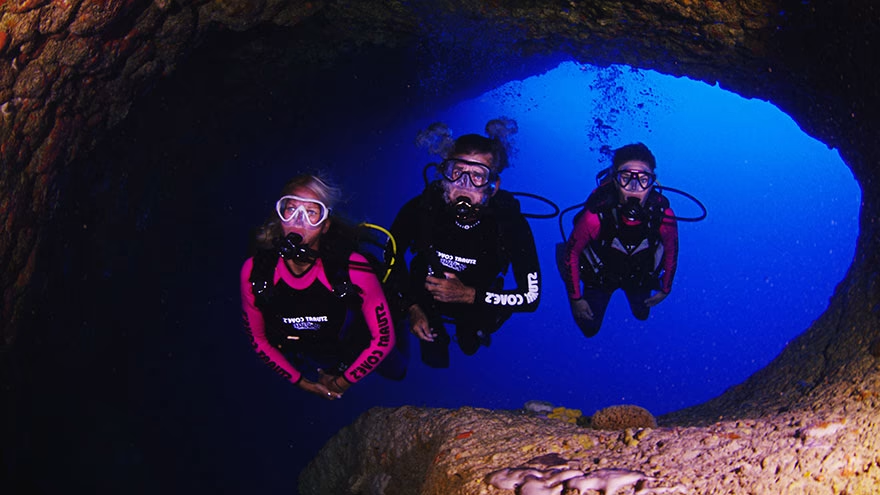
Choose a Dive Destination by Fit
Top scuba diving destinations are not top for the same reason. Some are famous for coral, some for wrecks, some for sharks, some for shore diving, and some for remote liveaboard routes. The right choice depends on your certification, comfort, budget, season, and travel style.
A new diver and a current-loving advanced diver should not chase the same trip. A family with one snorkeler should plan differently from a group of photographers. Start with the kind of diving you want, then choose the destination.
The best dive trip is the one that matches the diver in the water.
Raja Ampat, Indonesia
Raja Ampat is often discussed as one of the richest coral and fish regions on earth. It attracts divers who want dense reef life, manta possibilities, and remote island scenery. It also asks for more planning than a simple resort trip.
Consider travel time, liveaboard versus resort, currents, marine park rules, and whether everyone in the group is comfortable with boat-based diving. This is not a destination to book casually because a photo looked good.
For another remote-site planning example, Livecub's Spiral Jetty guide shows why access details can shape the whole trip.
Galapagos Islands, Ecuador
The Galapagos are known for big-animal diving, including sharks, rays, sea lions, turtles, and cold-water influence. Many of the most famous dives are better suited to experienced divers because current, surge, cooler water, and negative entries may be part of the day.
Choose Galapagos when you want wild marine life more than warm, easy reef cruising. Ask operators about certification requirements, recent dive experience, exposure protection, and the season for the animals you care about most.
Big-animal diving often rewards patience more than comfort.
Great Barrier Reef, Australia
The Great Barrier Reef offers many styles of travel, from day boats to liveaboards and outer-reef trips. It can work for new divers, snorkelers, and experienced divers when the trip is matched to the site and operator.
Do not treat the reef as one single experience. Distance from shore, reef section, boat type, and weather can change the day. Look for operators who explain site selection, reef protection rules, and what conditions are likely during your travel month.
Bonaire, Caribbean Netherlands
Bonaire is famous for shore diving, which gives certified divers unusual freedom to plan multiple easy entries from marked sites. It can be a strong choice for divers who like independence, photography, and repetition without a boat schedule every day.
Shore diving still requires discipline. Watch entries, exits, surge, navigation, air use, and traffic when driving between sites. A rental truck and unlimited tank plan are useful only if divers stay rested and honest.
Easy access does not replace dive judgment.
Red Sea, Egypt
The Red Sea is popular for clear water, reefs, walls, wrecks, and liveaboard options. It can suit newer divers on resort reefs and experienced divers on more demanding routes, depending on the area and operator.
Check water temperature, wind, boat schedule, and whether the trip focuses on reefs, wrecks, or offshore sites. Divers interested in wreck history should ask about depth, penetration rules, and whether the dives require advanced certification.
Cozumel, Mexico
Cozumel is known for drift diving, reef formations, and relatively easy access from North America. It can be fantastic for divers who are comfortable letting the current move them while staying close to the guide.
Drift diving is not hard when taught well, but it can feel strange to divers used to swimming back to an anchor line. Ask about surface marker buoys, pickup procedures, current strength, and whether the first dive can be a moderate site.
Livecub's cruise line smoke stack guide may interest travelers who combine Caribbean diving with port days and ship watching.
Maldives
The Maldives can offer manta rays, whale shark possibilities, channels, reefs, and liveaboard routes. It is also seasonal. Currents, visibility, and animal encounters can change with atoll, monsoon pattern, and operator choices.
Plan the trip around the experience you want. If manta cleaning stations are the goal, research timing. If relaxed resort diving is the goal, choose an island with suitable house reef or easy boat sites.
Palau
Palau is known for walls, channels, blue-water scenery, marine protection, and sites that can challenge divers with current. It appeals to experienced divers who want a mix of reef health, big fish, and strong site identity.
Ask about reef hooks, current protocols, permits, and operator briefings. If you are not current as a diver, refresh skills before traveling. Palau is not the place to fake comfort in current.
Chuuk Lagoon, Micronesia
Chuuk Lagoon is one of the great wreck destinations, with World War II wrecks that attract history-minded divers. Many sites are deeper or more technical than casual reef dives, so planning should be conservative.
Wreck diving can involve depth, silt, sharp metal, overhead temptation, and emotional weight. Choose guides and training carefully. Many divers can enjoy exterior wreck views without entering anything.
Respect for the site matters as much as excitement.
Safety and Operator Questions
Divers Alert Network's travel know-how guidance recommends asking operators about safety protocols, emergency action planning, fitness demands, refresher options, and the type of diving in the area. Those questions are useful for every destination on this list.
Ask about chamber access, weather cancellation, rental gear, guide ratios, oxygen on board, current, maximum depth, and no-fly timing. A destination becomes better when the operator can answer calmly and clearly.
For land-based route planning, Livecub's Skyline Drive waterfalls guide shows the same travel lesson: good days come from matching route, conditions, and group energy.
Season Matters More Than Rankings
A destination can be world-class and still be wrong for your travel week. Manta seasons, whale shark windows, trade winds, rainy seasons, plankton blooms, liveaboard routes, and local holidays can all change the trip.
Do not book a destination because it appears on every list. Book the month, region, and operator that match the experience you want. If the main animal encounter is seasonal, ask what happens when the animals do not appear.
A ranked list cannot replace a season check.
Plan for Health, Travel, and No-Fly Time
DAN's dive trip planning guide is a useful reminder that dive travel includes health, emergency, and logistics questions. That includes fitness, medication, travel insurance, local medical care, and time between diving and flying.
Build the itinerary so the final day is not packed with deep or repetitive dives right before a flight. Leave room for weather cancellations, tired divers, and one non-diving day that still feels like vacation.
Reef Care Belongs in the Choice
Choose operators that brief divers on buoyancy, wildlife distance, reef-safe behavior, and local rules. The prettiest destinations are often the ones most damaged by careless fins, touching, and camera chasing.
If a diver cannot hold position without grabbing coral, that diver needs an easier site or more practice. Good destination choice protects the reef and makes the dive less stressful.
Budget Beyond the Dive Package
Compare the full trip, not only the advertised dive rate. Remote destinations may need domestic flights, park fees, fuel surcharges, gear fees, nitrox, transfers, tips, and travel insurance. A cheap package can become expensive after the required extras appear.
Also compare how many dives you can realistically do. A higher-priced liveaboard with four dives a day may cost less per dive than a resort where boat dives, transfers, and meals are all separate.
How to Choose Your Shortlist
Pick three destinations, then compare season, flight length, total cost, skill demands, non-diver activities, and weather risk. Remove any place that depends on skills you do not currently have. Training can be part of the plan, but wishful thinking should not be.
If the group includes snorkelers, children, or non-divers, choose a destination with strong surface activities. A trip that works only for the divers can strain the rest of the vacation.
Frequently Asked Questions
What is the best scuba destination for beginners?
Bonaire, some Great Barrier Reef trips, and calm resort reef destinations can work well. Match the operator and site to current skill level.
Where should advanced divers go?
Galapagos, Palau, Chuuk Lagoon, and some Maldives or Red Sea routes can suit advanced divers when training and conditions match.
Should I choose a liveaboard or resort?
Choose a liveaboard for more remote diving and repeated boat dives. Choose a resort when you want flexibility, rest days, and non-diver options.
How do I avoid choosing the wrong destination?
Compare season, depth, current, travel time, operator safety, and recent dive experience before booking.

Cashie Evans
Covers parenting and practical household topics with clear steps, safety notes and links to current guidance.




Leave a reply
Replying to