
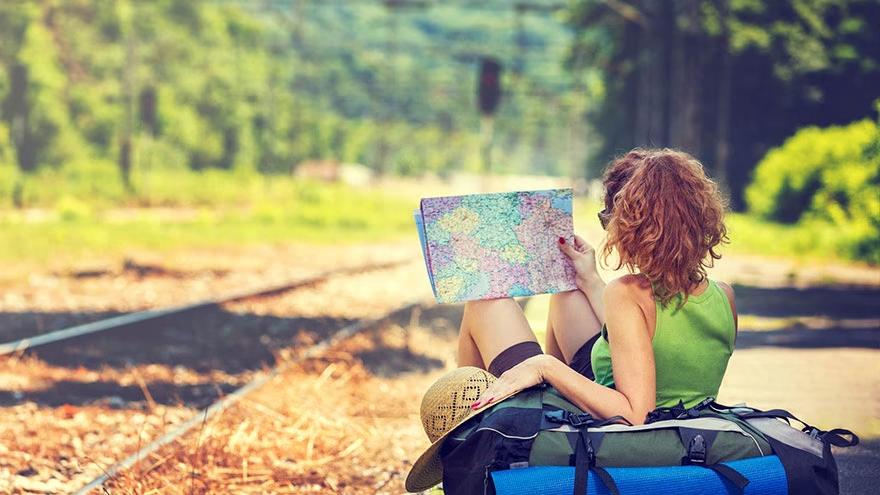
Solo Travel Works Best When You Make Connection Easy
5 Ways to Make Friends When Traveling Alone should not pretend every solo traveler wants constant company. Some people travel alone because they like independence.
The trick is giving yourself easy, safe ways to meet people when you want company, without feeling trapped in someone else's plans.
Good solo travel protects both freedom and connection.
Choose Accommodation With Shared Space
Hostels are the obvious choice, but they are not the only option. Guesthouses, small hotels, surf lodges, retreat centers, and boutique stays with common rooms can make conversation easier.
Read reviews from solo travelers. Look for common areas, walking tours, family dinners, lockers, 24-hour reception, social events, and safe transport access.
For gear and walking comfort, Livecub's walking sticks guide is a reminder that the basics affect how much energy you have for meeting people.
Join Small Group Activities
Walking tours, food tours, cooking classes, boat trips, museum tours, language exchanges, and short hikes give you a shared topic before small talk begins.
Smartraveller's solo travel safety tips advise planning accommodation, transport, mental health support, and sharing plans with someone trusted.
Small group plans create structure without demanding instant friendship.
Use Food as a Natural Opener
Food makes conversation easier because it gives people something low-pressure to discuss. A market snack, hostel dinner, cooking class, cafe table, or street food stop can open a simple exchange.
Offer only packaged or clearly shared food when appropriate. Do not pressure strangers to eat something from you, and be mindful of allergies and comfort levels.
Talk to People Who Seem Open, Not Trapped
Someone reading with headphones may want quiet. Someone sitting in a common room looking around may be more open.
Try simple lines: "Have you been here long?" "Did you do any good tours today?" or "I am thinking of visiting this museum tomorrow; have you gone yet?"
A good invitation gives the other person an easy way to say no.
Share Plans, Not Pressure
Instead of asking someone to commit to your whole day, offer a small plan: one museum, one coffee, one walk, one market, or one train ride.
Short plans are easier to accept and easier to end kindly. Many travel friendships work because neither person feels trapped.
Use Travel Apps and Local Groups Carefully
Social travel apps, local event listings, language exchanges, and hobby groups can help, especially outside hostel culture. Check recent activity, reviews, location, and whether the event is public.
Meet in public first and keep your own transport. Do not share lodging details with someone you just met.
Stay in Social Neighborhoods
Location affects how easy it is to meet people. A safe, walkable area near cafes, tours, transit, or a hostel district gives you more low-pressure chances to talk.
Remote accommodation can be peaceful, but it may make every social plan depend on taxis or long walks back alone.
Take Classes That Attract Other Travelers
Cooking classes, surf lessons, dance classes, craft workshops, language sessions, and photography walks often attract people who are already open to conversation.
The shared activity removes some pressure. You can talk about what you are doing instead of trying to create small talk from nothing.
Keep Safety in the Background
The U.S. State Department's crime prevention tips abroad advise travelers to stay informed and alert in public spaces.
Connection is good, but safety still matters. Tell someone your plans, keep valuables secure, avoid leaving drinks unattended, and trust the feeling that a situation is moving too fast.
For outdoor planning when conditions matter, Livecub's Skyline Drive waterfalls guide shows how a simple day plan still benefits from preparation.
Make Friends With Staff Without Overloading Them
Front desk staff, guides, cafe workers, and hostel hosts can offer useful local advice. They may also know which tours or neighborhoods suit solo travelers.
Be friendly, but remember they are working. Ask concise questions and respect their time.
Set Boundaries Early
Travel friendships can move quickly because people share intense days. That does not mean you owe anyone your full schedule, phone number, room number, money, or next destination.
Use clear language: "I am going to do this next part alone" or "I am heading back now." You do not need a long excuse.
Use Day Trips as a Social Shortcut
Small day trips can be easier than meeting people cold in a restaurant. A van ride, guide, shared lunch stop, and return time create natural moments to talk.
Choose reputable operators and read recent reviews. A cheap trip is not worth feeling stranded or unsafe.
Be the Person Who Makes a Simple Plan
Many travelers want company but hesitate to organize anything. Suggest one clear plan: "I am going to the night market at six if anyone wants to join."
Keep it casual. If nobody comes, you still have a plan you wanted to do.
Let Some Connections Stay Short
Not every travel friendship needs to become permanent. A good lunch, shared bus ride, museum hour, or sunset walk can be enough.
Letting small connections be small makes solo travel feel lighter. You can enjoy people without building obligations.
Exchange Contacts Only When It Feels Natural
Some travel friendships are worth keeping. Others belong to the day. Exchange contacts when both people seem interested, not because the moment feels awkward.
Use a social handle or messaging app if you prefer not to share your main phone number.
Protect Your Solo Time
Meeting people can be rewarding, but solitude is part of the reason many people travel alone. Keep some meals, walks, or mornings for yourself.
This makes social time feel chosen rather than required.
Solo time is not a failure to make friends.
Choose Common Tables When You Want Conversation
Some cafes, hostels, food halls, and guesthouses have tables where solo travelers naturally sit near others. Sitting there signals openness without forcing anyone to talk.
If conversation starts, keep it light at first: plans for the day, local food, museums, hikes, or transport tips.
Join Volunteer or Community Events Carefully
Short volunteer events, cleanups, community classes, and local meetups can create thoughtful connections, but they should be researched carefully.
Avoid organizations that seem exploitative or unsafe. Choose events that clearly explain location, leadership, expectations, and cost.
Learn When to Leave a Group
A group can be friendly and still not fit your pace, budget, or comfort level. It is fine to split off after lunch, skip the next stop, or choose an early night.
Say it simply and kindly. You do not need to justify every solo choice.
Keep Money Separate From New Friendships
Travel friendships can become awkward when money is vague. Pay your share clearly, avoid lending large amounts, and discuss costs before joining a shared taxi or tour.
Clear money habits protect the relationship and your budget.
Use Repeat Places
Returning to the same cafe, guesthouse breakfast table, coworking space, or walking route can make conversation easier. Staff and other travelers start to recognize you.
Familiar places also help you feel anchored when the rest of the trip is new.
Familiarity can make a solo city feel less anonymous.
Have a Backup Plan for Lonely Days
Solo travel can still feel lonely. Penn State's travel safety tips emphasize remaining alert in public spaces, and a practical personal plan helps too.
Keep a list of easy solo activities: museum, bookstore, park, food market, laundry, journaling, video call home, or early night. A lonely day does not mean the trip is failing.
For travel that involves remote planning, Livecub's Spiral Jetty guide is a reminder that independence works better with preparation.
A planned quiet day can keep you from attaching yourself to the wrong group only because you feel tired or lonely.
Frequently Asked Questions
How do solo travelers make friends?
They often meet people through hostels, walking tours, classes, common rooms, food events, local groups, and short shared plans.
Is it safe to make friends while traveling alone?
It can be, if you meet publicly, keep your own transport, protect personal details, tell someone your plans, and trust your instincts.
What if I am shy?
Choose structured activities such as tours or classes. Shared tasks make conversation easier than walking up cold to a stranger.
Should I share my accommodation details?
Not with someone you just met. Meet in public and keep lodging details private until trust is stronger.

Linda Fehrman
Edits general wellness and relationship explainers. Health material is educational, avoids diagnosis and links to health-authority guidance.



Leave a reply
Replying to