
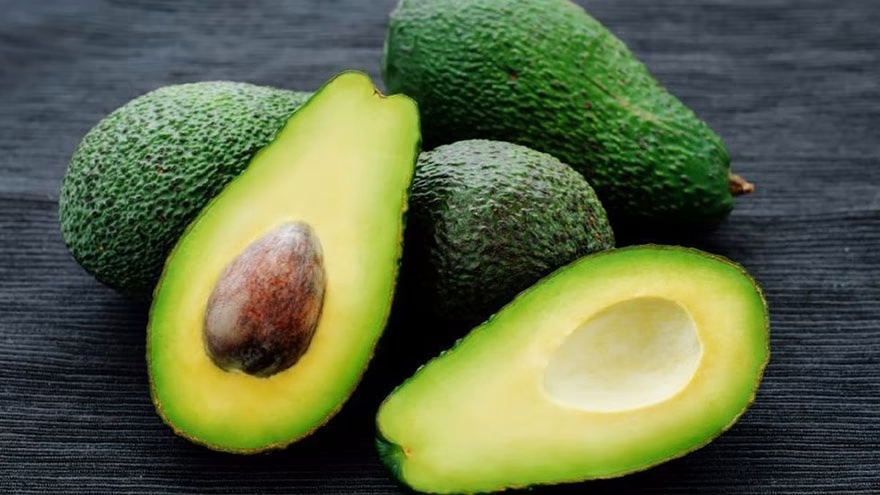
Avocados Are Simple Until Timing Gets Involved
A guide to buying and cooking avocados is really a guide to timing. Buy them too hard and dinner waits. Buy them too soft and you get bruised flesh, brown spots, and a narrow window before waste.
Avocados are usually eaten raw or gently warmed, so texture matters more than complicated cooking. The best avocado is ripe when you need it and handled cleanly before the knife goes in.
Avocado success starts at the store.
Choose by When You Plan to Use Them
For today, choose an avocado that yields slightly to gentle pressure without feeling hollow, mushy, or dented. For two or three days from now, buy firmer fruit and let it ripen at room temperature.
Do not squeeze hard with fingertips. That bruises the fruit. Hold it in your palm and apply gentle pressure.
Buying avocados is easier when you shop by date, not hope.
Buy Several Ripeness Stages
If you eat avocados through the week, buy a mix. Choose one ripe fruit for today, one almost-ripe fruit for tomorrow, and a couple of firm ones for later.
This staggered approach reduces waste. A bag of identical ripe avocados can turn into a race you did not mean to enter.
Staggered ripeness is the easiest avocado plan.
Understand Ripeness
Hass avocados often darken as they ripen, but color alone can mislead. Feel is more useful. A ripe avocado gives a little and still feels full.
An underripe avocado is firm and hard to mash. An overripe avocado feels very soft, may have sunken spots, and often shows brown or stringy flesh inside.
UC Davis Postharvest Center's avocado storage information notes different temperature needs for mature-green and ripe avocados, which helps explain why timing and storage change the fruit.
Ripen on the Counter, Refrigerate When Ripe
Firm avocados should ripen at room temperature. If you want to slow a ripe avocado, move it to the refrigerator. Cold storage helps hold ripe fruit longer, but it is not a cure for an already damaged avocado.
Do not store cut avocado in water. Use an airtight container, cover the surface, and add lemon or lime juice if the flavor fits. Air exposure is what browns the cut side.
The refrigerator slows ripeness; it does not reverse it.
Handle Cut Avocado Quickly
Once cut, avocado begins to brown because the flesh meets air. Leave the pit in the unused half if it helps cover surface area, add citrus, and press wrap or a lid close to the flesh.
Use cut avocado soon. If the top browns lightly, scrape off the discolored layer if the rest smells and tastes fine. Discard anything moldy, sour, or slimy.
Air is the main enemy after the knife goes in.
Wash Before Cutting
The FDA's produce safety guidance says produce should be washed under running water before preparing or eating, and soap or detergent is not recommended. That applies even when the peel is not eaten.
Rinse the avocado, rub the skin, dry it, then cut with a clean knife. This reduces the chance of moving surface dirt into the flesh.
Wash first, slice second.
Cut and Pit Safely
Cut lengthwise around the pit, twist the halves apart, and remove the pit carefully. Avoid dramatic knife strikes if you are not practiced; many avocado injuries happen when people rush.
Use a spoon to lift the flesh from the skin, or score the flesh while it is still in the peel and scoop it out. Keep your hand out of the knife path.
For salad prep, slice just before serving so the pieces stay green and clean-looking.
Use Avocado Raw
Raw avocado works in guacamole, toast, tacos, grain bowls, salads, sandwiches, omelets, sushi-style bowls, and chilled sauces. Its richness pairs well with acid, salt, herbs, chili, tomatoes, onions, beans, eggs, and seafood.
Livecub's stir-fry sauces guide can help with flavor balance when avocado is used as a cool topping for a hot bowl.
Avocado needs acid and salt more than it needs fuss.
Make Better Guacamole
Start with ripe avocados, salt, lime juice, and a fork. Mash lightly if you like texture, or smoother if you want a dip. Add onion, cilantro, jalapeno, tomato, garlic, cumin, or hot sauce only if they improve the bowl.
Taste before adding too much. Flat guacamole usually needs salt or lime, not ten more ingredients.
Press wrap directly on the surface or store airtight to slow browning.
Build Better Avocado Toast
Toast needs contrast. Use sturdy bread, enough salt, a little acid, and a topping with texture. Try radish, cucumber, tomato, chili flakes, seeds, herbs, egg, beans, or pickled onion.
Mash the avocado separately before spreading if the bread is delicate. Slicing directly on toast can crush the bread and make the plate messy.
Avocado toast works best when it has crunch and brightness.
Cook With Gentle Heat
Avocado can be warmed, but high heat can make it bitter or mushy. Add slices to tacos, eggs, grain bowls, and soups after cooking. Use avocado in sauces, dressings, and spreads where its texture helps.
For a green meal, Livecub's guide to cooking greens can pair with avocado in bowls, toast, and salads.
Most avocado dishes are assembled more than cooked.
Freeze Only for Blended Uses
Frozen avocado loses some fresh texture, but it can work for smoothies, sauces, dressings, and mashed spreads. Freeze ripe avocado in chunks or mash with a little lemon or lime juice, then pack airtight.
Do not expect thawed avocado to behave like fresh slices. Use it where smoothness matters more than shape.
Livecub's fresh vegetable freezing guide is useful for thinking about texture changes after freezing produce.
Avoid Common Avocado Mistakes
Do not buy all avocados at the same ripeness unless you plan to use them all at once. Do not refrigerate hard fruit and expect quick ripening. Do not leave cut avocado uncovered and hope it stays green.
If you cut one too early, dice it small and use it in a dressed salad where firmness is less obvious. If one is too ripe but still smells fine, mash it for toast or sauce.
Use Avocado Beyond Guacamole
Blend ripe avocado into a creamy dressing with lime, herbs, water, and salt. Mash it into egg salad. Cube it for grain bowls. Slice it for bean tacos. Use it to soften a spicy dish.
Avocado can also help a vegetarian plate feel more satisfying because it adds fat and richness. Pair it with beans, greens, grains, and acid so the plate does not feel heavy.
Livecub's tiramisu guide belongs to dessert, but it is a useful contrast: avocado usually shines in fresh savory dishes rather than sweet courses.
Use Avocado in Salads and Bowls
Avocado works best in salads when the other ingredients bring crunch or sharpness. Try cabbage, radish, cucumber, onion, citrus, toasted seeds, beans, or grilled corn.
For bowls, add avocado last so it stays clean-looking. A squeeze of lime, a pinch of salt, and a spoonful of sauce can make a simple rice bowl feel finished.
Add avocado near the end so it keeps its shape.
Do Not Overstate the Health Angle
Avocados contain fat, fiber, and several nutrients, but they are still one ingredient in a whole diet. Treat them as a satisfying food, not a cure or magic upgrade.
Portion size depends on the meal. A few slices may be enough for toast, while half an avocado may fit a larger bowl.
Use Avocados in Real Meals
Avocado can make simple food feel more complete. Add it to black beans and rice, eggs and toast, chicken soup, cabbage slaw, roasted vegetables, or a sandwich.
For a savory plate, Livecub's easy Yugoslavian chicken recipe could take a cool avocado side with lime and herbs.
Frequently Asked Questions
How can I tell if an avocado is ripe?
A ripe avocado yields slightly to gentle palm pressure but does not feel mushy, hollow, or dented.
Should avocados be refrigerated?
Firm avocados should ripen at room temperature. Ripe avocados can be refrigerated to slow further softening.
Do I need to wash an avocado before cutting?
Yes. Rinse the outside under running water and dry it before cutting so surface dirt is less likely to reach the flesh.
Can avocados be cooked?
They can be gently warmed or added after cooking, but high heat can hurt texture and flavor. Most uses are raw or assembled.

Cashie Evans
Covers parenting and practical household topics with clear steps, safety notes and links to current guidance.




Leave a reply
Replying to