
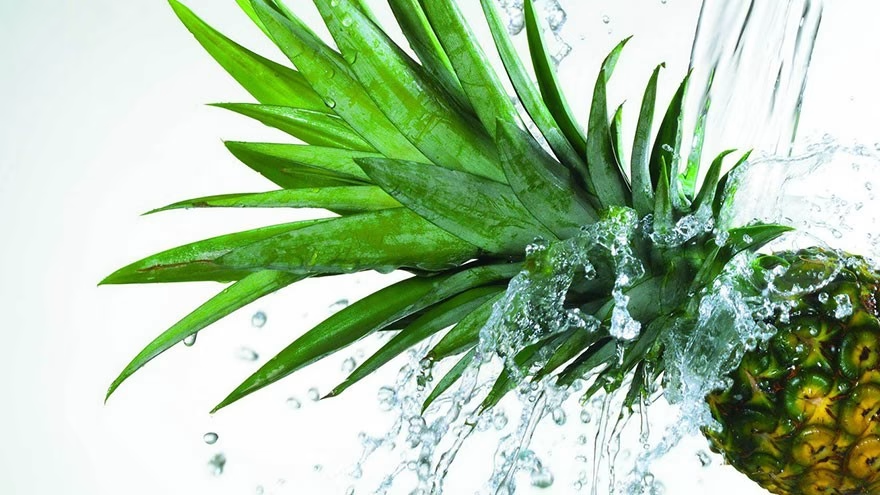
A guide to buying and cooking pineapples should make the fruit less intimidating. Pineapple looks rough, but the good parts are simple: choose fruit that smells fresh, feels heavy, and shows no leaking, mold, or fermented odor; cut it with a stable board and sharp knife; refrigerate cut fruit; and match the preparation to the fruit. Pineapple can go sweet, sour, smoky, spicy, or savory. It belongs in desserts, salads, salsas, glazes, stir fries, grilled sides, and breakfast bowls when it is handled cleanly.
How do you choose a pineapple?
Look for a pineapple that feels heavy for its size, has fresh-looking leaves, and smells sweet near the base without smelling like alcohol. A little green on the outside is not automatic failure. Color can vary by variety and handling.
The old leaf-pull test is not reliable enough to choose by itself. A leaf may come loose for reasons that have little to do with sweetness. Weight, smell, firmness, and absence of damage are better everyday clues.
Trust several signs together. A pineapple that is heavy, fragrant, and sound is a better bet than one chosen by color alone.
Does pineapple ripen after picking?
Pineapple does not become sweeter after harvest in the same way a banana can. It may soften or change color on the counter, but that does not mean the internal sugar is increasing. That is why buying well matters.
FDA's general produce safety guidance also reminds shoppers to separate fresh produce from raw meat, poultry, and seafood in the cart and at home. Choosing a good pineapple is only the first step; keeping it clean matters too.
Do not wait for magic. If the pineapple is already good, use it soon. If it is sharp, plan to grill, roast, or cook it with sugar, fat, or spice.
How to cut a pineapple safely
Wash the outside first, even though you will not eat the peel. The knife passes through the skin into the flesh, so the surface should be clean. Set the pineapple on a stable board, cut off the top and bottom, stand it upright, and slice away the peel following the curve.
Remove any remaining eyes with a small knife. For rings, core the center and slice across. For chunks, quarter the peeled fruit lengthwise, cut away the core, and cut the flesh into pieces.
Stability prevents slips. Cutting off the top and bottom gives the pineapple a flat base so the knife does not fight the fruit.
Store whole and cut pineapple
Whole pineapple is best used soon, especially if it is already fragrant. Once cut, pineapple is perishable. CDC says cut fruit should be refrigerated within 2 hours, or within 1 hour if exposed to temperatures above 90 degrees F, on its food safety page.
Keep cut pineapple in a covered container in the refrigerator. If it smells fizzy, fermented, or alcoholic, discard it. Do not leave a fruit tray on the counter all afternoon and then pack it away for another day.
Cut fruit needs cold. Treat it like any other prepared food, not like a whole fruit sitting in a bowl.
Cook pineapple in savory dishes
Pineapple works with pork, chicken, duck, shrimp, rice, beans, cabbage, chile, ginger, soy sauce, lime, mint, and cilantro. Its acidity and sweetness can balance salty or fatty foods, but it can overwhelm a dish if used heavily.
For sauce-driven meals, pineapple fits naturally with ideas like stir fry sauces. Add pineapple near the end if you want pieces to stay distinct, or cook it longer if you want it to melt into a glaze.
A small pineapple salsa can also cut richness in meals such as cooking goose. Use lime, chile, and herbs so the fruit tastes bright rather than candy-sweet.
Use pineapple in desserts
Pineapple can be grilled with brown sugar, folded into fruit salad, roasted with butter, layered with cream, or served with cake. It can also sit beside richer desserts when you want acidity and freshness.
If the table already includes a creamy dessert like the perfect tiramisu, pineapple is best served simply. A small bowl of chilled chunks or grilled wedges gives contrast without adding another heavy sweet.
Sweet pineapple still needs balance. Salt, lime, yogurt, cream, caramel, chile, or herbs can keep dessert from tasting flat.
Freeze extra pineapple
Freeze pineapple chunks in a single layer on a tray, then move them to a freezer bag. Frozen pineapple is good for smoothies, sauces, grilling after thawing, and quick fruit compotes. The texture softens, so it is less ideal for raw fruit salads.
The freezer habit is similar to freezing fresh vegetables: freeze in the form you will use later. Chunks, crushed fruit, and puree all serve different jobs.
Label the shape. A bag marked "pineapple chunks" is easier to use than a mystery block of frozen fruit.
Use the core instead of wasting it
The pineapple core is tougher than the surrounding flesh, but it still has flavor. Slice it thin for smoothies, simmer it with water and sugar for syrup, or add it to a marinade and strain before serving.
If the core is woody, do not force it into a raw fruit bowl. Save it for blended or cooked uses where texture is less noticeable. A tough core can still make a good syrup for drinks or fruit salad.
Texture decides the job. Tender pieces belong on the plate, while firm pieces can flavor liquid or sauce.
Pair pineapple with heat and acid
Pineapple is already acidic, but lime, vinegar, or tamarind can make it taste cleaner in savory dishes. Chile, ginger, black pepper, and garlic help keep the fruit from feeling too sweet.
For grilled pineapple, brush lightly with oil and cook until the edges char. Finish with salt and lime instead of piling on sugar. The goal is caramelized fruit that can sit beside dinner, not only dessert.
Contrast makes pineapple useful. Sweetness works better when salt, heat, or acid gives it direction.
Make pineapple prep easier
If cutting a whole pineapple feels like too much work on a weeknight, cut it once and store portions for specific uses. Keep some chunks for snacks, some smaller pieces for salsa, and some scraps for syrup or smoothies.
Do not store cut pineapple in an open bowl. Covered containers protect aroma, reduce drying, and keep the refrigerator cleaner.
Prep with a plan. Pineapple gets used faster when each container already has a job.
Use pineapple in breakfast and snacks
Pineapple is useful beyond dinner. Add small pieces to yogurt, cottage cheese, oatmeal, chia pudding, fruit salad, or smoothies. For a snack plate, pair it with nuts, cheese, or plain yogurt so the sweetness has something to lean on.
If the fruit tastes very sharp, roast or grill it before using it in breakfast bowls. Heat softens the bite and makes the fruit taste rounder. Chilled grilled pineapple can be excellent the next morning.
For children, cut pieces small enough to chew comfortably and remove the core if it is tough. Pineapple's fibers can be stringy, so neat cutting helps.
Watch pineapple with gelatin and dairy
Fresh pineapple contains enzymes that can affect gelatin and some dairy textures. If you are making a gelatin dessert, use a tested recipe or cooked/canned pineapple when required. For yogurt or cream, add pineapple close to serving.
This does not mean pineapple is difficult. It only means raw pineapple behaves differently from berries or apples. When texture matters, test a small portion before making a large dessert for guests.
Small tests save ingredients. Pineapple has strong flavor, and one wrong texture can change the whole dish.
Frequently Asked Questions
Can I ripen a pineapple at home?
You can soften it, but it will not become meaningfully sweeter after harvest. Buy the best pineapple you can and use it soon.
Should pineapple be refrigerated?
Whole pineapple can sit briefly if sound, but cut pineapple should be refrigerated promptly in a covered container.
Can pineapple be cooked with meat?
Yes. It pairs well with salty and fatty meats, but add it thoughtfully so sweetness does not take over.
Can I eat the core?
The core is edible but firm. It can be chopped for smoothies, simmered for syrup, or discarded if too tough.
Pineapple is easiest when you buy carefully, cut safely, chill cut fruit, and choose the preparation that fits the fruit's sweetness and texture.

Cashie Evans
Covers parenting and practical household topics with clear steps, safety notes and links to current guidance.




Leave a reply
Replying to