
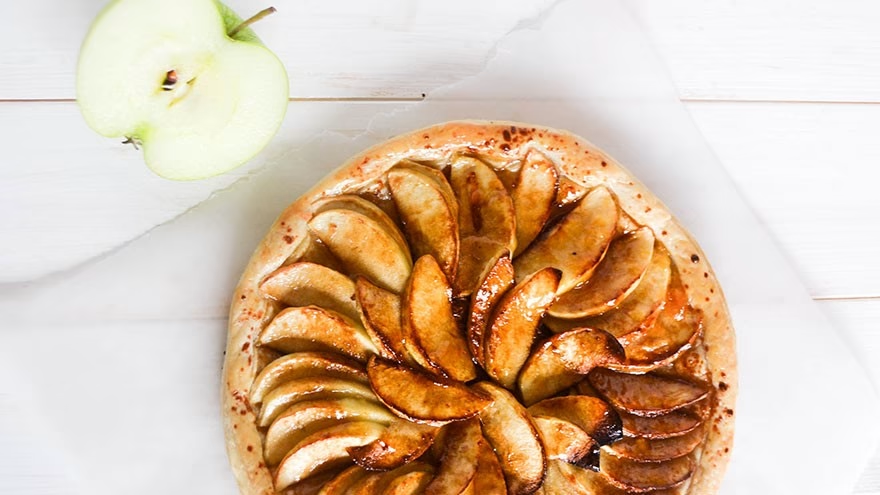
A Simple Apple Dessert With Normandy Spirit
Apples from the Normandy is a warm fruit dessert built around apples, butter, sugar, Calvados or cider, and walnuts. It is rustic, quick, and better when the apples keep some shape.
Normandy is known for apples and apple spirits, but this home version does not need to pretend to be a restaurant dish. The point is tender fruit, a glossy pan sauce, and a little crunch.
Use good apples and do not rush the pan.
Choose Apples That Hold Shape
Use firm apples with enough tartness to balance sugar and butter. Granny Smith, Pink Lady, Braeburn, Honeycrisp, Jonagold, or a mix of tart and sweet apples can work.
Avoid mealy apples for this recipe. They collapse before the sauce comes together. If your apples are very sweet, reduce the sugar and add more lemon.
The apple texture decides the dessert.
Store Apples Well Before Cooking
The USDA SNAP-Ed seasonal produce guide reminds cooks that seasonal produce varies by area, and apples are a familiar fruit worth using well.
Keep apples cool until you are ready to cook. Bruised apples can be trimmed, but deeply soft or moldy fruit should be discarded.
For another dessert presentation direction, Livecub's cookie display guide is very different, but it shows why dessert texture and serving flow matter.
Ingredients
For four servings, use three firm apples, two tablespoons butter, two to three tablespoons sugar, a pinch of salt, a squeeze of lemon, a small splash of Calvados or apple cider, and a handful of chopped walnuts.
If you do not use alcohol, choose apple cider. If you use Calvados, keep the amount modest so the apple flavor stays in front.
The ingredient list is short, so balance matters.
About Calvados and Cider
Calvados is an apple brandy associated with Normandy, and it brings a stronger aroma than cider. Use it sparingly. The dessert should taste like apples first.
Apple cider is the practical substitute. It keeps the pan sauce fruity and makes the recipe easier for households that avoid alcohol.
The pan needs apple flavor, not a heavy pour.
Prepare the Apples
Wash the apples, peel them if you prefer, then core and cut into wedges or thick slices. Keep the pieces similar in size so they cook evenly.
The FDA's produce safety guidance recommends washing produce under running water before preparing it. Dry the apples so they saute rather than steam.
If cutting ahead, toss lightly with lemon juice to slow browning.
Cook the Apples Gently
Melt butter in a wide skillet over medium heat. Add apples, sugar, and a pinch of salt. Cook without crowding, turning gently as the edges soften and the sugar begins to melt.
Let the apples take on light color. Do not stir so hard that the slices break. If the pan gets dry, lower the heat and add a spoonful of cider.
Gentle turning keeps the fruit elegant.
Use a Wide Pan
A wide skillet lets apple slices cook in a single layer. If the pan is crowded, the apples steam, soften too quickly, and release more liquid than the sauce needs.
Cook in two batches if necessary. The first batch can rest on a plate while the second batch softens, then everything can return to the pan with the cider or Calvados.
Space in the pan protects the shape of the apples.
Add Calvados or Cider
When the apples are almost tender, add Calvados or cider. Let it bubble briefly and mix with the butter and sugar. The sauce should coat the apples lightly.
If cooking with alcohol, keep the pan away from open flame and use good ventilation. For a family-friendly version, cider gives apple flavor without the alcohol.
Do not drown the fruit. This is a pan sauce, not apple soup.
Toast the Walnuts
Walnuts taste better when lightly toasted. Toast them in a dry skillet or low oven until fragrant, then chop if needed. Add them near the end so they stay crisp.
Livecub's Mom's Best Fudge Icing is a richer dessert path, but this apple recipe gets its richness from butter, fruit, and nuts instead of heavy frosting.
Toasted walnuts give the soft apples needed contrast.
Adjust the Sauce
If the sauce is too thin, let it bubble for another minute before serving. If it gets too thick, add a spoonful of cider or water and swirl the pan.
If the dessert tastes flat, add a few drops of lemon juice and a pinch of salt. If it tastes sharp, add a little more butter or sugar.
Small adjustments matter more than extra ingredients.
Serve Warm
Serve Apples from the Normandy warm in shallow bowls. Add a spoonful of creme fraiche, whipped cream, vanilla ice cream, thick yogurt, or nothing at all.
For a dinner-party plate, spoon the apples over pound cake or crepes. For a simpler dessert, serve them alone with the pan sauce.
Livecub's Christmas cookie ornaments recipe can sit beside this dessert on a holiday table if you want something crisp and playful.
Make It Less Sweet or More Cozy
For a less sweet version, use more tart apples and less sugar. For a warmer version, add cinnamon, nutmeg, clove, or vanilla, but keep the spices light.
Normandy-style apple flavor should still taste like apples. Too much spice can push the dessert toward pie filling.
Make It for Guests
Prepare the apples shortly before serving if you want the best texture. You can wash, peel, core, and slice close to cooking time, then keep the ingredients measured beside the stove.
Serve in shallow bowls so the sauce stays with the fruit. Add cream or ice cream at the table if guests want it.
Livecub's Christmas cookie ornaments recipe can add a crisp holiday element if this dessert is part of a larger spread.
Store and Reheat
Store leftovers in a covered container in the refrigerator. Reheat gently in a skillet or microwave. Add a small splash of cider or water if the sauce tightens.
The apples will soften more after storage, so leftovers are best over oatmeal, pancakes, yogurt, or toast rather than as a neat plated dessert.
Avoid Mushy Apples
Mushy apples usually come from soft fruit, thin slices, crowded pans, or too much stirring. Cut thicker slices and stop cooking while the center still has a little body.
If the apples collapse anyway, turn them into a spoon dessert. Serve over yogurt, waffles, or cake and call it a compote-style version.
Scale the Recipe
For two servings, use one large apple or two small apples, a spoonful of butter, a little sugar, and a splash of cider. For a larger table, cook in batches rather than piling all the apples into one pan.
The sauce should coat the fruit lightly. If you double the apples, do not automatically double the liquid at first. Add more only if the pan needs it.
Scaling works best when the pan stays uncrowded.
Serve It Beyond Dessert
These apples can sit beside roast pork, crepes, pancakes, French toast, oatmeal, yogurt, or a cheese plate. Leave out some sugar if serving with savory food.
For a brunch table, cook the apples just before serving and keep the walnuts separate until the last minute. That keeps the nut texture crisp.
Common Variations
Add pears with the apples for a softer fruit mix. Use pecans if walnuts are not available. Add raisins or dried cranberries if you want a holiday feel.
For a brighter version, add lemon zest at the end. For a richer version, finish with a small spoonful of cream after the pan comes off the heat.
For a less formal version, spoon the apples over toast with yogurt the next morning.
Keep the walnuts separate until serving if you want them crisp.
Serve warm with small spoons.
Frequently Asked Questions
What apples are best for Apples from the Normandy?
Use firm apples that hold shape, such as Granny Smith, Pink Lady, Braeburn, Honeycrisp, Jonagold, or a tart-sweet mix.
Can I make this without Calvados?
Yes. Apple cider is the easiest substitute and keeps the dessert family-friendly.
Should the apples be peeled?
Peeling is optional. Peeled apples feel softer and more classic, while unpeeled apples bring color and texture.
Can this dessert be made ahead?
It is best fresh, but leftovers reheat well for breakfast or a casual dessert. Add a splash of cider if needed.

Alyssa Curlin
Edits general health, nutrition and education explainers. Medical topics are educational and link to public-health guidance.




Leave a reply
Replying to