
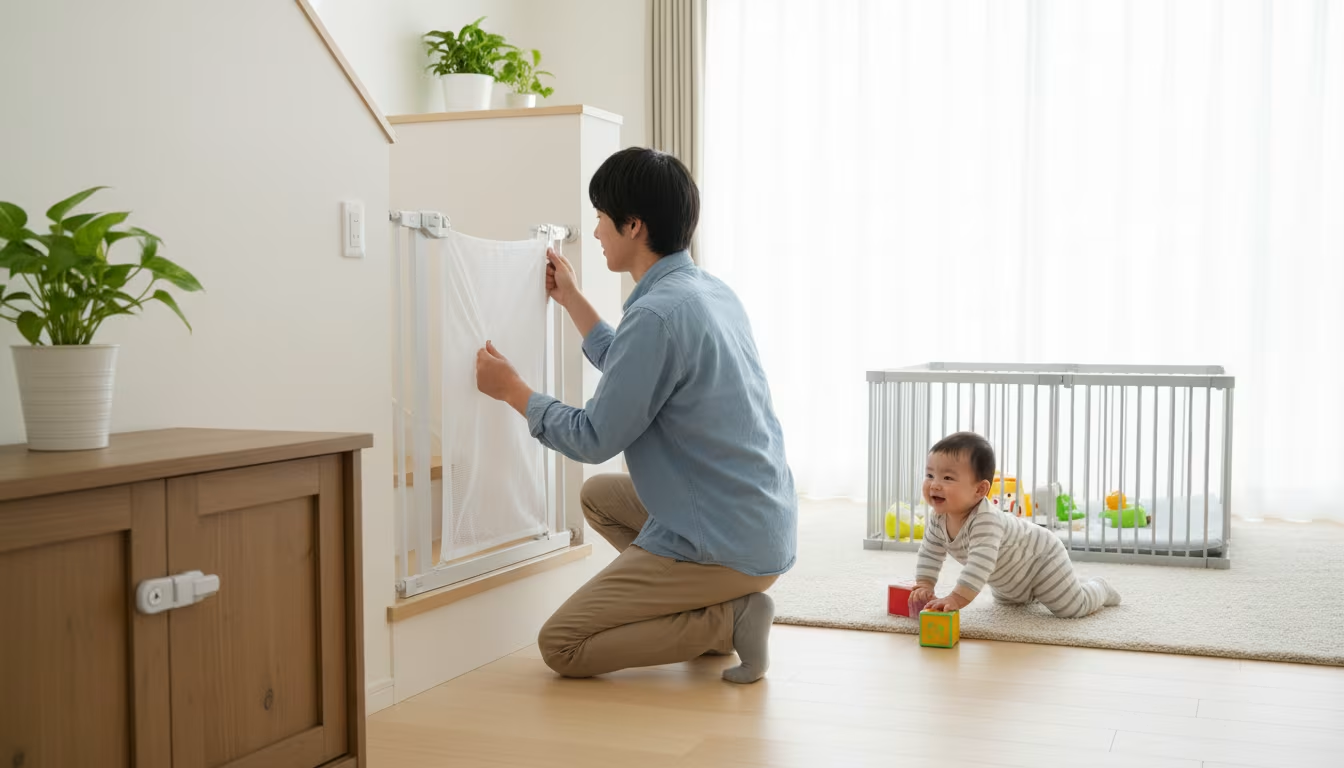
The moment a baby starts rolling, reaching, and pulling up, the house you thought you knew turns into a grid of new hazards. The problem is rarely carelessness. It is speed: babies gain skills faster than adults update their assumptions, and they test every shelf, cord, drawer, and corner without any sense of danger. Effective childproofing works in layers rather than single fixes, and it gets revisited every time your child unlocks a new move.
This is general child-safety information, not medical advice. Follow current product instructions, recall notices, and pediatric guidance. In the United States, call Poison Control at 1-800-222-1222 for a suspected poisoning, and call emergency services for urgent danger.
Get Down To Their Level
Start every check on your hands and knees. From crawling height you notice what you miss standing up: dangling cords, coins, button batteries, dropped pills, pet food, sharp corners, loose rug edges, low drawers, and reachable outlets. Do this sweep again at each stage, because a baby who only rolls today will be cruising along the furniture in a matter of weeks.
The American Academy of Pediatrics' HealthyChildren.org stresses the same idea: children keep changing, so safeguards should be reviewed often and matched to your child's current abilities rather than set once and forgotten.
Stairs, Gates, And Anchored Furniture
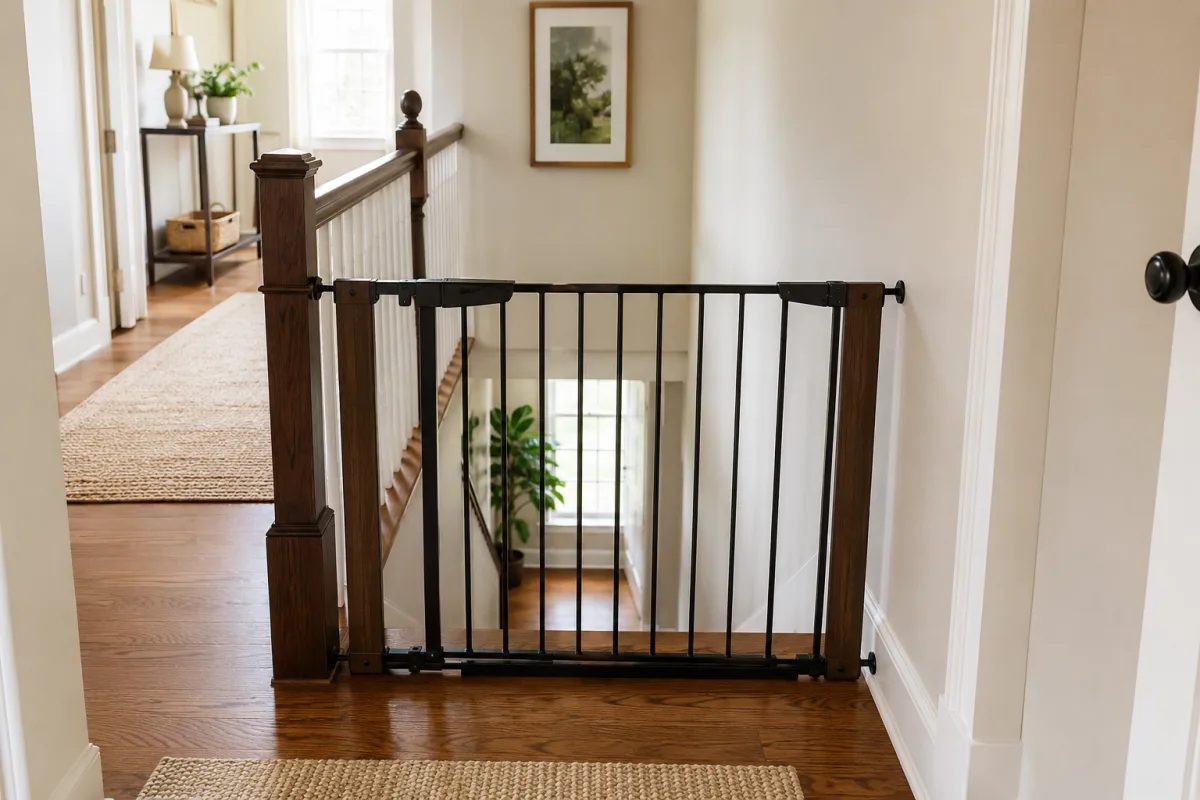
At the top of stairs, use a hardware-mounted gate screwed into the wall, not a pressure-mounted one that can pop loose under a determined toddler. Pressure gates are fine for some doorways and the bottom of a staircase, but they are the wrong choice where a fall would be worst. Keep steps clear of toys, laundry, and bags, and ask a professional about guards if railings have wide gaps that invite climbing.
Tip-overs are one of the most underestimated dangers in the home. Anchor dressers, bookshelves, changing tables, wardrobes, and televisions to the wall, because children climb open drawers like a ladder and a heavy piece can topple even when it feels rock-solid to an adult. The U.S. Consumer Product Safety Commission's CPSC has long warned that furniture, TVs, and ranges tipping over cause serious injuries, and that anchors or anti-tip brackets are the fix.
Kitchen, Bathroom, And Hot Zones
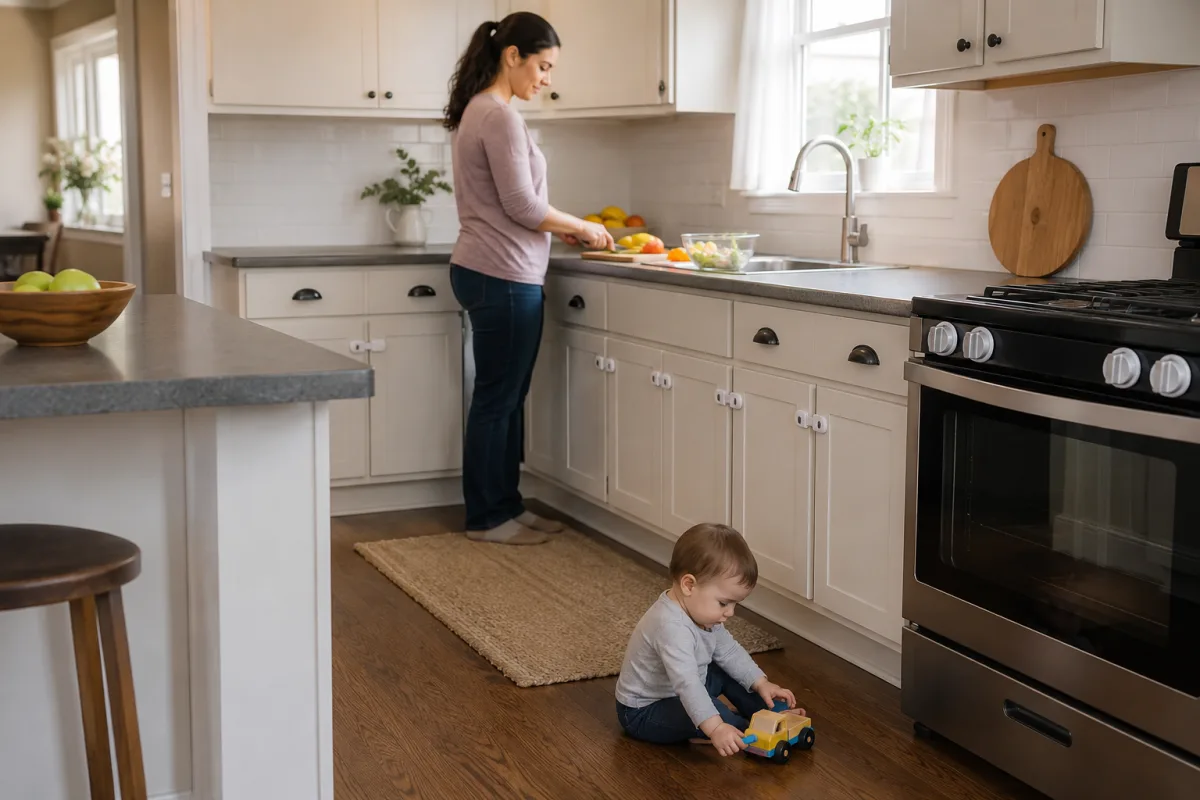
The kitchen rewards layering: cabinet and appliance locks, stove-knob covers where they fit, an anti-tip bracket on a free-standing range, hot drinks pushed back from counter edges, knives out of reach, and cleaning products latched high. An open oven door is a step stool to a curious toddler, so treat the range as a serious hazard rather than an afterthought.
Bathrooms concentrate water, hard surfaces, medicines, razors, and hot water in one small room. Keep medicines locked, unplug and stow hair tools, use a nonslip mat, consider a toilet lock, and never leave a baby alone in the tub, not even for a moment. Calm bath routines still demand every-second supervision; our guide on how to wash an infant covers the handling side.
A Room-By-Room Checklist
It helps to think in zones, matching the biggest risk in each room to the layer that actually reduces it. Use the table as a quick audit and adjust it to your own home and your child's stage.
| Area | Top hazards | Core fixes |
|---|---|---|
| Stairs | Falls, climbing rails | Hardware-mounted gate on top, secured gate below, clear steps |
| Kitchen | Burns, tip-over, sharp tools | Cabinet locks, range bracket, knives and cleaners locked high |
| Bathroom | Drowning, medicines, hot water | Constant supervision, locked meds, nonslip mat, unplugged tools |
| Bedroom / nursery | Unsafe sleep, furniture tip-over, falls | Bare firm crib, anchored dressers, one hand on the changing table |
| Living room | TV tip-over, cords, small objects | Anchored TV, corner guards, cord control, remotes with batteries stored |
| Garage / laundry | Chemicals, detergent packets, tools | Locked and high storage, closed appliance doors, off-limits without an adult |
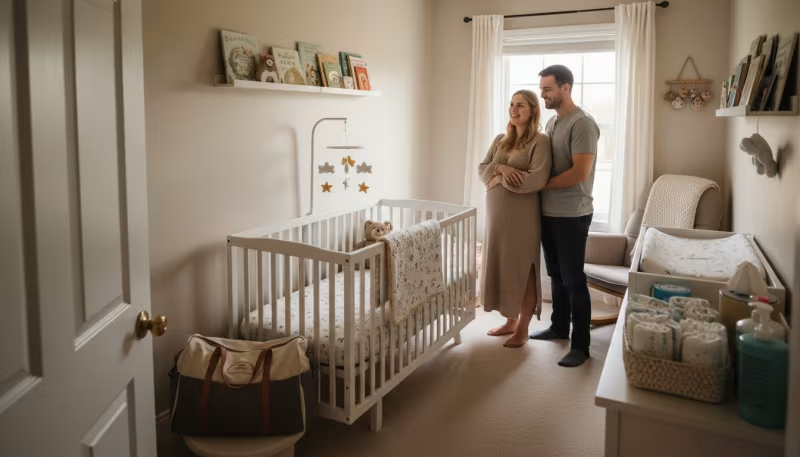
In the nursery specifically, set out diapers, wipes, and clothing within arm's reach before you lay the baby down, and keep one hand on them at all times, because rolls and falls from a changing surface happen faster than parents expect. For babies with extra care needs, our premature baby development guide can help you tailor expectations, but your pediatrician's instructions come first.
Choking, Poisons, And Recalls
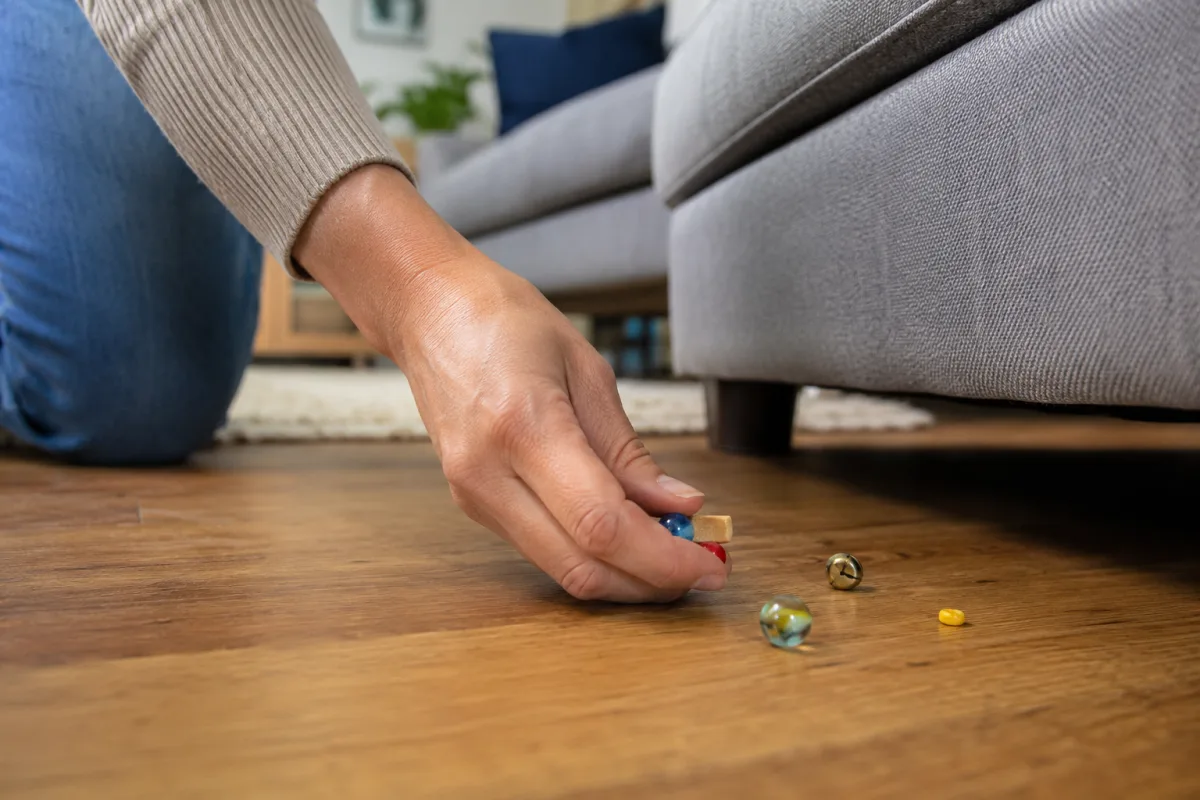
Small objects are the daily choking threat: coins, beads, pen caps, buttons, magnets, hair clips, and hard foods. Check under couches and cushions after guests leave, and remember that older siblings' toys are often the worst offenders. Button batteries and high-powered magnets deserve special attention because swallowing them can cause severe internal injury very quickly. Not every baby noise is an emergency, and our note on newborn hiccups is a reminder of that, but silence during eating, blue lips, or breathing trouble calls for immediate action.
Store medicines, vitamins, laundry packets, cleaners, alcohol, cosmetics, and essential oils locked and high, and put them away the instant you finish. Child-resistant caps only slow a child down; they do not make a product childproof. Finally, check gear for recalls, since cribs, gates, carriers, and monitors often change hands through gifts and resale. Register new products so recall notices reach you, and search a model number before putting a used item into daily use.
Windows, Cords, Outdoors, And Pets
Windows and their coverings are a hazard many parents miss. Move furniture away from windows so a child cannot climb to the sill, choose cordless blinds where possible, and keep any looped cords short, anchored, and well out of reach, since a dangling cord is a strangulation risk. If you add window guards or stops, make sure an adult can still open the window for emergency escape.
Outdoor space needs the same layered thinking. Water is a serious danger even when it looks shallow, so empty buckets and kiddie pools after every use, and fence or cover any pool or pond. Latch gates and sheds, keep grills cold and covered when idle, and store tools, fertilizers, and pesticides locked away. Pets add another layer once crawling begins: move pet food and water bowls out of reach, supervise every baby-and-animal interaction, and give the animal a safe retreat, because even a gentle pet needs space when the household routine changes. None of these devices replaces supervision, and a clever toddler will defeat many latches after watching an adult use them.
Frequently Asked Questions
When should I start baby-proofing?
Before rolling and crawling begin, then repeat the checks as your child learns to reach, pull up, and climb.
Are baby gates enough for stairs?
Use the right gate for the spot. The top of the stairs should have a hardware-mounted gate, not a pressure-mounted one.
Do outlet covers make a room safe?
No. They are one layer. You still need cord control, furniture anchoring, hazard removal, and supervision.
What is the most overlooked hazard?
Furniture and TV tip-overs, button batteries, and small objects lost under furniture are the ones parents miss most.
How often should I recheck the house?
At every new stage, and at least every few months. Babies gain new skills quickly, and each one opens a new risk.
Baby-proofing is never about a perfect house. It is about stacking layers, removing hazards, blocking access, anchoring furniture, locking dangerous products, and updating the plan as your child grows, so that supervision has fewer gaps to cover.

Patrick Harwood
Edits sports, consumer-finance and general legal explainers. Regulated or time-sensitive topics link to primary sources and are not professional advice.


Leave a reply
Replying to