
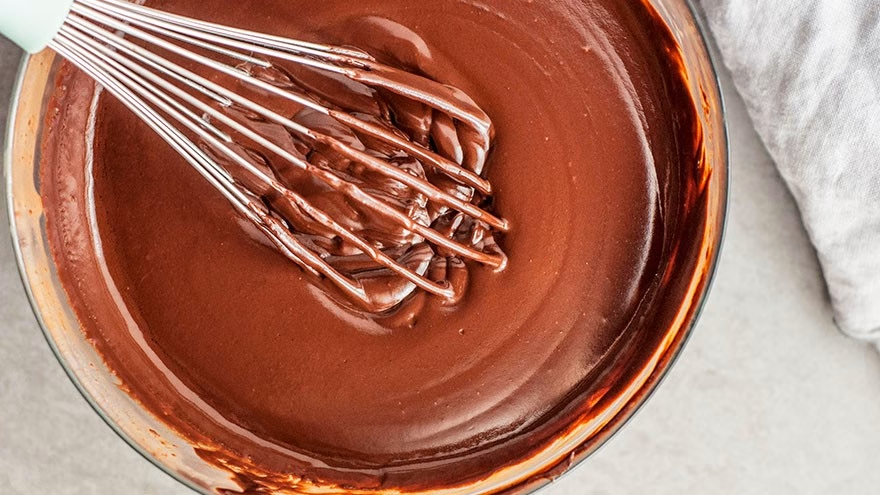
Chocolate Melts Well When You Stop Rushing It
Chocolate that Melts in Your Pan is really about control. Chocolate dislikes high heat, water, steam, and impatience. Treat it gently and it becomes glossy and smooth. Push it too hard and it can scorch, seize, or turn grainy.
You do not need fancy equipment for basic melting. You do need dry tools, chopped chocolate, low heat, and attention.
Most chocolate problems begin with heat or moisture.
Start With Chopped Chocolate
Bars, blocks, and wafers melt more evenly when cut into small, similar pieces. Large chunks force you to keep heating after the small pieces have already melted.
Use chocolate you like to eat. If the chocolate tastes waxy or flat before melting, it will not become better in a sauce or coating.
Livecub's tiramisu guide is a good reminder that dessert technique starts with ingredients, not just assembly.
Even pieces melt more calmly.
Keep Every Tool Dry
Water can make melted chocolate seize into a thick, grainy mass. Dry bowls, spatulas, knives, and pans before starting.
King Arthur Baking's guide to melting chocolate emphasizes gentle heat and avoiding water. That advice is worth taking seriously.
Steam counts too. If using a double boiler, make sure the upper bowl does not sit in water and that steam does not drip into the chocolate.
Dry equipment is not optional; it is the safety rail for the whole process.
Use a Double Boiler for Control
Set a heatproof bowl over a pan of barely simmering water. Add chocolate to the bowl and stir slowly as it melts.
Keep the heat low. The water should not boil hard. Remove the bowl from the pan before every piece is fully melted, then let residual heat finish the job.
For display ideas after dessert is made, Livecub's cookie display guide can help you think about serving rather than only melting.
Use the Microwave Carefully
A microwave works if you use short bursts and stir between each one. Start with 20 to 30 seconds, then shorten the bursts as the chocolate softens.
Chocolate can hold its shape while already hot, so stirring matters. Do not keep heating just because the pieces still look solid.
The microwave punishes distraction faster than a double boiler.
Know What Seized Chocolate Looks Like
Seized chocolate turns thick, dull, clumpy, and stiff. It may happen after water gets in or after chocolate overheats.
Depending on the damage, you may save it for sauce by stirring in warm cream, butter, or oil. It may not work for dipping or coating after that.
Ghirardelli's chocolate melting guidance also points to low heat and careful melting methods.
Choose the Right Chocolate for the Job
Chocolate chips are convenient but may contain stabilizers that help them hold shape. Baking bars, couverture, or melting wafers may melt more smoothly for dipping.
For brownies, cookies, or sauces, chips can work fine. For shiny dipped strawberries or candy, choose chocolate intended for coating or learn tempering.
The best chocolate depends on the job.
Understand Tempering Basics
Tempering controls cocoa butter crystals so finished chocolate sets glossy and snaps cleanly. It matters for dipped candies, molded chocolate, bark, and decorations.
Callebaut's tempering guidance explains professional tempering methods. For home cooks, the key point is that melted chocolate and tempered chocolate are not always the same thing.
If you are making a sauce, ganache, or brownie batter, tempering usually is not needed.
Add Fat Only When the Recipe Needs It
Butter, oil, or cream can make melted chocolate softer or turn it into sauce, but they change how it sets.
Do not add random liquid if you need a firm coating. Follow the recipe's purpose: sauce, glaze, ganache, drizzle, or shell.
Livecub's fudge icing recipe is a good place where chocolate, sugar, and fat work differently from a clean melted coating.
Store and Reheat Gently
If melted chocolate thickens while you work, rewarm it gently. Use low heat and short intervals.
Avoid repeated overheating. Each hard heat cycle raises the chance of scorched flavor and poor texture.
Use a Thermometer if You Want Precision
A thermometer is not required for a quick drizzle, but it helps for tempering and delicate coatings. Chocolate can feel only warm to the touch while already being close to trouble.
If you are learning, track what temperature gives you the texture you like. Notes make the next batch easier.
Fix Thick Chocolate by Matching the Goal
If chocolate is too thick for drizzling, a small amount of neutral oil or cocoa butter may help. If you are making ganache, warm cream is the better direction.
Do not add water unless you are intentionally making a sauce and understand the texture change.
The fix depends on what you want the chocolate to become.
Use the Right Bowl
Glass, metal, and microwave-safe bowls all work in the right setting. Avoid bowls that retain hidden moisture or get dangerously hot.
For a double boiler, a metal bowl responds quickly to heat changes. For a microwave, use a microwave-safe bowl and a dry spatula.
Practice With a Small Amount
If you are nervous, melt a small amount first. You will learn how fast your stove or microwave heats without risking the whole bag.
Small tests are especially helpful before holiday baking, dipped fruit, or a dessert table.
Livecub's Hi-5 birthday party guide is unrelated to technique, but dessert prep has the same planning lesson: test the tricky part before guests arrive.
Store Chocolate Away From Heat and Odors
Chocolate can pick up odors and suffer from heat swings. Store it tightly wrapped in a cool, dry place away from onions, spices, and sunlight.
Refrigeration is usually unnecessary unless your kitchen is very warm, and it can introduce condensation if handled poorly.
Storage affects melting before the bowl ever comes out.
Know the Difference Between Melting and Ganache
Melted chocolate is chocolate softened by heat. Ganache is chocolate combined with warm cream, usually for frosting, glaze, filling, or sauce.
If you want a firm coating, do not accidentally make ganache. If you want a pourable sauce, ganache may be exactly right.
Avoid Direct Heat When Possible
Putting chocolate straight in a hot pan is risky because the bottom can scorch before the top softens. If you use direct heat, keep it very low and stir constantly.
A double boiler or microwave gives most home cooks more control.
Chocolate remembers heat mistakes in its texture.
How to Drizzle Without a Mess
Let melted chocolate cool slightly so it thickens enough to control. Use a spoon, fork, squeeze bottle, or small piping bag.
Place cookies, fruit, or cake on parchment before drizzling. Cleanup becomes much easier.
Why Chocolate Turns Dull
Dullness can come from poor tempering, heat swings, condensation, or the wrong chocolate for the job. It may still taste fine, but it will not look polished.
If shine matters, learn a simple tempering method and work in a cool, dry room.
Keep Kids and Guests Away From Hot Bowls
Melted chocolate may look harmless, but bowls, steam, and water pans can burn. Keep the setup stable and away from the edge of the counter.
If children are helping, let them decorate after the chocolate has cooled a little rather than standing over a hot pan.
Use Parchment for Practice
If you are learning to drizzle or dip, practice on parchment before touching the real dessert. You can see how thick the chocolate is and whether it flows smoothly.
Scraps can often be cooled and reused if they stayed clean and dry.
Do Not Add Cold Ingredients Too Fast
Cold cream, butter, fruit, or bowls can make melted chocolate thicken suddenly. Let add-ins come closer to room temperature when the recipe allows.
For dipped fruit, wash and dry the fruit completely. Water on strawberries or orange slices can cause problems in the bowl and on the coating.
Dry fruit matters as much as dry tools.
Match Chocolate to Serving Temperature
A sauce served warm can stay softer. A coating for cookies or candy needs to set at room temperature. A frozen dessert may crack a thick shell.
Think about where the finished dessert will sit before choosing the melting method and added fat.
When to Start Over
If chocolate smells burned, tastes bitter, or turns into a stiff grainy paste that will not smooth into sauce, starting over may be the better choice.
Saving a small amount of chocolate is not worth ruining a whole dessert table.
Frequently Asked Questions
Why did my chocolate get grainy?
It may have seized from water or overheated. Keep tools dry and use low heat next time.
Can I melt chocolate in the microwave?
Yes. Use short bursts, stir often, and stop before the chocolate looks fully melted because residual heat will finish it.
Do I need to temper chocolate?
Only for coatings, candies, molds, or bark where shine and snap matter. Sauces and batters usually do not need tempering.
Can seized chocolate be fixed?
Sometimes it can become sauce if you add warm cream, butter, or oil. It may not return to a good dipping texture.

Chiara Bradshaw
Covers education, culture and creative topics with an emphasis on readable explanations and verifiable references.




Leave a reply
Replying to