

The Effects of Mother Drinking Caffeine When Pregnant are usually discussed around amount, timing, and total daily intake. Caffeine is not only in coffee; it can show up in tea, soda, chocolate, energy drinks, and some medicines.
Most pregnancy guidance does not treat a small coffee the same way it treats heavy caffeine use. The safer plan is to count the whole day, stay under your clinician's limit, and avoid using caffeine to push through exhaustion.
The 200 Milligram Line
ACOG says moderate caffeine consumption, less than 200 milligrams per day, does not appear to be a major cause of miscarriage or preterm birth. Its coffee during pregnancy answer gives the plain version.
That does not mean everyone should aim for 199 milligrams. Some people feel shaky, nauseated, anxious, or sleepless at far lower amounts, especially in the first trimester.
Where Caffeine Hides
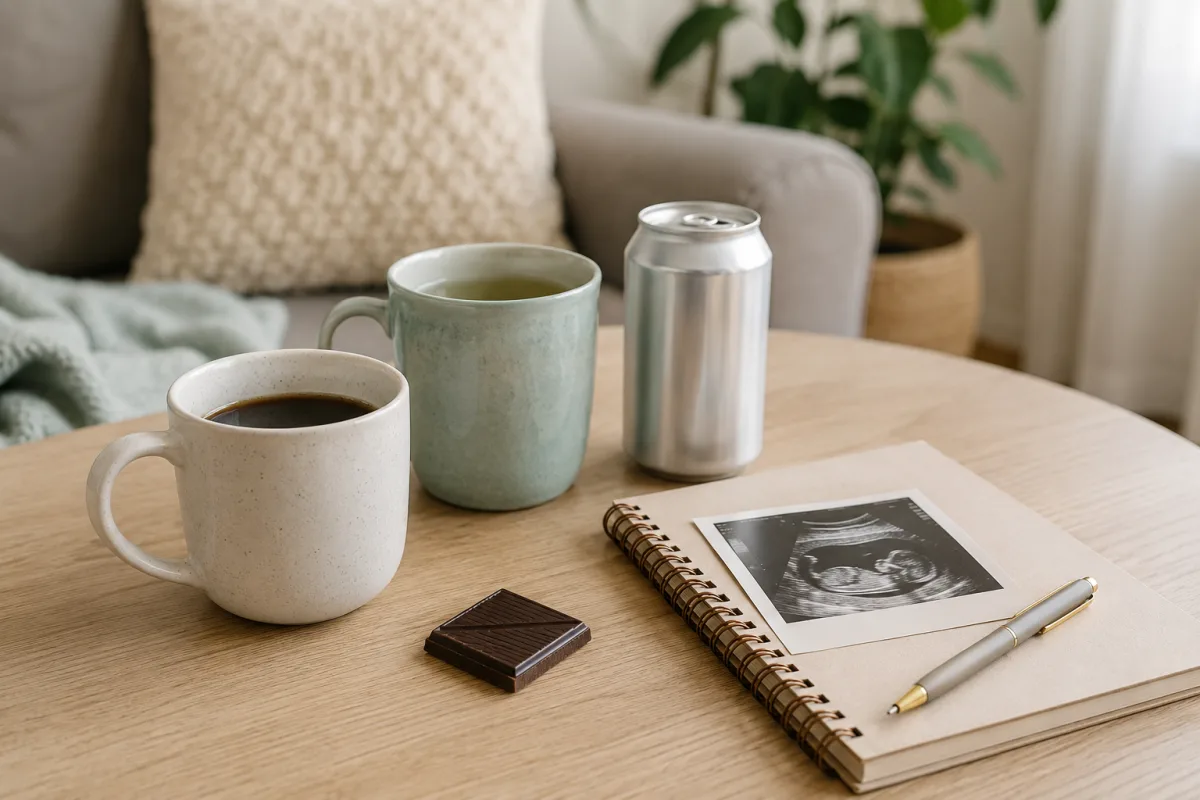
Coffee is the obvious source, but tea, matcha, cola, energy drinks, chocolate, coffee ice cream, pre-workout powders, headache medicines, and some cold medicines can add up.
FDA's caffeine consumer page explains that caffeine content varies and that people may be more sensitive than they expect.
Pregnancy Changes The Math
Caffeine may stay in the body longer during pregnancy. That can make an afternoon drink feel like a bedtime problem, even if the same habit worked before pregnancy.
If sleep is already broken by reflux, bathroom trips, anxiety, or back pain, caffeine timing may matter as much as caffeine amount. Try moving the drink earlier before cutting it out completely.
Possible Effects
High caffeine intake has been studied in relation to miscarriage, fetal growth, and other outcomes, but the evidence is not simple. That is why many clinicians use the 200 milligram limit as a practical ceiling.
The PubMed record for ACOG's committee opinion states that moderate intake under 200 milligrams per day does not appear to be a major contributor to miscarriage or preterm birth: ACOG caffeine opinion abstract.
Coffee Size Problems

A mug at home, a small cafe coffee, a large cold brew, and an espresso drink are not equal. Size, roast, brew method, and brand can change caffeine a lot.
If you want to keep coffee, measure your usual cup once. Guessing is where many people go over the limit without realizing it.
Energy Drinks
Energy drinks are a poor fit for pregnancy for many people because they can contain high caffeine, herbs, added stimulants, and large sugar amounts. Labels are not always easy to interpret.
Ask your clinician before using them. If the goal is fatigue relief, food, fluids, sleep, iron status, thyroid questions, or workload may need attention instead.
Nausea And Reflux
Coffee can worsen nausea or reflux for some pregnant people. If that happens, try food first, a smaller serving, a lower-acid drink, milk, or a complete pause.
On rough stomach days, Livecub's bland diets for pregnancy guide can help you keep calories and fluids going without relying on coffee.
Headaches
Cutting caffeine suddenly can cause headaches. If your clinician wants you to reduce intake, ask whether tapering is reasonable for your situation.
Do not treat every pregnancy headache with caffeine or medication without checking labels and advice. Severe headache, vision changes, swelling, or high blood pressure concerns need medical contact.
First Weeks
Many people drink caffeine before they know they are pregnant. Panic does not help. Once pregnancy is suspected or confirmed, count intake and bring concerns to the first prenatal visit.
If timing is unclear, Livecub's first-week pregnancy signs guide can help you think through early signs, while a test and clinician give the real answer.
Sleep And Relationships
Caffeine can become a stand-in for rest, especially when pregnancy fatigue changes household routines. A partner can help by taking evening chores, not by policing coffee.
If tiredness and body changes are affecting closeness, Livecub's staying intimate during pregnancy guide may help shift the conversation away from blame.
Mood And Anxiety
Caffeine can make anxiety, racing thoughts, and palpitations worse in some people. Pregnancy can also bring new anxiety even without caffeine.
If mood feels heavy or scary, use caffeine changes as one small data point, not the whole explanation. Livecub's depression during pregnancy guide can help you decide when to speak up.
Practical Cut-Down Ideas

Try half-caf, smaller mugs, switching the second cup to decaf, moving coffee earlier, or replacing an energy drink with a snack and water. Do not make five changes at once if you will hate all of them.
The goal is a repeatable day. A plan that works Monday through Sunday beats a perfect rule that collapses by Tuesday afternoon.
Make A One-Day Count
Before changing everything, count one normal day. Write down coffee size, tea, soda, chocolate, energy drinks, and any medicine that lists caffeine.
This quick count often shows the easiest change. Maybe the morning coffee fits, but the afternoon cold brew pushes the day too high.
Decaf Is Not Always Zero
Decaf coffee usually has far less caffeine than regular coffee, but it may not be zero. That matters if you drink many cups or are very sensitive.
For most people, decaf can help keep the coffee ritual while lowering intake. Still, count it if you are close to your clinician's limit.
Shift Work And Fatigue
People working nights, long shifts, or caregiving jobs may rely on caffeine to function. Pregnancy fatigue can make that feel impossible to change.
Ask your clinician about anemia, sleep problems, nausea, workload, and safer fatigue strategies. Caffeine reduction works better when the reason for exhaustion is not ignored.
Medicine Labels
Some headache and cold medicines contain caffeine. If you take medicine and drink coffee the same day, the total can rise without an obvious extra cup.
This is one reason to show the full label to a pharmacist or clinician. The active ingredients panel matters more than the front of the box.
High-Risk Situations
Some people get stricter advice because of blood pressure, heart rhythm symptoms, anxiety, sleep problems, fetal growth concerns, or other medical issues.
If your clinician gives a lower limit than a general article, follow the personal advice. Pregnancy guidance is not one-size-fits-all for every risk profile.
Coffee With Food
Drinking coffee on an empty stomach can worsen nausea, jitters, or reflux for some pregnant people. Pairing it with toast, yogurt, eggs, or oatmeal may make it easier to tolerate.
If coffee only feels good for ten minutes and then causes a crash, it may be time to reduce the size or change the timing.
Afternoon Cutoff
A personal cutoff can protect sleep. For some people that means no caffeine after lunch; for others it means only a small morning serving.
Try one week with an earlier cutoff before deciding caffeine is harmless or impossible. Sleep changes may lag behind the first day.
Palpitations And Jitters
Fast heartbeat, shaking, sweating, panic feelings, or chest discomfort after caffeine should be taken seriously. Call your clinician if symptoms are new, strong, or scary.
Do not assume it is just coffee if the feeling is different from your usual response. Pregnancy can change how your body reacts.
Hydration And Meals
Caffeine should not replace breakfast, water, or rest. A day built on coffee and crackers may make fatigue, nausea, and headaches worse.
Before adding another cup, try water, a real snack, fresh air, or a short rest if your schedule allows it. This is especially useful on workdays, appointment days, and mornings after poor sleep.
Frequently Asked Questions
How much caffeine is usually allowed during pregnancy?
Many clinicians use less than 200 milligrams per day as the usual limit, but your own clinician may give stricter advice.
Is one cup of coffee safe while pregnant?
Often yes if it keeps total daily caffeine under your advised limit, but cup size and brew strength matter.
Does caffeine cause miscarriage?
ACOG states moderate caffeine under 200 milligrams per day does not appear to be a major contributor to miscarriage or preterm birth.
Should I stop caffeine suddenly?
Ask your clinician. Sudden stopping can cause headaches, so tapering may be more comfortable for some people.
Are energy drinks okay during pregnancy?
They are usually best avoided unless your clinician says otherwise, because caffeine, herbs, stimulants, and sugar can add up quickly.
Caffeine during pregnancy is a counting problem, not just a coffee problem. Know your sources, stay under the limit your clinician gives, and treat fatigue as a signal worth solving.

Linda Fehrman
Edits general wellness and relationship explainers. Health material is educational, avoids diagnosis and links to health-authority guidance.



Leave a reply
Replying to