
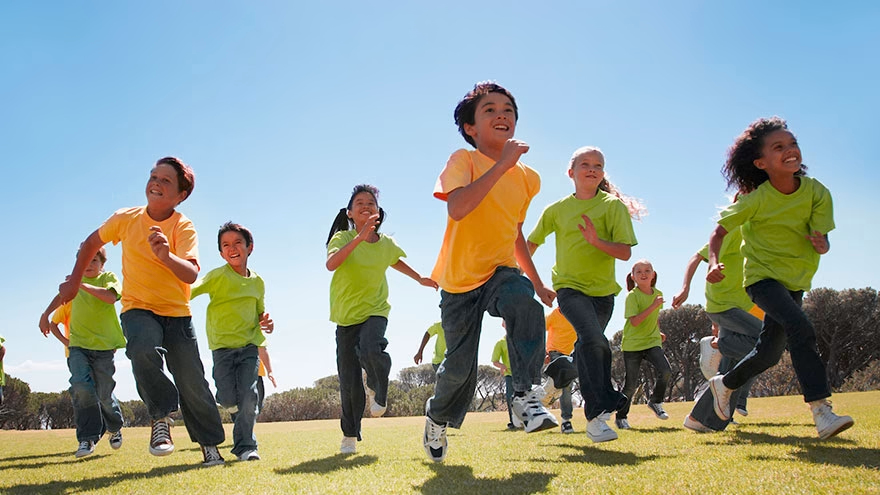
Extra-Curricular Activities That Help With Self-Esteem are not just resume padding. The right activity can give a child, teen, or adult a place to practice skill, belonging, leadership, and recovery after mistakes.
The best activity is not always the most impressive one. It is the one a person can attend, afford, enjoy enough to repeat, and experience without constant comparison.
What Self-Esteem Needs
Self-esteem grows from evidence: I can learn, I can contribute, I can belong, and I can recover when something goes wrong.
APA's school self-esteem primer says teachers can help students build confidence by supporting effort, persistence, and realistic success: APA self-esteem primer.
Team Sports
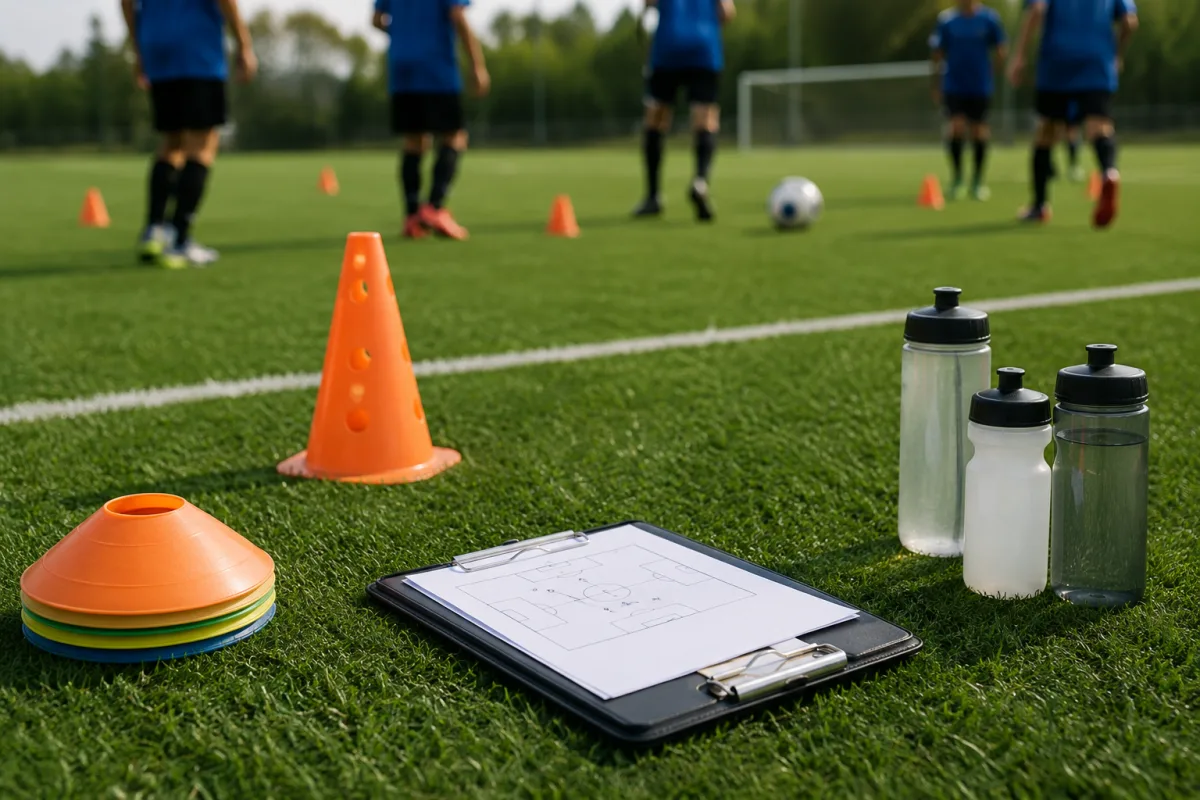
Team sports can help through practice, shared goals, and learning to handle wins and losses. They can also hurt if the environment is cruel or obsessed with winning.
If tryouts trigger fear, Livecub's sports tryout nerves guide can help separate preparation from panic.
Martial Arts
Martial arts may build confidence through visible skill levels, routine, discipline, and body control. The best programs are respectful and safety-focused.
Avoid schools that shame children, glorify aggression, or push injury. Confidence should grow with self-control, not intimidation.
Music And Choir
Music gives progress that can be heard. A beginner can feel clumsy and still improve through practice, ensemble work, and performance in small steps.
For students afraid to perform, pair music with gentle exposure rather than sudden solos. Livecub's stage fright guide may help with performance-day tools.
Drama And Debate
Drama and debate can help self-esteem by teaching voice, presence, teamwork, and quick recovery. They also give shy people roles that are not exactly the same as ordinary conversation.
A supportive director matters. Public performance should stretch a person, not humiliate them.
Art And Making
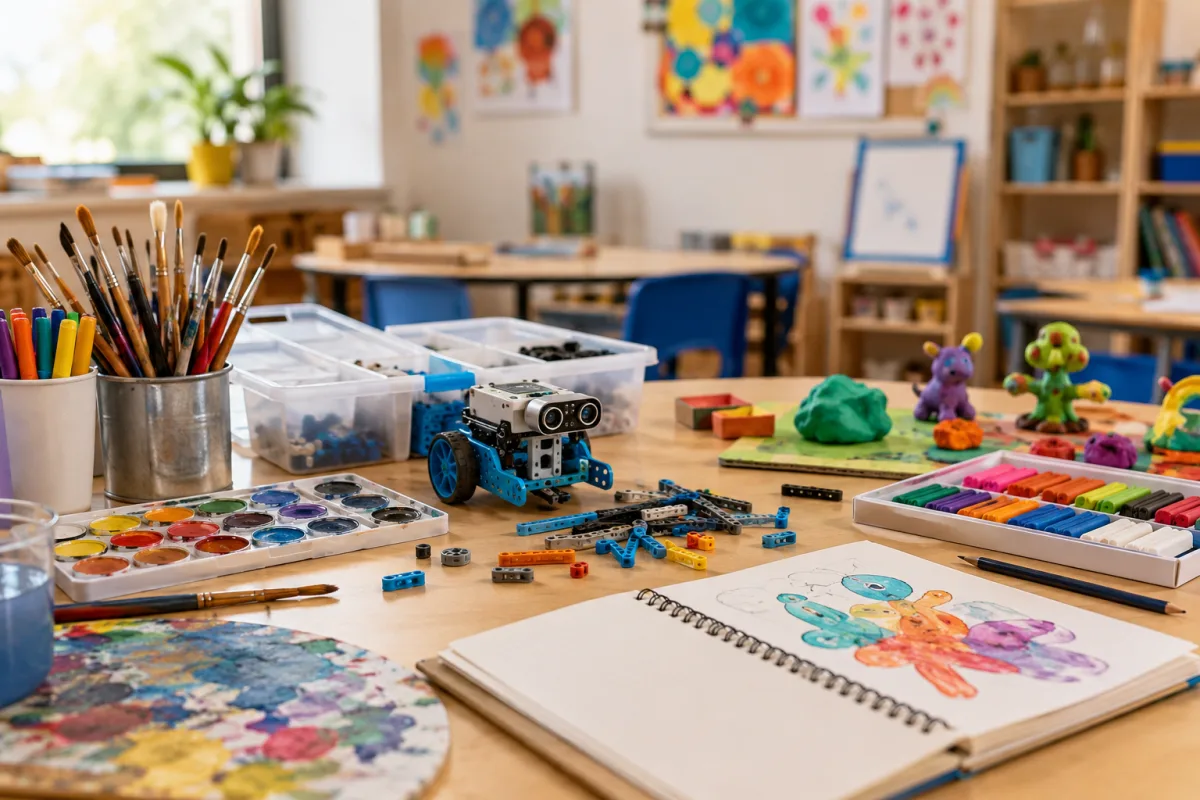
Visual arts, crafts, robotics, woodworking, coding, cooking, and design give people a finished object to point to. That evidence can be powerful for self-image.
County Health Rankings notes that creative extracurricular activities such as music, dance, drama, and visual arts can increase self-confidence and self-esteem: extracurricular activity evidence summary.
Volunteering
Volunteering can help people feel useful and connected. It shifts attention from self-judgment to contribution.
Choose age-appropriate roles with clear supervision. A first volunteer experience should be structured enough that the person knows what success looks like.
Clubs With Roles
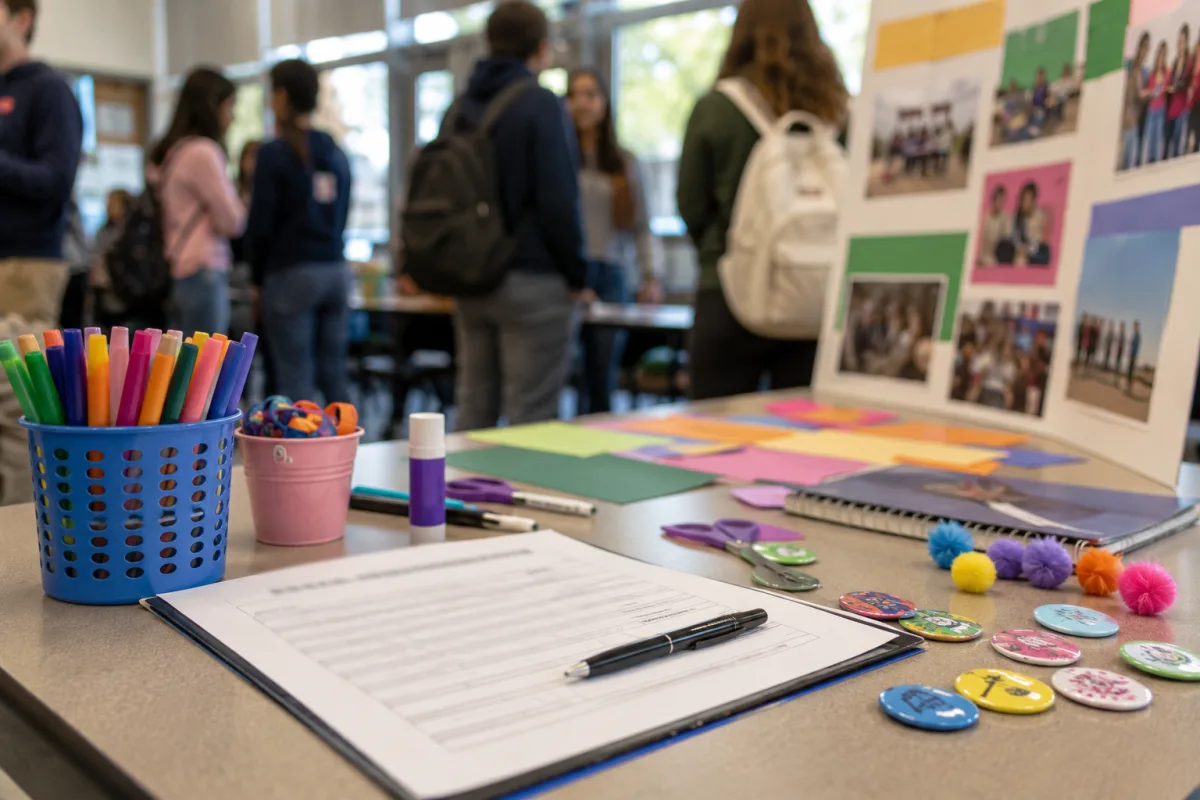
Student council, yearbook, science club, chess club, gardening club, or a library group can help because members have roles and routines.
A role lowers social pressure. It is easier to join when you know what to do when you arrive.
Activities For Quiet Kids
Quiet kids do not need to become loud to build self-esteem. They may do well in art, coding, animal care, nature groups, chess, writing, or small service projects.
If silence is severe in certain settings, Livecub's selective mutism guide is more relevant than simply choosing a smaller club.
Avoid Overloading
Too many activities can turn confidence into exhaustion. Leave room for sleep, homework, family, food, and unstructured time.
A packed calendar may look successful from outside while the person inside feels constantly behind.
Track Growth
Keep a private record of attendance, new skills, brave moments, and small wins. Do not turn it into a public scoreboard.
Livecub's food journal guide uses tracking in another context, but the habit of dated notes works for confidence too.
Access And Cost
The best activity is useless if cost, transport, equipment, or schedule make it impossible. Look for school programs, community centers, libraries, low-cost leagues, and scholarships.
A PMC study on extracurricular involvement discusses links between participation and youth adjustment: extracurricular involvement study.
Look At The Adult Leader
The adult leader can make or break the activity. A coach, teacher, or volunteer who uses shame can damage confidence faster than the activity can build it.
Watch how mistakes are handled. A good program corrects behavior without humiliating the person.
Let Interests Change
A person may need to try several activities before one fits. Quitting one poor fit is not the same as quitting growth.
Set a fair trial period, then review cost, stress, interest, and social fit.
Low-Pressure Entry
Some people need a low-pressure entry before joining fully. Watching one session, helping set up chairs, or attending with a friend can make the first step easier.
A good program will allow reasonable adjustment without making the person feel like a burden.
Leadership Roles
Self-esteem can grow when a person has a role: equipment helper, attendance lead, warmup leader, stage crew, mentor, or club photographer.
Leadership does not have to mean being the loudest person. Responsibility can be quiet and still build confidence.
Mastery Over Praise
Praise feels good, but mastery lasts longer. Choose activities where the person can see skill development over time.
Belts, songs, drawings, code projects, recipes, routines, or service hours can show progress without needing constant adult approval.
Peer Belonging
Activities can help self-esteem by creating repeated contact with peers around a shared task. Friendship is often easier when there is something to do together.
The shared task lowers the pressure to be instantly charming. Belonging can grow through routine.
Failure Practice
Healthy extracurriculars teach people how to lose, miss a note, drop a line, sit on the bench, or revise a project without quitting the whole identity.
This is one of the strongest confidence lessons: disappointment is uncomfortable, not final.
Watch For Burnout
If the person becomes irritable, exhausted, injured, anxious before every session, or unable to keep up with school, the activity may need adjustment.
Self-esteem does not grow well under constant depletion. Rest and fit matter.
Include Noncompetitive Options
Not every confidence-building activity needs trophies. Hiking clubs, art groups, volunteering, library programs, coding clubs, and gardening can build pride without ranking everyone.
Competition helps some people and shrinks others. Fit decides the value.
Trial Periods
A trial period lowers pressure. Agree to attend four sessions, then review fit, stress, interest, and cost before deciding.
This teaches follow-through without trapping someone in a bad environment for a whole season.
Friend Versus Fit
Joining because a friend joined can help with the first step, but the activity still needs to fit the person.
If the friend quits or moves groups, the participant should still have a reason to stay.
Private Wins
Some self-esteem gains are private: showing up despite fear, trying again after correction, or asking for help.
Adults should notice these quieter wins. They may matter more than medals or public praise.
Skill Transfer
Confidence from one activity can transfer to another. A child who learns stage crew responsibility may later try drama, speech, or leadership.
The activity is a bridge, not a box. Growth can move sideways before it moves forward.
Exit With Dignity
Leaving an activity should be handled with dignity. Thank the leader, finish the current commitment if possible, and name what was learned.
This keeps quitting from becoming a shame story. A poor fit can still teach useful information.
Match Energy Level
Some activities are loud, social, and fast. Others are quiet, focused, and slow. Self-esteem grows better when the energy level fits the person.
A tired or anxious child may need a calm club before a competitive team.
Ask About Belonging
After a few sessions, ask more than whether the activity is fun. Ask whether the person feels seen, useful, respected, and safe making mistakes.
Belonging is one of the reasons activities help confidence. Without it, attendance can become endurance.
Use Breaks Wisely
A break can prevent burnout, but a break can also become avoidance. Decide together what the break is for and when to review the activity again.
This keeps rest from turning into silent quitting driven by fear.
Frequently Asked Questions
What extracurricular activity is best for self-esteem?
The best choice is one that matches interest, offers practice, has supportive adults, and creates real chances to improve.
Can sports improve self-esteem?
Yes, in healthy settings. Sports can also hurt confidence if coaching is harsh or the child feels constant shame.
Are arts good for quiet children?
Often yes. Art, music, writing, and making activities can build skill without requiring loud social performance right away.
How many activities are too many?
Too many activities can cause stress and exhaustion. Keep sleep, school, family, and downtime protected.
What if my child wants to quit?
Ask why. The issue may be boredom, bullying, poor fit, anxiety, cost, or overload. The answer changes the next step.
Extra-curricular activities help self-esteem when they create safe practice, belonging, and skill. Choose fit over prestige, and protect the person from overload.

Cashie Evans
Covers parenting and practical household topics with clear steps, safety notes and links to current guidance.




Leave a reply
Replying to