
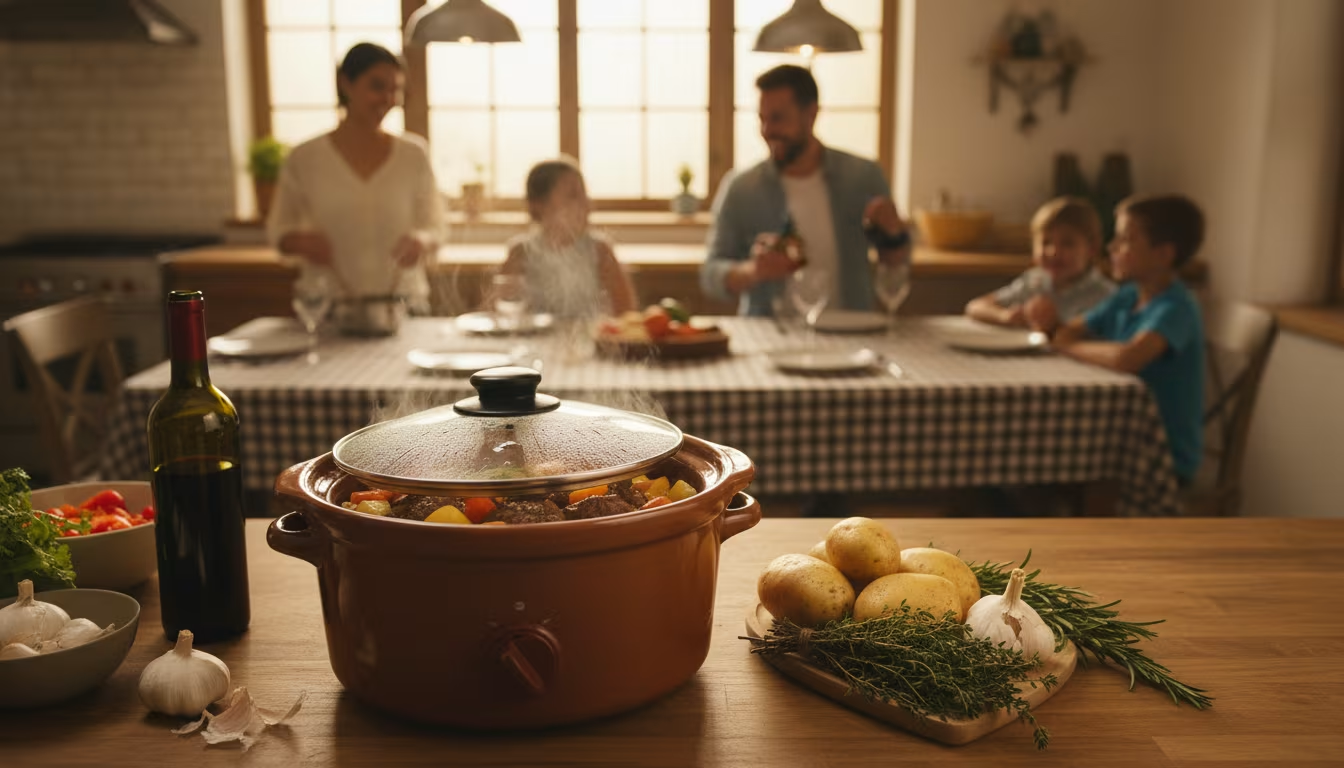
Why the slow cooker earns its place
Few kitchen tools fit family life as neatly as a slow cooker: you load it in the morning, walk away for the day, and come home to dinner that mostly cooked itself. The trade-off is that the machine handles the heat but not the judgment. You still decide what goes in, how full to fill it, when to start, and what happens to the leftovers — and those choices are what separate a reliable weeknight dinner from a disappointing or unsafe one.
The appeal for families is real. A single pot can feed several people, stretch an inexpensive cut of meat into something tender, and produce built-in leftovers for lunches. It also cooks quietly in the background while homework, work, and afternoon chaos carry on. The trick is to treat the crockpot as a planning tool, not a magic box, and to build a small rotation of meals you trust.
Meals that actually suit a crockpot
Slow cookers reward dishes with liquid, fat, or connective tissue that soften over hours of gentle heat. Chili, beef stew, pulled pork, shredded chicken for tacos, lentil soup, marinara, bean dishes, and whole seasoned chicken all turn out well because time is exactly what they need. Tougher, cheaper cuts — chuck roast, pork shoulder, chicken thighs — do better here than lean, quick-cooking cuts, which tend to dry out over a long day.
What the crockpot does not do well is anything meant to stay crisp or fresh. Pasta, rice, delicate vegetables, dairy, and fresh herbs are best stirred in near the end or served alongside, rather than cooked for eight hours. A useful pattern is to slow-cook the sturdy base and finish with the fresh parts: shred the chicken and wrap it in warm tortillas, ladle the stew over rice cooked separately, or top the chili with cheese and scallions at the table. A saucy, shreddable dinner such as an easy chicken recipe adapts naturally to this base-plus-fresh-finish approach.
Layer ingredients in the right order
Order matters more in a slow cooker than on a stovetop. Dense root vegetables — potatoes, carrots, onions — cook slowest, so they belong on the bottom and sides where the heat is strongest. Meat goes on top of the vegetables, and delicate additions like peas, spinach, cream, or fresh herbs go in during the last thirty minutes so they do not turn to mush.
A quick sear before the crockpot is optional but rewarding. Browning meat and softening onions in a pan builds flavor that long slow cooking alone cannot, and it takes only a few extra minutes. If your morning is too rushed for that, skipping it is fine; the dish will still be good, just a little milder. Either way, resist the urge to lift the lid to check on things. Each peek releases heat and can add fifteen to twenty minutes of cooking time, which matters when the schedule is tight.
Start safe: thawing and food safety
The single most common crockpot mistake is dropping in frozen meat and assuming the long cook time will sort it out. It will not. Frozen meat keeps the pot in the temperature range where bacteria multiply for too long, so ingredients should be fully thawed in the refrigerator before they go in. USDA's guidance on slow cookers and food safety spells this out, along with the reasoning behind it.
A few habits keep things safe without much effort. Start with a clean cooker and thawed ingredients, keep raw meat separate from ready-to-eat foods during prep, and if the power goes out while you are away, throw out the food rather than risk it — you cannot know how long it sat warm. Cutting meat into even pieces helps it cook through predictably, and a food thermometer settles any doubt: poultry should reach 165 degrees F, and most cooked meats and mixed dishes are safe at that mark too.
Get the fill level and liquid right
A slow cooker works best when it is between half and two-thirds full. Too empty and the food can scorch or overcook; too full and the contents may not reach a safe temperature quickly enough, leaving the center underdone. If a recipe barely covers the bottom or threatens to overflow, choose a different-sized cooker or adjust the batch rather than forcing it.
Liquid behaves differently here than on the stove. Because the lid traps steam that would normally evaporate, slow-cooker dishes end up wetter than their stovetop versions, so most adapted recipes need less added liquid than you would expect. If a dish comes out thinner than you wanted, thicken it at the end with a cornstarch slurry or by removing the lid for the final half hour. Salt and strong seasonings also concentrate over a long cook, so it is wise to season lightly at the start and adjust at the table.
The high and low settings are another lever worth understanding. Both reach roughly the same final temperature; low simply takes longer to get there, which suits tougher cuts and long workdays, while high is handy when you started late. As a rough guide, one hour on high is close to two hours on low, so you can shift a recipe between settings when your schedule changes. What you cannot do is safely shorten cooking by cranking the heat on frozen or very large pieces of meat — those need thawing and even sizing first, not a hotter setting.
Cool and store leftovers on time
The generous portions that make crockpot cooking so practical also create a storage job. Do not leave food sitting on the warm setting for hours after the meal, and do not let the pot cool slowly on the counter overnight. Perishable food should be refrigerated within two hours, and dividing it into shallow containers helps it chill quickly instead of holding heat in a deep ceramic insert. USDA's leftovers guidance covers safe cooling and reheating in more detail.
When you reheat, do it on the stove or in the microwave rather than in the slow cooker itself, which warms food too slowly to be safe for reheating. Bring leftovers back to a steady simmer, stir so no cold pockets remain, and label anything you freeze with the dish name and date. Most slow-cooker meals hold for three to four days in the refrigerator and freeze well for later, which is where the "cook once, eat twice" payoff really lands.
Make it a repeatable habit
The families who get the most from a slow cooker are not chasing new recipes every week — they have four or five dependable meals they can start half-asleep. Pick a couple of dishes your household already likes, cook them until the timing and seasoning feel automatic, and only then add something new. Keeping the staple ingredients on hand means a slow-cooked dinner is never more than a morning decision away.
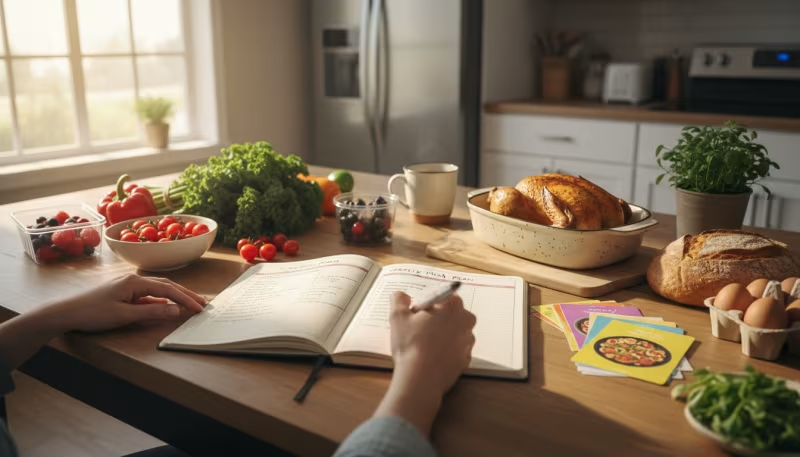
Prep can shrink to almost nothing with a little forethought. Chop vegetables the night before, measure spices into a small jar, and some cooks assemble the entire contents in a container or freezer bag ready to tip into the cooker at dawn. After a meal that worked, jot down what you changed — less liquid, an extra hour, a fresh topping — so the next attempt starts from what you already learned. That short note is what turns a lucky dinner into one you can repeat with confidence.
Frequently Asked Questions
What should I check first?
Check that any meat or poultry is fully thawed and that the cooker will be filled between half and two-thirds full. Those two checks prevent the most common safety and texture problems.
What mistake should I avoid?
Avoid putting frozen meat in a slow cooker and assuming the long cook time makes it safe. It keeps food too long in the range where bacteria grow.
When should I pause?
Pause if the power fails while you are away, if the cooker is overfilled, or if food has stayed warm too long. When in doubt about safety, discard the food rather than risk it.
How do I make the next attempt better?
Use one recipe you trust, keep the lid closed while it cooks, and label leftovers as they cool. Note any change you made so the next batch is easier.

Tory Stearns
Edits practical household, travel and lifestyle explainers. Claims that can change are linked to current primary or subject-authority sources.


Leave a reply
Replying to