
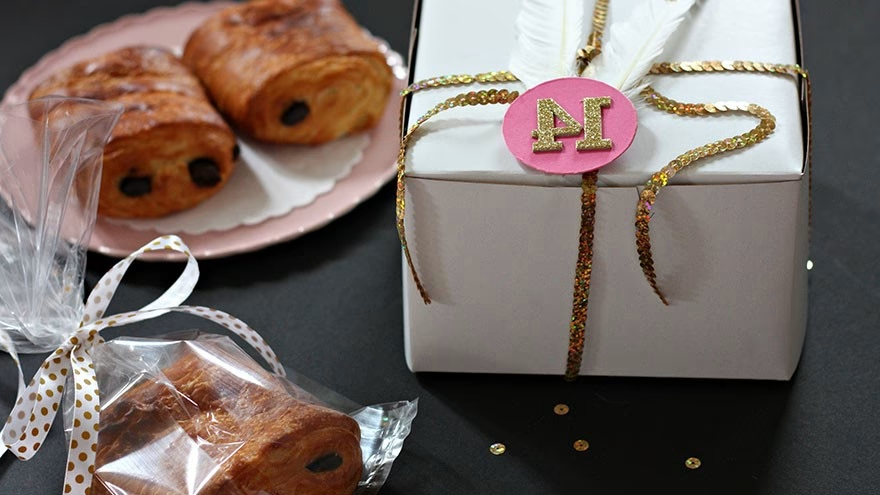
Good Packaging Protects the Food Before It Looks Cute
Food gift packaging ideas should start with the food, not the ribbon. A cookie tin, jar, tray, or box has one real job before decoration: protect flavor, texture, temperature, and cleanliness until the recipient opens it. Pretty packaging that crushes cookies or leaves fudge sweating on a counter is not doing the job.
FoodSafety.gov's four food-safety steps are a useful baseline even for gifts: clean, separate, cook, and chill. A homemade present still has to be handled like food, not craft material.
The package is part of the recipe once the food leaves your kitchen.
Match the Package to the Food
Crunchy cookies need dry packaging with room to avoid breaking. Fudge needs layers that prevent sticking. Sauces need leakproof jars. Bread needs enough breathing room that trapped steam does not make the crust soggy. Frozen food needs cold planning, not just a bow.
Before choosing a container, ask what can go wrong: crushing, leaking, moisture, odor transfer, heat, cold loss, crumbs, grease, or confusion about storage. That answer tells you more than a holiday color scheme.
For cookie presentation, Livecub's cookie display guide can help with the visual side after the protection question is solved.
Use Clean, Food-Safe Containers
Reuse containers only when they are clean, odor-free, dry, and appropriate for food contact. A coffee can, glass jar, or tin can work if it does not smell like the old contents and has no rust, sharp edges, sticky residue, or flaking coating.
Line questionable decorative containers with food-safe bags, parchment, wax paper, or a sealed inner box. The food should not touch paint, glitter, old glue, newsprint, or fabric that was never meant for food.
Decoration belongs outside the food barrier.
Label Every Gift Clearly
A label does not have to be formal, but it should help the recipient. Write the food name, date made, storage instructions, and major allergens such as peanuts, tree nuts, milk, eggs, wheat, soy, sesame, fish, or shellfish if they apply.
The FDA's page on food allergies is written for broader labeling contexts, but the home-kitchen lesson is plain: allergens are not minor details. If you used peanut butter, almond extract, wheat flour, or dairy, say so.
A beautiful box is not kind if it hides allergy information.
Packaging Ideas by Food Type
Cookies and bars
Use tins, shallow boxes, or firm bakery boxes. Separate layers with parchment. Pack crisp cookies away from moist bars because moisture moves and changes texture.
Fudge and candies
Use small paper cups, parchment squares, or rigid boxes. Keep pieces in a single layer when appearance matters. Livecub's fudge icing recipe is a good reminder that sugar and chocolate textures can soften in warm rooms.
Sauces, jams, and condiments
Use jars with tight lids and a secondary bag if the gift will travel. Add a tag with refrigeration instructions after opening. Do not gift shelf-stable claims unless the food was made with tested preserving instructions.
Breads and cakes
Cool completely before wrapping. Use parchment, bakery boxes, or breathable wrap for crusty items. Wrap quick breads more tightly once fully cool so they do not dry out.
Use Cushioning Without Making Trash the Main Event
Crumpled parchment, cupcake liners, clean paper fill, tea towels, and reusable containers can cushion food without turning the gift into a pile of plastic. The goal is enough support to stop movement.
If the gift is heavy, put it in a sturdy box before adding decorative wrapping. Handles can tear. Thin gift bags collapse. Glass jars need dividers or padding so they do not knock together.
Make Mix Kits When Fresh Food Is Risky
Dry mixes are easier to package than perishable food. Pancake mix, cocoa mix, spice rubs, cookie mix, soup seasoning, granola, tea blends, and snack mixes can travel without ice packs if they are made and stored dry.
Use a clean jar or pouch and include the missing wet ingredients on the tag. Write "add 1 egg" or "add 1 cup milk" clearly. If the recipient has limited kitchen tools, choose a mix that needs only a bowl and spoon.
A dry mix can be more useful than a fragile finished dessert.
Cold Food Needs a Plan
Perishable gifts such as cheesecakes, cream pies, custards, meat dishes, dairy dips, and some sauces should stay cold. The USDA's mail-order food safety guidance is aimed at shipped food, but the same idea applies locally: temperature control has to be planned before food travels.
Use insulated bags, ice packs, direct handoff, and clear "refrigerate now" notes. If the recipient will be out all day, do not leave a perishable food gift on the porch.
For freezer planning, Livecub's freezing fresh vegetables guide pairs well with gifts that need cold storage instructions.
Make the Gift Easy to Open and Store
Do not tape every edge like a shipping box if the recipient is expected to serve the food soon. Use closures that can be opened without destroying the container. Include a small card with serving notes if the food benefits from warming, slicing, chilling, or stirring.
If the gift is for an older adult, a busy parent, or someone grieving, make access easy. A thoughtful gift should not require tools, guesswork, or a sink full of cleanup before anyone can eat.
Ease is part of generosity.
Arrange Baskets by Weight and Temperature
Put heavy jars and tins on the bottom. Put soft cookies, meringues, brittle pieces, or decorated items on top. Do not mix chilled and shelf-stable foods in one basket unless the whole basket can stay cold.
Keep strong-smelling foods away from delicate sweets. Spiced nuts, garlic oil, smoked items, and oniony crackers can perfume cookies if packed together too tightly.
Low-Cost Materials That Still Look Intentional
Brown bakery boxes, plain kraft tags, twine, parchment, clean jars, cloth napkins, and simple labels can look better than complicated wrapping. Repetition makes cheap materials look deliberate: same tag shape, same ribbon color, same handwriting, same label placement.
For party-style packaging, Livecub's Hi-5 birthday party guide shows how a consistent theme can pull simple materials together without expensive supplies.
Add a Personal Note Without Over-Explaining
A short note can make a simple package feel considered. Write why you chose the food, how to serve it, or what memory it connects to. Do not write a long apology for the gift being homemade or inexpensive.
If the gift is for a memorial birthday or a hard season, keep the tone gentle and practical. Livecub's memorial birthday ideas is a useful internal reminder that food gifts can carry care without forcing cheer.
Delivery and Timing
Pack as late as practical so crisp items stay crisp and chilled items stay cold. Deliver fragile foods in shallow containers rather than stacking them deep. Keep the car level and cool.
If shipping, choose sturdier foods: firm cookies, candies, shelf-stable mixes, spice blends, or dry snack mixes. Avoid mailing anything that needs refrigeration unless you understand cold-pack shipping and timing.
Keep the Budget Honest
Packaging can quietly cost more than ingredients. Before buying special boxes, check what you already have: jars, tins, parchment, ribbon scraps, clean paper bags, tissue, tea towels, or plain labels.
Spend money where it protects the food. A stronger box, better jar, or insulated bag matters more than decorative extras that get thrown away as soon as the gift is opened.
Make Reuse Easy
If the container is worth keeping, make it easy to clean. Avoid permanent glue on jars, glitter on tins, or ribbons tied so tightly they have to be cut. A reusable container can become part of the gift if it survives the first wash and stores neatly for later use at home.
Frequently Asked Questions
What is the safest way to package homemade food gifts?
Use clean food-safe containers, protect the food from crushing or leaking, label allergens, and include storage instructions.
Can I reuse jars and tins?
Yes, if they are clean, odor-free, dry, undamaged, and lined when needed so food touches only safe surfaces.
What should I write on a food gift label?
Write the food name, date made, allergens, storage instructions, and any serving note such as refrigerate, warm before serving, or eat within a few days.
Which foods are easiest to package?
Firm cookies, bars, candies, spice blends, dry mixes, and quick breads are usually easier than chilled, creamy, or fragile foods.

Chiara Bradshaw
Covers education, culture and creative topics with an emphasis on readable explanations and verifiable references.



Leave a reply
Replying to