
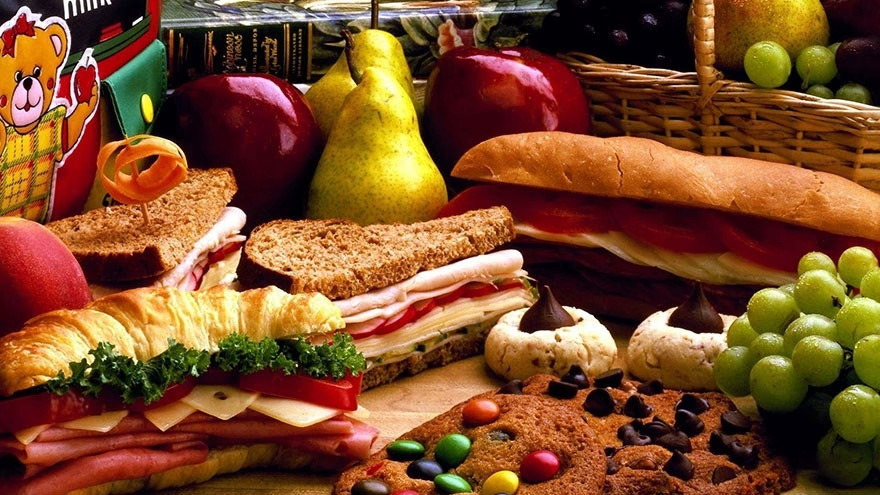
Fun Food Facts You Never Knew should be fun, but they should also be true. Food history is full of repeated myths, half-stories, and neat little claims that fall apart as soon as you ask who first wrote them down.
This version keeps the facts grounded. Some are historical, some are science-adjacent, and some are about how familiar foods became familiar. The point is not to win trivia night by shouting the loudest. It is to enjoy food with a little more context.
Are Fortune Cookies Actually Chinese?
Fortune cookies are strongly associated with Chinese restaurants in the United States, but their origin story is tangled. Smithsonian Magazine's fortune cookie history discusses Japanese American roots and the way the cookie became tied to Chinese American dining after World War II.
That makes the cookie a good food-history lesson: a dish can become culturally meaningful in one setting even when its roots point somewhere else. Livecub's cookie display guide is about presentation, but fortune cookies show that presentation can carry a whole story.
Did George Washington Carver Invent Peanut Butter?
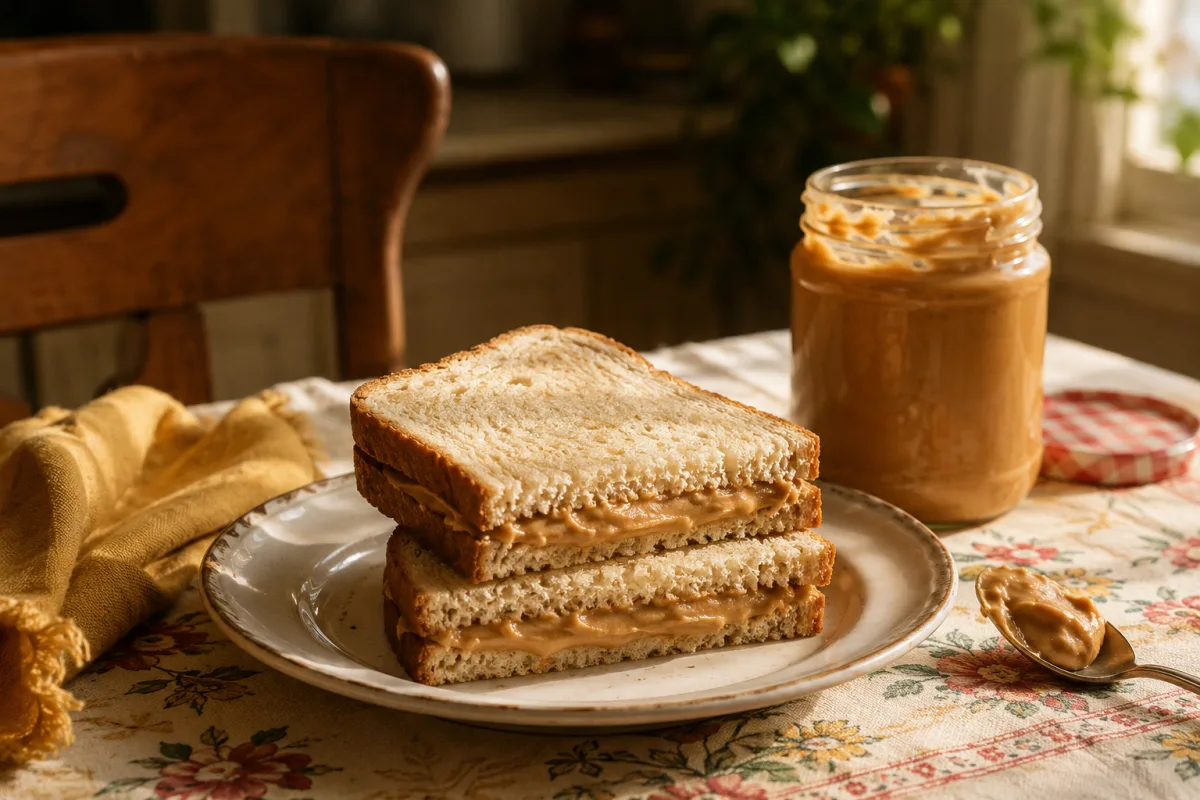
No. Carver did valuable work promoting peanuts and agricultural uses, but peanut butter existed before his most famous public work. The Library of Congress article on peanut butter and jelly history notes that peanut butter sandwiches were once treated as more upscale than everyday lunchbox food.
The real story is more interesting than the myth. Peanut butter moved through health food, machinery, advertising, school lunches, rationing, and home habit before it became ordinary.
Why Was Chocolate Once A Drink?
Long before modern chocolate bars, cacao was used in drinks. National Geographic's chocolate history overview explains cacao's ancient roots and the long journey from seed to sweet treat.
That shift from bitter drink to sweet bar took trade, sugar, machinery, and changing taste. A chocolate bar feels simple now because centuries of agriculture and manufacturing sit behind it.
Did A Candy Bar Inspire The Microwave?
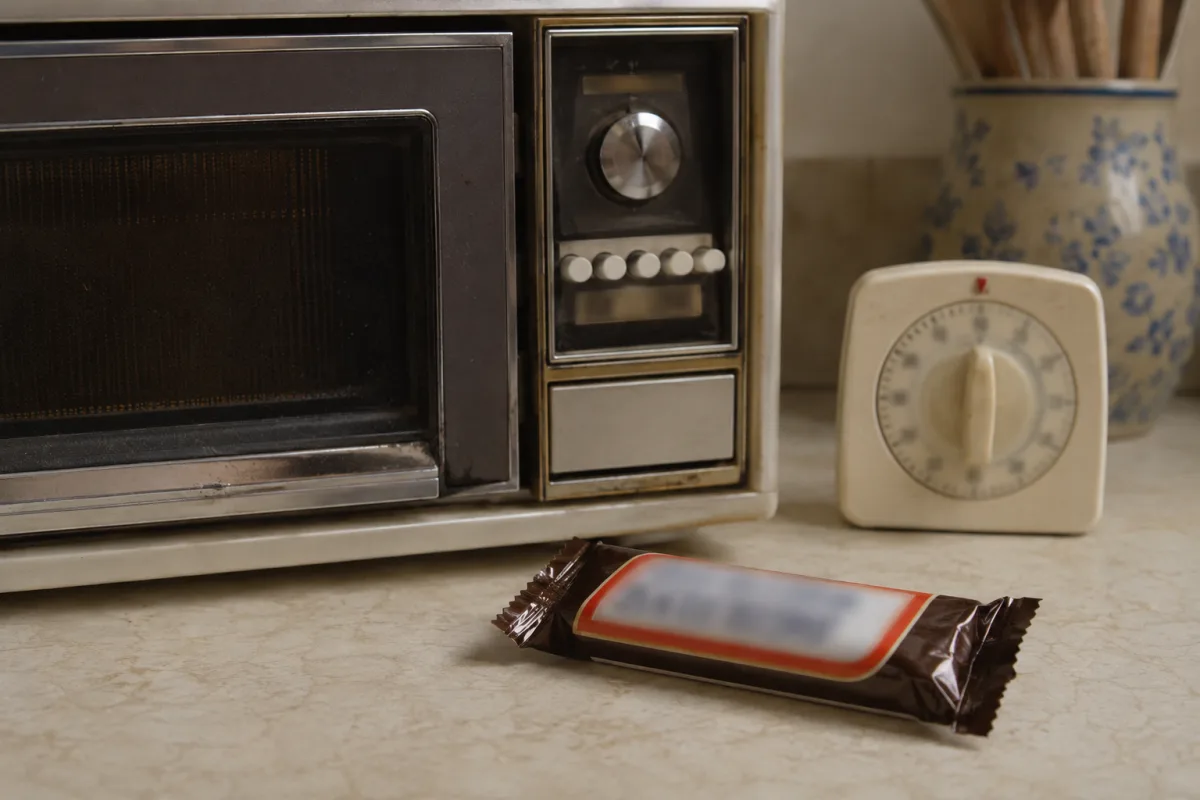
The common story says Percy Spencer noticed a candy bar melting while he worked around radar equipment. The microwave oven's history connects the appliance to wartime radar research and Spencer's experiments.
As with many invention stories, the snack detail is memorable because it turns engineering into a kitchen image. The bigger fact is that the microwave came from industrial and military technology before it became a home appliance.
Why Do Some Foods Feel Traditional But Are Recent?
Foods become traditional when people repeat them, not only when they are ancient. A recipe can be a few decades old and still matter deeply to a family or region. The age of a food and the emotional weight of a food are not the same thing.
Livecub's Percy Spencer's Hot Pocket article fits this idea: convenience foods can become part of memory even when their technology and branding are modern.
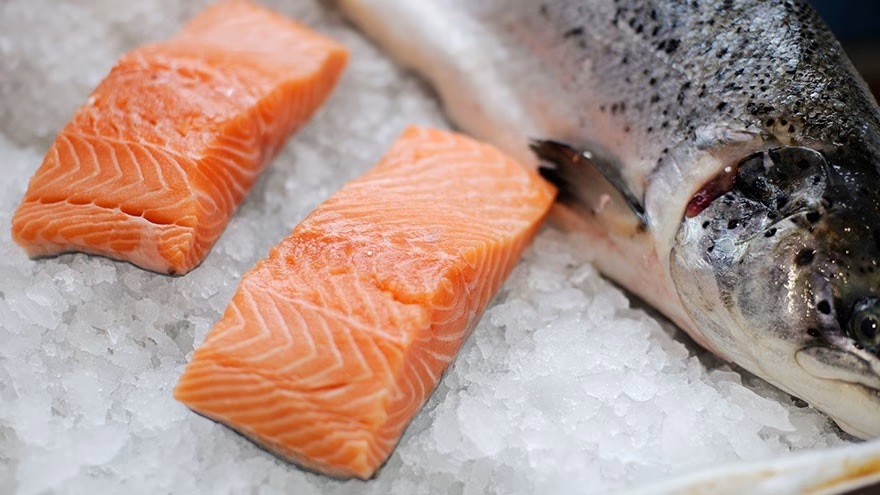
Why Is Salmon History Complicated?
Salmon is not just a dinner protein. It has Indigenous, commercial, ecological, and regional histories. Canned salmon, smoked salmon, wild runs, farmed salmon, and river restoration all belong to different parts of the story.
Livecub's history of salmon can sit beside broader food facts because it shows how one ingredient can connect trade, environment, and culture.
Why Did Spices Change Food History?
Spices shaped trade routes, empires, kitchen habits, and status. They were not only flavor. In many periods, spices signaled wealth, preservation attempts, medicine, ceremony, or access to long-distance trade.
That does not mean every spice story online is true. Be careful with claims that one spice caused a whole war by itself. Food history usually has money, geography, power, and timing mixed together.
Why Do People Love Origin Stories?
Origin stories make food easier to remember. "A worker dropped a chip," "a candy bar melted," or "someone made a mistake" sounds better than a slow history of tools, factories, and market demand.
Some accident stories are partly true. Others are marketing. A good food fact should survive a second source and should not depend on one perfect scene that nobody documented at the time.
Can A Food Fact Be True And Misleading?
Yes. "This food was once expensive" may be true, but it needs a time and place. "This food came from another culture" may be true, but it should not erase the people who adapted it later.
Short facts often flatten history. A better approach is to ask what changed: ingredients, tools, migration, laws, prices, advertising, refrigeration, or taste.
What Food Facts Work At Dinner?
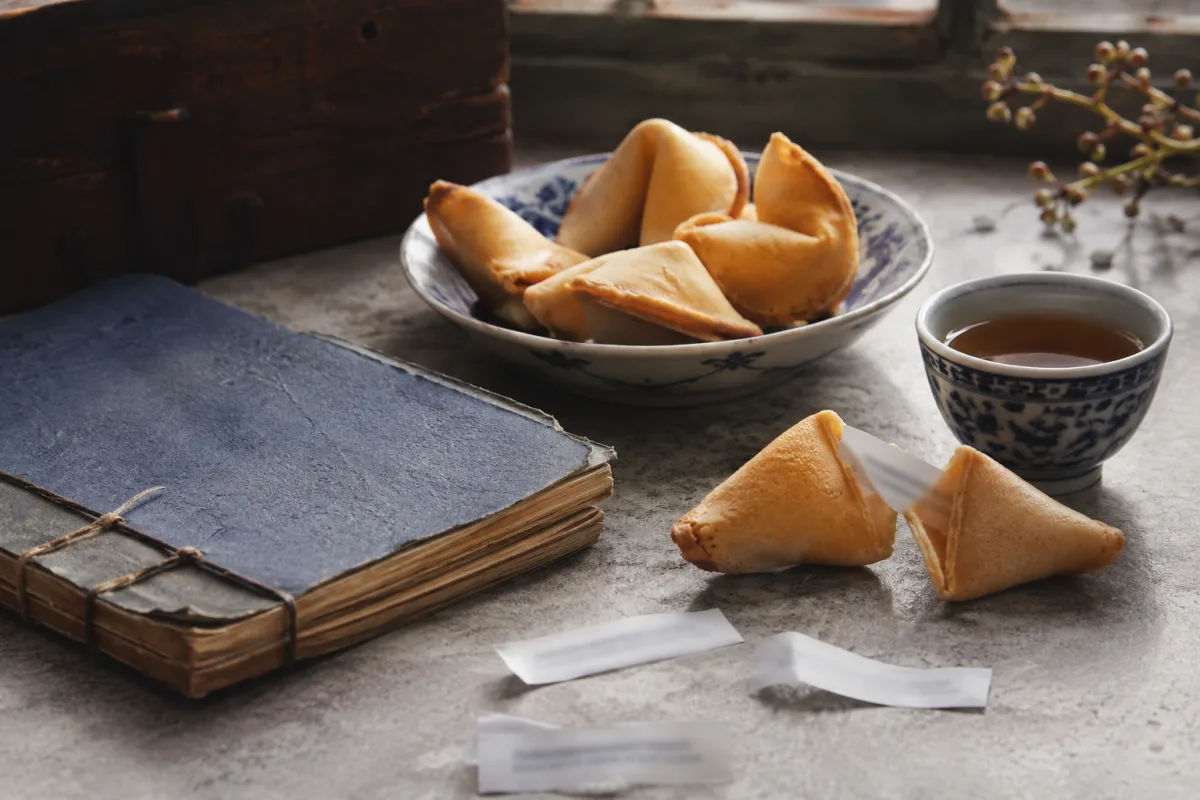
Use facts that invite conversation rather than correction. Fortune cookies, peanut butter sandwiches, chocolate drinks, microwave ovens, and salmon history all give people something to add from their own memory.
If you are cooking while talking, Livecub's Yugoslavian chicken recipe and fudge icing recipe are good reminders that everyday family recipes often carry stories that never make it into big history books.
Why Do Food Names Travel?
Food names often move faster than recipes. A dish may keep an old name after ingredients change, or a name may be borrowed because it sounds familiar to customers. That is why restaurant menus, family cookbooks, and packaged foods can tell different versions of the same food.
Names also change when people migrate. A recipe may be adapted for local flour, local fish, local sugar, or available spices, while the name keeps a memory of the older place. That does not make the new version fake. It makes it part of the story.
Why Are Some Facts Regional?
A food fact can be true in one country and confusing in another. Biscuits, pudding, chips, jelly, and tea can mean different things depending on where you are standing. The words carry local habits.
This is why good food trivia needs context. "People eat this for breakfast" is not a complete fact until you know which people, which period, and which version of the dish.
What Makes A Food Fact Memorable?
The best facts connect surprise with something people already know. Peanut butter, chocolate, microwaves, cookies, and salmon are familiar enough that a small history twist feels satisfying rather than random.
Facts also stick when they change how you see the next bite. If a cookie makes you think about immigration, or a microwave makes you think about radar research, the fact has done more than decorate the conversation.
A good fact should make the table curious, not smug.
How Do You Check A Food Fact?
Look for museums, libraries, academic sources, food historians, and primary documents where possible. Be skeptical of posts that copy the same sentence without naming a source.
Also watch the word "invented." Many foods do not have one inventor. They have older relatives, regional variations, commercial versions, and later names.
How Did Refrigeration Change Food?
Refrigeration changed what could travel, how long food could last, and what people expected from stores. Fresh milk, meat, fish, leftovers, and frozen desserts became easier to manage once cold storage moved from ice houses into everyday homes.
That shift also changed taste. People could keep ingredients longer, shop less often, and trust foods that once had to be eaten quickly or preserved with salt, smoke, sugar, or drying. A quiet appliance changed the rhythm of meals.
Why Do Herbs Have Histories Too?
Small ingredients can carry long stories. Lavender, mint, basil, rosemary, and saffron are not only flavors or scents; they have been tied to medicine, trade, gardens, religion, and household routines.
Livecub's history of lavender is a good example. A plant can move between kitchen, perfume, medicine cabinet, and memory without belonging to only one category.
Frequently Asked Questions
Are all food origin stories false?
No. Some are well supported, but many are simplified or repeated without evidence.
What is the best source for food facts?
Museums, libraries, food historians, universities, and documented archives are better than unsourced trivia posts.
Why do food myths spread so easily?
They are short, surprising, and easy to retell. Accuracy takes more space.
Can family food stories count as history?
Yes, for family and community memory, though they should be separated from broad historical claims.
Should food facts include dates?
Dates help, especially when a claim depends on who did something first.
What Is The Best Way To Enjoy Food Facts?
Treat them as doorways, not final answers. A good food fact should make you want to learn more, cook something, ask an older relative, or check the story behind a familiar bite.

Linda Fehrman
Edits general wellness and relationship explainers. Health material is educational, avoids diagnosis and links to health-authority guidance.



Leave a reply
Replying to