

Outdoor self-esteem activities for teens should feel less like a lecture and more like a place to try something, recover from awkwardness, and notice progress. Teens know when an activity is secretly a confidence lesson wrapped in forced enthusiasm.
The best options give them choice, movement, skill, and social connection. They also leave room for quiet kids, anxious kids, disabled teens, kids who dislike sports, and teens who are tired of being told to be more outgoing.
Start With Low-Pressure Movement
CDC guidance says children and adolescents ages 6 to 17 need at least 60 minutes of physical activity daily, with activities that fit their age and are enjoyable: CDC child activity guidance. That does not mean every teen needs a team sport.
A walk with a camera, a slow bike ride, a casual basketball shootaround, geocaching, gardening, or helping set up a picnic can count as a start. The goal is to connect movement with capability, not punishment.
Use Nature As A Reset
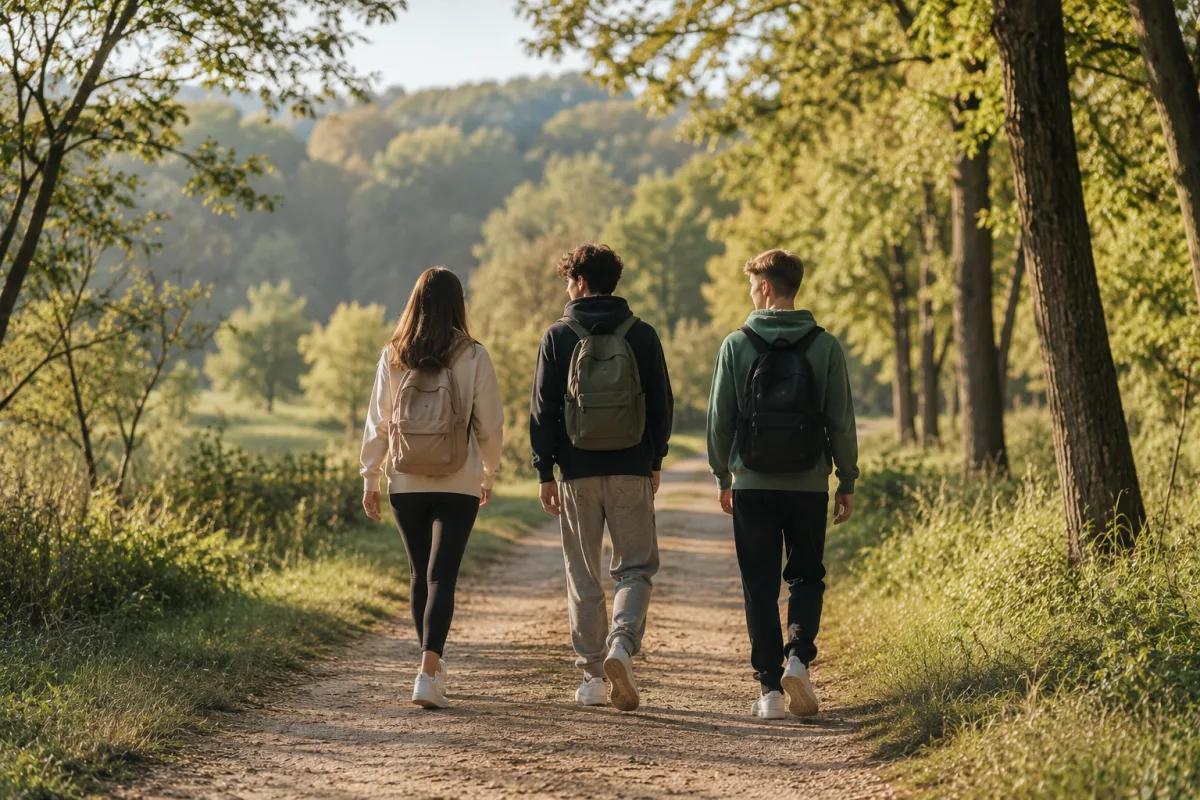
APA has reviewed research linking nature exposure with attention, lower stress, and better mood: APA on nature and mood. For a teen who feels watched all day at school, being outside can reduce the feeling of being under a spotlight.
Try a no-phone nature walk, a five-senses scavenger hunt, bird-listening, cloud sketching, or finding one small thing that changed since last week. These are not childish if they are framed as observation instead of performance.
For teens whose anxiety spikes before performance moments, Livecub's piece on being less nervous for a sports tryout is a useful related topic.
Pick Activities That Build Skill
Self-esteem is steadier when a teen can point to something they learned. That might be pitching a tent, repairing a bike tube, building a small fire safely where allowed, learning basic knots, growing herbs, using a compass, or planning a route.
Skill gives confidence evidence. A teen does not have to say, I am confident. They can say, I know how to do this one thing now, and that sentence has weight.
Make Teamwork Specific
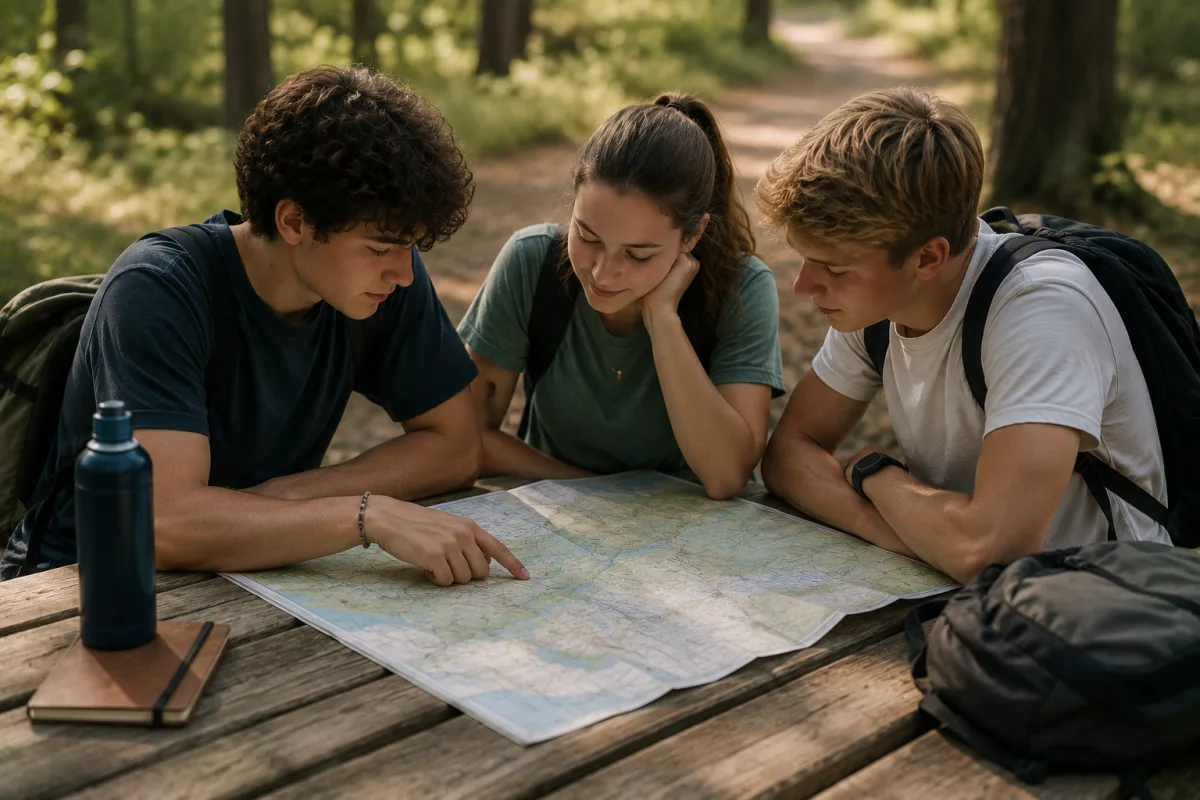
Child Mind Institute notes that outdoor play can build confidence through responsibility and unstructured activity: Child Mind Institute on time in nature. For teens, the teamwork has to be concrete. Give one person the map, one the snacks, one the time check, and one the camera.
Vague group bonding can feel fake. A shared task feels different because everyone has a job. Even a shy teen can own the playlist, water count, route notes, or clean-up plan.
If public attention is part of the problem, the Livecub guide to stage fright connects well with confidence built through small exposures.
Use Challenge Without Humiliation
A challenge can help if the teen helped choose it. A hike, climbing wall, paddle session, relay, or ropes course can build pride. It can also backfire if adults use it to prove a point or compare one teen with another.
Keep challenge adjustable. Offer a short route and a longer route, a beginner task and a harder task, a solo option and a partner option. Real choice protects dignity.
Add Service Projects
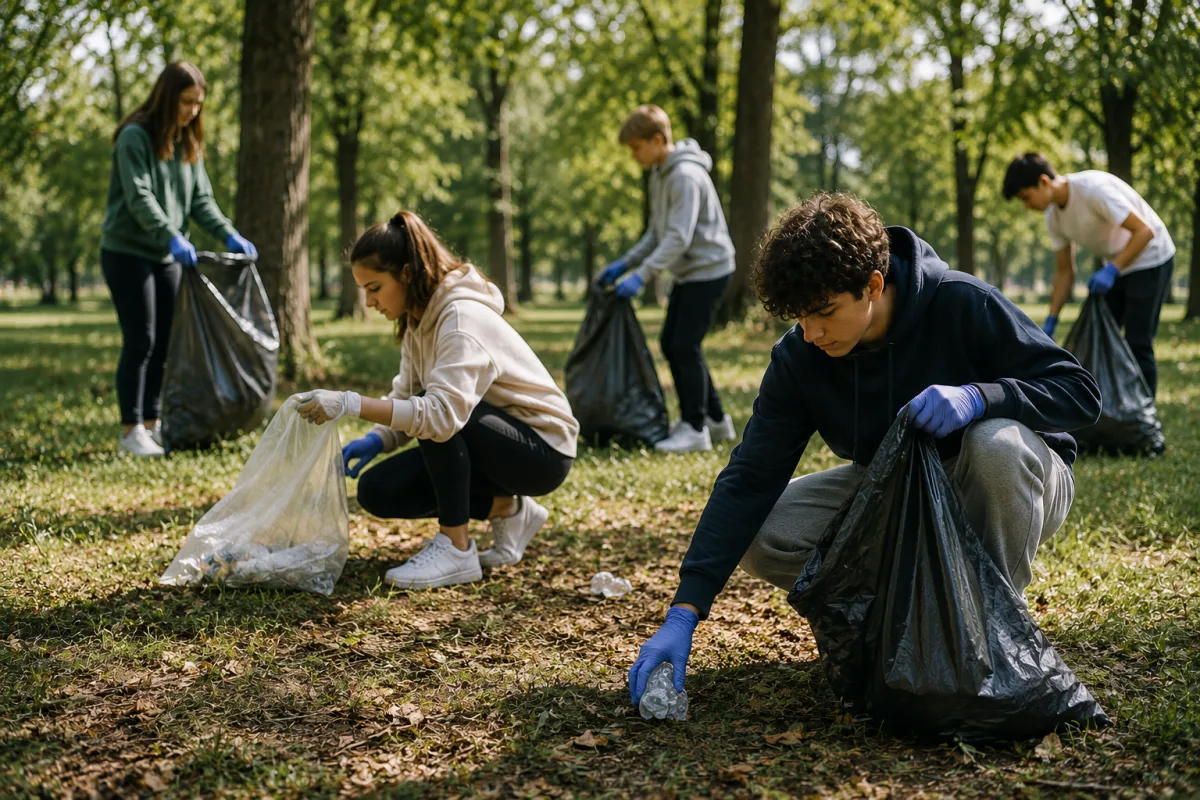
Trail cleanups, community gardens, dog shelter walks, park painting days, and neighborhood litter pickups let teens be useful without making the day all about feelings. That can be a relief.
Service also changes the question from How do I look? to What can I contribute? For teens caught in comparison, that shift can be more useful than another talk about confidence.
Handle Social Media Carefully
If the whole outdoor activity becomes content, some teens will start performing again. Set a simple agreement: photos are optional, no posting without consent, and no comments about bodies, speed, sweat, food, or clothing.
APA's adolescent social media advisory warns about comparison around appearance-based content. Outdoor plans should reduce comparison, not move it to a different background.
Plan For The Teen Who Says No
A teen who refuses may be tired, depressed, embarrassed, overstimulated, or worried about being judged. Offer a smaller role: sit outside for lunch, water plants, walk to the corner, hold the dog leash, or choose the route from a map.
Some communication problems need care beyond activities; Livecub's article on selective mutism is a reminder not to treat silence as defiance.
Use Reflection Without Making It Awkward
Do not end with a big circle where everyone has to share a breakthrough. Ask one small question while walking back: What part was easier than expected? What would you change next time? What job would you take again?
A few notes can help patterns stand out. The same low-pressure tracking habit appears in writing a food journal, where observation matters more than judgment.
Keep Safety Boring And Solid
Check weather, water, sun, allergies, medications, transportation, consent, and supervision. Teens can help with this. Giving them real planning work is part of the self-esteem benefit.
A good outdoor confidence plan leaves a teen feeling more capable, not exposed. The activity should end with tired legs, a small win, and no need to defend how they looked doing it.
Try A Photo Walk
A photo walk works for teens who dislike competitive activity. Give them a theme: circles, shadows, signs of spring, things people ignore, or colors in one block. They do not need to post the photos. The win is noticing, choosing, and showing one image if they want.
Use Outdoor Jobs
Some teens feel better when the activity has a job attached. Water plants, set up chairs, check the trail map, carry the first-aid kit, collect litter, or time the group. A role can reduce the awkward feeling of just standing around waiting to be confident.
Make A Choice Board
Offer several options instead of one big plan. Walk, garden, shoot baskets, sketch outside, help with a dog, plan a picnic, or do a park cleanup. Choice lets a teen enter through interest rather than compliance.
Plan The Aftercare
Outdoor activities can tire teens socially and physically. Build in a quiet ride home, water, food, and no immediate interrogation. The aftercare helps the activity feel safe enough to repeat.
Notice A Bad Fit
If a teen leaves more ashamed, compared, or exposed, the plan needs changing. Confidence activities should stretch a teen without turning them into a display. The adult should adjust the activity before blaming the teen's attitude.
Build In Mastery Without Competition
Mastery does not have to mean winning. A teen can learn to identify three plants, lead the last block of a walk, pack a day bag, read a bus route, or cook outside on a safe grill. The skill should be visible enough that the teen can say, I did that.
Keep Adults From Taking Over
Adults often overdirect when they are nervous. Let teens make some harmless decisions: which path, which game, which playlist, which snack, which cleanup role. If adults control every detail, the activity teaches compliance more than self-trust.
Include Teens With Different Bodies
Outdoor confidence plans should fit teens with asthma, pain, disability, sensory needs, different fitness levels, and different body sizes. Offer rest, shade, shorter routes, and non-athletic roles. No teen should have to earn belonging by keeping up.
Repeat The Same Activity
Novelty is not always better. Repeating a walk, garden task, or route lets a teen notice progress. The second or third time, they may lead, teach, or relax. Repetition can make confidence feel earned instead of performed.
Let Teens Teach Back
After a few sessions, let a teen teach one small part of the activity: how to pack the bag, where to turn, how to warm up, or how to set up the game. Teaching back turns private learning into quiet authority.
Use Weather Plans
Rain, heat, and cold should not ruin the whole idea. Have a porch version, indoor plant version, stretching version, or planning version ready. Keeping the promise in a smaller form builds trust.
End Before It Peaks
Stop while the teen still has some energy. Ending after everyone is irritable can stain the memory. A short activity that ends well is easier to repeat than a long one that proves too much.
Frequently Asked Questions
What outdoor activity builds teen confidence fastest?
The fastest gains usually come from a small skill the teen chooses, such as biking a route, gardening, climbing, or helping lead a walk.
Do teens need sports for self-esteem?
No. Sports help some teens, but outdoor confidence can also come from hiking, service work, photography, gardening, or nature observation.
How do I help a shy teen join?
Offer a useful role that does not require public speaking. Map holder, water checker, photographer, or route planner can work well.
Should phones be banned?
Not always. A consent rule for photos and a no-comparison tone often works better than a hard ban.
When is an activity not enough?
If distress, isolation, panic, self-harm talk, or major behavior changes appear, involve a qualified professional.
This article is for general information only and is not medical or mental health advice. If symptoms, distress, or safety concerns are present, contact a qualified professional or emergency services.

Timothy Davidson
Edits step-by-step general-interest guides for clarity, realistic limits and source verification.




Leave a reply
Replying to