
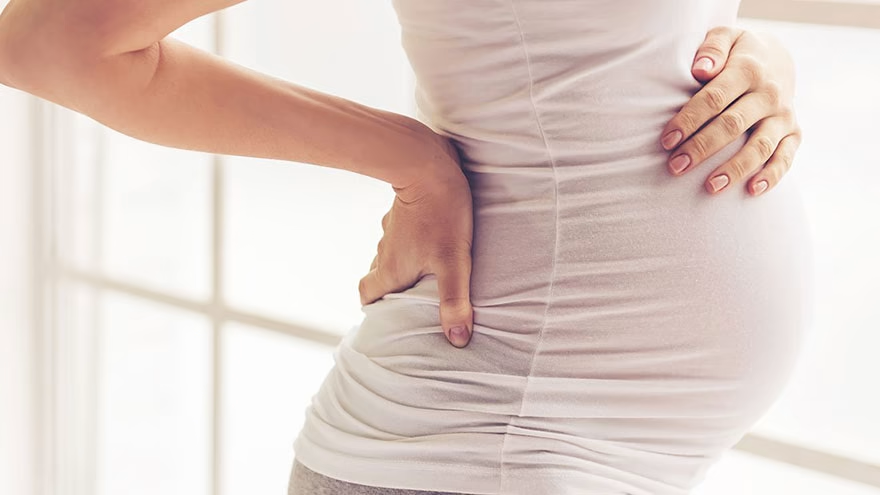
Hip Pain Relief During Pregnancy starts with taking the pain seriously. Hip, pelvic, buttock, and low-back pain can be common in pregnancy, but common does not mean you have to ignore it. The right response depends on pain location, trimester, walking difficulty, sleep position, and any warning signs.
This article is educational and not medical advice. Call your maternity care team for severe pain, fever, bleeding, contractions, fluid leakage, weakness, numbness, swelling in one leg, chest pain, or pain after a fall or injury.
Why Hip Pain Happens
Pregnancy changes posture, weight distribution, pelvic movement, sleep position, and ligament laxity. Relaxin and other hormones can make joints more mobile, while the growing uterus changes how the back, hips, and pelvis carry weight.
ACOG's back pain during pregnancy FAQ notes that posture, supportive shoes, safe lifting, heat or cold, and exercise can help many people with pregnancy back pain. Hip pain often overlaps with those same mechanics.
Pelvic Girdle Pain
Some hip pain is actually pelvic girdle pain, which can feel like pain in the front pubic joint, groin, hips, thighs, buttocks, or low back. It may worsen with stairs, rolling in bed, getting dressed, walking, standing on one leg, or getting in and out of a car.
The NHS pelvic pain in pregnancy guidance says treatment can include exercises for pelvic floor, stomach, back, and hip muscles, and sometimes equipment such as support belts or crutches.
Side Sleeping Support

Hip pain often gets worse at night because side sleeping loads one hip. Use a pillow between the knees to keep the top leg from pulling the pelvis forward. Add a pillow under the bump and one behind the back if you roll or twist.
For emotional and practical backup late in pregnancy, Livecub's early labor support guide may help you explain what kind of help you need before pain and fatigue pile up.
Heat, Cold, And Gentle Massage
Heat can relax tight muscles; cold can help irritated areas. Use moderate temperatures and keep heat away from the belly unless your clinician says otherwise. A warm shower, heat pack on the low back or outer hip, or wrapped cold pack may help.
Gentle massage around the glutes, thighs, and low back can reduce muscle tension. Avoid deep pressure on painful joints, varicose veins, or areas that feel hot, swollen, or tender.
Move In Smaller Steps
Try keeping knees together when rolling in bed, getting out of a car, or standing from a chair. Sit to put on pants, socks, and shoes instead of standing on one leg. Take stairs one step at a time if needed.
Small movement changes can reduce repeated strain. They are not glamorous, but they often make daily life easier.
Exercises That May Help
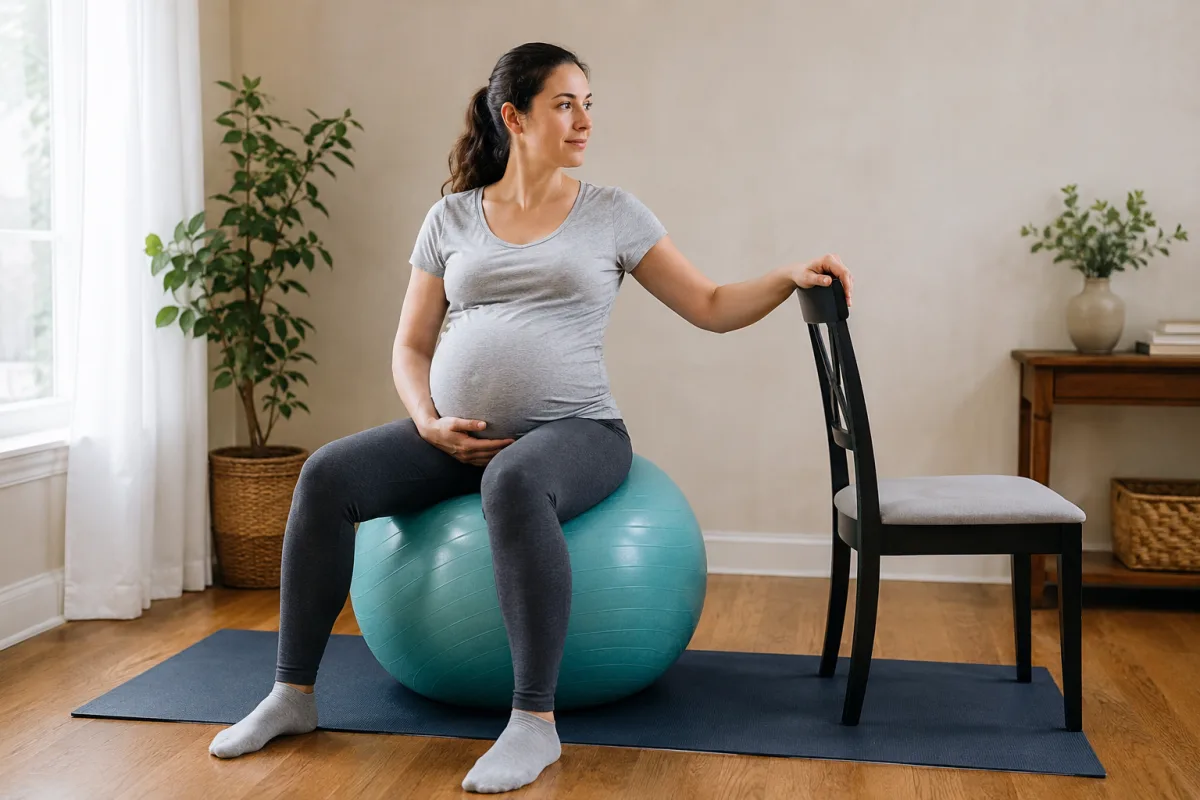
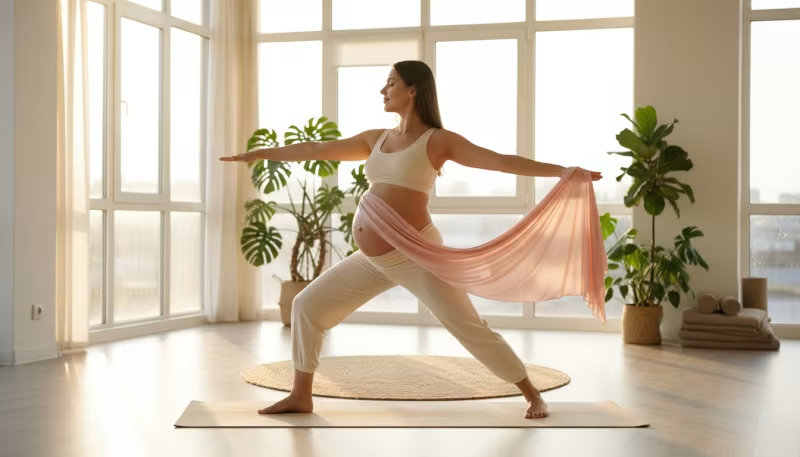
Gentle pelvic tilts, supported hip circles, side-lying leg support, glute squeezes, and prenatal mobility work may help some people. The HSE's pelvic girdle pain exercises advise that exercises should feel comfortable, not painful.
If pain increases during an exercise, stop and ask for guidance. A pelvic health physiotherapist can tailor movements to your body and stage of pregnancy.
Move slowly between positions and use support where you need it. A chair, wall, counter, or partner's hand can make a gentle exercise safer. Pregnancy is not the time to force a stretch because it looked simple in a video.
Support Belts And Footwear
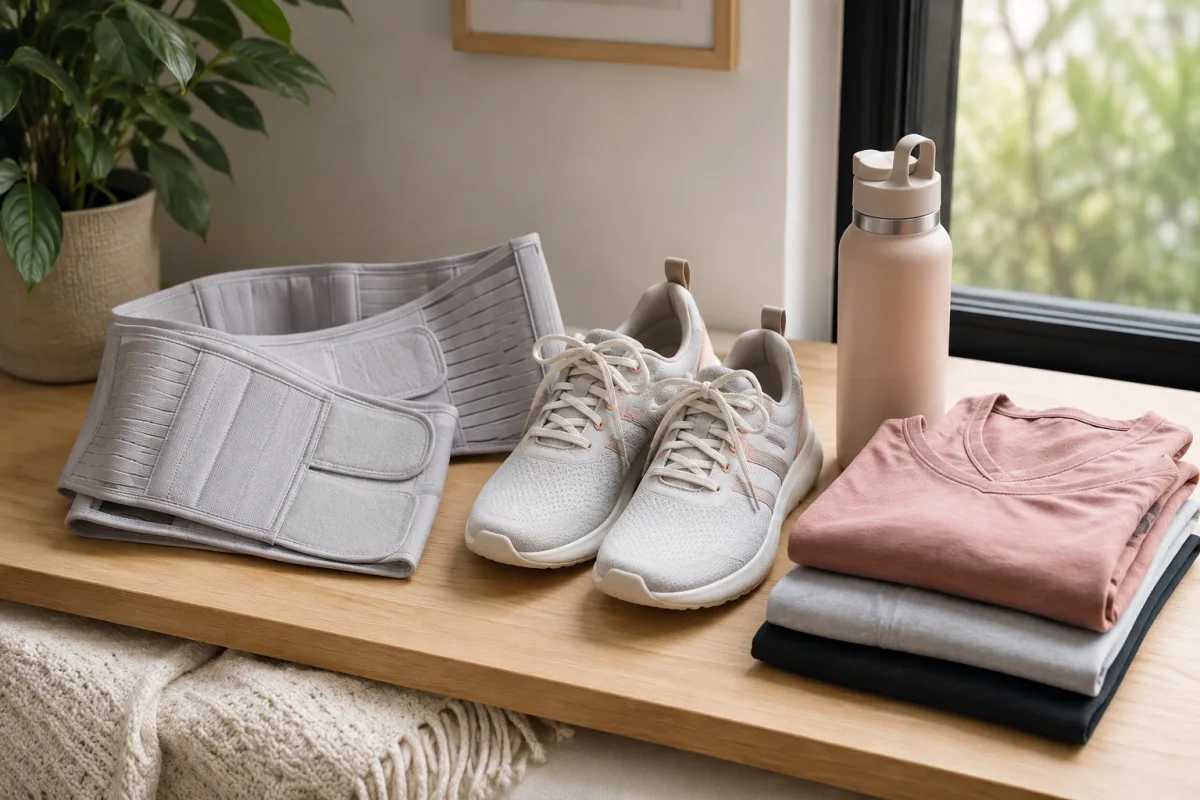
A maternity support belt or pelvic support garment may help some people, especially during walking or standing. Fit matters. Too tight, too loose, or worn too long can make discomfort worse.
Supportive shoes can also help. High heels, unsupportive flats, and worn-out sneakers may change how the hips and pelvis absorb movement.
Work And Daily Tasks
Ask for practical adjustments if work worsens pain: shorter standing periods, a chair, fewer stairs, help lifting, closer parking, or breaks to change position. At home, split chores into shorter sessions and ask for help with laundry baskets, groceries, and toddlers.
If you sit for long stretches, raise both feet on a low support and keep hips level. If you stand for long stretches, shift positions before pain spikes instead of waiting until you are limping. Some people do better with a timer that reminds them to change position every 20 to 30 minutes.
If body changes feel emotionally hard, Livecub's feeling attractive during pregnancy and staying intimate during pregnancy may help with the relationship side of discomfort.
Make A Pain Map
Before your next prenatal visit, write down where the pain sits, what triggers it, what eases it, and what you can no longer do comfortably. Note whether the pain is sharp, aching, burning, pulling, or unstable. Mention if it wakes you, changes your walk, or makes rolling in bed difficult.
A clear pain map helps your clinician decide whether you need reassurance, a pelvic health referral, modified exercise, medication guidance, or assessment for a different problem. It also keeps you from minimizing pain during a short appointment.
Ask For Skilled Help Early
You do not have to wait until pain is severe to ask about pelvic health physiotherapy. Earlier help can teach safer movement, sleep positioning, bracing, and exercises matched to your body. If a suggested exercise makes symptoms sharper, that is useful information, not a personal failure.
Bring up cost, transport, childcare, and work limits if they block treatment. Your care team may know lower-cost options, home routines, or timing changes that fit your life better.
Sleep Without Bracing All Night
Try to set the bed before you are exhausted. Keep pillows within reach, use a folded towel under a sore spot if it helps, and roll with knees together instead of twisting one leg ahead of the other. If you wake in pain, change position slowly and breathe before standing.
Many people need to reset pillows several times a night. That does not mean you are doing it wrong. The goal is less strain, not perfect stillness.
Plan The Day Around Pain Peaks
Notice when hip pain is worst. Some people hurt more after errands, others after sitting, cleaning, or night feeding an older child. Put harder tasks near your best time of day and place rest breaks before symptoms flare.
Simple planning can reduce frustration. Keep water, snacks, shoes, and pillows where you use them most. If a task always causes pain, treat that as a signal to change the task, ask for help, or discuss it at your appointment.
When Hip Pain Is Not Just Hip Pain
Call your provider if pain is one-sided and severe, follows a fall, comes with fever, bleeding, contractions, leaking fluid, numbness, weakness, calf swelling, or trouble walking. Pain with urinary symptoms or abdominal pain should also be discussed.
If food, nausea, or constipation worsens discomfort, Livecub's bland diets for pregnancy may help with gentle food ideas, but pain warning signs still need medical advice.
Mental Load Of Ongoing Pain
Persistent pain can affect sleep, mood, work, and patience. If pain is wearing you down, say that clearly at prenatal visits. "It hurts" and "I cannot sleep because of this" may lead to different levels of support.
Livecub's depression during pregnancy article can help if pain begins to affect mood, but urgent mental health symptoms need immediate support.
Track pain without turning it into a second job. One daily note can be enough: pain level, main trigger, what helped, and sleep quality. If tracking makes you feel more anxious, stop and bring that up with your provider too.
Frequently Asked Questions
Is hip pain normal during pregnancy?
It can be common, but severe, one-sided, worsening, or disabling pain should be evaluated.
What sleeping position helps pregnancy hip pain?
Side sleeping with pillows between the knees, under the bump, and behind the back may help.
Can I use heat for hip pain?
Moderate heat on the hip or low back may help, but avoid overheating and ask your clinician if unsure.
Should I exercise through pelvic pain?
No. Exercises should feel comfortable. Stop if pain increases and ask for professional guidance.
Can a pelvic floor physical therapist help?
Yes. A pelvic health physiotherapist can assess movement and suggest pregnancy-safe strategies.
The Practical Relief Plan
Hip pain relief during pregnancy usually means side-sleep support, smaller movements, safe heat or cold, gentle exercise, supportive footwear, possible belts, and early help from a clinician or pelvic health physiotherapist when pain limits daily life.

Cashie Evans
Covers parenting and practical household topics with clear steps, safety notes and links to current guidance.

Leave a reply
Replying to