
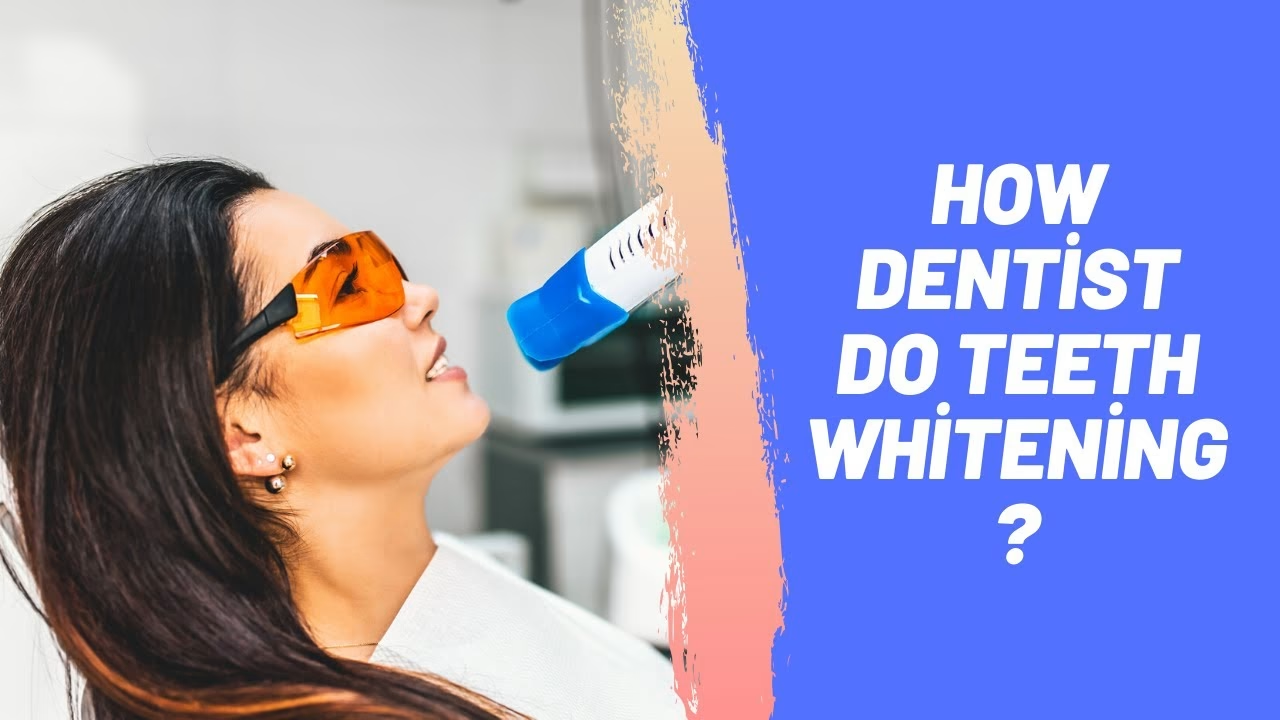
How Does Dentists Do Teeth Whitening? A dentist starts by checking whether whitening is appropriate, then uses bleaching products or supervised trays to lighten stains on natural teeth.
This is general oral health education, not dental advice. See a dentist before whitening if you have pain, gum disease, cavities, crowns, veneers, exposed roots, pregnancy questions, or severe sensitivity.
Start With An Exam
Dentists check teeth, gums, restorations, stains, sensitivity, and oral health before whitening. Whitening a painful or decayed tooth is not the same as whitening a healthy one.
ADA's whitening topic page says whitening can involve in-office bleaching, dentist-supplied home products, and over-the-counter whiteners.
Set Expectations
Whitening changes natural tooth color, not crowns, veneers, fillings, bonding, or dentures. If front teeth have restorations, whitening may create a color mismatch.
A dentist may recommend replacing visible restorations after whitening, but that adds cost and should be discussed before treatment.
Clean And Shade Check
The office may record your starting shade and sometimes clean surface stain first. A shade guide helps compare before and after without relying on memory.
Photos can help, but lighting changes can exaggerate results. Ask what result is realistic for your type of stain.
Protect Gums
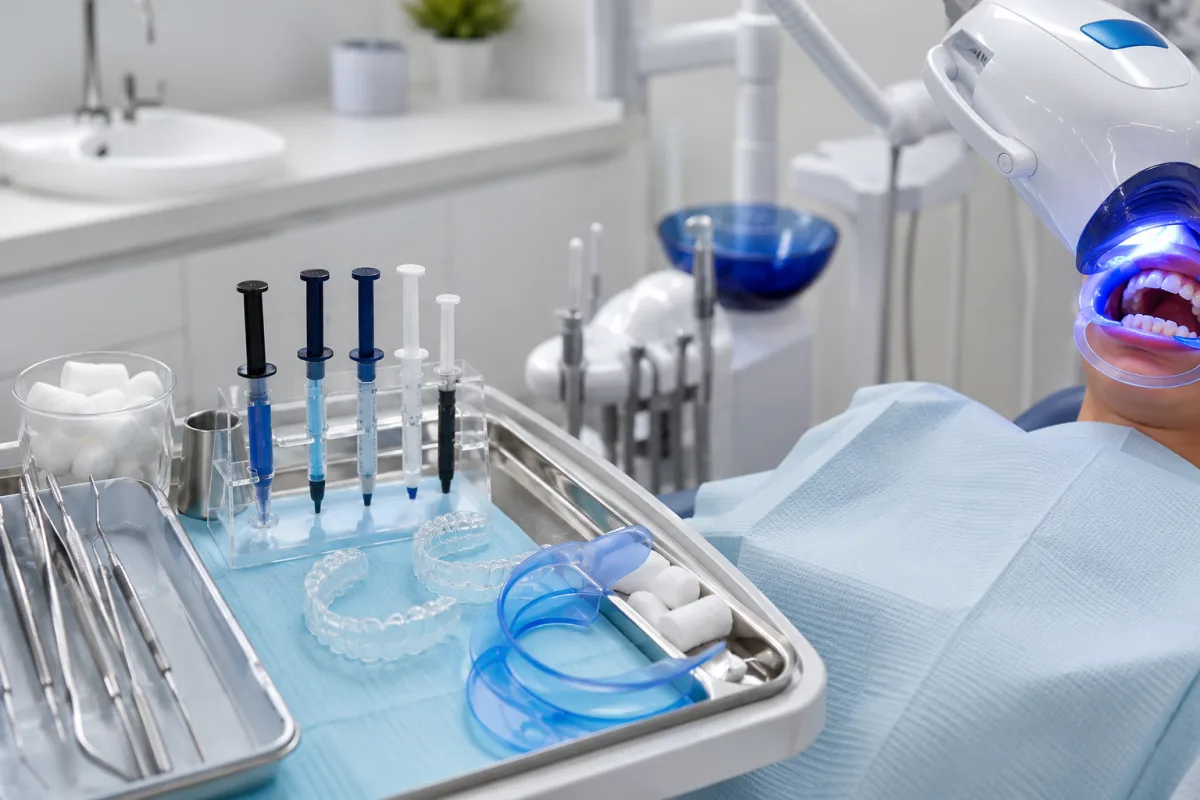
For in-office bleaching, the dentist protects gums with a barrier, gel, or shield before applying bleaching material. ADA's MouthHealthy page on teeth whitening describes chairside bleaching and gum protection.
The barrier matters because peroxide can irritate soft tissue. Tell the dentist right away if you feel burning or sharp discomfort.
Apply Whitening Gel
The active ingredient is often hydrogen peroxide or carbamide peroxide. The gel stays on the teeth for a set time and may be refreshed during the appointment.
Some offices use lights. Ask what the light is meant to do and whether it changes risks, time, or cost.
Rinse And Recheck
After the gel is removed, the dentist checks color and tissue comfort. Some people see a quick change; others need more sessions or home trays.
Do not judge the final shade only in the chair. Teeth can look temporarily brighter or dehydrated right after treatment.
Take-Home Trays
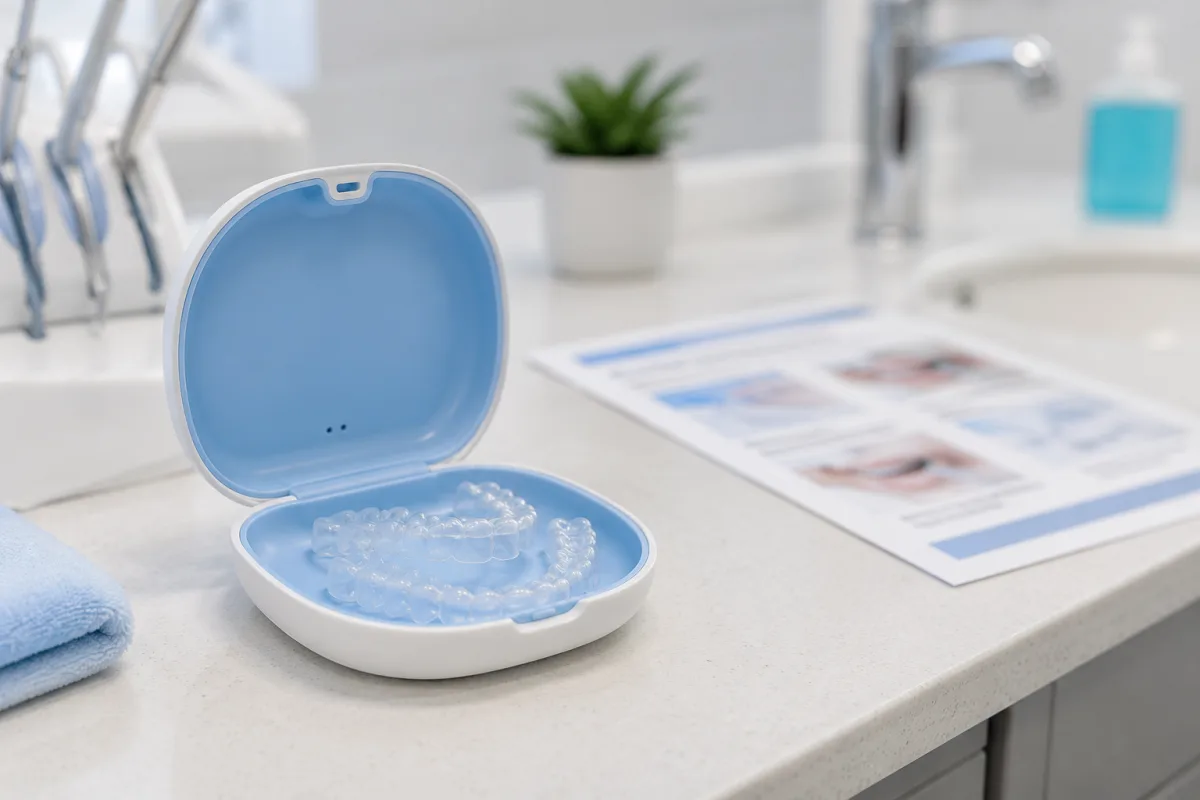
A dentist may make custom trays and prescribe gel for home use. This can be slower than in-office whitening but gives controlled contact and follow-up.
Use the gel only as directed. More time or more gel can increase sensitivity and gum irritation.
Sensitivity
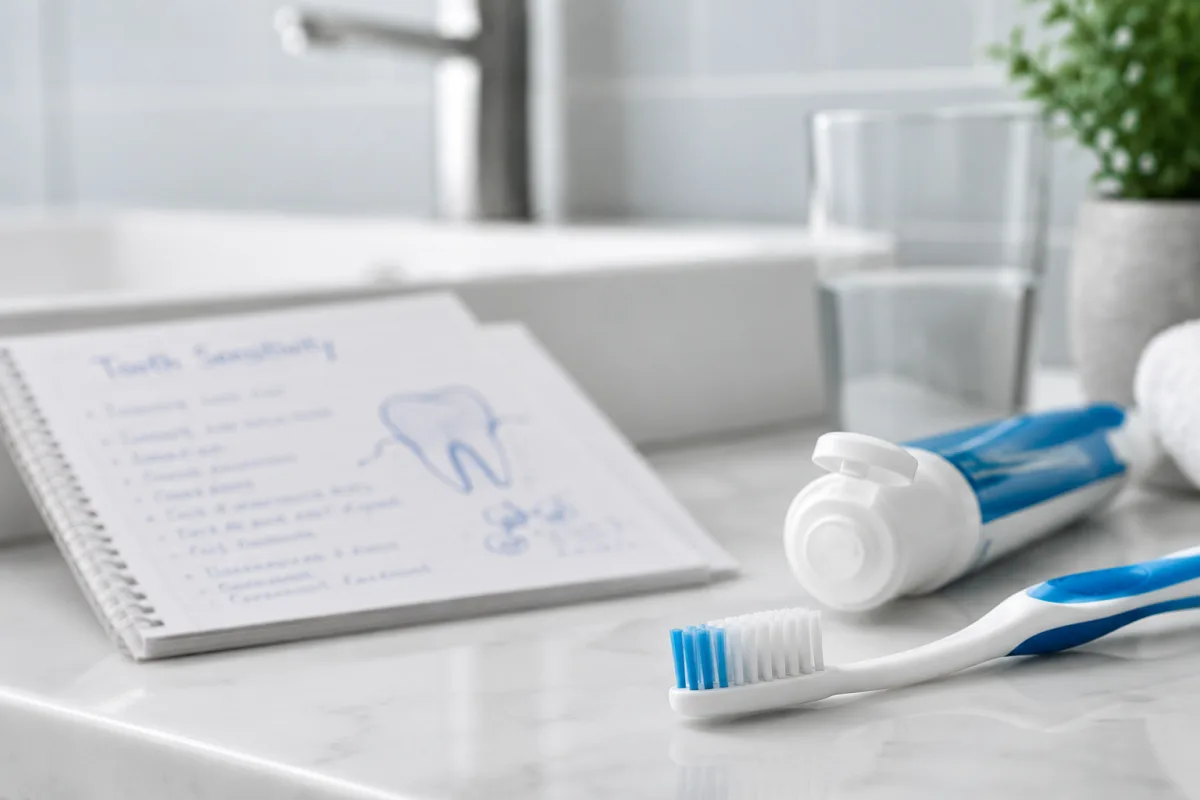
Tooth sensitivity and gum irritation are common side effects. Johns Hopkins notes these are common risks with peroxide bleaching on its teeth whitening page.
Tell the dentist if you already have sensitive teeth, gum recession, cracked teeth, or exposed roots.
Who Should Wait
People with untreated cavities, gum disease, oral sores, severe sensitivity, or unclear dark stains may need dental treatment before whitening.
Gray or brown stains, trauma, and medication-related discoloration may not respond like coffee or tea stains.
Food And Stain Habits
Coffee, tea, red wine, tobacco, dark sauces, and poor brushing habits can shorten results. A simple stain diary can help if discoloration returns quickly.
Livecub's food journal guide is not dental care, but tracking habits can reveal patterns that affect teeth color.
Older Adults
Older adults may have gum recession, crowns, bridges, dry mouth, or medication effects that change whitening decisions.
Livecub's motivating elderly adults article may help caregivers support dental appointments without pressure.
Dental Anxiety
Whitening is elective, so fear matters. Ask the office to explain each step, stop signals, cost, and sensitivity plan before treatment starts.
If performance or medical anxiety affects appointments, Livecub's stage fright guide may be loosely relevant to body alarm and preparation.
Cost And Maintenance
In-office whitening often costs more than over-the-counter products. Dentist-supervised trays may cost less than chairside treatment but more than strips.
Ask what is included: exam, cleaning, trays, gel refills, follow-up, sensitivity products, and retreatment.
Avoid Over-Whitening
Repeated whitening without supervision can irritate gums, increase sensitivity, and create unrealistic shade chasing.
The best result is healthy-looking teeth that fit your mouth, not the whitest shade possible at any cost.
Intrinsic Versus Extrinsic Stains
Surface stains from coffee, tea, tobacco, or foods can respond differently from deeper stains inside tooth structure. Trauma, medication history, and enamel changes can affect results.
A dentist's exam helps identify why teeth look darker before picking a whitening method.
Before Whitening Photos
Some offices take photos before treatment. Photos help compare results, but shade guides and consistent lighting matter more than a dramatic phone picture.
Ask what shade change is realistic and how long results usually last for your habits.
Aftercare
For the first day or two, the dentist may suggest avoiding strong staining foods and drinks, depending on the product used. Follow the office instructions rather than a random online list.
If sensitivity flares, ask about desensitizing toothpaste, shorter tray time, or spacing treatments farther apart.
Over-The-Counter Products
Strips and whitening toothpaste may help surface stains or mild color changes, but fit and strength differ from dentist-supervised products.
Talk with a dentist before combining products. Using several whitening products at once can raise irritation risk.
Uneven Color
Teeth may whiten unevenly when stains, restorations, enamel thickness, or old dental work vary. That does not always mean the procedure was done wrong.
A dentist can explain whether more whitening, restoration replacement, or no further treatment makes sense.
Maintenance Visits
Whitening is not permanent. Touch-ups, cleanings, diet habits, tobacco avoidance, and home care affect how long the shade lasts.
Maintenance should protect oral health first. A whiter smile is not worth gum injury or chronic sensitivity.
Internal Bleaching
A tooth that darkened after trauma or root canal treatment may need a different approach, sometimes called internal bleaching. That is not the same as whitening all teeth from the outside.
Only a dentist can decide if that method fits the tooth and whether the tooth is healthy enough for it.
Gum Disease First
Bleeding gums, loose teeth, untreated gum disease, and heavy tartar should be addressed before cosmetic whitening. Whitening over inflammation can make discomfort worse.
A healthy foundation matters more than a brighter shade.
Realistic Shade Goals
Very white shades can look unnatural next to skin tone, age, and existing dental work. A dentist can help choose a shade goal that looks clean rather than artificial.
The right goal is a healthy-looking smile, not a race to the lightest shade on the guide.
Ask About Sensitivity Plan
Before treatment, ask what to do if sensitivity starts that night. Get instructions for toothpaste, pain relief, tray timing, and when to call.
Having a plan makes the first 24 hours less stressful if your teeth react.
Whitening And Enamel
Whitening products are designed for tooth surfaces, but misuse can irritate gums and increase sensitivity. Do not extend wear time because you want faster results.
Follow the dentist's timing. Faster is not always safer.
Whitening Toothpaste
Whitening toothpaste usually works on surface stain rather than deep color change. It may help maintenance, but it is not the same as peroxide bleaching.
Ask your dentist if an abrasive toothpaste is appropriate for your enamel, gums, and sensitivity history.
Timing With Dental Work
If you plan crowns, veneers, bonding, or fillings on visible teeth, ask whether whitening should happen before shade matching.
Dental materials are matched to the color of surrounding teeth. Whitening after new dental work can leave the restoration looking darker.
Stain Sources
Tobacco, coffee, tea, red wine, and some highly pigmented foods can stain teeth again. Rinsing with water and regular cleanings may help reduce new surface stain.
The goal is not to fear every food. It is to understand why results fade.
Who Performs It
Whitening should be supervised by a dentist or dental team according to local rules and the product being used. Ask who applies the material and who checks your mouth.
If a spa or kiosk offers whitening, ask what training they have and what they do if pain or tissue irritation occurs.
Stop Signals
Stop and call the office for severe pain, gum burns, swelling, or sensitivity that does not calm down as instructed.
Do not push through strong symptoms because you already paid for the treatment.
Frequently Asked Questions
How do dentists whiten teeth?
They examine the mouth, protect gums, apply bleaching gel, monitor timing, and check comfort and shade.
Does whitening work on crowns?
No. Whitening works on natural teeth, not crowns, veneers, fillings, or dentures.
Is teeth whitening painful?
Some sensitivity or gum irritation can happen, but severe pain should be reported.
How long does dentist whitening take?
In-office whitening may take one visit, while take-home trays can take days or weeks.
Should I see a dentist first?
Yes, especially if you have cavities, gum disease, restorations, stains, or sensitivity.
Dentists whiten teeth by first checking oral health, then using controlled bleaching methods, gum protection, shade monitoring, and sensitivity planning for natural teeth.

Timothy Davidson
Edits step-by-step general-interest guides for clarity, realistic limits and source verification.




Leave a reply
Replying to