
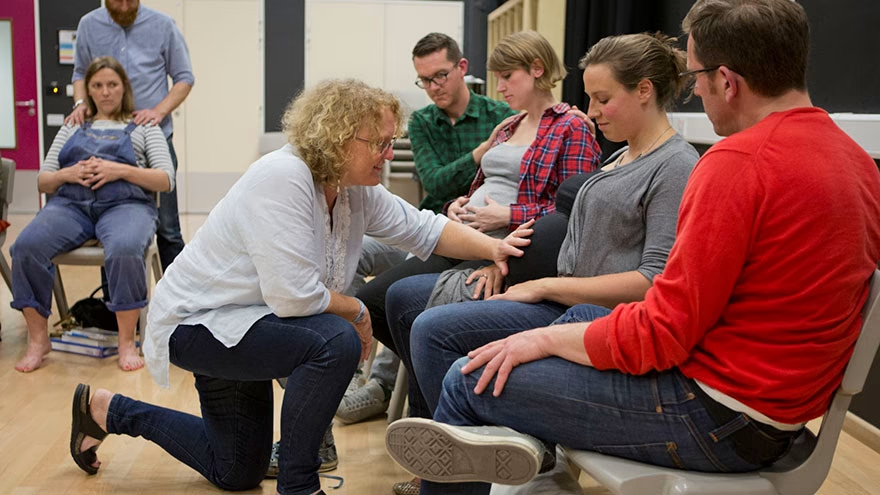
How to Be a Lamaze Coach is less about memorizing breathing patterns and more about becoming calm, useful, and respectful during labor. A good coach helps the birthing person feel informed and supported without taking over the birth.
This article is general pregnancy education, not medical advice. A Lamaze coach or support person does not replace nurses, midwives, doctors, doulas, or emergency care. Follow the birth team's instructions.
Understand Modern Lamaze
Modern Lamaze is not only patterned breathing. It focuses on confidence, movement, informed decision-making, support, and healthy birth practices. Learn the method before assuming it means one fixed breathing style.
Lamaze International's healthy birth practices include moving and changing positions, bringing continuous support, and avoiding non-medically needed interventions where appropriate.
Take A Class Together
If possible, attend childbirth education with the pregnant person. Learn the stages of labor, comfort tools, hospital routines, pain medication options, cesarean basics, postpartum warning signs, and newborn care.
Livecub's pregnancy intimacy article can help with a related support skill: talking gently about body changes, privacy, and closeness before birth.
Ask What Support Means
Do not assume. Ask: Do you want touch during contractions? Do you want reminders to breathe? Should I speak to staff or only help you ask questions? Who should be in the room? What words help when you panic?
Write the answers down. Labor is not the time to discover that your idea of encouragement feels irritating.
Practice Breathing Calmly

Practice slow breathing, soft jaw, low sounds, counted breathing, and reset breaths. The coach's job is to model calm, not shout instructions. If the birthing person changes rhythm, follow them.
Cleveland Clinic's Lamaze overview describes breathing techniques as one part of Lamaze, not the whole method.
Learn Comfort Touch

Practice counterpressure, hip squeeze, shoulder release, hand holding, and light touch before labor. Some people love massage between contractions and hate it during contractions. Ask before touching.
Livecub's early labor emotional support article can help with calm language and timing.
Protect The Room
A coach can lower noise, dim lights, reduce visitors, silence phones, find the water bottle, and help the birthing person stay focused. Small environmental changes can matter.
Do not turn support into performance. The person in labor is the center of the room.
Know Pain Options
A Lamaze coach should know that using pain medication is not failure. Learn about nitrous oxide, IV medicines, epidural, spinal anesthesia, movement, water, and position changes. Support the person's actual choice.
If body confidence affects movement or touch, Livecub's feeling attractive during pregnancy article can help with respectful language.
Use Questions Not Demands

If a procedure is suggested, help ask: What is happening? Why now? What are the benefits and risks? Are there alternatives? Is there time to think? What happens if we wait?
ACOG's guidance on limiting intervention recognizes continuous labor support as helpful. Support includes communication, not confrontation.
Watch Your Own Energy
Eat when allowed, hydrate, use the bathroom, and rest during early labor. A coach who refuses every break can become shaky, impatient, or useless right when support is needed most.
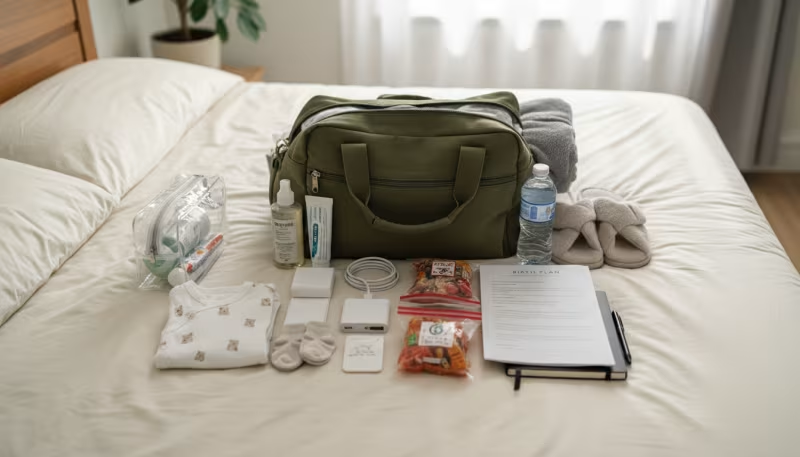
Pack layers, snacks, chargers, and a written plan.
During Transition
Transition can bring shaking, nausea, panic, or "I cannot do this." Keep your words short: "One contraction." "Breathe down." "I am here." "Look at me." Avoid long speeches.
If the person asks for a different plan, listen. Coaching is support, not enforcement.
During Pushing
Follow the staff's safety instructions. Help with position changes, cool cloths, water, quiet encouragement, and reminders to relax between pushes. Do not count loudly unless the birthing person wants that.
Mayo Clinic's labor positions guide shows how partners can support standing, swaying, and position changes.
After Birth
Stay useful after the baby arrives. Help track questions, support feeding, limit visitors, bring food, watch for postpartum mood symptoms, and make sure discharge instructions are understood.
If mood becomes a concern later, Livecub's depression during pregnancy article may help connect emotional symptoms with care.
Pack Like A Coach
Bring snacks, water, chargers, a sweater, lip balm, hair ties, a copy of birth preferences, and your own medication if needed. You cannot support well if you are hungry, cold, or searching for a charger during active labor.
Keep the bag small enough that it does not become clutter in the room.
Learn The Hospital Flow
Ask where to park, where triage is, how many visitors are allowed, where to get food, and what happens if labor shifts to surgery. Knowing the building reduces stress on the day.
If the pregnant person is anxious about being seen or examined, ask ahead how privacy and consent are handled.
Handle Family Messages
A coach often becomes the message filter. Decide before labor who gets updates, how often, and what should stay private. Do not text cervical checks, medical details, or photos without permission.
Your phone should serve the birthing person, not pull you away from them.
Do Not Argue During Labor
If the birthing person snaps, changes their mind, or rejects a tool you practiced, do not take it personally. Labor is intense. Your job is to reset, listen, and help with the next contraction.
Save emotional processing for later. During labor, stay useful.
Know Your Limit
Some situations need more than a family coach: trauma history, prior difficult birth, high anxiety, limited support, or complex medical care. A doula, therapist, or extra support person may be worth discussing before birth.
Being a good coach includes knowing when more support is needed.
After The First Hour
Once the baby arrives, keep protecting the room. Help with photos only if invited, ask before sharing news, bring water, notice if the parent is shaking or overwhelmed, and listen to discharge instructions.
Coaching continues into the first tired hours after birth.
Practice Silence
Some contractions need quiet. A coach who talks through every wave may become another source of stimulation. Practice watching body language and offering silence, eye contact, or a hand instead of constant instruction.
Ask ahead: "If you are quiet, should I be quiet too, or remind you to breathe?"
Use The Birth Plan As A Guide
A birth plan is not a script. It is a guide to values and preferences. If the medical situation changes, help translate the plan into the new reality: more privacy, clearer explanations, fewer visitors, or continued skin-to-skin when possible.
Do not argue over a preference when the birthing person is asking for a change.
Support Feeding Choices
After birth, feeding can become emotional fast. A coach can help by asking for lactation help, bringing water, protecting privacy, or supporting formula decisions if that is the plan. Avoid turning feeding into a debate.
The parent's physical and mental health belongs in the decision.
If You Feel Faint
Some coaches get lightheaded during medical procedures, blood draws, or birth. Tell staff early and sit down. A fainting support person creates an extra patient in the room.
You can still be useful from a chair with a calm voice and steady hand.
Debrief Later
After birth, ask what support helped and what did not. Do not demand praise. The debrief is for healing and learning, especially if the birth was harder than expected.
Listening well after birth is part of coaching too.
Use Their Words
During pregnancy, ask which phrases feel supportive and which feel annoying. Some people want "you are safe." Others want quiet counting or no words at all. Use their language, not a script from class.
Support works better when it sounds familiar.
Frequently Asked Questions
Does a Lamaze coach have to be certified?
A support person does not have to be certified, but childbirth education helps. Certified Lamaze educators teach classes.
Is Lamaze only breathing?
No. Modern Lamaze includes movement, support, confidence, comfort measures, and informed decisions.
Can a coach disagree with the medical team?
A coach can help ask questions, but should not block urgent care or speak over the birthing person.
What if the birth plan changes?
Support the new plan. The goal is a safe, respected birth, not proving the original plan was perfect.
What should I say during contractions?
Use short, calm phrases the birthing person chose ahead of time.
The Coach's Job
To be a Lamaze coach, learn the method, practice comfort tools, ask what support means, protect the room, understand pain options, help with questions, and stay flexible. A good coach makes the birthing person feel less alone and more able to make decisions.

Olivia Prete
Edits culture and personal-development articles, distinguishing opinion and experience from verifiable claims.



Leave a reply
Replying to