

A baby's layette is the practical starter set for clothing, sleep, feeding, diapering, bath care, and going home. The best layette is modest, washable, and matched to the baby's season.
Buy less than the registry suggests at first. Newborn size, feeding plan, laundry rhythm, and weather will tell you what to add.
Start With Sleepwear
HealthyChildren safe sleep guidance should shape sleep clothing choices: HealthyChildren safe sleep guidance. Choose sleepers or sleep sacks that fit without loose blankets.
Avoid bulky clothing for sleep. The baby should be warm enough but not overheated.
Choose Easy Day Clothing

Soft onesies, footed sleepers, socks, and a few layers are enough for the first weeks. Snaps and zippers should make diaper changes easy.
Skip stiff fabrics, scratchy tags, and outfits that require too many steps.
Buy Diaper And Bath Basics
A layette can include diapers, wipes, diaper cream if advised, soft towels, washcloths, and mild cleanser.
Livecub's guide to washing an infant can help parents think through bath supplies.
Plan Around Laundry
If laundry is easy, fewer clothes are needed. If laundry is shared, far away, or hard after birth, buy a few more basics.
Spit-up and diaper leaks are normal. Fancy outfits do not solve daily laundry.
Use Safety Guidance For Products
CPSC Safe Sleep information helps parents avoid unsafe sleep products: CPSC Safe Sleep. A layette should not include pillows, wedges, bumpers, or loose sleep items.
Register products when possible so recall notices reach you.
Think About Season And Climate
A winter baby may need warmer layers for outdoor travel. A summer baby may need breathable cotton and sun protection outside.
Indoor sleep clothing should still follow safe sleep and overheating guidance.
Prepare The Going-Home Outfit
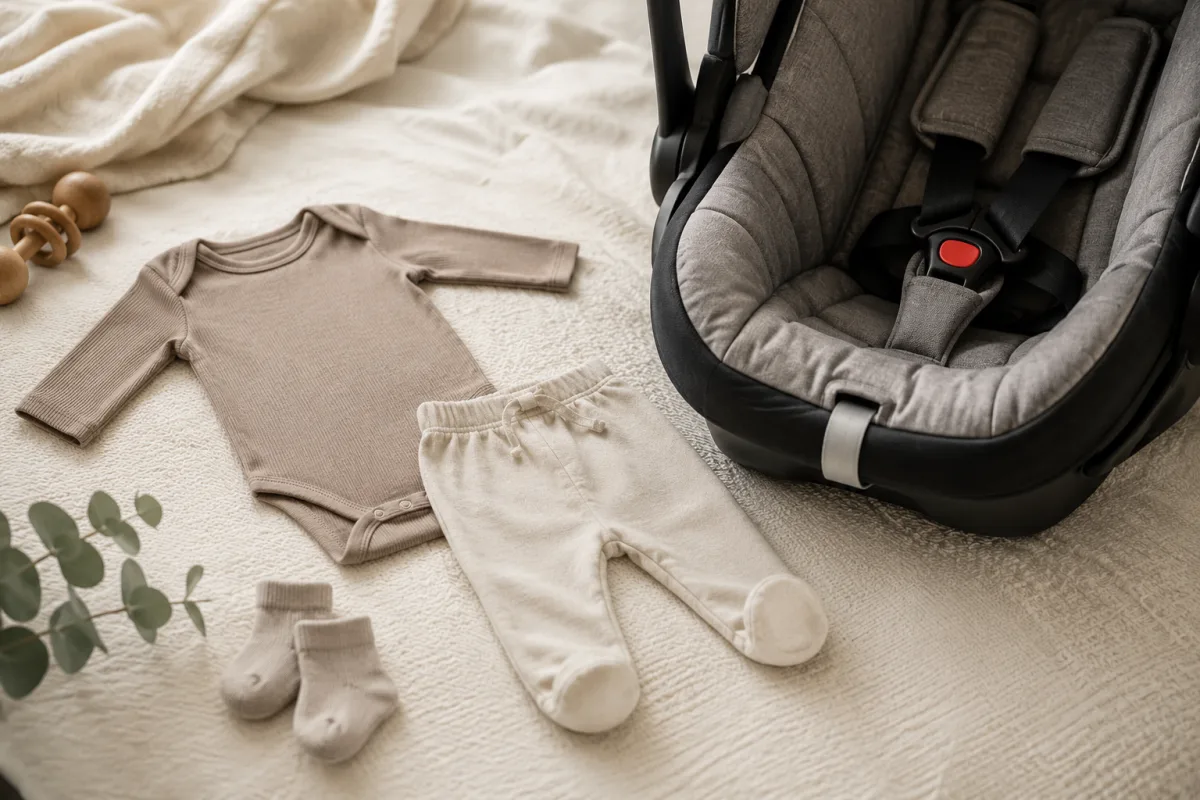
HealthyChildren's bringing baby home resource can help parents focus on the first day home: HealthyChildren bringing baby home. Choose an outfit that works with the car seat.
Avoid bulky coats under the straps. Use blankets over the buckled straps if needed and safe.
Add Health And Skin Items Carefully
A thermometer, nail file, and simple skin-care items may be useful. Avoid heavily fragranced products.
If a rash appears, Livecub's article on baby rash and blister care can help organize questions.
Do Not Overbuy Newborn Size
Some babies skip newborn size quickly; others need it longer. Keep tags on extras until you know.
If the baby is born early or small, Livecub's article on low birth weight and preterm infants can help guide questions.
Keep The Layette Easy To Reach
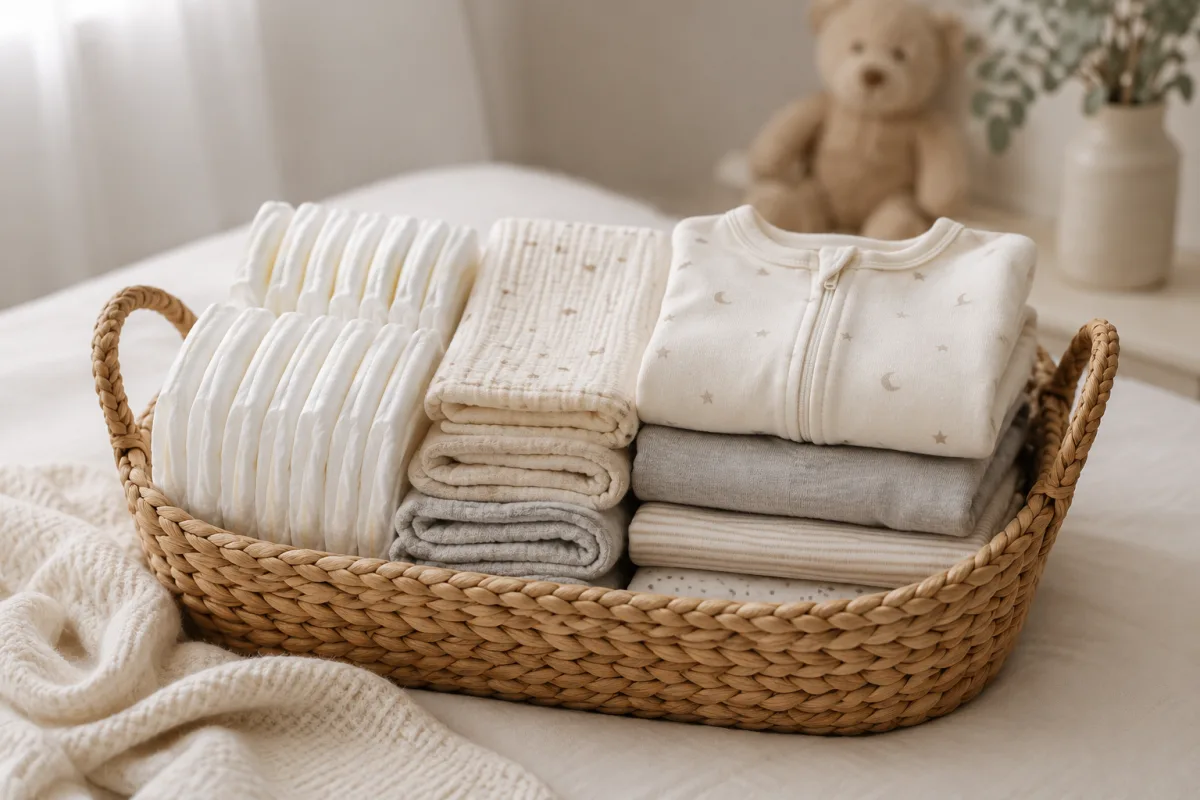
Place the first week of clothing, diapers, wipes, burp cloths, and blankets near the main care area.
A well-placed small basket is often more useful than a perfectly arranged drawer.
Keep A Short Question List
Newborn care gets easier when questions are written down as they appear. Keep a note for feeding, sleep, diapers, skin, crying, and follow-up appointments.
Bring that list to the pediatrician. A tired parent should not have to remember every concern from the week.
Share The Same Plan With Helpers
Grandparents, babysitters, and friends should hear the same safety rules and warning signs. Mixed advice can confuse everyone in the house.
Write the plan in plain language: what to do, what to avoid, and when to call a parent or clinician.
Use Small Repeatable Routines
A newborn routine should be simple enough to repeat while tired. Gentle steps done the same way are usually better than a complicated plan.
If the routine creates stress, simplify it and ask the pediatrician which parts matter most for the baby's age.
Call Early For Red Flags
Call the pediatrician or urgent service for fever in a young infant, trouble breathing, poor feeding, unusual sleepiness, dehydration signs, injury, or symptoms that feel urgent.
Home care is for ordinary moments. Red flags need direct medical guidance.
Give Each Caregiver A Clear Role
One adult can handle supplies, another can feed, and another can protect sleep or answer messages. Clear roles prevent quiet resentment.
The roles can change each week. The point is that care does not sit invisibly on one person.
Keep A Short Question List
Newborn care gets easier when questions are written down as they appear. Keep a note for feeding, sleep, diapers, skin, crying, and follow-up appointments.
Bring that list to the pediatrician. A tired parent should not have to remember every concern from the week.
Share The Same Plan With Helpers
Grandparents, babysitters, and friends should hear the same safety rules and warning signs. Mixed advice can confuse everyone in the house.
Write the plan in plain language: what to do, what to avoid, and when to call a parent or clinician.
Use Small Repeatable Routines
A newborn routine should be simple enough to repeat while tired. Gentle steps done the same way are usually better than a complicated plan.
If the routine creates stress, simplify it and ask the pediatrician which parts matter most for the baby's age.
Call Early For Red Flags
Call the pediatrician or urgent service for fever in a young infant, trouble breathing, poor feeding, unusual sleepiness, dehydration signs, injury, or symptoms that feel urgent.
Home care is for ordinary moments. Red flags need direct medical guidance.
Give Each Caregiver A Clear Role
One adult can handle supplies, another can feed, and another can protect sleep or answer messages. Clear roles prevent quiet resentment.
The roles can change each week. The point is that care does not sit invisibly on one person.
Keep A Short Question List
Newborn care gets easier when questions are written down as they appear. Keep a note for feeding, sleep, diapers, skin, crying, and follow-up appointments.
Bring that list to the pediatrician. A tired parent should not have to remember every concern from the week.
Share The Same Plan With Helpers
Grandparents, babysitters, and friends should hear the same safety rules and warning signs. Mixed advice can confuse everyone in the house.
Write the plan in plain language: what to do, what to avoid, and when to call a parent or clinician.
Use Small Repeatable Routines
A newborn routine should be simple enough to repeat while tired. Gentle steps done the same way are usually better than a complicated plan.
If the routine creates stress, simplify it and ask the pediatrician which parts matter most for the baby's age.
Call Early For Red Flags
Call the pediatrician or urgent service for fever in a young infant, trouble breathing, poor feeding, unusual sleepiness, dehydration signs, injury, or symptoms that feel urgent.
Home care is for ordinary moments. Red flags need direct medical guidance.
Give Each Caregiver A Clear Role
One adult can handle supplies, another can feed, and another can protect sleep or answer messages. Clear roles prevent quiet resentment.
The roles can change each week. The point is that care does not sit invisibly on one person.
Keep A Short Question List
Newborn care gets easier when questions are written down as they appear. Keep a note for feeding, sleep, diapers, skin, crying, and follow-up appointments.
Bring that list to the pediatrician. A tired parent should not have to remember every concern from the week.
Share The Same Plan With Helpers
Grandparents, babysitters, and friends should hear the same safety rules and warning signs. Mixed advice can confuse everyone in the house.
Write the plan in plain language: what to do, what to avoid, and when to call a parent or clinician.
Use Small Repeatable Routines
A newborn routine should be simple enough to repeat while tired. Gentle steps done the same way are usually better than a complicated plan.
If the routine creates stress, simplify it and ask the pediatrician which parts matter most for the baby's age.
Frequently Asked Questions
What is included in a baby's layette?
Basic clothing, sleepwear, diapers, wipes, bath items, burp cloths, blankets for awake use, and going-home clothes.
How many outfits should I buy?
Start with a modest number and adjust after you know the baby's size and laundry rhythm.
Should a layette include blankets?
Use blankets for awake supervised care or warmth outside the sleep space, not loose sleep items.
What fabric is best?
Soft washable fabric that suits the season is usually best.
Can I buy used baby clothes?
Often yes if they are clean and safe, but check product recalls for gear.
This article is for general information only and is not a substitute for medical, safety, or pediatric advice. Follow product instructions and ask a qualified professional when needed.

Chiara Bradshaw
Covers education, culture and creative topics with an emphasis on readable explanations and verifiable references.




Leave a reply
Replying to