

How to buy an English Bulldog is not the same as choosing the cutest wrinkled puppy photo online. Bulldogs can be affectionate, funny, loyal companions, but they are also a breed with real health, heat, breathing, skin, mobility, and delivery concerns. Buying carefully matters more here than it does with many easier breeds.
A good Bulldog purchase starts with education, not a deposit. Learn the breed, compare breeders, ask for health records, meet adult dogs when possible, and think honestly about daily care. A low price can become expensive fast if the breeder skipped the hard work.
What Should You Know About Bulldogs First?
The American Kennel Club describes the Bulldog as kind, courageous, friendly, and dignified. That temperament is part of the appeal. Many Bulldogs are gentle house dogs that like people, routine, and short play more than athletic chaos.
The same body that makes the breed recognizable also creates responsibilities. Short muzzles, heavy build, skin folds, and heat sensitivity require owner attention. If you want a low-maintenance, all-weather hiking partner, this is probably not the right breed.
How Much Does An English Bulldog Cost?
Prices vary by region, breeder quality, pedigree, health testing, veterinary costs, and demand. A responsibly bred Bulldog is often expensive because breeding, pregnancy care, health screening, puppy care, and veterinary support cost real money. A cheap puppy may simply push those costs onto you later.
Budget beyond the purchase price. Bulldogs may need higher veterinary spending, skin care, ear care, weight management, insurance, cooling equipment, and careful boarding choices. If breeder screening feels new, Livecub's Brittany breeder recommendations can help you build a question list.
Where Should You Look For A Breeder?
Start with breed clubs, referrals from veterinarians, and breeders who are willing to discuss health, temperament, contracts, and lifetime support. The Bulldog Club of America is the AKC parent club and a better starting point than random classified ads.
A good breeder should not rush you. They should ask about your home, schedule, climate, past dog experience, and plans for heat safety. They should explain why they bred the litter, what they know about the parents, and what kind of owner each puppy needs.
What Health Testing Should You Ask About?
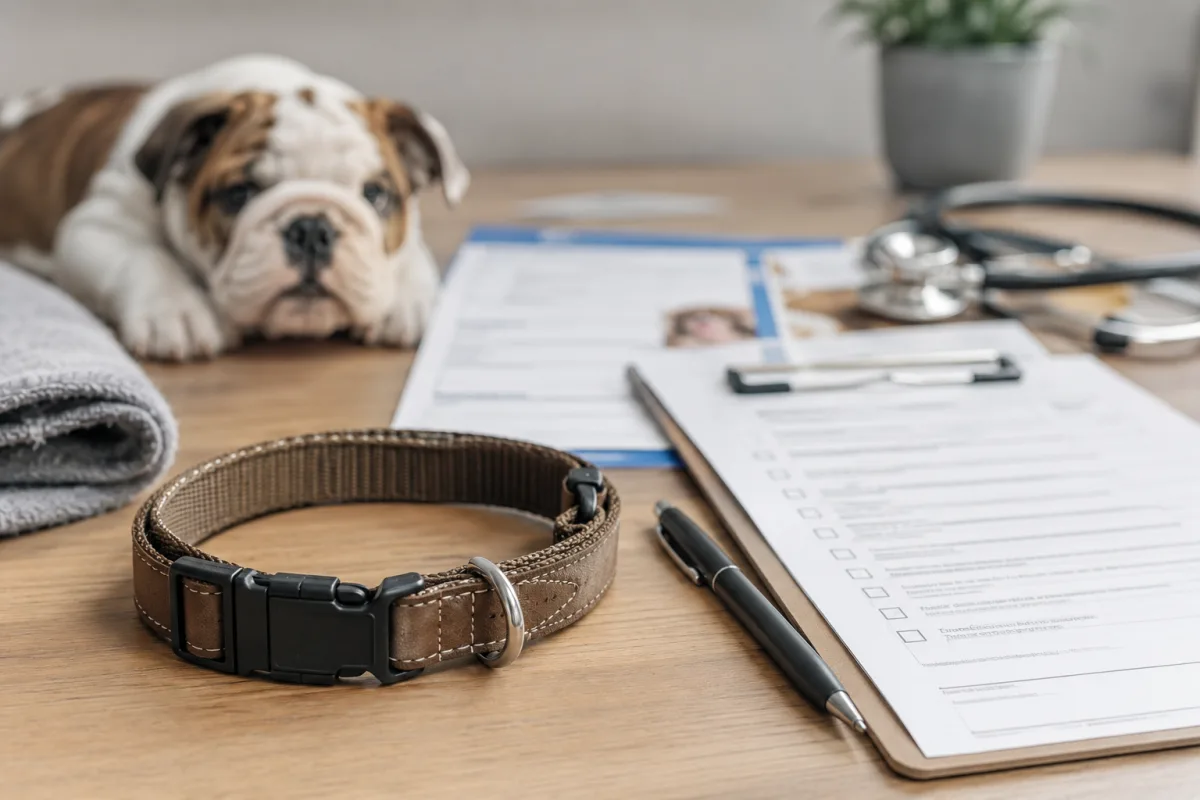
Ask about respiratory soundness, heart history, patellas, hips, eyes, skin, allergies, tail issues, and any breed-club health testing. The Bulldog Club of America's health testing page explains the club's focus on preserving and improving Bulldog health through testing and education.
Ask for documents, not vague statements. "The parents are healthy" is not the same as showing veterinary records or test results. Health testing cannot promise a perfect puppy, but it does show whether the breeder is making decisions with evidence.
What Should You Notice About The Parents?
Watch how the adult dogs breathe, walk, move, and interact. A Bulldog should not be gasping at rest, collapsing after mild excitement, or showing extreme distress in normal indoor conditions. Look for clear eyes, clean skin folds, decent movement, and a calm temperament.
Some health problems do not show in one visit, so ask direct questions. How do the parents handle heat? Have they had airway surgery? Any skin infections, allergies, eye procedures, spinal issues, or recurring ear problems? The answers matter.
Why Does Heat Safety Matter?
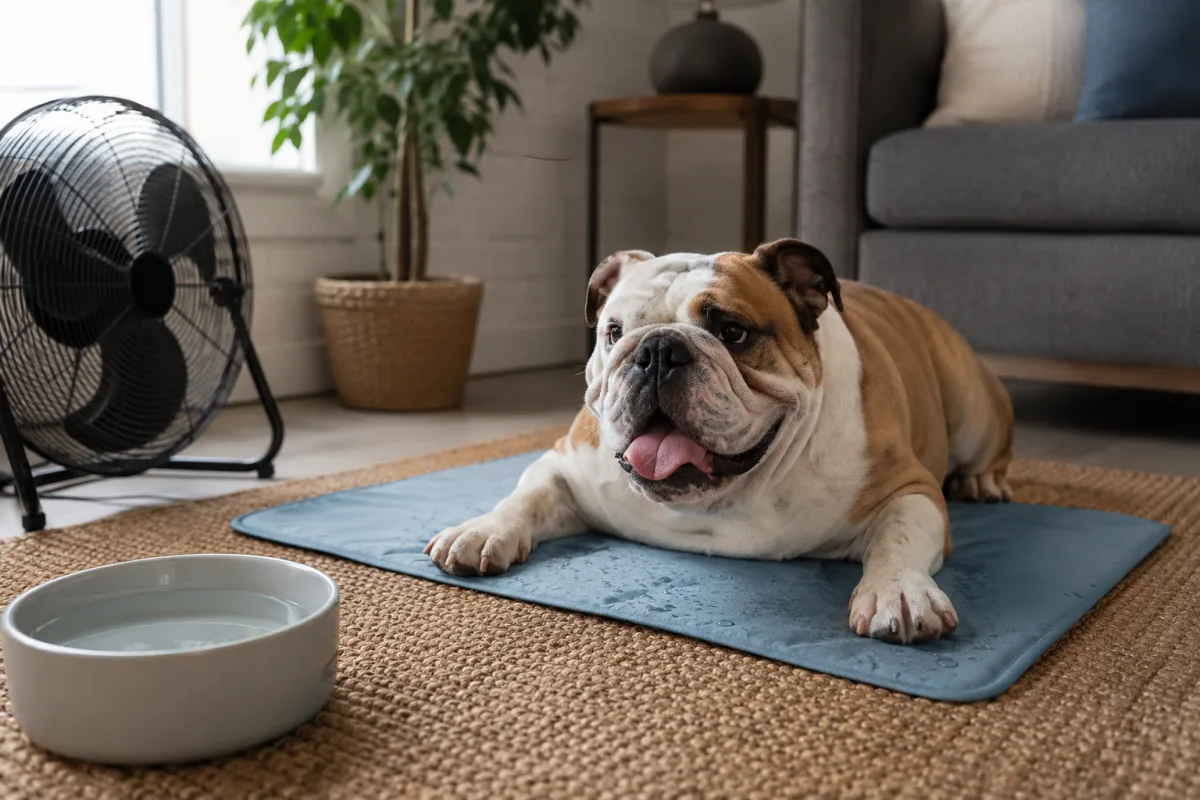
Bulldogs are brachycephalic dogs, meaning their short skull and airway structure can make heat and exertion harder to handle. VCA's Bulldog profile notes that Bulldogs are prone to overheating and that indoor games are preferable in warm weather.
If you live somewhere hot or humid, this issue should shape your daily routine. Walk early or late, keep the dog cool, avoid parked cars, use air conditioning, and stop activity before distress starts. Bulldogs cannot be managed like long-muzzled athletes.
What Questions Should You Ask The Breeder?
Ask why they chose the parents, what health testing was done, what problems exist in the lines, how puppies are raised, what socialization they receive, what food they eat, what contract is used, what support is offered, and what happens if you cannot keep the dog.
Also ask about delivery history. Bulldogs often require close veterinary care around breeding and whelping. A breeder should be transparent about the dam's health and the puppy's early veterinary care. If the seller dodges every medical question, walk away.
Should You Choose A Puppy Or Adult Bulldog?
Puppies let you shape habits early, but adult Bulldogs can be easier to evaluate. With an adult, you can see breathing, movement, temperament, weight, and skin more clearly. Rescue or rehoming may also be a good route if you are prepared for known medical needs.
Do not assume rescue is always cheaper or breeder puppies are always healthier. Each dog needs its own evaluation. Ask for records, meet the dog, and involve a veterinarian when possible.
What Should Be In The Contract?
The contract should explain registration, health records, return policy, spay or neuter terms if any, breeder support, and what happens if the puppy develops a serious problem soon after purchase. Read it before sending a deposit. A contract that no one wants to discuss is a warning sign.
Ask whether the breeder requires the dog to be returned if you cannot keep it. Many responsible breeders do. That clause protects the dog from being passed around privately or placed in a shelter without the breeder knowing.
How Should You Handle Pickup And The First Vet Visit?
Plan pickup around weather. A Bulldog puppy should not spend hours in a hot car, airport delay, or stressful transport situation. Bring water, a crate, towels, and air conditioning. Keep the ride quiet and go straight home unless a veterinary appointment is already scheduled.
Book a vet visit soon after purchase, ideally within the contract window. Bring records, vaccination dates, deworming details, microchip information, and any feeding instructions. Ask the vet to check breathing, heart, eyes, skin folds, movement, weight, and general puppy condition.
Should You Plan For Insurance?
Consider insurance or a dedicated emergency fund before the puppy comes home. Bulldogs can bring routine costs and sudden costs, and waiting until a problem appears may limit coverage. Compare policies for waiting periods, exclusions, breathing-related conditions, skin issues, orthopedic care, and specialist visits.
Even with insurance, keep savings for deductibles, food, preventive care, and regular checkups. The purchase price is only the beginning of Bulldog ownership, and a careful buyer plans for the adult dog, not only the puppy in the listing photo.
How Do You Prepare Your Home?
Prepare a cool resting area, non-slip surfaces, safe stairs or ramps if needed, water access, a crate or pen, cleaning supplies for skin folds, and a plan for short, gentle exercise. Bulldogs often do better with steady routine than with long bursts of activity.
Weight management starts early. Extra weight makes breathing, joints, and heat tolerance harder. If you are comparing body types, Livecub's biggest dog breeds and Basset Hound questions show why structure changes care.
What Red Flags Should Stop The Sale?

Be cautious if the breeder refuses health questions, will not show records, always has puppies, pushes shipping before conversation, uses pressure tactics, avoids the parents, sells unusual colors as the main value, or promises that Bulldogs are easy and problem-free.
Also be cautious if puppies are dirty, weak, coughing, struggling to breathe, or raised without normal household contact. A Bulldog puppy should be cute, but cuteness should not make you ignore warning signs.
Frequently Asked Questions
Are English Bulldogs good first dogs?
They can be for prepared owners, but health care, heat management, and breeder screening make the breed demanding.
Should I buy the cheapest Bulldog puppy?
No. Low price can mean skipped health testing, poor breeding decisions, or future veterinary costs.
Can Bulldogs live in hot climates?
Some can with careful cooling, but heat and humidity are serious risks. Air conditioning and short outdoor time matter.
Do Bulldogs need much exercise?
They need daily gentle activity, but not long, hot, or intense exercise.
Is pet insurance worth considering?
Many Bulldog owners consider it because breed-related veterinary costs can be high.
What Is The Smart Buying Decision?
Buy only after the breeder, parents, health records, contract, and your own budget make sense. The right Bulldog can be a wonderful companion. The wrong purchase can bring heartbreak, expense, and avoidable suffering. Slow buying is kinder to both you and the dog.

Timothy Davidson
Edits step-by-step general-interest guides for clarity, realistic limits and source verification.



Leave a reply
Replying to