
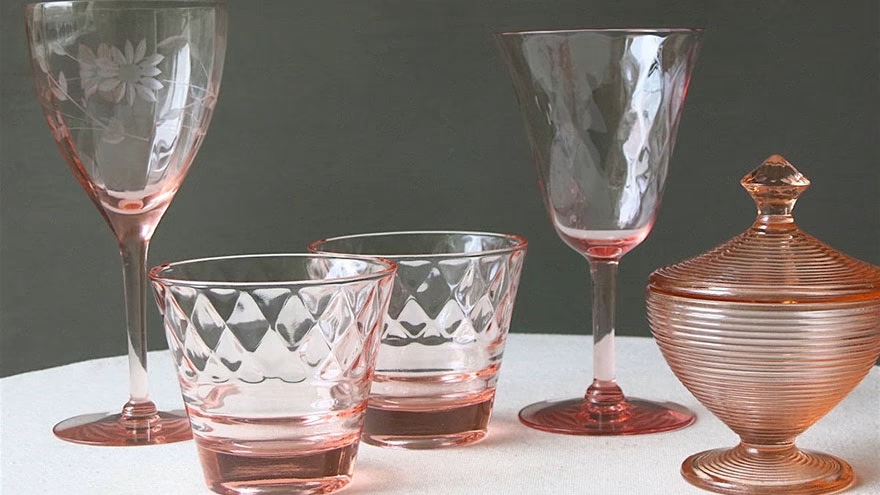
Depression glass was made for ordinary tables, not museum cases, but age changes the cleaning rules. A pink bowl that survived ninety years can still chip on a stainless sink, lose decoration in hot water, or come out of a dishwasher permanently cloudy. To clean Depression glass well, start by deciding what condition the piece is in before water touches it. Stable, undecorated glass can usually be hand-washed gently. Cracked, repaired, painted, gilded, flaking, or cloudy glass needs restraint. The goal is not to make old glass look new; it is to remove grime without erasing the history that makes the piece worth keeping.
The category itself comes from a specific production moment. The American Ceramic Society describes Depression glass as machine-pressed tableware that became common during the Great Depression, when many makers shifted from fine crystal to lower-cost colored glass. That mass production is why many pieces are collectible and usable, but it does not make them indestructible.
What should you check before washing Depression glass?
Inspect the piece in bright side light before cleaning. Look for hairline cracks, rim chips, old glue repairs, flaking decoration, rough mold seams, cloudy patches, and areas that feel slick or damp. That last sign can indicate unstable glass, sometimes called weeping or crizzled glass. If the surface looks flaky or feels oily after sitting dry, do not wash it. Put it aside for a conservator or keep it as a display-only object.
Run a fingertip gently around the rim and base, but do not drag hard across cut edges. Depression glass often has molded detail that catches dirt in ridges, and those raised areas are also where cracks hide. A small chip on a plate rim is not only cosmetic; it creates a weak point where pressure from scrubbing or stacking can spread damage.
Check for decoration next. Painted bands, metallic trim, applied labels, and cold-painted details are far more vulnerable than plain glass. The Canadian Conservation Institute advises that undecorated glass in good condition may be washed with clean lukewarm water, but deteriorated glass should not be treated the same way. That distinction should guide the whole cleaning plan.
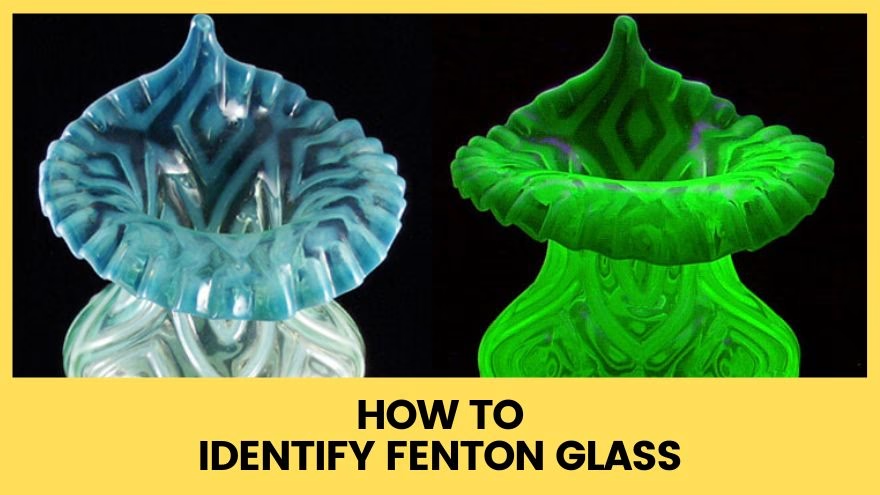
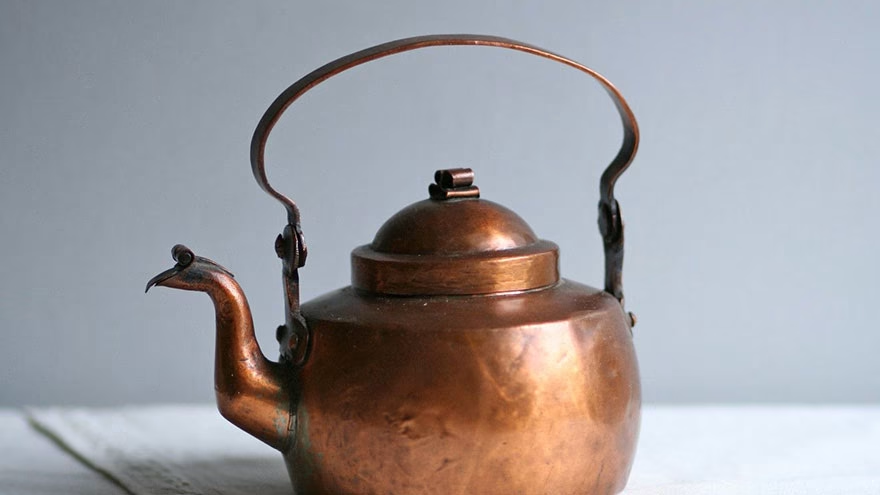
If you collect other old household objects, the same first-step inspection applies. A collector who has learned to slow down with Fenton glass identification or sediment removal from an antique kettle already knows the rule: condition decides method.
How do you wash Depression glass without scratching it?
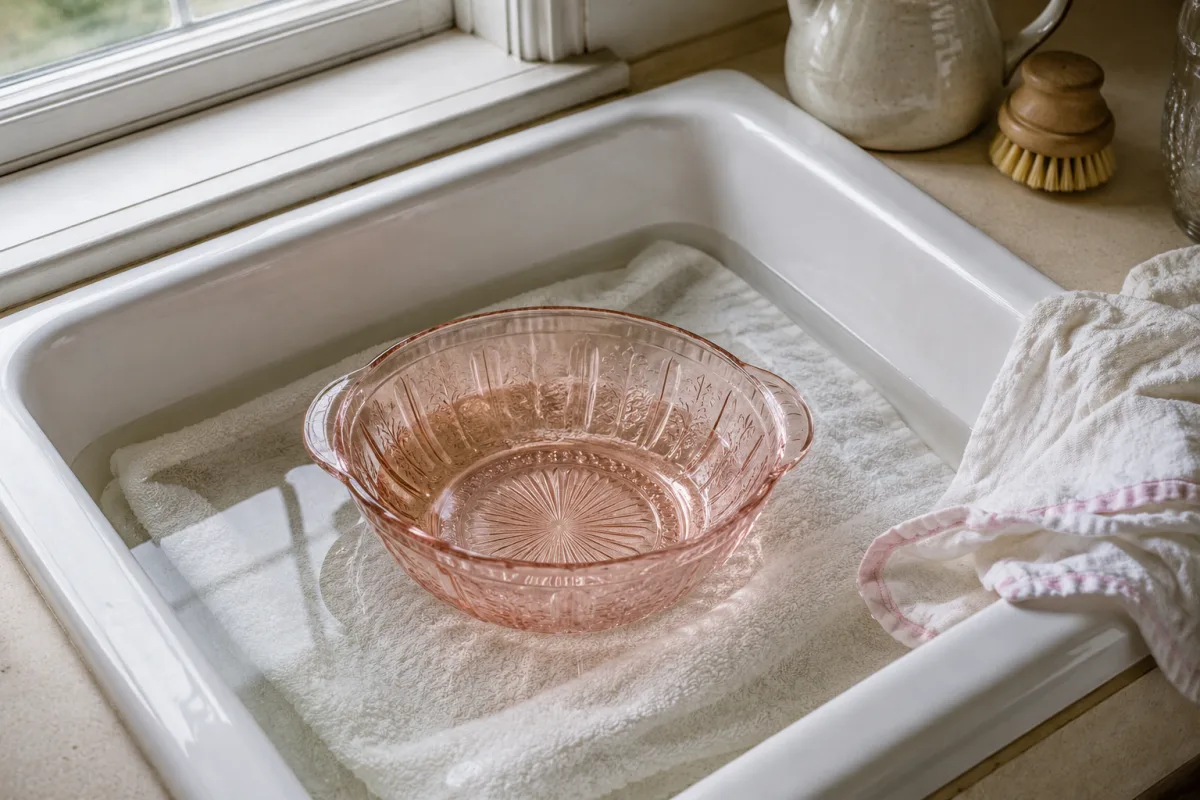
Line the sink with a folded towel or rubber mat before turning on the water. Depression glass often breaks from impact, not from the cleaning solution itself. Use lukewarm water, a small amount of mild dish soap, and one piece at a time. Never stack several plates in the sink and hope they behave. Wet glass is slippery, and molded edges knock against each other easily.
Hold each piece with both hands. For bowls and cups, support the body rather than lifting by handles, rims, or small decorative tabs. Use a soft cotton cloth, a microfiber cloth, or a very soft brush for crevices. Avoid abrasive pads, powdered cleansers, magic-eraser type foam, and stiff toothbrushes on decoration. Those tools may remove a stain, but they can also dull the surface or scratch raised patterns.
Wash quickly and rinse well. Long soaking is risky for glass with old repairs, applied decoration, or trapped dirt in cracks. If grime does not release after a short wash, stop and reassess rather than escalating immediately to stronger chemicals. The Conservation Center for Art and Historic Artifacts recommends checking for previous repairs or stress before washing glass objects; that advice fits home collectors because hidden repairs are common in inherited sets.
Dry with a lint-free towel immediately. Air drying leaves mineral spots, and standing pieces upright in a rack can stress rims. Place each piece on a padded towel, dry the outside, then turn it over and dry the inside. If you are cleaning several pieces before using them in a display, give yourself enough table space. Crowding is where chips happen.
Can you remove cloudiness, stains, or old food residue?
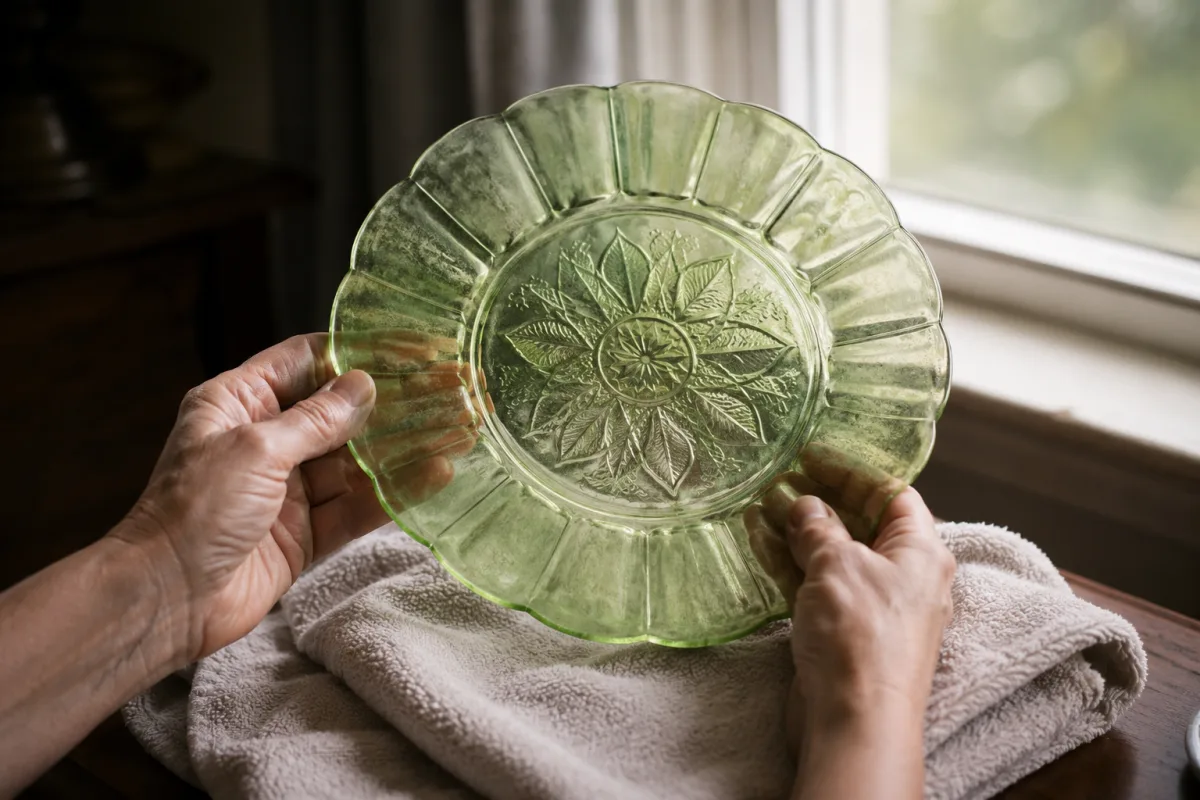
Some cloudiness is removable mineral film. Some is permanent etching. The difference matters because etching is physical damage to the glass surface, not dirt. Start with the gentlest test: a soft cloth dampened with lukewarm water. If a white film remains, try a brief wipe with diluted white vinegar on undecorated, stable glass, then rinse and dry. Do not soak decorated pieces in vinegar.
For old food residue in grooves, soften it with a short soap-and-water wash and use a soft artist's brush. Work along the molded pattern rather than scrubbing across it. If the residue is under a crack, inside a repair, or trapped beneath flaking decoration, leave it alone. Cleaning cannot fix structural damage.
Brown staining at the bottom of a vase or pitcher can be mineral deposit, old flower residue, or interior glass deterioration. Avoid rice, sand, or metal beads as scrubbing media. They can scratch the inside and wedge into corners. A small amount of warm soapy water swirled gently is safer; if that fails, the piece may be better displayed with the stain than damaged by aggressive cleaning.
Collectors who enjoy hands-on hobbies often want a satisfying before-and-after result. That instinct is fine for washable modern glass, less fine for Depression glass. If the piece is rare, part of a family set, or potentially valuable, cleaning should be conservative. The same judgment applies across affordable collecting hobbies: the cheapest mistake is usually the one you decide not to make.
What should never go in the dishwasher?
Keep Depression glass out of the dishwasher. Heat, water pressure, alkaline detergent, vibration, and drying cycles are a bad mix for old glass. Even if a piece survives one cycle, repeated washing can create cloudiness, fade decoration, or worsen tiny cracks. The risk is not worth the convenience.
Also avoid boiling water, bleach, ammonia near metal trim, scouring powders, ultrasonic cleaners, and sudden temperature shifts. A cold glass bowl placed in hot water can crack from thermal shock. A hot piece rinsed cold can do the same. Lukewarm is boring, and boring is exactly what old glass needs.
Do not wash glass right after bringing it in from a cold car, attic, or garage. Let it reach room temperature first. The thicker base and thinner walls of some pressed-glass pieces do not expand at the same rate. A slow temperature change gives the material a better chance to stay stable.
If you plan to use Depression glass for food, keep the use gentle: dry snacks, cool desserts, or short service. Avoid microwaves, ovens, hot liquids, acidic storage, and overnight soaking. For elaborate parties or dessert tables, use the vintage pieces for display and let modern serving ware handle heat and heavy utensils. That balance pairs well with practical presentation ideas from cookie display planning.
How should Depression glass be dried, stored, and displayed?
Drying is part of cleaning, not an afterthought. Use a soft towel in each hand so the glass is supported while you wipe. Avoid twisting stems, handles, or small feet. If a piece has a lid, dry both parts separately and store the lid slightly offset for a few hours so trapped moisture can escape.
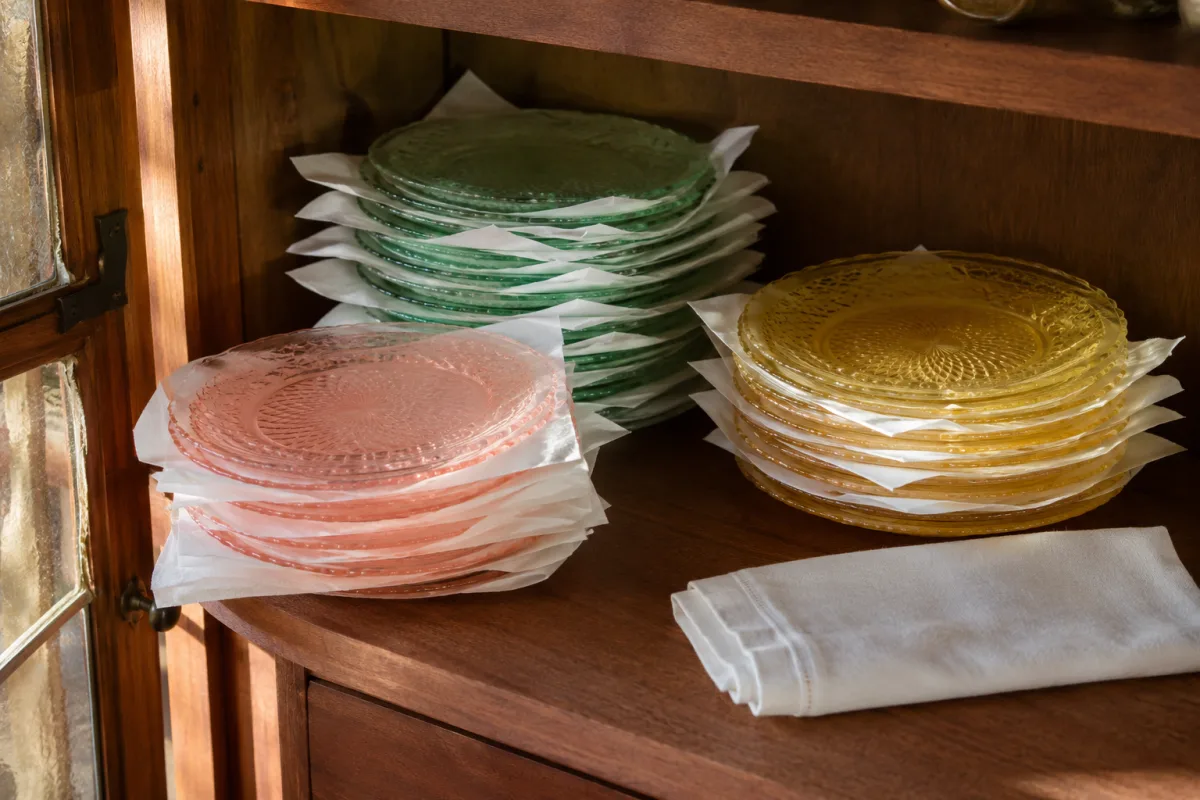
Store plates upright only if they are supported in padded slots. Otherwise, stack them in small groups with acid-free tissue, clean cotton, or thin foam between pieces. Do not stack heavy platters on delicate saucers. Weight creates pressure points, and pressure points become chips.
Display glass away from direct sun and heat sources. Color can shift, and temperature swings add stress. Open shelves look good but collect dust, which means more cleaning. A closed cabinet reduces handling. If you do display pieces openly, dust with a soft dry cloth and move each item with two hands.
Keep a simple record if you collect seriously: pattern, color, maker if known, condition notes, and cleaning date. That habit helps you avoid washing the same fragile piece repeatedly. It also makes future identification easier, much like cataloging paper collectibles in vintage railroad timetable collecting.
When should you stop cleaning and call a conservator?
Stop if you see flaking, active cracking, sticky surface changes, weeping, old repairs softening, or decoration lifting. Stop if the water changes color from painted trim. Stop if the piece makes a faint ticking sound during temperature change. These are warnings, not challenges.
The Corning Museum of Glass describes conservation as work involving proper handling, storage, cleaning, repair, and restoration, with reversibility and object integrity at the center. Home cleaning should follow the same spirit on a smaller scale. If your method cannot be undone and you are unsure what the material is doing, do less.
For high-value pieces, professional advice is cheaper than irreversible damage. A conservator can identify unstable glass, old adhesive, and surface deterioration that a collector may miss. That does not mean every cloudy sherbet cup needs a museum appointment. It means the rare, sentimental, repaired, or visibly unstable pieces should not be treated like daily glassware.
Frequently Asked Questions
Can Depression glass go in the dishwasher?
No. Hand-wash it. Dishwasher heat, detergent, vibration, and drying cycles can chip, cloud, or weaken old glass, even if one cycle appears harmless.
What is the safest soap for Depression glass?
Use a small amount of mild dish soap in lukewarm water for stable, undecorated pieces. Avoid abrasive cleaners, bleach, and strong chemical soaks.
How do you clean dirt from molded patterns?
Use a soft cloth or soft artist's brush after a brief wash. Work gently along the pattern. Do not use stiff brushes or abrasive pads on raised detail.
Can cloudy Depression glass be fixed?
Mineral film may improve with careful hand cleaning, but etching is permanent surface damage. If a gentle wash and brief vinegar wipe do not help, stop.
Is it safe to use Depression glass for food?
Use caution. Stable pieces can handle light, cool service, but avoid heat, acidic storage, microwaves, ovens, and long soaking. Display-only is safer for damaged pieces.
Clean Depression glass as if every piece has one more accident left in it. Padding the sink, using lukewarm water, washing one item at a time, and stopping early will preserve more glass than any clever stain-removal trick.

Linda Fehrman
Edits general wellness and relationship explainers. Health material is educational, avoids diagnosis and links to health-authority guidance.


Leave a reply
Replying to