
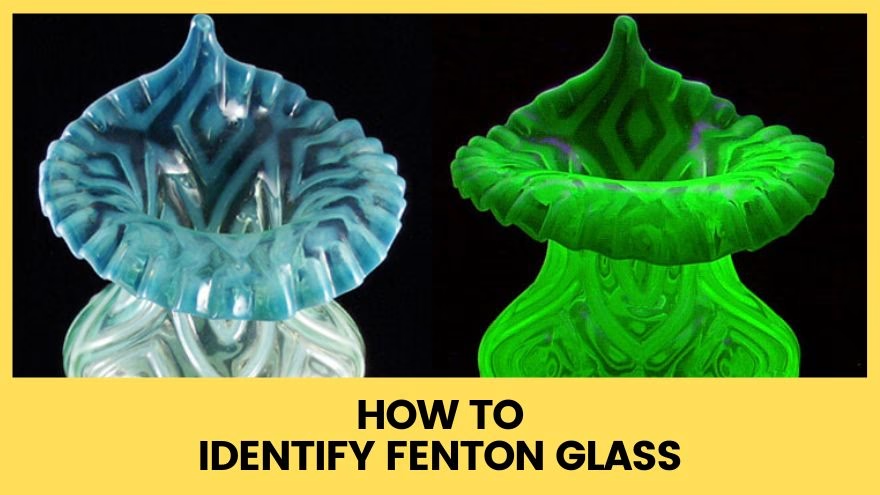
Look at the Whole Piece Before the Mark
Learning how to identify Fenton glass starts with slowing down. A mark helps, but it is only one clue. Fenton made glass for more than a century, and many older pieces lost their paper labels long ago.
Some genuine pieces are unmarked. Some later pieces are clearly marked. Some pieces from other makers look close enough to confuse a new collector in a crowded shop.
Begin with the object in your hands. Notice the shape, the color, the weight, the rim, the base, and the decoration. Then turn it over and look for a label, molded logo, artist signature, or shop sticker. If you reverse that order, the mark can make you careless. A good identification comes from several clues agreeing with each other, not one clue doing all the work.
Fenton's own company history says the business began in 1905 with brothers Frank and John Fenton and became known for handmade colored glass and hand-painted decoration. The current Fenton Art Glass site is a useful starting point for that broad history.
For deeper archival context, the Corning Museum of Glass reported that its Rakow Research Library acquired the Fenton Art Glass Company archive, including product trade catalogs, in 2017. That Fenton archive note explains why catalogs and records matter so much to serious collectors.
Know the Fenton Marks and Labels
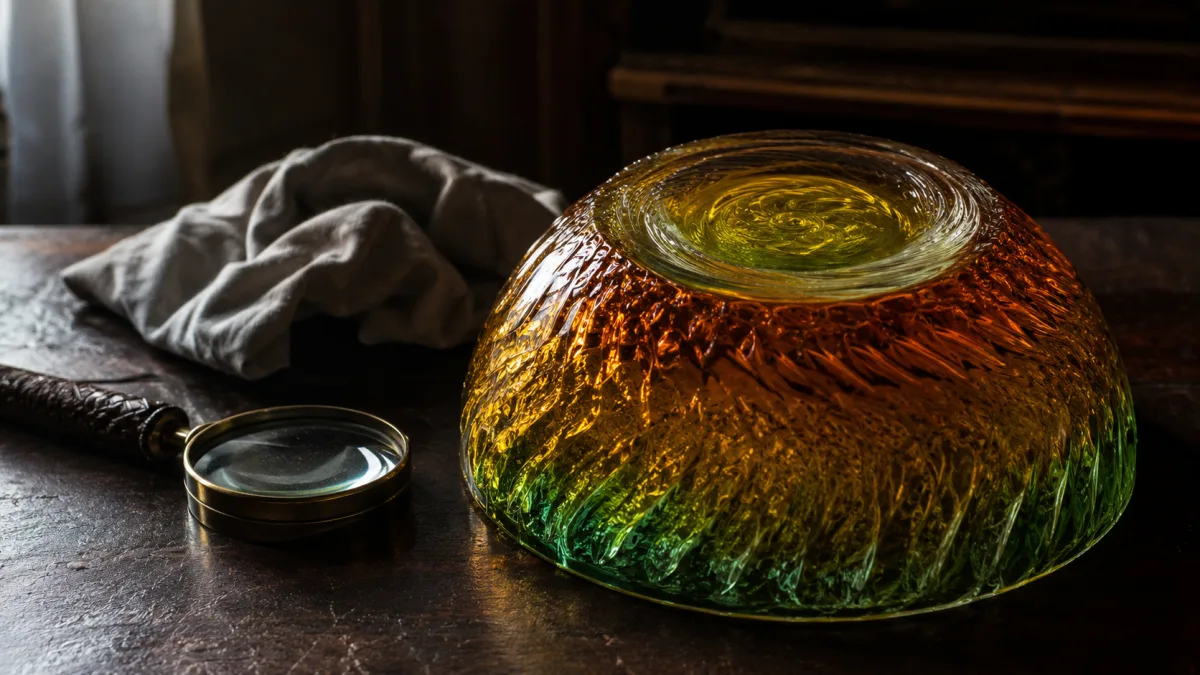
Marks are helpful, especially on pieces made from the 1970s onward. Earlier Fenton glass often depended on paper labels, and those labels were easy to wash away, peel off, or lose during estate handling. That means the absence of a mark does not automatically mean the piece is not Fenton. It means you need to lean harder on pattern, color, shape, and source.
Paper labels
Paper labels can be blue, gold, black, or other styles depending on period and line. A label is valuable evidence, but it can also be moved from one piece to another. Look for age that matches the glass. A label that looks too fresh on a heavily worn piece deserves a second look. Do not soak a labeled piece during cleaning, because water can ruin one of the best clues you have.
Molded logos
A molded Fenton logo in an oval is often found on later production. The placement is usually on the base, but the exact look depends on the mold and era. Some pieces made from molds associated with other companies can carry a script F mark rather than the full Fenton name. A collector mark guide from TGL Direct on Fenton marks lays out decade marks and anniversary marks in a clear way.
Decade numbers and special marks
Collectors often look for small numbers near the Fenton logo. An 8 can point to the 1980s, a 9 to the 1990s, and a 0 to the 2000s. Anniversary logos and seconds marks add more detail. These marks should be read as dating clues, not as value guarantees. A common marked piece can still be modest in price, while an unmarked older pattern can be desirable if the rest of the evidence is strong.
Match Color, Pattern, and Shape
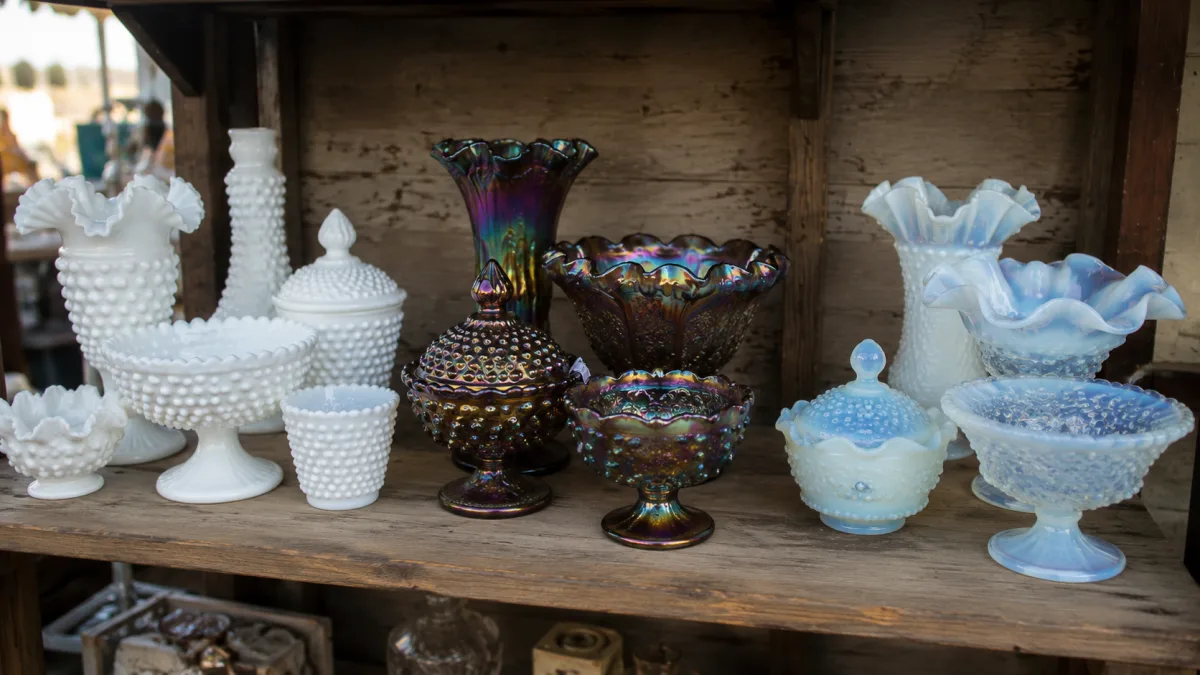
Fenton collectors learn to think in color, pattern, shape, and finish. A vase is not just a blue vase. It may be a hobnail vase in a named color, a crested piece with a specific rim treatment, or a carnival glass piece with an iridescent surface. The more exact the description, the easier it is to compare the item with catalogs, collector books, museum records, and sold listings.
Hobnail
Hobnail is one of the most familiar Fenton looks, with raised bumps arranged across the surface. It appears in milk glass and many colored versions. Check that the bumps are consistent, the rim treatment makes sense for the shape, and the base does not look ground in a way that clashes with known examples. Hobnail is popular, but popularity also means many lookalikes exist.
Carnival and iridescent glass
Carnival glass has a shimmering surface treatment over colored glass. Fenton was an important name in American carnival glass, but other makers produced it too. Look at the pattern details, the color beneath the surface, and the shape. A bright finish alone is not enough. If a seller calls every iridescent bowl Fenton, ask for the pattern name and compare it before buying.
Opalescent, crest, and satin finishes
Opalescent glass often looks milky at the rim or edge, while crested pieces have contrasting glass at the rim. Satin finishes feel softer and less glossy than standard glass. These finishes are attractive, but they can hide wear and small scratches. Hold the piece under angled light and inspect the high points, rim, and base ring.
Check the Base and the Finish
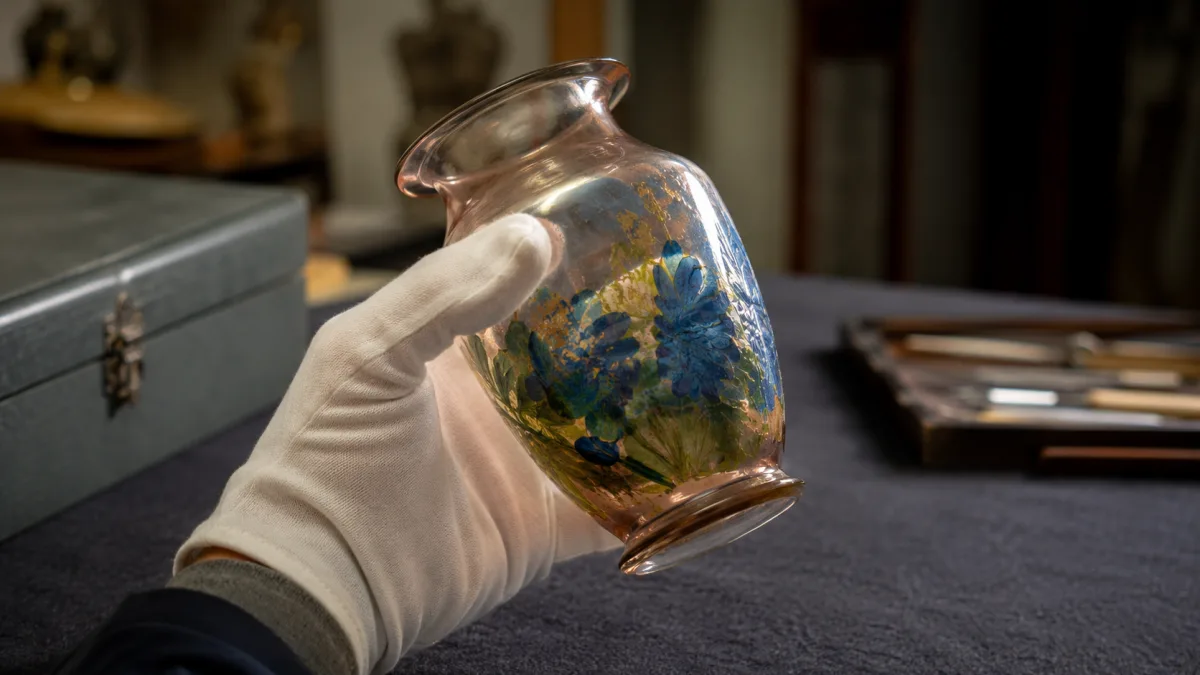
The base tells quiet stories. Look for wear that matches age and use. A base that is perfectly clean on a supposedly old piece is not always wrong, but it asks for more checking. A rough pontil mark usually does not fit many pressed Fenton forms, while a polished or molded base may make more sense depending on the item. Use the base as one clue in the larger pattern.
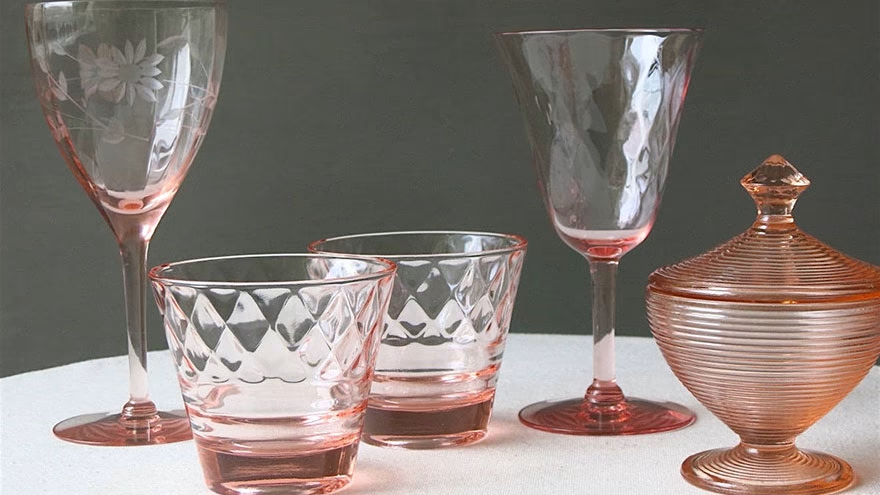
Run a fingertip gently around the rim, handles, feet, and applied decorations. Chips often hide on ruffled edges. Cracks can start near handles or tight curves. Repairs may show as glue lines, cloudy patches, or mismatched shine. For cleaning related collector glass, Livecub's guide on cleaning Depression glass is relevant because the same cautious approach protects fragile labels, decoration, and old surfaces.
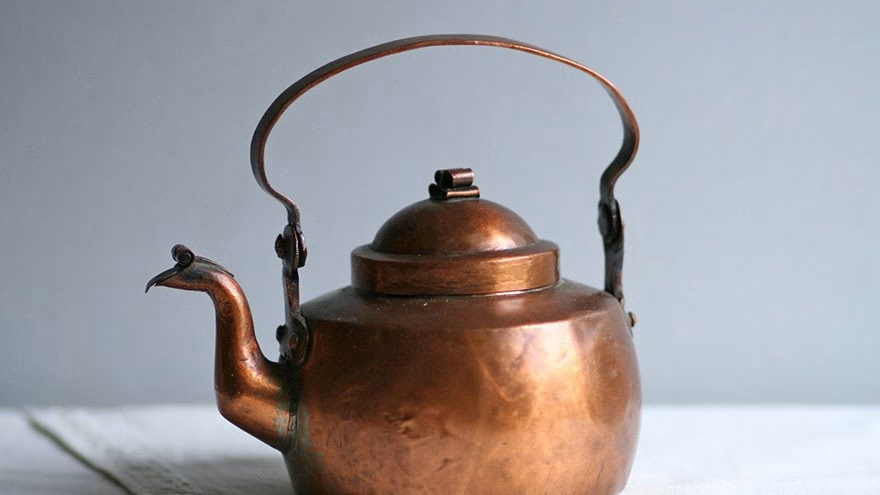
Do not scrape residue with a blade. Use mild soap, a soft cloth, and patience. If the item has mineral build-up from use as a vase, Livecub's advice on removing sediment from an antique kettle offers the same principle: test gently and avoid harsh methods that can do more harm than the deposit.
Separate Age, Condition, and Value
New collectors often ask, "Is it old?" when the better question is, "What exactly is it, and what condition is it in?" Age matters, but it is not the only driver of value. Color rarity, pattern demand, size, decoration, condition, and proof of origin all matter. A small chip on a common piece may make it a display item only. A minor flaw on a scarce color may be acceptable to some buyers if the price reflects it.
Condition notes should be plain and specific. Say rim flea bite, base wear, rough mold line, missing label, or paint loss. Avoid vague phrases that hide problems. If you plan to sell, photograph the base, mark, rim, side profile, and any damage. If you plan to collect, keep a record of where you bought the piece, what you paid, what the seller claimed, and which references you checked.
A careful hobby does not have to be expensive. Start with common pieces in good condition, learn how they feel, then move toward rarer colors or forms. Livecub's list of affordable hobbies fits this approach well because glass collecting can begin with study, patience, and a few modest finds rather than large purchases.
Keep Notes Before You Buy
A phone photo album can become your field notebook. Photograph marks, labels, rims, bases, and full profiles from the same angles each time. Add a note with the shop, date, price, and seller claim. Later, compare the piece against catalog photos and collector references. The habit feels slow at first, but it saves money quickly.
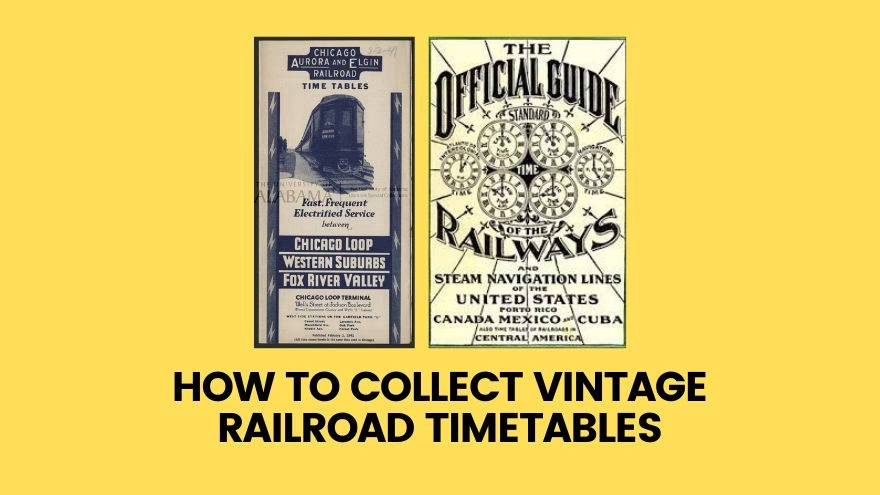
If you collect more than one vintage category, keep the records separate. Railroad paper, kitchen tools, and glass need different proof. Livecub's guide to collecting vintage railroad timetables is a good reminder that collecting is partly about provenance, not just the object. A clean note about where something came from can matter years later.
The best Fenton identification is calm and repeatable. Look at the piece, read the mark if there is one, compare the color and pattern, inspect condition, and write down what you know. If one clue does not fit, pause. That pause is often what separates a thoughtful collector from a rushed buyer.
Frequently Asked Questions
Is all Fenton glass marked?
No. Many older pieces had paper labels that were lost over time, and some genuine pieces are unmarked. Identification often depends on pattern, color, shape, finish, and reliable comparison.
What does a number under the Fenton logo mean?
Small numbers can point to a production decade, such as 8 for the 1980s, 9 for the 1990s, and 0 for the 2000s. Special anniversary marks and seconds marks also exist.
Can a paper label prove a piece is Fenton?
A correct label is strong evidence, but it should still match the glass. Labels can be damaged, moved, or misunderstood, so compare the whole piece before making a final call.
What should beginners buy first?
Beginners usually learn fastest from common, undamaged pieces with clear shapes and visible marks or labels. They are easier to compare and less risky than rare pieces with unclear history.

Cashie Evans
Covers parenting and practical household topics with clear steps, safety notes and links to current guidance.

Leave a reply
Replying to