
Spare time should feel like yours, not like another line item on a bill. That is the quiet promise of a low-cost hobby: a place to put your attention that is not work, errands, or scrolling, and that does not ask you to spend money to prove you are serious. The best cheap hobbies begin with materials you already own, free community resources, or skills that grow slowly over weeks. You do not need a studio, a garage of tools, or a monthly subscription to start today.
The common mistake is buying an identity before building a habit. People buy expensive paints before sketching for ten minutes, order a full garden setup before keeping one basil plant alive, or stockpile collector supplies before knowing what they actually enjoy collecting. Start smaller than that. Let genuine interest earn the next purchase instead of the other way around.
Match a hobby to cost, space, and energy
Before you choose, answer three plain questions. How much can you spend this month without stress? Where in your home or neighborhood will the hobby actually happen? And what kind of energy do you usually have when free time appears — restless, drained, social, or quiet? A hobby that needs a calm table will fail if your only free time lands in a noisy kitchen, and a hobby that requires leaving the house may stall during a heavy caregiving season.
Low-cost hobbies can still cost time, storage, cleanup, and attention, so it helps to weigh those hidden costs before you commit. Cooking is cheap when it uses pantry ingredients and expensive when every recipe demands a specialty tool. Walking is free with safe routes but may require shoes or weather gear. Collecting is affordable when the rules are narrow and turns into a shopping habit when every object qualifies. The table below lines up a few starter hobbies against the three questions that matter most.
| Hobby | Startup cost | Space needed | Energy it suits |
|---|---|---|---|
| Themed walking | None to low | None | Restless or low |
| Library reading | Free with a card | A chair | Quiet, tired |
| One-recipe cooking | Low, pantry-based | Kitchen | Steady, focused |
| Pencil sketching | Very low | A table | Calm, curious |
| Narrow collecting | Set a firm limit | One small bin | Social, patient |
| Balcony herbs | Low | A sunny sill | Gentle, routine |
Utah State University Extension defines a hobby as an activity done during leisure for pleasure and notes that enjoyable activities can support stress reduction, well-being, and social connection. That does not mean a hobby has to fix your life. It means your free time is allowed to hold things that simply restore you.
Start with hobbies that use what you already own
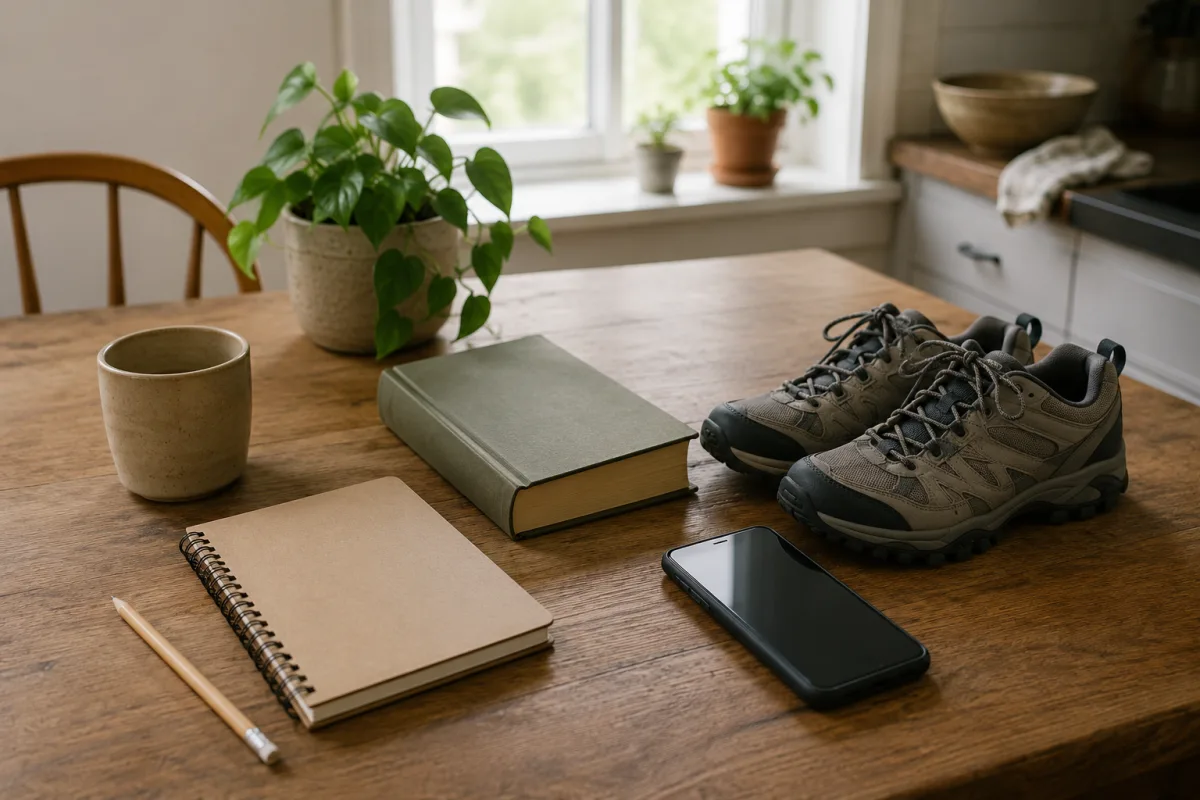
Walking is the simplest place to begin if you have a safe route. Give it a theme so the mind has something to do: photograph doors, notice trees, count public art, follow a language lesson, or walk the same block at different times of day. The hobby is not only the steps; it is the attention you bring to them. Reading can be nearly free through a library card, used books, book swaps, and public-domain ebooks. To keep it feeling like a hobby rather than homework, pick a lane for one month — short stories, local history, memoirs, cookbooks, or a single author — and jot a small note of what stayed with you.
Cooking as a hobby does not require restaurant-level projects. Choose one sauce, one bread, one soup, or one family recipe and repeat it until you understand how it behaves. A practical project such as learning stir-fry sauces can turn the same vegetables and protein into several different dinners. Home exercise, stretching, journaling, pencil sketching, phone photography, mending clothes, organizing old family photos, and learning card games all begin with things most households already have. Set a two-week trial. If the hobby still pleases you after two weeks, then consider one small upgrade — and not before.
Try creative hobbies before buying a full kit
Creative hobbies are where budgets quietly balloon, so start with the cheapest possible version of each. Drawing can begin with printer paper and a pencil, watercolor with a student-grade set and a small pad, collage with old magazines and glue, and writing in a notes app. The early goal is not polished output. It is discovering whether the process itself gives you enough pleasure to return tomorrow. Only after a few returns does new gear make sense.
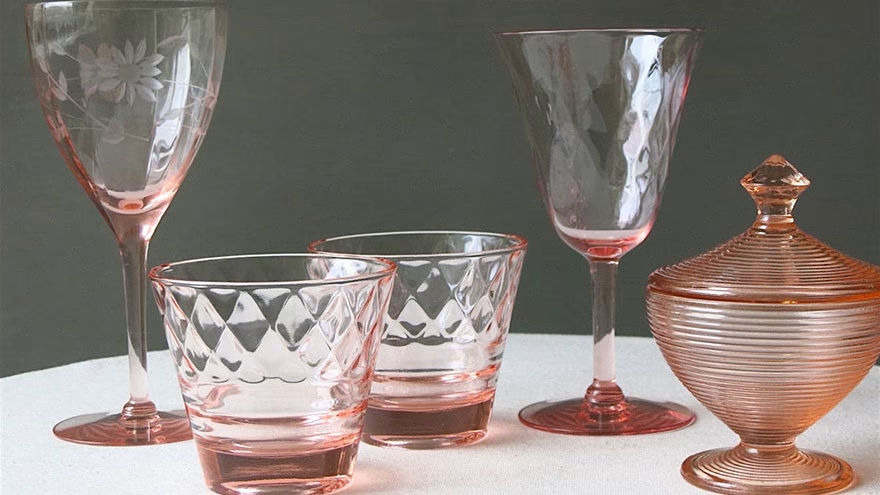
If you like making visual displays, practice with what is already on your shelves before buying decor. Arrange books by color, style a small shelf, or set up a snack tray. A project like building a cookie display becomes a low-pressure design exercise when you use what you own. Collecting can stay affordable if the theme is specific: vintage railroad timetables, postcards from one state, pressed pennies, thrifted glass, or matchbook labels all beat "anything old." Narrow rules protect the budget and make the hunt more satisfying. If glassware interests you, start with research rather than purchases — learning to spot condition issues in Depression glass or compare marks in Fenton glass can fill weeks on its own.
Use free community resources

Libraries are hobby engines. They lend books, ebooks, language tools, and films, and many run craft groups, lectures, seed libraries, local-history rooms, and beginner classes. The New York Public Library publishes a class and workshop calendar with many free options, and most library systems run their own version at local scale. You do not need to live in New York to borrow the idea — check the calendar at your own branch.
Community colleges, parks departments, senior centers, recreation centers, museums, and extension offices often host low-cost sessions too. The best value is a beginner class that hands you enough to practice alone afterward; be wary of any class that requires a large supply purchase before you even know you like the activity. Gardening shows how this scales down: a full raised-bed setup can be costly, but one pot of herbs, a seed packet, or a shared community-garden bed stays modest, and many extension offices publish free beginner guides on soil, composting, and plant selection. Group hobbies need not be intense either — a casual craft circle, book club, walking group, or recipe swap can give a hobby a social rhythm, while quieter people can use the same resources to learn and keep the practice private.
Build a starter plan that protects your budget
Give each hobby a small guardrail. For the first two weeks, spend nothing beyond one essential item. For the first month, borrow before you buy. For collecting, set a firm price ceiling per item. For cooking, choose recipes from what is already in the pantry. For crafts, finish one small project before purchasing more materials. These rules sound strict, but they are what keep a cheap hobby from turning into a slow-motion spending habit.
Track enjoyment, not only progress. Did the hobby make the day feel a little better? Did you want to return to it? Did cleanup annoy you more than the activity pleased you? A cheap hobby that leaves you tense is still costly in another currency. Use friction in your favor, too: keep a sketchbook on the table, walking shoes by the door, library books in view, and craft supplies in one small bin. The easier a hobby is to start, the less willpower it demands to keep.
Affordable hobby ideas you can start today
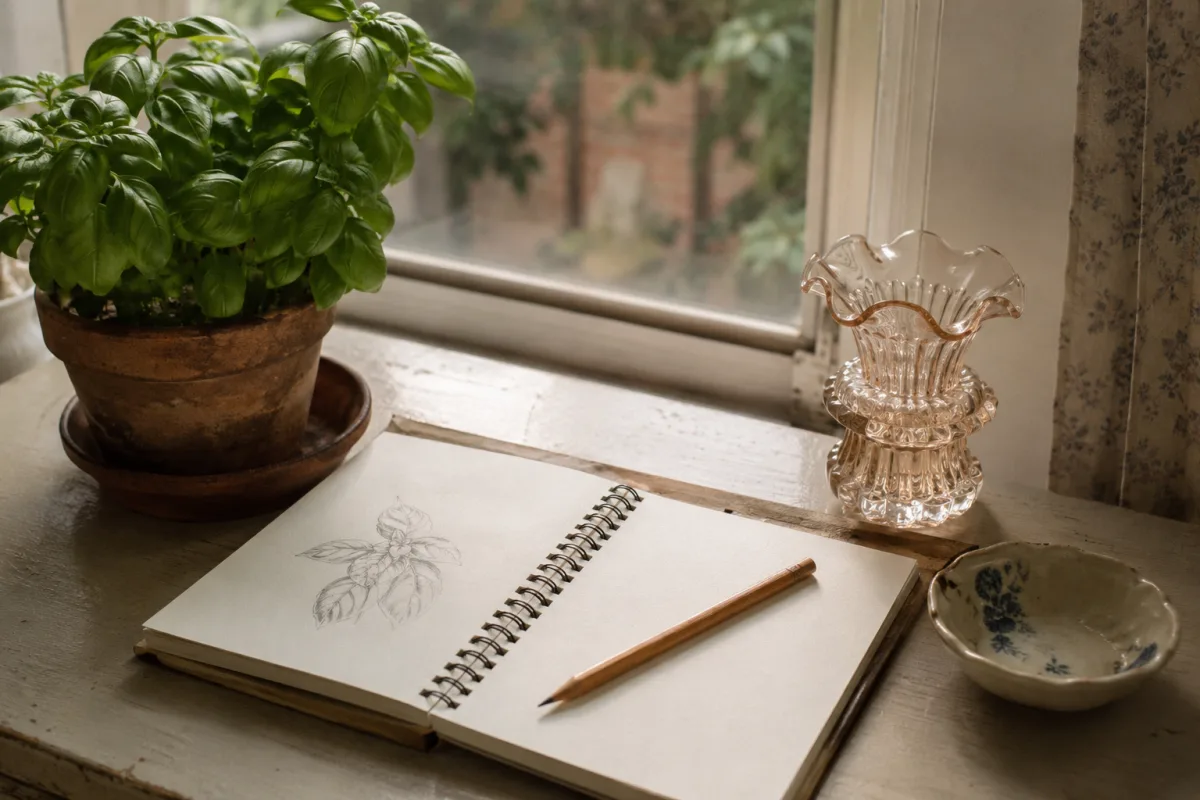
Take a phone-photo walk with one theme: shadows, signs, flowers, or circles. Start a one-page journal where each entry is only five lines. Learn one song on a free keyboard app. Cook one soup base three ways across a week. Repair a loose button. Sketch the same mug every day for seven days. Start a balcony herb pot. Read one short story each night. Research a local landmark, then go see it. Each of these can begin within the hour, with what you already have.
If history draws you in, pick one collectible category and study before buying — timetables, postcards, maps, and kitchen tools all carry stories, and a narrow subject such as vintage railroad timetables gives you a research path without immediate purchases. If you want movement, try walking, chair dancing, beginner stretching, or a neighborhood clean-up loop. If you want calm, reach for puzzles, embroidery, watercolor washes, or pressed leaves. If you want company, try volunteering, game nights, library groups, or community gardening.
Frequently asked questions
What is the cheapest hobby to start? Walking, library reading, journaling, pencil sketching, phone photography, and free community classes cost the least because they use things many people already own.
How do I choose a hobby if I have no interests? Start with energy level rather than passion. Pick one quiet hobby, one movement hobby, and one practical hobby, then test each for two weeks.
Can collecting be affordable? Yes, if the category is narrow and the price limit is firm. Research first, buy slowly, and keep it from sliding into general shopping.
Should a hobby make money? Not necessarily. A hobby can stay valuable simply because it is calming, social, or skill-building, and turning it into income often adds pressure.
The right affordable hobby feels repeatable. It does not need to become a side hustle, a social account, or a new personality — it only needs to give your attention somewhere restful to land, again tomorrow, without asking your wallet for permission.

Linda Fehrman
Edits general wellness and relationship explainers. Health material is educational, avoids diagnosis and links to health-authority guidance.


Leave a reply
Replying to