
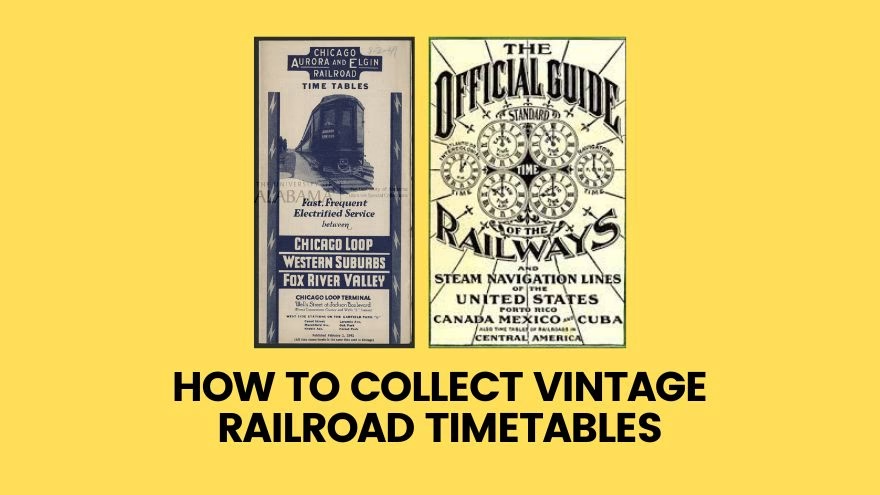
How to Collect Vintage Railroad Timetables starts with learning what the paper was meant to do. A timetable was not created as art for a frame. It was a working document for passengers, employees, agents, or freight operations, and that purpose shapes its value. The best collections are not random piles of old paper. They have a lane: one railroad, one region, one era, one station, one route, one format, or one story about how travel changed.
What counts as a vintage railroad timetable?
A vintage railroad timetable is usually a printed schedule that showed train times, routes, stops, and sometimes fares, services, station notes, or operating rules. Passenger public timetables were meant for travelers. Employee timetables were working documents for railroad staff and may include rules, meets, signals, and track details.
That difference matters. A colorful passenger folder and a plain employee timetable can both be collectible, but they tell different stories. Passenger material shows how the railroad sold travel. Employee material shows how the railroad operated.
Collect the purpose, not only the paper. A timetable becomes more interesting when you know who used it and why it existed.
Pick a collecting focus before buying heavily
New collectors often buy every timetable that looks old. That is fun for a month and confusing for years. A focus helps you make better choices and avoid boxes of unrelated paper. You might collect one railroad, your home region, pre-Amtrak passenger service, local commuter lines, military-era travel, scenic routes, or timetables from stations your family used.
If you already like accessible hobbies, a broad guide to affordable hobbies can help frame collecting as a budgeted practice rather than a shopping habit. Timetables are still paper; storage, condition, and context matter more than constant buying.
A narrow collection can feel larger because each new piece fills a clearer gap.
Learn the difference between public and employee timetables
Public timetables were printed for passengers and often include route maps, train names, dining car notes, sleeper information, station lists, and promotional language. They can be visually appealing and easier for beginners to understand.
Employee timetables were tools. They may include mileposts, rules, sidings, speed restrictions, train superiority, and technical notes. They are less decorative but can be much richer for people studying operations, local rail history, or a specific line.
Do not price by looks alone. A plain employee timetable from a short-lived operation can be more meaningful than a colorful common folder.
Use archives to understand the route
Archives help you see where a timetable fits. The Library of Congress has a Railroad Maps collection that can help collectors understand older routes, expansion, and geography. Maps turn a list of station names into a physical line across land.
For US research, the National Archives' railroad records page can point researchers toward federal records, accident files, land records, and related material. You do not need to become a professional historian, but using primary sources keeps the collection grounded.
When a timetable mentions a town, branch, junction, or named train, look it up before buying the next piece. Context often creates the collecting direction.
Buy from places where paper condition is visible
Good buying sources include railroadiana shows, ephemera fairs, antique shops, specialist dealers, estate sales, online auctions, and collector groups. The best source is the one that lets you see condition clearly: folds, tears, tape, stains, missing panels, writing, brittle paper, and trimmed edges.
Ask direct questions before buying online. Is it original or a reprint? Are all panels present? Is there tape, odor, or missing panels?
Ask whether the photos show the actual item. A seller who cannot answer may still be honest, but your risk is higher.
Condition is part of the story. A fold from pocket use may be acceptable; fresh tape across a cover may be a deal breaker.
Store timetables like fragile documents
Store timetables flat when possible, away from sun, damp, heat, attics, basements, and acidic folders. Use archival sleeves or acid-free folders if the collection is valuable to you. Do not laminate old paper; lamination can permanently damage collectible ephemera.
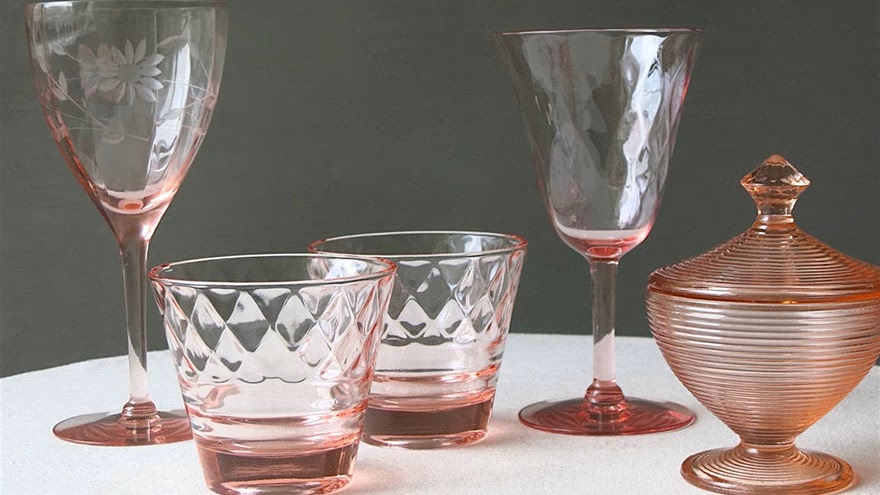
Other antique paper and glass hobbies teach the same lesson: cleaning or restoration can hurt value when done casually. If you collect fragile items, the caution used for cleaning depression glass applies in spirit: know the material before trying to improve it.
Preservation beats repair. Most collectors should stabilize and protect, not attempt ambitious restoration.
Catalog the collection while it is still small
Make a spreadsheet or notebook before the collection becomes hard to remember. Track railroad name, date, region, route, public or employee type, condition, purchase source, price, and notes. Add a photo of each cover and any unusual page.
A catalog also prevents duplicate buying. It helps you notice that you have six common issues from one railroad and no material from the branch line you actually care about. If insurance or estate planning ever matters, the catalog gives someone else a map.
For higher-value collections, paperwork matters. A general resource like questions to ask an estate lawyer can help families think about collections that should not be tossed as ordinary paper.
Handle reproductions and digital copies honestly
Reproductions can be useful reading copies, but they should be marked and stored separately from originals. A digital scan can protect the original from repeated handling and make route study easier. It should not be used to misrepresent a reprint as vintage.
When sharing online, include enough context: railroad, date, route, and whether the item is original, scan, or reproduction. Clear labeling protects the hobby and helps other collectors learn from your material.
Honest description builds trust. In ephemera collecting, trust is part of the market.
Date a timetable by more than the cover
Covers can mislead because railroads reused artwork, slogans, and route names. Check the effective date, printing code, route map, station list, train numbers, and any merger or company name clues inside. A timetable with no obvious year may still reveal its period through stations served or trains advertised.
Compare the piece with maps, company histories, and other timetables from the same line. A small change in a branch, train name, or station can place the item in a tighter window than the cover alone.
The inside pages often date the piece. Do not stop at the prettiest panel.
Trade carefully with other collectors
Collector groups can be generous, but trades still need clear descriptions. Share photos, condition notes, mailing method, and whether money changes hands. Package paper with backing board so corners and folds do not take the damage that good communication avoided.
Keep a record of trades and purchases. If you later discover a timetable was a reproduction, duplicate, or wrong date, notes make it easier to correct your catalog and avoid repeating the mistake.
Good collecting manners protect access. Dealers and collectors remember people who describe paper honestly and ship it well.
Watch for railroad name changes
Railroads merged, reorganized, changed branding, and renamed routes. A timetable may show one company name while the line later became part of another system. Those name changes can help date a piece and explain why two similar routes appear under different covers.
Make a small reference list of mergers, predecessor lines, and station name changes for your collecting focus. It will save time when a seller uses a later railroad name for an earlier item.
Budget for storage, not only buying
Sleeves, boxes, backing boards, and shelf space cost money too. A smaller collection stored well is better than a large stack bent by poor storage.
Frequently Asked Questions
Are vintage railroad timetables valuable?
Some are, but many are modestly priced. Value depends on rarity, railroad, date, condition, route, demand, and whether the item is public or employee material.
How do I know if a timetable is original?
Check paper, printing method, wear, folds, seller history, and comparison examples. Ask collectors or dealers when a piece seems suspicious.
Should I frame old timetables?
Only with archival materials and UV-protective glazing. Many collectors prefer flat storage and display scans to protect originals.
What is the best first focus for a new collector?
Start with one railroad or one region you care about. A personal connection makes research easier and prevents scattered buying.
A strong timetable collection is part paper, part map, part memory. Buy slowly, research the route, protect the documents, and let the collection tell a story you can explain.

Timothy Davidson
Edits step-by-step general-interest guides for clarity, realistic limits and source verification.


Leave a reply
Replying to