

How to Color Hair During Pregnancy starts with a practical question: what kind of color, how much scalp contact, what ventilation, and what symptoms or skin sensitivity do you have?
Many experts consider typical hair dye use low risk in pregnancy, but it is still smart to reduce irritation, avoid unnecessary exposure, and ask your clinician if you have a high-risk pregnancy or skin reactions.
What ACOG Says
ACOG's Ask ACOG page says most experts think using hair dye during pregnancy is not toxic for the fetus: ACOG hair dye during pregnancy.
That does not mean every product or salon setup is comfortable for every pregnant person. Nausea, headaches, allergies, asthma, and sensitive skin can change the experience.
If hair color helps you feel more like yourself during pregnancy, feeling attractive during pregnancy may speak to that side of the decision.
Wait Until After The First Trimester If You Prefer

Some people choose to wait until after the first trimester because early development feels more sensitive and nausea can be stronger. This is a comfort-based choice many clinicians understand.
If roots or gray coverage feel urgent, talk with your stylist about lower-contact options such as highlights, balayage, foils, glosses, or demi-permanent color.
You do not have to choose between doing everything and doing nothing. Exposure-reducing options exist.
Reduce Scalp Contact

Highlights, lowlights, balayage, and foils can reduce dye touching the scalp compared with all-over permanent color. Less scalp contact may mean less absorption and less irritation.
Avoid coloring an irritated, scratched, infected, or broken scalp. Skin barrier matters more than the calendar week.
If you have had allergic reactions to hair dye before, do not experiment during pregnancy without medical advice.
Ventilation Matters
Pregnancy can make smells feel stronger. Choose a well-ventilated salon, ask for a less busy time, and take breaks if the smell triggers nausea or headache.
FDA's hair dye page discusses hair dye safety and notes that FDA continues to monitor research and adverse event reports: FDA hair dyes.
At home, open windows, use gloves, follow timing directions, and do not mix products in ways the label does not instruct.
Patch Tests And Allergies
Pregnancy can change skin sensitivity. A product you tolerated before may sting, itch, or cause rash now.
Follow the product's allergy test instructions before coloring, especially with permanent dyes or darker shades that may contain stronger sensitizers.
Seek medical help for swelling, trouble breathing, widespread rash, severe burning, or eye exposure.
At-Home Color Safety
Read the full directions before starting. Wear gloves. Do not leave dye on longer than directed. Rinse the scalp well. Keep products away from children and pets.
Do not dye eyebrows or eyelashes with hair dye. Eye injuries and reactions can be serious.
If nausea is strong, consider waiting or asking someone else to help in a ventilated space.
Salon Conversation Checklist
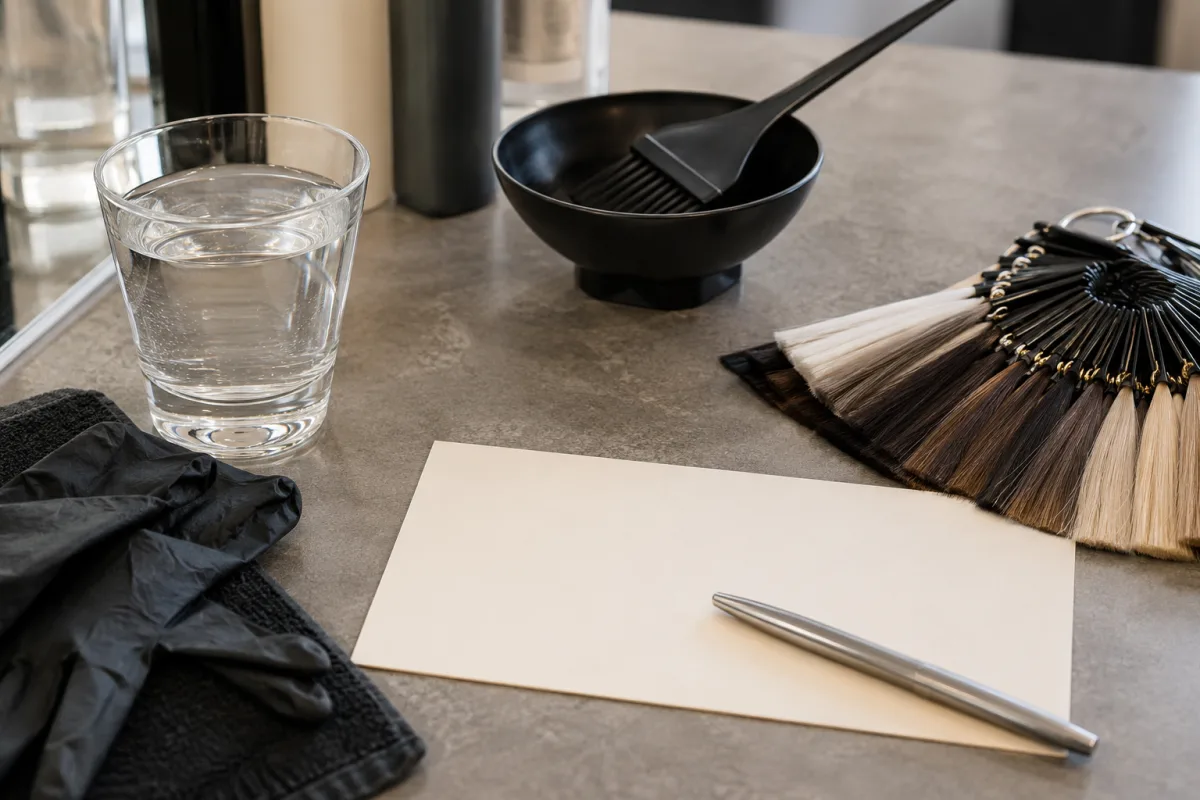
Tell your stylist you are pregnant, sensitive to smells, or worried about scalp contact. Ask what products will be used and how long they sit on the scalp.
Ask for a strand test if changing color dramatically. Pregnancy is not the best time for a surprise chemical reaction or hours of correction work.
If mood, identity, or intimacy feels affected by body changes, staying intimate during pregnancy may help with the emotional conversation.
Bleach, Relaxers, And Keratin Treatments
Bleach can irritate the scalp and smell strong. Relaxers and some smoothing treatments can also be harsh, and some products may release fumes depending on ingredients and heat use.
Ask your clinician before chemical straightening, keratin treatments, or any service that uses strong fumes, heat, or prolonged scalp contact.
If the salon cannot tell you what is in the product, skip the service until you have clearer information.
When To Delay Coloring
Delay coloring if you have severe nausea, migraines triggered by smell, scalp sores, allergic history, asthma flare, high-risk pregnancy concerns, or a clinician who advised avoiding chemical exposure.
Delay if the salon has poor ventilation or if the service would take hours with multiple chemical steps.
If depression or anxiety is making the decision feel bigger than hair, depression during pregnancy may be useful support reading.
Choose Products More Carefully
Pick products with clear directions, ingredient lists, and allergy instructions. Avoid mystery mixtures, unlabeled jars, and social-media recipes that are not meant for hair.
Henna can be an option for some people, but only if it is true body-art quality or hair henna without added metallic salts or harsh additives. Labels matter.
If you are using a new brand, patch test and strand test before applying it to the whole head.
If You Work Around Hair Dye
Stylists and salon workers may have more exposure than someone coloring hair once. Gloves, ventilation, breaks, and product handling matter more when exposure is repeated.
Talk with your clinician about workplace exposure if you are pregnant and work in a salon. Also follow occupational safety guidance from your employer and local rules.
If fumes trigger nausea or headaches, adjust scheduling, ventilation, or duties rather than pushing through every appointment.
After Coloring
Rinse thoroughly, wash towels separately if needed, and watch for itching, burning, rash, swelling, or eye irritation.
If the color result is not what you wanted, avoid immediate repeated chemical processing if your scalp feels sensitive. Give the scalp time and ask a stylist about gentler correction.
Hair changes during pregnancy can affect texture, oiliness, and how color takes. A strand test can prevent a bigger surprise.
Lower-Commitment Options
If you are unsure, choose gloss, toner, root touch-up, highlights, lowlights, or a semi-permanent shade instead of a dramatic permanent change.
Lower-commitment color can reduce time in the chair and make correction easier if pregnancy hair texture behaves differently.
Ask for formulas that avoid strong scalp contact when possible.
Home Dye Checklist
Ventilate the room, wear gloves, protect skin, set a timer, keep food and drinks away from the work area, and rinse thoroughly.
Do not color hair while feeling dizzy, nauseated, or short of breath. Stop if fumes feel overwhelming.
Keep the box and ingredient list for a few days in case you have a reaction and need to report what was used.
Salon Timing Around Appointments
Avoid scheduling color right before a prenatal appointment if you are likely to feel nauseated or sit for a long time.
Bring water and a snack if your clinician allows it. Long salon appointments can feel harder during pregnancy than they used to.
If lying back at the shampoo bowl makes you dizzy, ask for breaks or a different position.
If You Need Color Correction
Color correction often takes longer than a simple root touch-up. It may involve bleach, toner, repeated washing, heat, and more time near chemical smells.
If your result is uneven, ask whether the correction can be split into shorter appointments or delayed until your scalp feels calm.
Do not keep applying box dye at home to fix a salon problem. Repeated processing can irritate the scalp and make the color harder to correct.
A Simple Appointment Plan
Book at a time of day when nausea is usually lower. Ask for a chair near fresh air, a shorter service if possible, and breaks during rinsing or foiling.
Eat beforehand if your clinician has not restricted food, bring water, and tell the stylist if smells or heat are bothering you.
If you feel lightheaded, say so early. Standing up slowly after a long appointment can help, especially later in pregnancy.
Products To Avoid Mixing
Do not mix salon products, box dye, bleach, relaxer, henna, or smoothing treatments unless a trained stylist has checked compatibility.
Metallic salts, previous color, and strong lighteners can react unpredictably. Pregnancy does not cause every reaction, but it is a bad time to create one.
Keep the plan boring: one service, clear instructions, good airflow, and a scalp that is not broken or irritated.
Frequently Asked Questions
Is hair dye safe during pregnancy?
ACOG says most experts think hair dye use during pregnancy is not toxic for the fetus, but personal risk and comfort matter.
Should I wait until the second trimester?
Some people choose to wait. It is a reasonable comfort-based option to discuss with your clinician.
Are highlights safer than all-over color?
Highlights or foils can reduce scalp contact, which may reduce irritation and exposure.
Can I bleach my hair while pregnant?
Ask your clinician and stylist. Ventilation, scalp condition, and exposure time matter.
What if I get a rash after dyeing?
Stop using the product and contact a clinician, especially for swelling, breathing trouble, or severe burning.
This article is for general information only and isn't a substitute for medical advice. Talk to a clinician who knows your full history before making changes.

Chiara Bradshaw
Covers education, culture and creative topics with an emphasis on readable explanations and verifiable references.




Leave a reply
Replying to