

How to Do a 'Quick Weave' Site on YouTube should be more than a fast transformation video. A useful tutorial shows prep, products, tension checks, removal, and what to do if the scalp reacts.
Start With Hair Safety
AAD says weaves and extensions can damage natural hair and even cause hair loss if precautions are not taken: AAD preventing weave damage.
Do not film a method that hurts or pulls.
Pain is a warning sign, not proof the style is secure.
Avoid Traction Damage
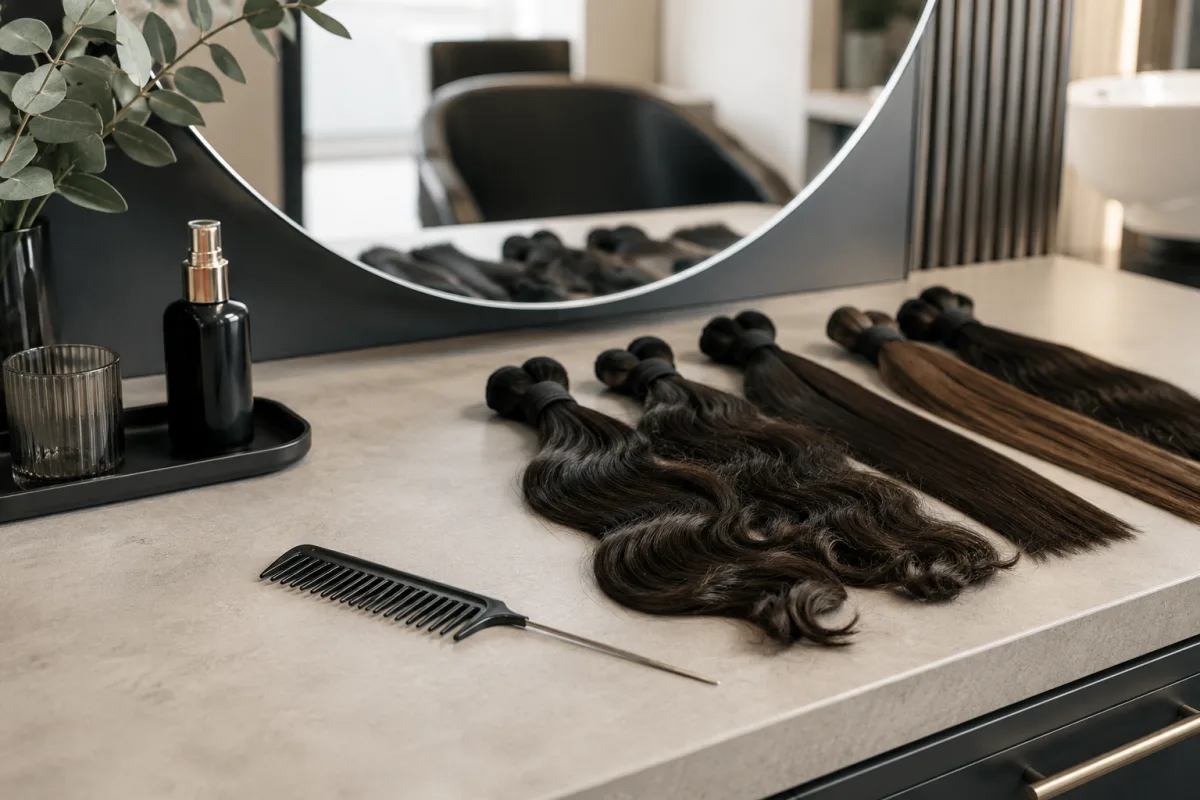
AAD explains that tightly pulled styles, extensions, and weaves can cause traction alopecia: AAD traction alopecia.
Use lighter hair and avoid tight placement.
Tell viewers to stop if the style causes headache or soreness.
Read Product Labels
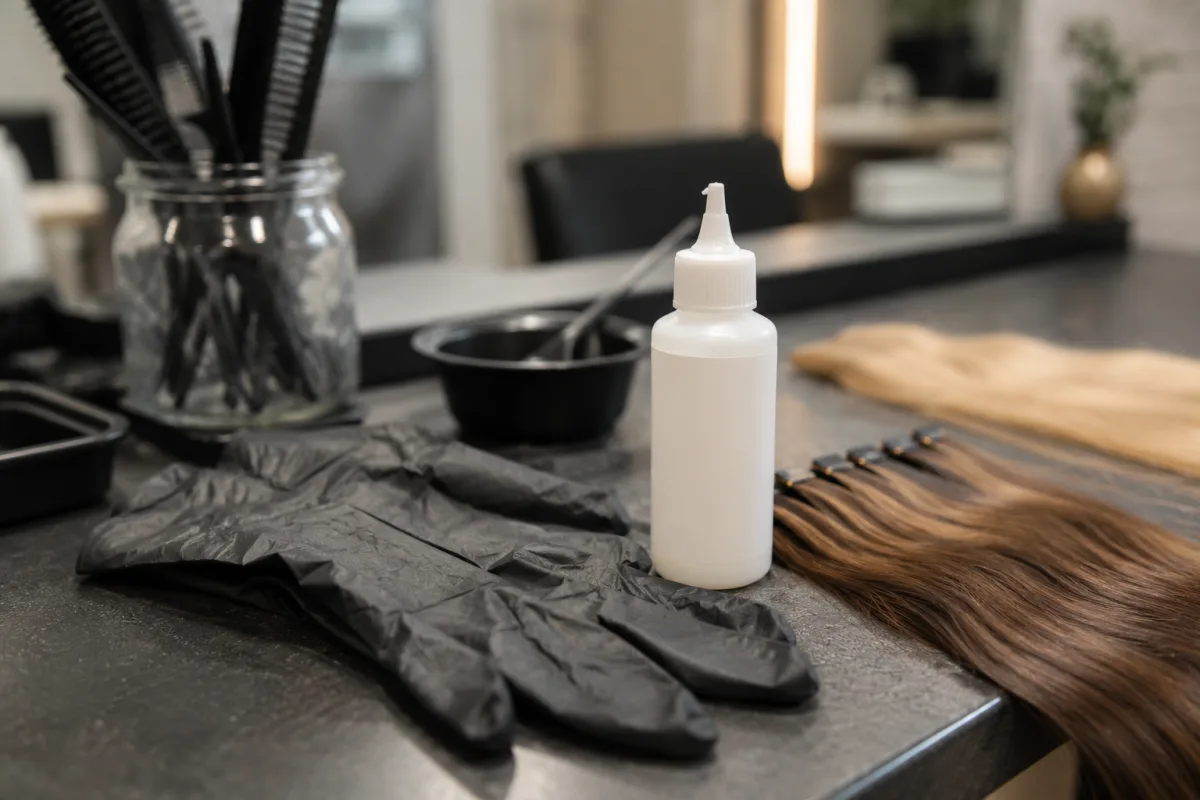
FDA cosmetic safety guidance warns that adhesives and cosmetic products can cause allergic reaction or irritation: FDA cosmetic adhesive safety.
Show labels and mention ventilation and removal.
Do not put glue on irritated or broken skin.
Script The Camera Angles
A quick weave tutorial needs camera planning before glue or tracks come out. Viewers should see parting, protection, product amount, tension checks, and removal notes.
Use close shots for technique and wider shots for posture. A style can look easy from far away while the scalp is actually being pulled too tightly.
Do not hide steps that affect safety, such as cap placement, glue location, drying time, and how you avoid getting product on skin.
If a step cannot be shown clearly, say it should be done by a licensed stylist. A blurry shortcut can be copied by someone with a sensitive scalp.
Tell Viewers What You Are Not Doing
Good tutorials set boundaries. Say when you are not applying glue to the scalp, not pulling tight, not using heat near irritated skin, or not keeping the style in too long.
Those negative steps are useful because viewers often copy what they think happened off camera. Explain the limits before the finished look appears.
Mention hair history when it matters. A method that works on one person's hair density, edges, and scalp tolerance may be wrong for another person.
Avoid promising growth, protection, or no damage. A quick weave can be styled carefully, but it still carries product and tension risks.
Show A Removal Plan
A quick weave video should include removal before the viewer ever starts. Glue, tracks, caps, and product buildup need patient removal to reduce breakage.
List the remover, tools, time, and aftercare. If removal requires a professional, say that at the beginning instead of hiding it after the install.
Never show ripping, scraping, or pulling as normal. Fast removal may make dramatic video, but it can damage hair and skin.
After removal, show how you check the scalp for soreness, flakes, bumps, thinning, or broken hair. The style is not finished until the scalp is okay.
Keep Comments Health-Safe
A YouTube audience may ask about pain, bald spots, burns, itching, and allergic reactions. Have a careful answer ready: stop, remove safely, and seek professional care when needed.
Do not diagnose viewers in comments. You can point to product labels, dermatologist guidance, and safer habits without pretending to examine a scalp online.
Pin a comment with product cautions, removal reminders, and signs to stop. That helps viewers who skip parts of the video.
A responsible tutorial can still be stylish. It simply treats hair and scalp health as part of the finished look.
If filming a tutorial feels stressful, stage fright offers a related way to handle nerves before recording.
Tutorial notes work best when they are practical; writing a food journal shows the same habit of recording steps without overcomplicating them.
If speaking on camera feels unusually hard, selective mutism is a related communication-health topic to approach with care.
Put Scalp Health First
For quick weave tutorial YouTube, the style or video should never matter more than scalp comfort, skin reactions, or hair breakage. Pain, burning, bumps, or tight pulling are signs to stop.
A quick style can still cause long-lasting damage if glue, tension, heat, or removal is handled carelessly.
If the scalp is irritated, infected, thinning, or painful, see a dermatologist or licensed professional before filming another install.
Plan The Tutorial Before Products
A good tutorial starts with a clean outline: tools, product labels, prep, application, cut, style, removal, and aftercare.
Do not film steps you cannot explain safely. Viewers may copy the method without knowing your hair history or product tolerance.
Keep brand claims separate from what you personally observed.
Avoid Product Guessing
Read labels before using glue, remover, sprays, oils, heat protectant, or styling products. Ventilation and allergy risk matter when products sit near the scalp or face.
Do not use products near eyes, broken skin, or irritated scalp unless the label says that use is safe.
If a product causes burning, swelling, rash, breathing trouble, or eye injury, stop and get medical help when needed.
Reduce Tension
Weaves, extensions, ponytails, and braids can pull on hair. A style that hurts or causes a headache is too tight.
Use lighter hair, avoid constant tension in the same area, and do not keep a style in longer than professional guidance allows.
Removal should be slow and gentle. Ripping out glue or tracks can damage hair and skin.
Record With Honesty
Show what you can show clearly and leave out private information, unsafe shortcuts, and copyrighted music you do not have rights to use.
If a step failed, say so. Honest editing is more useful than hiding the part that caused shedding, lifting, or discomfort.
A tutorial should help someone make a safer decision, not pressure them into copying a risky method.
Build Aftercare Into The Video

The video should not end when the style looks finished. Mention how to sleep, clean the scalp, watch for itching, and remove the style safely.
If the style is for a special event, plan the removal before the install. Aftercare is part of the style.
A polished look is not a success if the scalp is sore for days afterward.
Know When Not To Post
Do not post a tutorial that normalizes pain, chemical burns, unsafe heat, or ignoring product warnings.
If a technique needs a licensed professional, say that clearly instead of presenting it as a beginner shortcut.
The best video may be the one that tells viewers when to pause and get help.
Before Recording
Before making content about quick weave tutorial YouTube, decide which steps are safe enough to show and which steps should be left to a licensed stylist or medical professional.
Write the tutorial outline before opening products. The outline should include prep, tools, label checks, application, tension checks, drying, styling, removal, and aftercare.
Keep product labels nearby and avoid claims that the label does not support. A personal result is not proof that a product is safe for every viewer.
Build stop points into the video. Pain, burning, rash, swelling, headache from tightness, eye exposure, or sudden shedding should be treated as reasons to pause.
Film removal and aftercare with the same care as the install. Viewers need to know how to end the style without tearing hair or irritating skin.
Do not diagnose viewers in the video or comments. Point them toward a dermatologist, licensed stylist, or product instructions when symptoms or scalp damage are involved.
The tutorial is stronger when it shows patience. A clean finish is useful, but a safe method and honest limits matter more for the person copying it.
If the video has sponsors or affiliate links, keep that separate from safety advice. Viewers should know what is a personal choice, what is paid, and what comes from a trusted health source.
Frequently Asked Questions
What matters most for quick weave tutorial YouTube?
Scalp comfort, product safety, tension, removal, and clear tutorial steps matter more than a fast finished look.
When should I stop a quick weave?
Stop for burning, pain, swelling, rash, headache from tightness, eye exposure, or sudden shedding.
Should a beginner use glue?
A beginner should read labels, consider professional help, avoid irritated skin, and plan removal before applying glue.
How do I make the tutorial safer?
Show product labels, ventilation, tension checks, removal steps, and aftercare instead of only the final style.
When should I see a dermatologist?
See a dermatologist for hair loss, painful scalp, sores, infection signs, or ongoing irritation.
This article is for general information only and is not medical, dermatology, financial, or legal advice. Ask a qualified professional about symptoms, products, investments, or urgent concerns.

Olivia Prete
Edits culture and personal-development articles, distinguishing opinion and experience from verifiable claims.




Leave a reply
Replying to