
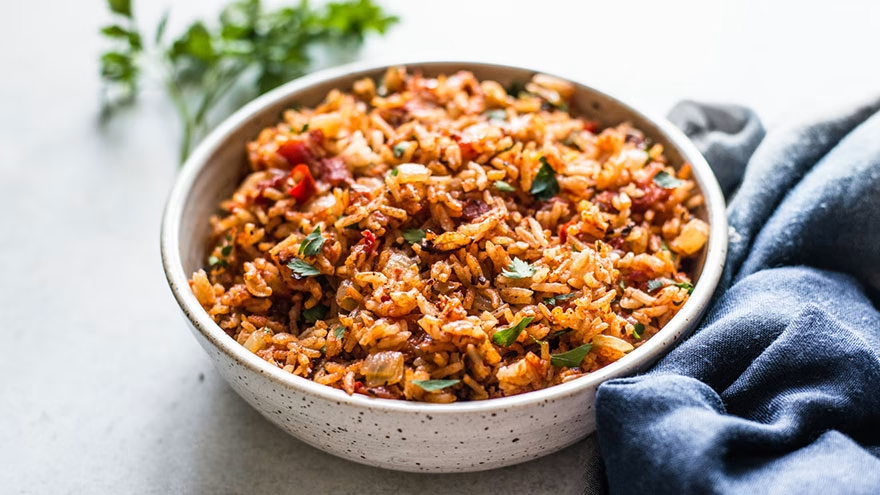
Jollof rice is a meal, not just a side
Jollof rice is built around rice cooked with tomato, pepper, onion, oil, seasoning, and stock or water. Depending on the cook and country, it may taste smoky, spicy, sweet from tomato, deeply savory, or bright with fresh garnish.
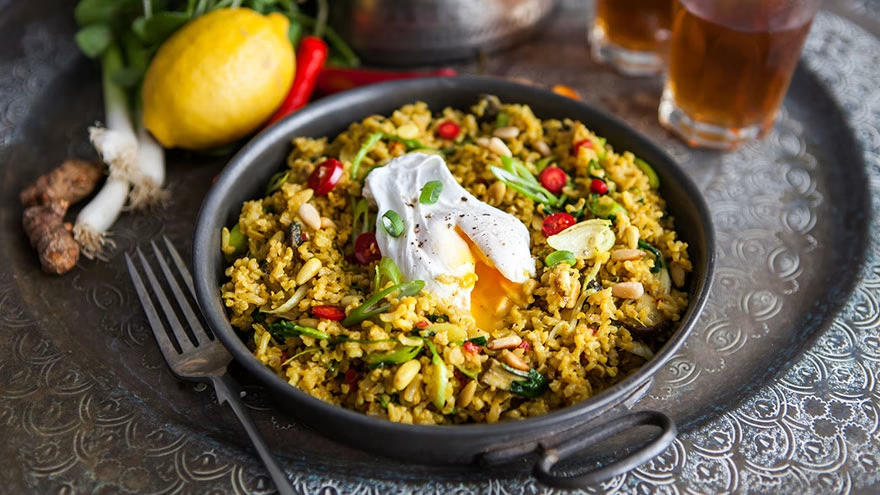
If you already know rice dishes such as African-style rice pilaf, jollof will feel familiar in structure but different in flavor and cultural meaning.
Respect regional differences
Nigerian, Ghanaian, Senegalese, Sierra Leonean, Liberian, and other West African versions are not the same dish wearing different names. Rice type, spice level, cooking fat, stock, vegetables, and texture can vary a lot.
Do not turn the first bite into a competition unless the table invites that joke. Ask who made it, what style it is, and what they like to eat with it.
Look for separate grains and a cooked tomato base
Good jollof usually has rice grains that are cooked through without turning mushy. The tomato base should taste cooked, not raw or metallic. The bottom may have a smoky toasted layer if the cook uses that style.
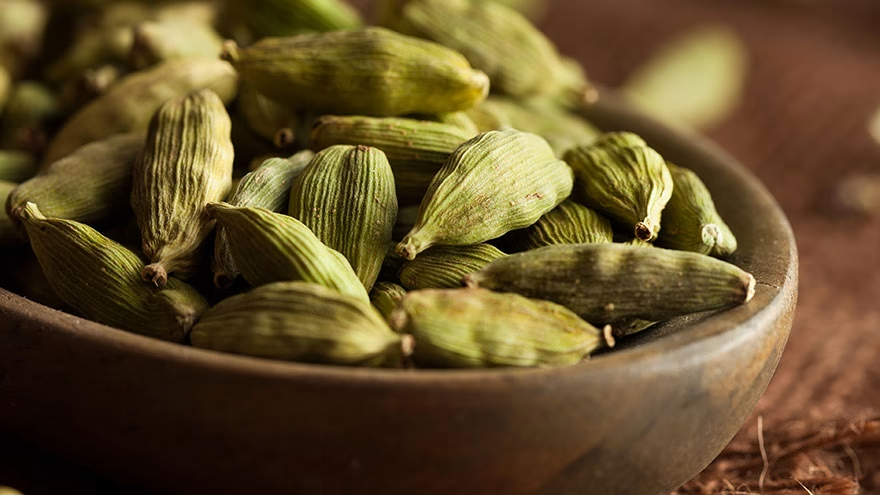
Spice familiarity helps. If you are learning pantry flavors, common spice guides can remind you that names matter less than tasting with attention.
Pair it with the right sides
Common pairings include fried plantains, grilled or fried chicken, beef, fish, boiled eggs, salad, coleslaw, moi moi, pepper sauce, or stewed vegetables. The side should balance the rice rather than bury it.
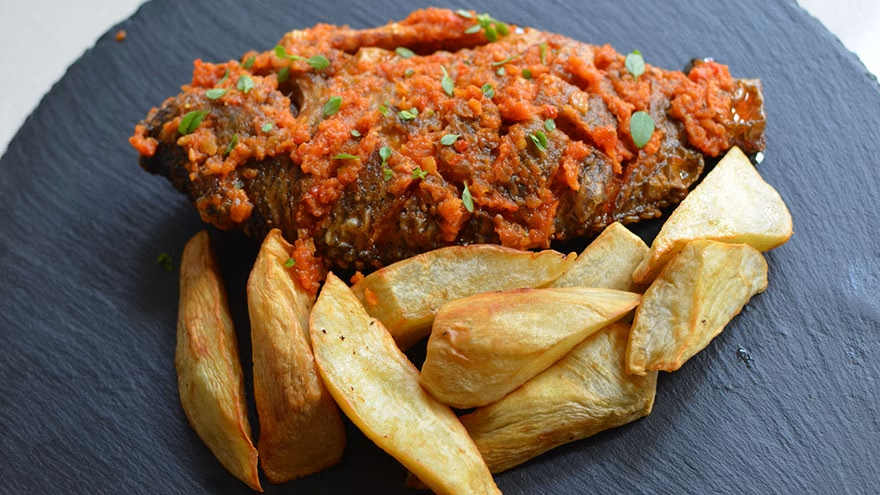
For a West African plate, fried African yams can sit in the same comfort-food family. Keep portions sensible because rice, oil, and fried sides fill up quickly.
Eat it hot enough to show the aroma
Jollof is usually best warm or hot, when the tomato, pepper, and stock aroma rises from the rice. If it has been sitting out at a party, ask when it was cooked before taking leftovers home.
USDA FSIS guidance on leftovers and food safety says leftovers should be cooked safely and refrigerated promptly.
Handle leftover rice carefully
Rice needs more care than many people give it. Cool leftovers quickly in shallow containers, refrigerate them promptly, and reheat until hot. Do not leave a covered pot on the counter for hours and assume reheating fixes everything.
FoodSafety.gov is a useful federal starting point for safe handling guidance at foodsafety.gov. This matters when rice is cooked in large party batches.
Use your hands only when the setting fits
Some people eat rice dishes with a spoon or fork, while others may use hands in certain home or cultural settings. Follow the host, the restaurant norm, and your own cleanliness. Wash hands properly if eating by hand.
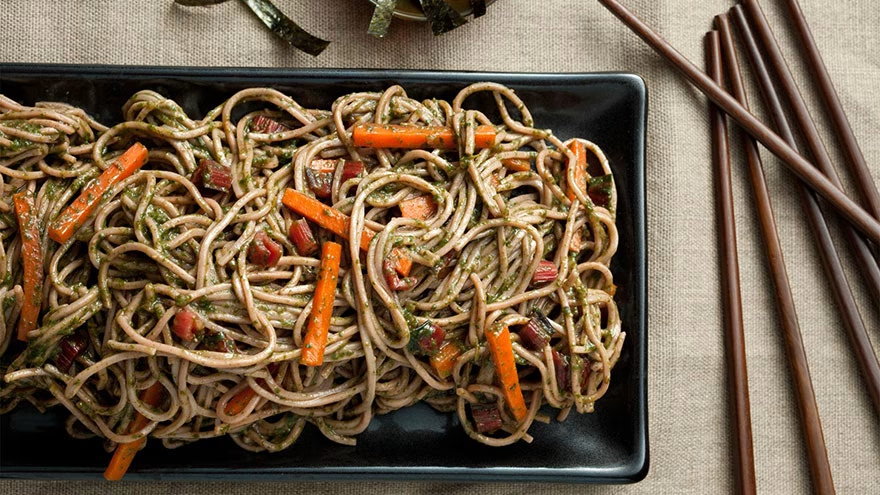
Food traditions vary as much as noodle traditions in Asian noodle styles. The respectful move is to observe before acting like there is one correct method.
Notice heat level before adding sauce
Taste before adding pepper sauce or extra seasoning. Some jollof is mild and tomato-forward; some already carries serious heat. Adding sauce before tasting can drown the balance the cook built.
If dried seafood or fish appears on the table, background from Senegalese dried and salted fish can help you understand why deep savory notes show up in some West African dishes.
Make the plan fit real life
The useful version of this topic is the one that fits the reader's actual situation. The way you eat it should fit the regional style, host setting, spice level, sides, serving temperature, and leftover safety. A plan that only works on paper will not survive a normal week, a tired afternoon, or a small mistake.
Start with the constraint that is least flexible. That may be time, money, safety, access, health, policy, family expectations, or local rules. Once that limit is clear, the rest of the choices become easier to sort.
Watch for the mistake that changes the outcome
The common mistake is treating every jollof rice as the same dish and ignoring the cook's regional style. It usually happens because people want the answer to be simpler than it is. Slow down long enough to separate facts from hopes.
Good judgment is often quiet. It looks like reading the policy, checking the weather, asking one more question, saving a record, or choosing the smaller step before the larger one.
Use a short checklist before you commit
Before acting, check the basics: regional style, grain texture, tomato base, spice level, sides, serving temperature, leftover time, storage container Keep the list short enough that you will actually use it. A long checklist that nobody opens is just decoration.
If another person is involved, confirm the same points in plain language. Most bad decisions in everyday life are not caused by missing expert knowledge; they are caused by assumptions nobody tested.
Know when to pause
Pause when the rice has sat at room temperature too long, smells off, or you do not know how leftovers were stored. A pause is not failure. It is a way to keep a small uncertainty from becoming a costly problem.
If the situation involves health, legal rights, safety, money, or another person's trust, get qualified help instead of forcing a quick answer. The right next step may be slower, and that is often the point.
Turn the advice into one next step
Do not try to solve the whole subject at once. Pick the first item that can change the decision today, then check it against the practical list: regional style, grain texture, tomato base, spice level, sides, serving temperature, leftover time, storage container That keeps the work grounded instead of letting the topic become a vague intention.
A small verified step is better than a confident guess. In practice, that may mean reading the rule, checking the map, saving the message, measuring the space, asking the clinic, reviewing the profile, or confirming the payment terms before anything else moves.
Keep notes while details are fresh
Good notes do not need to be formal. Write down the date, source, name, rule, price, condition, or answer while it is still fresh. That record gives you something calmer to use later if memory, stress, or another person's version of events starts to blur the issue.
For this topic, notes should focus on the decision point rather than every side thought. Record the fact that would change your choice, then leave room for updates if a source, policy, weather report, profile detail, or schedule changes.
Match the advice to the stakes
Low-stakes choices can move with common sense and a short check. Higher-stakes choices need more patience, especially when safety, health, pay, travel money, family trust, or another person's comfort is involved. The amount of checking should rise with the possible cost of being wrong.
This is where the earlier pause point matters: the rice has sat at room temperature too long, smells off, or you do not know how leftovers were stored. If that line is close, slow the plan down. Speed is useful only when the basic facts are solid.
Think about the second effect
Many everyday decisions have a second effect that shows up later. A message changes trust, a campsite affects access, a workplace rule changes morale, a food choice affects leftovers, and a travel booking can affect the whole budget. Look past the first convenient answer.
The second effect is usually where regret hides. Before you finish, ask who else is affected, what becomes harder tomorrow, and what proof you would want if the decision had to be explained later.
Close the loop cleanly
Once the choice is made, finish the small administrative work around it. Save the link, send the note, pack the item, label the container, confirm the route, update the file, or tell the other person what happens next.
A clean close keeps the subject from staying half-open in your head. It also makes the advice easier to repeat the next time, because you are not rebuilding the whole decision from memory. A short final note can also reveal a weak plan before it creates extra work for someone else later. That is often the difference between knowing what to do and actually doing it.
Frequently Asked Questions
What do you eat with jollof rice?
Common sides include fried plantains, chicken, beef, fish, eggs, salad, pepper sauce, and vegetables.
The best pairing depends on the regional style and the cook's table.
Is jollof rice supposed to be spicy?
It can be mild, medium, or hot. Pepper is common, but not every pot has the same heat level.
Taste before adding sauce.
Can I eat jollof rice cold?
It is usually best warm or hot. Cold leftovers should only be eaten if they were cooled and stored safely.
When in doubt, reheat properly.
Why do people argue about jollof rice?
Regional pride is part of the fun, especially around Nigerian and Ghanaian styles.
Respect the cook and enjoy the plate in front of you.

Alyssa Curlin
Edits general health, nutrition and education explainers. Medical topics are educational and link to public-health guidance.
Leave a reply
Replying to