
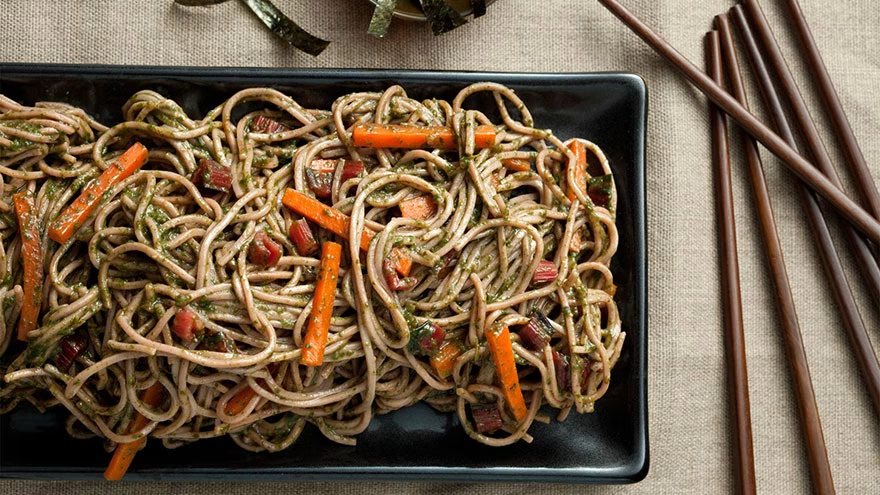
Asian Noodle Types Start With Ingredients
Asian noodle types make more sense when you start with what they are made from: wheat flour, rice flour, buckwheat, mung bean starch, sweet potato starch, tapioca starch, eggs, water, salt, or alkaline salts. The title uses the older phrase "Oriental noodles," but most cooks today would say Asian noodles and then get more specific by cuisine, shape, and use.
The ingredient decides much of the texture. Wheat noodles can be chewy and springy. Rice noodles are often smooth and slippery. Glass noodles turn translucent and bouncy.
Soba can taste nutty because of buckwheat. Udon is thick and soft-chewy. Ramen gets its firm bite from alkaline water.
Do not choose by package photo alone. Choose by the dish: broth, stir-fry, cold salad, hot pot, spring roll filling, or noodle bowl. The best noodle is the one that behaves well in that cooking method.
Japanese Wheat and Buckwheat Noodles
Japanese noodle names are familiar, but they are not interchangeable. The Japan National Tourism Organization's Japanese noodle guide describes common ramen styles such as shoyu, shio, miso, and tonkotsu, and also covers udon and soba in everyday Japanese food culture.
Ramen
Ramen noodles are wheat noodles made for broth, with a firm chew that holds up in hot soup. Fresh ramen and instant ramen are not the same product, but both rely on a springy texture. Match the noodle thickness to the broth weight.
Udon
Udon is thick, pale, and chewy. It works well in hot broth, stir-fried dishes, and chilled preparations with dipping sauce. Because udon is wheat-based, it is not a gluten-free choice.
Soba
Soba is associated with buckwheat, but many commercial soba noodles also contain wheat flour. That matters for anyone avoiding gluten. Soba can be served cold with dipping sauce or warm in broth, and its nutty flavor makes it good with restrained sauces.
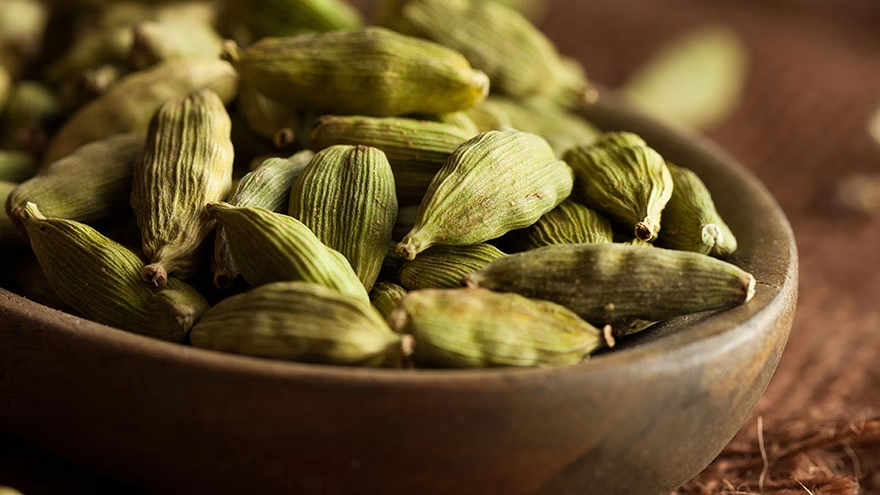
Livecub's common Asian spices article is a useful partner here because noodles are often mild until broth, aromatics, spice pastes, herbs, and condiments define the bowl.
Rice Noodles
Rice noodles range from thin vermicelli to wide flat sheets. They are used in dishes such as pho, pad Thai, chow fun, spring rolls, and cold noodle salads. Their main appeal is smooth texture and quick cooking, but they can break or clump if handled roughly.
Soaking is often better than boiling hard. Many dried rice noodles soften in hot water, then finish in broth or a wok. If they go straight into a stir-fry while too stiff, they may snap. If they soak too long, they turn mushy.
Rice noodles are often gluten-free by ingredient, but packaging still matters. Cross-contact and added wheat-based ingredients can change the answer. Anyone with celiac disease should read labels and choose certified products when needed.
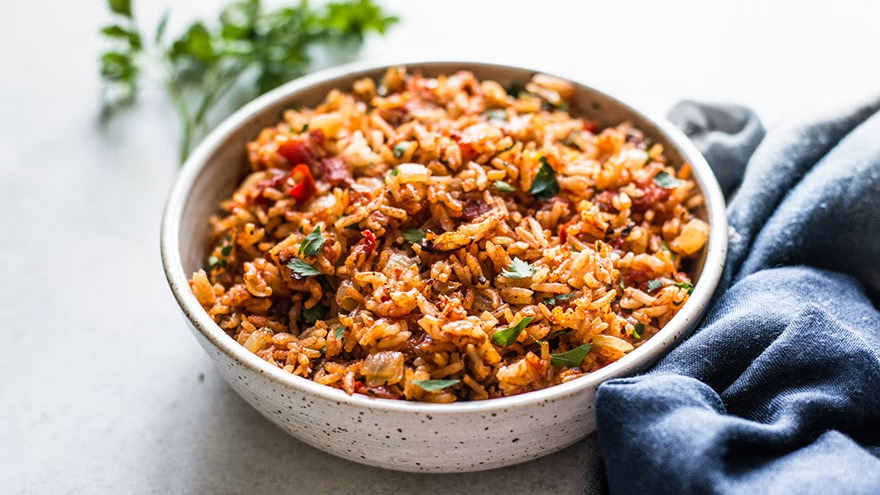
Rice-based cooking shows up in other food traditions too. Livecub's guide to eating jollof rice is not about noodles, but it reminds readers that grain texture and sauce absorption shape the whole dish.
Glass Noodles and Starch Noodles
Glass noodles are made from starches such as mung bean, sweet potato, or tapioca. They turn translucent after cooking and have a springy, slippery bite. They appear in soups, stir-fries, hot pots, dumpling fillings, and Korean japchae-style dishes.
The starch source changes the chew. Mung bean glass noodles can feel light and clear, while sweet potato starch noodles often feel thicker and more elastic. These noodles absorb sauce well, so they can become salty if the sauce is heavy.
Use scissors after cooking if the noodles are long. That makes them easier to toss and eat. Rinse only when the dish needs the noodles cooled or separated; for hot sauced dishes, some starch on the surface can help sauce cling.
Starch noodles are usually not chosen for protein or fiber. They are chosen for texture and sauce carry. Add vegetables, eggs, tofu, seafood, meat, herbs, or mushrooms to build the meal around them.
Egg Noodles, Lo Mein, and Chow Mein
Many Chinese-style wheat noodles use egg or alkaline ingredients for color, chew, and structure. Lo mein noodles are usually boiled or blanched and tossed with sauce. Chow mein often points to a firmer fried or stir-fried preparation, though restaurant usage varies by region.
These noodles like high heat and quick movement. Cook or loosen the noodles before they hit the wok, then add sauce in controlled amounts. Too much sauce can turn the pan soggy before the vegetables and protein brown.
Salt can be high in packaged noodles, seasonings, and sauces. USDA FoodData Central provides food composition data through its FoodData Central database, which is useful when comparing prepared noodle products or checking nutrition labels.
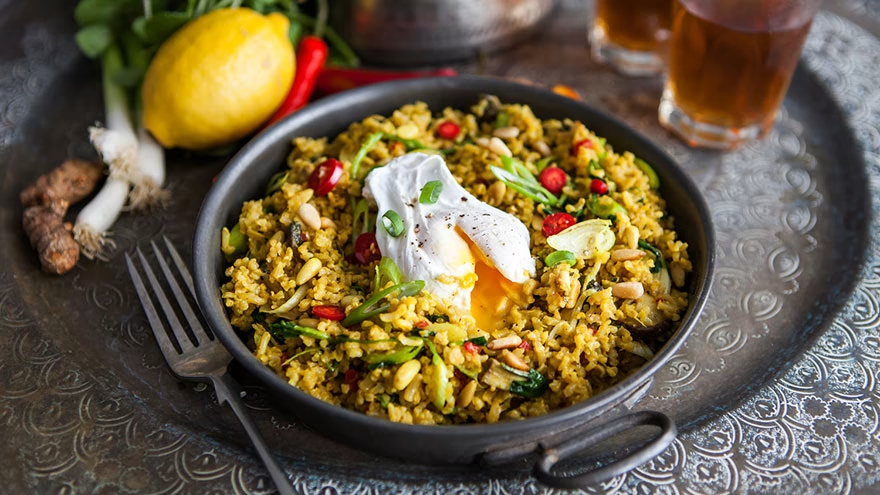
Flavor pairings matter as much as noodle type. For another example of starch plus seasoning, Livecub's African-style rice pilaf guide shows how aromatics and cooking liquid can turn a simple base into the main dish.
Gluten and Label Checks
The Celiac Disease Foundation's sources of gluten guide lists ramen, udon, soba made with a percentage of buckwheat flour, chow mein, and egg noodles among noodle foods that can contain gluten. It also notes that rice noodles and mung bean noodles are gluten-free by ingredient.
That distinction is practical. A noodle can sound gluten-free because of its name but still include wheat. Soba is the classic example: buckwheat itself is not wheat, yet many soba products blend buckwheat with wheat flour for texture.
For strict gluten avoidance, do not rely on shelf placement or restaurant shorthand. Read the package, ask about ingredients, and watch for shared cooking water. The safest choice is a product clearly labeled gluten-free when medical avoidance matters.
People cooking for guests should keep sauces in mind too. Soy sauce, marinades, and some broths can add gluten even when the noodle is rice or mung bean.
Match Noodles to Sauce and Broth
Light broths need noodles that do not steal attention. Thin rice noodles, soba, ramen, and slender wheat noodles can keep the bowl balanced if the broth is clear or delicate. Thick udon can work too, but it turns the bowl into a softer, heavier meal.
Stir-fries need noodles that can survive movement. Wide rice noodles are excellent when handled gently, while wheat noodles and udon tolerate more tossing. Glass noodles absorb sauce quickly, so season in stages rather than dumping everything in at once.
Cold dishes need a noodle that stays pleasant after rinsing. Soba, rice vermicelli, and some wheat noodles work well with vinegar, sesame, herbs, or chile oil. The key is controlled seasoning: cold noodles can taste flat until salt, acid, and aroma are in balance.
Hot pot and soup refills are different. Add quick-cooking noodles near the end so they do not cloud the broth or turn limp. Keep dried noodles separate until the pot is ready for them.
How to Choose the Right Noodle
For brothy soups, choose ramen, udon, rice noodles, or wheat noodles that hold shape. For stir-fries, choose noodles that can be cooked short of soft and finished in the pan. For cold salads, use soba, rice vermicelli, or chilled wheat noodles with a sauce that does not weigh them down.
Look at thickness and timing. Thin noodles cook quickly and can overcook fast. Thick noodles need more time and sauce. Wide noodles can tear if tossed too hard. If a package gives soaking instructions, follow those before improvising carefully at home later tonight.
Keep pantry noodles dry, sealed, and away from strong odors. Fresh noodles need refrigeration and shorter use windows. Frozen noodles can be excellent, but thaw them according to package directions so the texture stays intact.
The fastest way to improve noodle cooking is to stop treating every noodle like spaghetti. Match ingredient, thickness, and cooking method, then season with restraint. The noodle should carry the dish, not fight it.
Frequently Asked Questions
What are the main types of Asian noodles?
Common groups include wheat noodles, rice noodles, buckwheat soba, egg noodles, ramen, udon, glass noodles, and starch noodles.
Are soba noodles gluten-free?
Only some are. Many soba noodles include wheat flour, so people avoiding gluten need to read labels carefully.
Which noodles are best for stir-fry?
Lo mein, chow mein, rice noodles, udon, and some glass noodles can work if they are cooked short of soft before tossing.
Why do rice noodles get mushy?
They often over-soak or overcook. Soak until pliable, then finish them briefly in broth or sauce.

Linda Fehrman
Edits general wellness and relationship explainers. Health material is educational, avoids diagnosis and links to health-authority guidance.
Leave a reply
Replying to