
Start by Respecting the Range
Common Asian spices is a useful phrase for pantry planning, but Asia is not one cuisine. South Asian, Southeast Asian, East Asian, Central Asian, and West Asian kitchens use different ingredients, techniques, and flavor balances. A spice that feels central in one region may be rare in another.
The better way to learn is by grouping spices around dishes and cooking methods. Ginger, turmeric, cumin, coriander, cardamom, star anise, Sichuan peppercorn, cinnamon, cloves, and dried chiles can all appear in Asian cooking, but not in the same way everywhere. Start with a few recipes, then buy what those recipes actually use.
Serious Eats' Chinese pantry guide shows why pantry lists work best when tied to a cuisine and cooking style. That mindset keeps a spice shelf from becoming a museum of jars that never touch dinner.
Ginger, Garlic, and Chiles
Fresh ginger is one of the most flexible aromatics in Asian cooking. It can be sliced into broths, minced into stir-fries, grated into marinades, or simmered in tea. Dried ginger is sharper and warmer, so it does not behave exactly like fresh ginger.
Garlic is not technically a spice, but it belongs in the same practical conversation because it often works with ginger and chiles. The trio can form the base for stir-fries, soups, dumpling fillings, sauces, and marinades. Freshness matters because old garlic can taste harsh and stale ginger can taste woody.
How you cut aromatics changes the flavor. Slices can perfume a broth and be removed. Minced ginger and garlic spread through a stir-fry. Grated ginger gives a stronger bite in marinades or dipping sauces. The same ingredient can behave differently depending on cut, heat, and timing.
Dried chiles vary widely. Korean gochugaru, Chinese dried red chiles, Indian dried chiles, Thai bird chiles, and Japanese shichimi blends are not interchangeable in heat, color, or texture. Buy for the dish rather than guessing. A small amount of the right chile can give clear heat without flattening the rest of the food.
Cumin, Coriander, and Turmeric
Cumin brings an earthy, warm flavor that appears in many South Asian, Central Asian, and Western Chinese dishes. Whole cumin seeds can be toasted in oil at the beginning of cooking. Ground cumin is useful but loses aroma faster, so buy smaller amounts if you cook with it only occasionally.
Coriander seed tastes citrusy and gentle compared with cumin. It often appears in spice blends and curries. Whole seeds can be toasted and ground for a fresher flavor. Cilantro leaves come from the same plant, but the seed and leaf taste very different.
Turmeric gives golden color and a warm, slightly bitter flavor. It is often used with other spices rather than alone. Add it carefully because too much can make a dish dusty or harsh. In rice dishes, soups, and marinades, turmeric often works best as background warmth.
These three spices also teach a useful technique: bloom spices in fat when the recipe calls for it. Brief contact with hot oil can open aroma before liquid is added. The heat should be controlled, because ground spices burn quickly and burnt spice bitterness is hard to hide.
Cardamom, Cinnamon, and Cloves
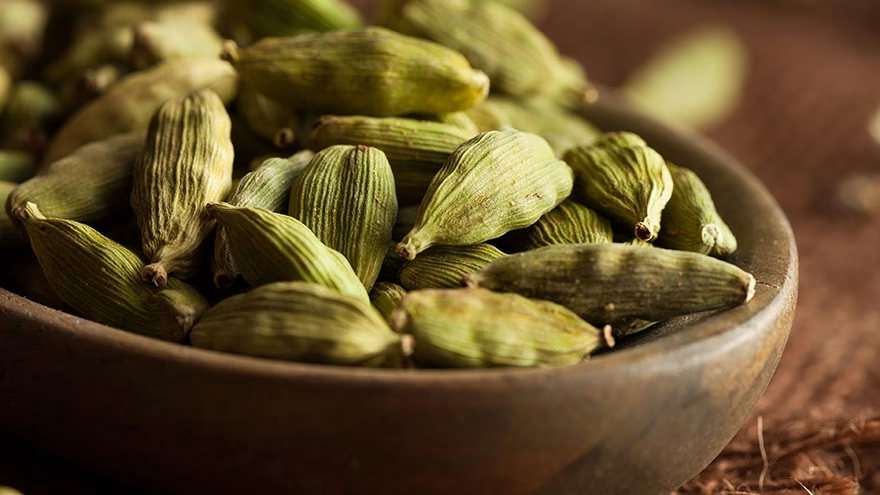
Cardamom can be floral, sweet, resinous, and strong. Green cardamom is common in South Asian sweets, tea, rice dishes, and spice blends. Black cardamom is smoky and deeper, used differently in savory cooking. They should not be swapped without thinking about the dish.
Cinnamon and cloves can lean sweet in American baking, but they are also used in savory cooking. They may appear in biryani, braises, broths, masalas, and spice blends. Whole pieces are often added to hot oil or simmering liquid, then removed before serving.
Because these spices are strong, restraint matters. A little clove can support a sauce; too much can make it taste medicinal. A small piece of cinnamon can round a broth; too much can push the dish toward dessert. Taste and adjust slowly.
If you are new to whole spices, count what goes into the pot. Three cloves, one cinnamon piece, and two cardamom pods are easier to repeat than a loose handful. Notes turn a one-time success into a repeatable house method.
Star Anise, Sichuan Peppercorn, and Five-Spice
Star anise has a licorice-like aroma and is often used in braises, broths, and spice blends. It can be lovely in small amounts and overwhelming in large ones. Use whole pods when a recipe calls for simmering, then remove them before serving.
Sichuan peppercorn is not hot like a chile. It creates a tingling, numbing sensation and a citrusy aroma. It is often toasted and ground, then paired with chiles. If a dish depends on that flavor, black pepper will not give the same result.
Chinese five-spice is usually a blend that may include star anise, cloves, Chinese cinnamon, Sichuan peppercorn, and fennel seed, though blends vary. Use it sparingly in marinades, roasted meats, braises, and some vegetable dishes. A balanced blend gives deep aroma quickly.
Gochugaru, Sesame, and Pepper Blends
Gochugaru is a Korean red pepper flake or powder with color, fruitiness, and moderate heat depending on the product. It is used in kimchi, stews, marinades, sauces, and banchan. It is not the same as generic crushed red pepper, which is often sharper and seedier.
Serious Eats' Korean pantry staples guide explains how ingredients like gochugaru fit into a broader pantry with fermented sauces, pastes, and grains. Spices rarely work alone; they belong to a cooking system.
Sesame seeds and sesame oil are not spices in the narrow sense, but many home cooks store them with seasonings. Toasted sesame seeds add texture, while toasted sesame oil is usually a finishing flavor. Add it near the end so the aroma stays clear.
Buying, Storing, and Grinding Spices
Buy small amounts unless you cook with a spice often. Whole spices usually keep aroma longer than ground spices. Store them away from heat, light, and moisture. A jar above the stove may look convenient, but it is one of the worst places for flavor.
The University of Minnesota Extension's guide to drying and storing herbs gives practical storage advice that also helps spice users think about moisture, light, containers, and aroma loss. Smell your spices before cooking. If a ground spice smells like dust, it will not bring much to the dish.
A small skillet and a basic grinder can improve many dishes. Toast whole cumin, coriander, or Sichuan peppercorn briefly until fragrant, then grind. Do not walk away while toasting; spices can move from fragrant to burnt quickly.
Label purchase dates when you open new jars. This is not fussy restaurant behavior; it helps you know why a familiar recipe suddenly tastes flat. If the spice still smells strong, use it. If it smells dull, replace it before blaming the recipe. Good storage protects pantry flavor.
How to Start Cooking With Them
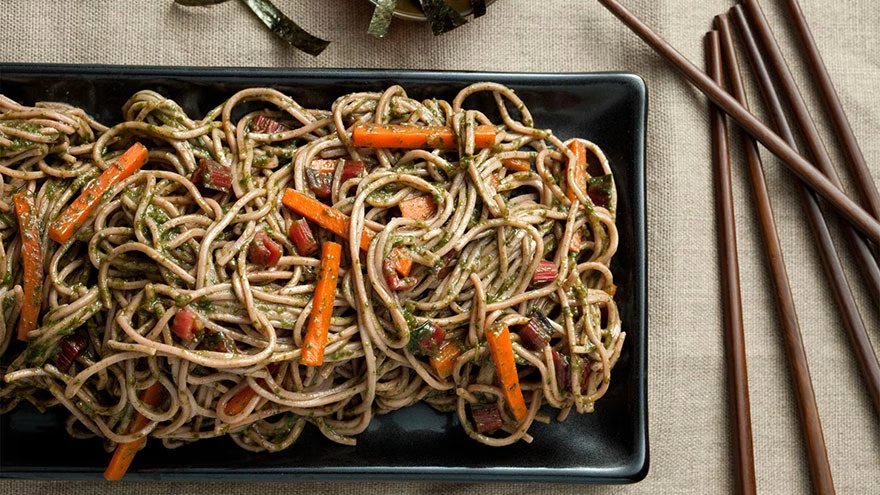
Choose one dish and learn its spice logic. For noodles, Livecub's types of noodles article can help you think about texture and base ingredients before seasoning. A broth noodle dish, fried noodle dish, and cold noodle dish may need different aromatics.
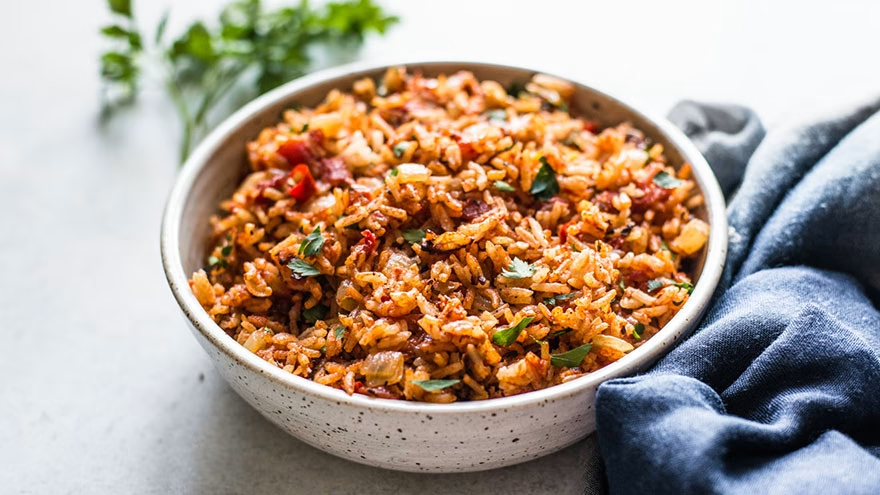
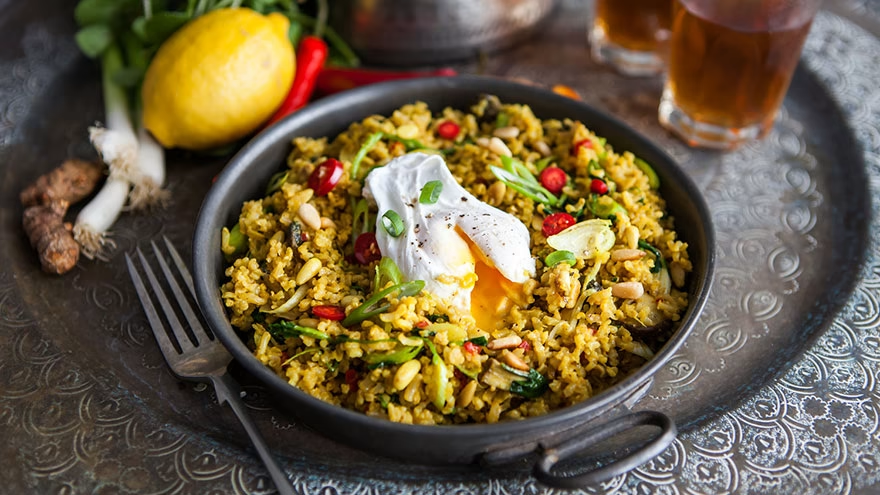
For rice, compare how spices work in different traditions. Livecub's jollof rice and African-style rice pilaf articles are not Asian recipes, but they show a useful pantry lesson: rice dishes often rely on layered aromatics, fat, seasoning, and heat control.
Do not buy a huge spice set first. Pick three recipes, list the overlapping spices, and buy those. Cook the recipes more than once. Familiarity is what turns a jar on the shelf into a flavor you understand.
Build the shelf slowly around actual meals. A noodle soup may teach star anise and ginger, a curry may teach cumin and turmeric, and kimchi-style cooking may teach gochugaru. Learning by dish keeps the pantry useful instead of crowded.
Frequently Asked Questions
What are the most common Asian spices for beginners?
Fresh ginger, dried chiles, cumin, coriander, turmeric, cinnamon, cardamom, star anise, Sichuan peppercorn, and gochugaru are useful starting points.
Can I substitute ground spices for whole spices?
Sometimes, but the flavor changes. Whole spices often taste fresher after toasting, while ground spices release flavor quickly and can fade faster.
Is five-spice used in all Asian cooking?
No. It is mainly associated with Chinese cooking and related dishes. Asia has many cuisines, so use blends where the recipe calls for them.
How long do spices stay good?
They may remain safe for a long time if dry, but aroma fades. Replace ground spices when they smell dull, dusty, or weak.

Timothy Davidson
Edits step-by-step general-interest guides for clarity, realistic limits and source verification.
Leave a reply
Replying to