
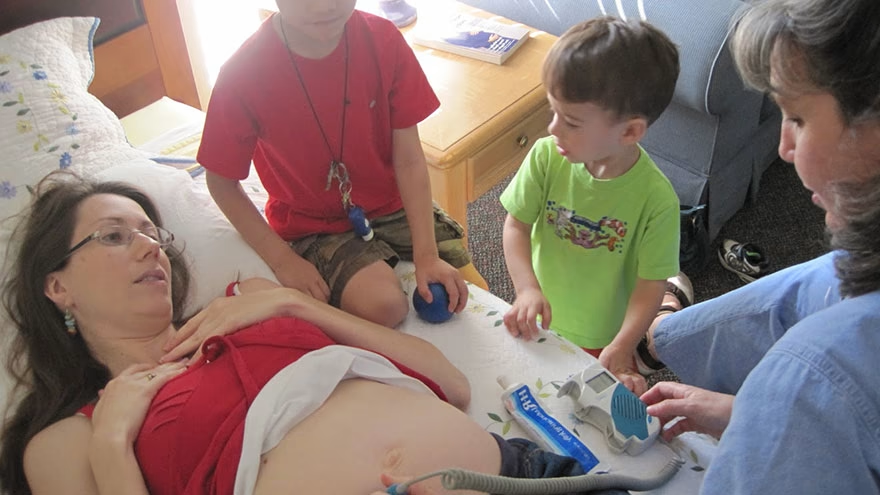
How to Handle a Homebirth Emergency should be treated as an emergency planning article, not a do-it-yourself delivery guide. The safest first move is trained help and a clear transfer plan.
Call Help First
ACOG says planned home birth is associated with increased risk of perinatal death and neonatal seizures compared with hospital birth: ACOG planned home birth.
If bleeding is heavy, the baby is not breathing well, the parent feels faint, or labor changes suddenly, call emergency services.
Put the phone on speaker and follow dispatcher instructions.
Use A Transfer Plan

ACOG's 2025 transfer protocols position statement emphasizes systems for transfer from out-of-hospital birth: ACOG transfer protocols.
Know the receiving hospital, route, backup driver, medical records location, and who calls ahead.
A plan made during panic is usually worse than a plan written before labor.
Watch Parent And Baby

ACOG has warned that unplanned home birth is especially unsafe and may require emergency transfer: ACOG statement on birth settings.
After birth, bleeding, breathing, temperature, placenta, cord, and newborn color all need trained assessment.
Keep the baby warm if instructed, and do not pull on the cord or placenta.
Labor plans need people, not only supplies; emotional support during early labor is a useful companion when support roles need to be clear.
For nausea, low appetite, or recovery days, bland diets for pregnancy keeps food advice tied to simple, gentle options.
Mood symptoms can change pregnancy and recovery, so depression during pregnancy belongs near any birth-prep conversation.
Start With Your Care Team
For homebirth emergency, public guidance can help you ask better questions, but your medical history controls the plan. Prior cesarean, bleeding, high blood pressure, diabetes, multiple pregnancy, fetal concerns, medication, and distance from a hospital can change advice.
Write down who to call during office hours, after hours, and in an emergency. A plan that depends on memory is weaker when pain, fear, or fatigue are high.
If the symptom feels urgent, use the emergency path first. Do not wait for a routine appointment when bleeding is heavy, breathing is difficult, pain is severe, or birth feels imminent.
Track Symptoms Plainly
Keep notes short and factual: time, contractions, fluid, bleeding, pain location, fetal movement if relevant, temperature, medications, food, fluids, and what changed.
A plain log helps a clinician or dispatcher act faster. It also keeps support people from retelling the story differently every time.
Do not soften symptoms to sound calm. Care teams need the real version, especially when symptoms are new, severe, or getting worse.
Prepare The People
Name the people who can drive, call, take notes, care for older children, handle pets, bring documents, and stay calm if plans change.
If you live alone or a partner travels, write a backup list with names and numbers. Hope is not a transport plan.
Support people should know where the hospital bag, ID, insurance card, medication list, and clinician number are kept.
Protect Food, Fluids, And Rest
Pregnancy and postpartum decision-making get harder when a person is hungry, dehydrated, or sleepless. Keep small food, water, and rest breaks in the plan.
If nausea, labor, surgery, or newborn care makes basic care impossible, ask for practical help early: meals, laundry, rides, child care, and appointment notes.
Support is not a luxury. It is part of reducing errors and keeping the pregnant or postpartum person safer.
Know Red Flags

Heavy bleeding, chest pain, trouble breathing, fainting, severe headache, vision changes, fever, severe belly pain, thoughts of self-harm, or a strong sense that something is wrong deserves prompt care.
For labor or birth emergencies, call emergency services and follow dispatcher instructions. A web article should never be the plan for a dangerous delay.
If you are unsure, call and state the facts. Let the clinician, labor unit, or dispatcher decide the next level of care.
Review After The Event
After a birth, procedure, or urgent call, write down what happened, who was contacted, what advice was given, and what follow-up is needed.
Recovery can move in stages. Pain, bleeding, mood, feeding, incision care, bladder symptoms, and pelvic floor concerns may each need different follow-up.
If symptoms improve and then worsen, call again. A changed pattern can matter.
Keep Emergency Care Simple
The emergency plan should be easy to read under stress: call, location, symptom, weeks pregnant or days postpartum, and immediate need.
Do not build a complicated decision tree for urgent symptoms. Use the fastest path to trained help.
A simple written plan protects everyone in the room, including the people trying to help.
Write A Call Script
A call script helps when symptoms are scary. Start with name, location, weeks pregnant or days postpartum, main symptom, when it started, and whether it is getting worse.
Add bleeding, fluid, contractions, pain, fever, breathing, fetal movement when relevant, medications, and what the care team already said.
If you cannot speak clearly, hand the script to a support person or read it slowly from your phone.
Pack Information, Not Just Items
The most useful bag includes documents as well as clothes: ID, insurance card, medication list, allergies, clinician number, hospital address, birth preferences, and emergency contacts.
For a procedure, labor, or transfer, notes can matter more than extra clothing. A nurse or doctor can act faster when the core facts are easy to find.
If you use a printed birth plan, keep it short. The first page should show medical details, support people, and key preferences.
Choose Flexible Comfort
Comfort tools should help without trapping you in one plan. Breathing, water, massage, movement, position changes, music, and quiet can all fit alongside medical pain relief when needed.
A support person should know what helps and what annoys you. Labor is not the time to explain every cue from scratch.
Changing a comfort plan is not failure. It is care responding to pain, fatigue, safety, and new information.
Protect The Recovery Window
Recovery planning should begin before birth or a procedure. Decide who can bring food, manage laundry, drive to appointments, answer messages, and protect rest.
Postpartum symptoms can feel ordinary because everyone expects exhaustion. That does not mean heavy bleeding, fever, severe pain, wound concerns, or dark mood should be ignored.
Write down the warning signs your care team gives you. Put the list where a partner or support person can see it.
Keep The Newborn Plan Basic
The baby plan should start with safe sleep, feeding support, a pediatrician contact, diapers, clean clothing, and transport home.
Do not let a long shopping list crowd out medical follow-up or recovery help. The parent recovering from birth needs care too.
If the baby or parent needs urgent care, skip the checklist and use the emergency path.
Debrief Without Blame
After the event, take notes while the timeline is still fresh: what happened, what was decided, what needs follow-up, and which symptoms should trigger another call.
A birth or recovery plan can change fast. Debriefing is not about proving someone was wrong; it is about making the next day safer and clearer.
If the experience felt frightening or traumatic, tell the care team. Emotional recovery also deserves care.
Set A Check-In Point
Choose a clear check-in point before things feel urgent: after an hour of changing symptoms, after the next contraction pattern, after a call back, or after the next feeding or bleeding check.
A check-in point prevents the household from drifting for hours while everyone hopes the situation will settle.
If the situation becomes urgent before the check-in point, use emergency care immediately.
Keep Instructions Visible
Put written instructions where support people can see them. Include the care team's number, hospital or birth center address, medication instructions, and warning signs.
Visible instructions reduce repeated questions when the pregnant or postpartum person needs quiet, rest, or urgent attention.
If a clinician gives new instructions, update the note rather than relying on memory.
Use The Safest Next Step
When options feel confusing, choose the safest next step: call, transfer, rest, hydrate, or get assessed, depending on the symptoms.
The safest step may be inconvenient. That is still better than waiting through a sign that should be checked.
Pregnancy and birth plans should bend around safety, not pride or a perfect story.
Frequently Asked Questions
What is the safest first step for homebirth emergency?
Call your obstetric care team for personal advice and use emergency services for urgent symptoms or imminent birth.
What details should I track?
Track timing, bleeding, fluid, pain, contractions, fetal movement when relevant, temperature, medications, food, fluids, and who you called.
Can I rely on home tips?
Only for mild situations your clinician says are appropriate. Worsening, severe, or unusual symptoms need medical guidance.
What should support people do?
Handle calls, rides, notes, meals, child care, documents, and follow-up so the pregnant or postpartum person is not managing everything alone.
When is it an emergency?
Heavy bleeding, trouble breathing, chest pain, fainting, severe headache, severe pain, or birth happening now should be treated as urgent.
This article is for general information only and is not medical, pregnancy, labor, or emergency advice. Contact your obstetric care team for personal guidance and call emergency services for urgent symptoms.

Chiara Bradshaw
Covers education, culture and creative topics with an emphasis on readable explanations and verifiable references.




Leave a reply
Replying to