
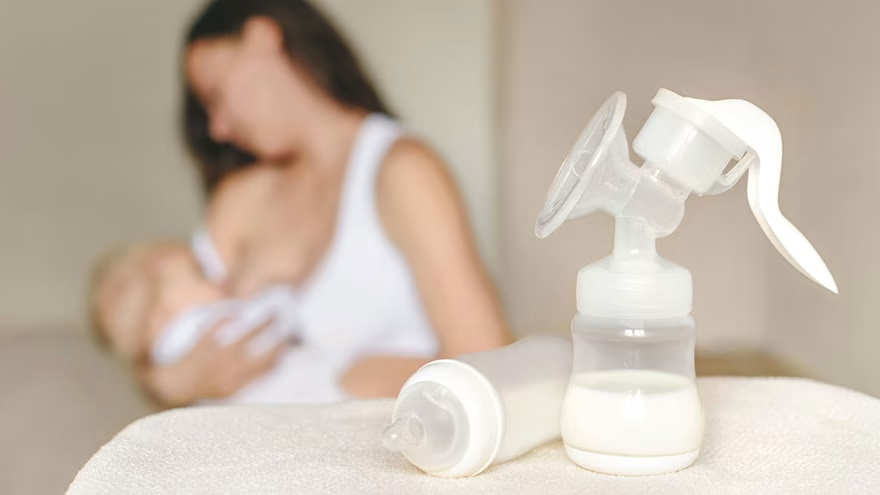
Trying to increase breast milk with herbs is common, especially when a parent feels scared, judged, or unsure whether the baby is getting enough. The first step should not be buying a supplement. The first step is checking whether supply is truly low and why.
Herbs can have side effects, interactions, and uncertain evidence. They may help some people, do nothing for others, or distract from a latch, pumping, health, or infant weight issue that needs care.
Check The Baby First
Low supply is not diagnosed by breast softness, fussiness alone, or how much can be pumped once. Wet diapers, stooling, weight gain, latch, milk transfer, and feeding behavior matter. If a newborn seems sleepy, dehydrated, jaundiced, or not feeding well, call pediatric care promptly.
ACOG's breastfeeding challenges guidance discusses signs related to low supply or dehydration, including insufficient wet or soiled diapers and jaundice: ACOG breastfeeding challenges. Use those signs as a reason to seek help, not as a reason to panic alone.
Fix Milk Removal Before Herbs
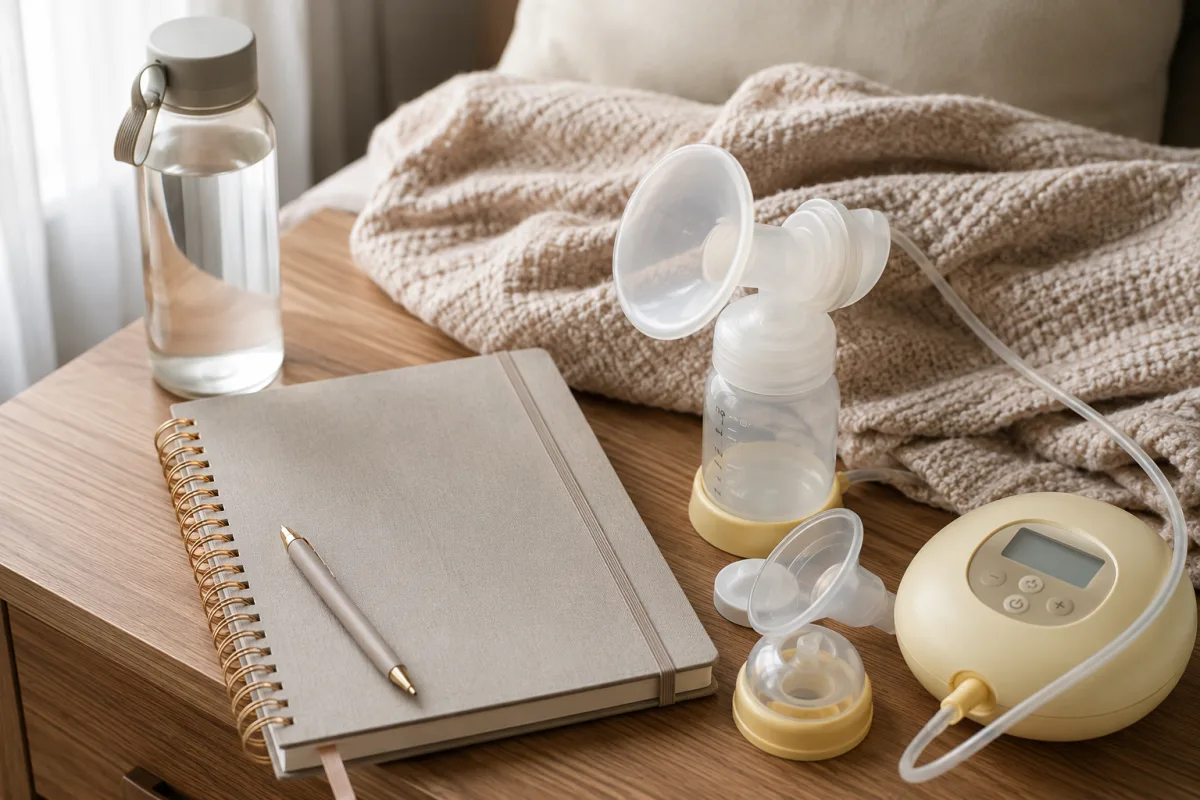
The Academy of Breastfeeding Medicine protocol on galactogogues says they will not increase milk supply if breast drainage is infrequent or inadequate: ABM galactogogues protocol. That point comes before any herb list.
Milk removal may mean better latch, more frequent nursing, breast compressions, hand expression, pumping with the right flange size, treating pain, or waking a sleepy baby as advised. A lactation consultant can watch a feed and see what a supplement label cannot.
If the baby is premature or medically fragile, Livecub's guide to gauging a premature baby's development may be a related read, but direct clinical guidance matters most.
Understand Fenugreek Evidence
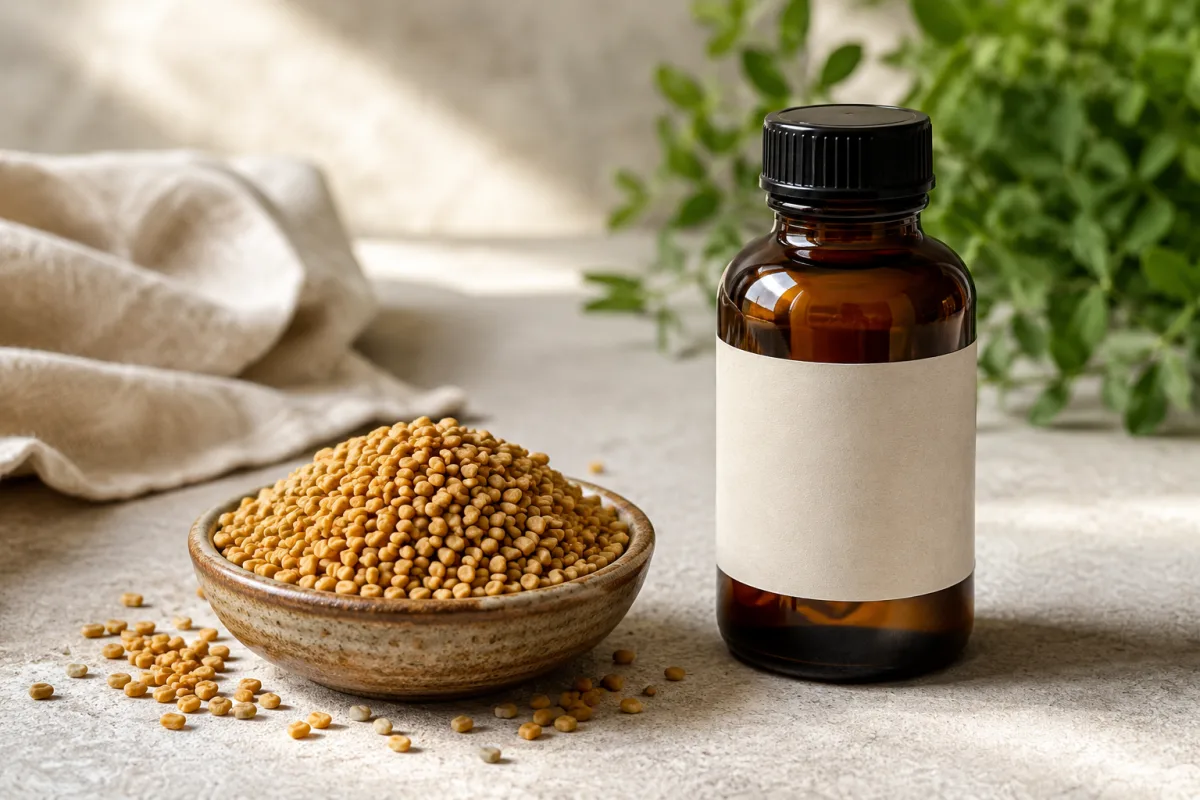
LactMed's fenugreek entry reviews mixed and limited evidence, with some study concerns and safety notes: LactMed fenugreek. NCCIH also says research on fenugreek for milk supply has mixed results and needs better studies.
That does not mean fenugreek never helps. It means the claim should be modest. Do not assume more is better, and do not use it because someone online said it worked in two days.
Ask About Safety Before Taking Herbs
Talk with an obstetric clinician, pediatrician, pharmacist, or lactation consultant before using herbal supplements, especially if you have diabetes, asthma, allergies, thyroid disease, hormone-sensitive conditions, bleeding risk, medication use, pregnancy, or a medically fragile infant.
Supplements can vary in strength and purity. Plant-based does not mean risk-free.
Watch The Baby And Yourself
If you and a clinician decide to try an herb, track the baby's diapers, weight plan, feeding behavior, and your side effects. Stop and ask for help if the baby has diarrhea, rash, poor feeding, unusual sleepiness, or distress.
Newborn hiccups are a separate baby topic, but the same care applies: infant signs should be interpreted carefully rather than through fear.
Do Not Stack Many Herbs At Once
Taking fenugreek, fennel, blessed thistle, milk thistle, goat's rue, moringa, teas, cookies, and capsules all at once makes it hard to know what helped or harmed. It can also increase side effects.
If a professional agrees to a trial, use one product at a time, document the dose, and set a review date. If nothing changes, do not keep increasing blindly.
Look For Hidden Supply Factors
Milk supply can be affected by retained placenta, postpartum hemorrhage, thyroid problems, polycystic ovary syndrome, breast surgery, certain medications, severe stress, infrequent feeding, poor latch, tongue function, illness, pregnancy, or returning to work.
Herbs cannot fix every cause. A good plan looks for the reason rather than blaming the parent.
Use Pumping Wisely
Pumping can help if milk removal is the issue, but the plan needs to fit the parent's body and life. Too much pumping can cause pain, oversupply, exhaustion, or resentment. Too little may not change supply.
Check flange size, suction comfort, schedule, parts, and cleaning. If pumping output is low but the baby is gaining well, the pump may not tell the whole story.
For basic infant care routines, Livecub's guide to washing an infant is another place where gentle, practical steps matter.
Protect The Parent's Mental Health
Low supply fear can become relentless. A parent may feel their worth is measured in ounces. It is not. Feeding a baby safely may include nursing, expressed milk, donor milk where available, formula, or a combination plan guided by clinicians.
A fed baby and a supported parent matter more than a perfect feeding story.
Be Careful With Online Recipes
Lactation cookies, teas, and powders may include herbs, sugar, allergens, caffeine, or ingredients that interact with medication. Read labels. Check doses. Do not assume a food product is safer because it is marketed gently.
If a baby develops skin symptoms, Livecub's article on baby rash and blisters can remind parents to ask for pediatric guidance rather than guessing from a supplement ad.
Have A Review Date

Set a date to review with a lactation professional or clinician: what changed, what did not, what side effects appeared, and what the baby's weight or diaper pattern shows. Do not let an herbal plan drift for weeks without evidence.
If circumcision or other newborn care is also happening, Livecub's guides on circumcision site care and caring for a circumcised infant show why specific infant care questions deserve specific instructions.
Keep The Goal Clear
The goal is safe feeding and parent-child well-being, not proving that herbs work or that one feeding method is morally better. If herbs are used, they should be one small part of a plan built around milk transfer, infant growth, parent health, and professional support.
Parents of low birth weight or preterm infants should be especially careful and work closely with care teams; Livecub's article on low birth weight and preterm infants connects with that need for individualized care.
Consider Formula Without Shame
Supplementing does not mean failure. If the baby needs more milk than the parent can provide at that moment, a clinician can help make a plan that protects feeding and, when possible, the breastfeeding relationship.
Check Maternal Health
Heavy bleeding, infection, thyroid symptoms, severe pain, depression, dehydration, and certain medications can affect feeding. The parent deserves medical care, not only advice to drink tea.
Use Weight Checks Wisely
A weighted feed or scheduled weight check can answer questions more clearly than guessing. Use the same clinic scale when possible and follow the pediatric plan rather than weighing constantly at home.
Beware Of Social Media Pressure
Milk supply content can make parents feel watched and judged. Save guidance from qualified sources and mute accounts that sell panic, shame, or miracle claims.
Ask About Allergies
Herbs may cross-react with foods or plants. Fenugreek may matter for people with legume-related allergies or asthma history. Ask a clinician before using it.
Protect Sleep Where Possible
Sleep alone will not solve supply, but exhaustion can make feeding decisions harder. Arrange one protected rest block if another safe adult can help.
Keep Hydration Sensible
Drink to thirst and keep water nearby. Forcing extreme fluids does not reliably create milk and can make the parent feel blamed when supply remains low.
Review Pump Parts
Old valves, poor flange fit, weak suction, or damaged tubing can reduce pumped output. Check equipment before assuming the body is failing.
Ask About Medications
Some medications may affect supply, while others are compatible with breastfeeding. Ask a clinician or pharmacist rather than stopping needed medicine alone.
Use A Feeding Plan, Not A Guess
A written plan can include feeding frequency, pumping times, supplement amount if needed, weight check date, and who to call. A plan lowers panic.
Keep The Parent Fed
Regular meals cannot guarantee milk supply, but under-eating makes recovery harder. Keep simple food near feeding spots if the days are long.
Frequently Asked Questions
Can herbs increase breast milk?
Some people report benefit, but evidence varies and safety matters. Check latch, milk removal, and infant growth first.
Is fenugreek safe while breastfeeding?
It may be used by some people, but it can cause side effects and may not fit everyone. Ask a clinician or lactation professional.
What should I do before trying herbs?
Assess diaper output, weight gain, latch, feeding frequency, pumping setup, and parent health with qualified support.
Can I take several lactation herbs together?
Avoid stacking many herbs at once unless a qualified professional guides you. It makes effects and side effects harder to identify.
When is urgent help needed?
Call pediatric or emergency care if the baby is dehydrated, very sleepy, jaundiced, not feeding, losing weight, or has too few wet diapers.
This article is for general information only and is not a substitute for medical, safety, or pediatric advice. Follow product instructions and ask a qualified professional when needed.

Olivia Prete
Edits culture and personal-development articles, distinguishing opinion and experience from verifiable claims.




Leave a reply
Replying to