
Kitchen Organization Should Match How You Cook
Learning how to organize your kitchen is not about buying matching bins first. It starts with watching how food moves through the room: shopping bags, refrigerator, pantry, prep space, stove, table, leftovers, and cleanup.
A good kitchen saves steps, reduces waste, protects food safety, and makes ordinary cooking less irritating. The best system is the one you can maintain on a tired weeknight.
Organize for use, not for a photo.
Clear the Counters First
Start with the surfaces. Remove mail, tools you rarely use, duplicate appliances, empty containers, and anything that belongs in another room. A counter that stays half full before cooking will become chaos once dinner starts.
Keep only daily-use items out: coffee gear, a knife block if you use it, a fruit bowl, or a cutting board. Everything else should earn its space.
Open counter space is a kitchen tool.
Create Cooking Zones
Put items near the place they are used. Pots, pans, and spatulas belong near the stove. Cutting boards, knives, mixing bowls, and measuring tools belong near prep space. Dish soap, scrubbers, towels, and trash bags belong near cleanup.
Keep baking items together, coffee items together, lunch-packing items together, and snack items together. Zones reduce searching and make it easier for other people to help.
Livecub's cookie display guide can inspire a baking or dessert zone if you often host sweets tables.
Organize With Food Safety in Mind
The FDA's page on storing food safely emphasizes refrigerator, freezer, and cupboard storage as part of preventing foodborne illness. Organization is not only about neatness.
Keep raw meat, poultry, and seafood below ready-to-eat foods. Store food in closed containers. Keep the refrigerator cold enough, and do not let spills linger.
A tidy refrigerator should also be a safer refrigerator.
Use First In, First Out
When new groceries come in, move older items forward and put newer items behind them. This first-in, first-out habit keeps food from expiring unseen in the back of a shelf.
The EPA's food waste prevention guidance connects better shopping, prep, and storage with saving money and wasting less food.
Use a small "eat soon" area in the fridge for opened yogurt, cut vegetables, cooked grains, leftovers, or produce that needs attention.
Fix the Pantry
Group pantry foods by use: breakfast, baking, grains, pasta, canned beans, sauces, snacks, spices, and backstock. Keep heavy items low and small packets in open bins or boxes.
Label containers only if labels help people put things back. Clear containers are useful for flour, rice, oats, and sugar, but they are not required for every kitchen.
Livecub's stir-fry sauces article can help you think about a sauce zone for quick dinners.
Give Spices a Real Home
Spices become useless when they are stacked three deep in a dark cabinet. Put them in a drawer, shallow bin, riser, or narrow shelf where labels can be read.
Keep everyday seasonings near the prep or stove zone. Move rarely used holiday spices to a secondary spot so cumin, pepper, garlic powder, chili, oregano, and cinnamon are easy to reach.
A visible spice area makes simple food easier to season.
Make the Fridge Easy to Read
A crowded fridge hides food. Use one shelf for ready-to-eat leftovers, one area for dairy, one drawer for vegetables, and one drawer or container for fruit if your fridge allows it.
Keep raw proteins contained on a lower shelf. Put opened jars together so you can see how many mustards, sauces, or pickles you already own.
If you cannot see it, you probably will not cook it.
Store Tools by Frequency
Daily tools deserve the easiest spots. Seasonal pans, party platters, specialty cutters, and rarely used appliances can go higher, lower, or farther away.
If you use a tool once a year, do not let it occupy the best drawer. If you never use it, donate it, sell it, or move it out of the kitchen.
For produce prep, Livecub's guide to cooking greens shows why knives, colanders, towels, and cutting boards should be easy to reach.
Fix Drawers One at a Time
Do not empty every drawer at once. Start with the drawer that annoys you most. Remove duplicates, broken tools, mystery parts, and anything that belongs in another zone.
Use dividers only after you know what is staying. A messy drawer with a new divider is still a messy drawer, just with walls.
Small drawer wins make the whole kitchen easier to trust.
Control Containers and Lids
Food storage containers multiply quickly. Match every lid to a base, recycle warped or stained pieces, and keep only sizes you use. Stack containers by shape and keep lids vertical if possible.
NSF's article on food storage containers notes that containers and kitchen items can harbor germs, so cleanability matters.
A container without a lid is not storage. It is clutter.
Set Up a Freezer System
Freeze food flat when possible, label dates, and group items by type. Keep vegetables, proteins, bread, sauces, and leftovers in separate areas or bins.
Livecub's fresh vegetable freezing guide can help if you freeze seasonal produce or prep vegetables before busy weeks.
Do a quick freezer check before shopping. Buying more food when the freezer is already full usually creates waste.
Make a Landing Zone for Groceries
Groceries need a clear place to land. Clear one counter before shopping, then put cold food away first, pantry food second, and household items last.
As you unpack, remove old leftovers, rotate pantry items, and add anything urgent to the eat-soon area. This turns shopping into a reset instead of a pileup.
The kitchen gets easier when groceries have a route.
Make Cleanup Frictionless
Put trash bags in or near the trash can. Keep dish towels near the sink and extras nearby. Store dishwasher tabs, scrubbers, gloves, and cleaners where adults can reach them and children cannot.
A kitchen stays organized when cleanup is easy to start. If the broom is buried, crumbs stay on the floor. If containers are hard to reach, leftovers sit uncovered.
Use a Weekly Reset
Once a week, check the fridge, toss spoiled food, move eat-soon items forward, wipe one shelf, and make a short meal list from what you already have. This takes less time than a full kitchen overhaul.
Do not reorganize every cabinet every weekend. Small resets keep the system alive without turning the kitchen into a project.
Maintenance beats dramatic cleaning.
Make the System Obvious to Other People
If other people use the kitchen, labels and simple zones matter. Put snacks where kids can reach them if appropriate. Put lunch containers, wraps, and bags together if mornings are rushed.
Do not build a system only you understand. A kitchen stays organized when everyone can put things back without asking.
Handle Small Kitchens Differently
Small kitchens need stricter decisions. Keep multi-use tools, stackable containers, nesting bowls, and pans that earn their space. Move bulk backstock, party dishes, and rare appliances somewhere else if possible.
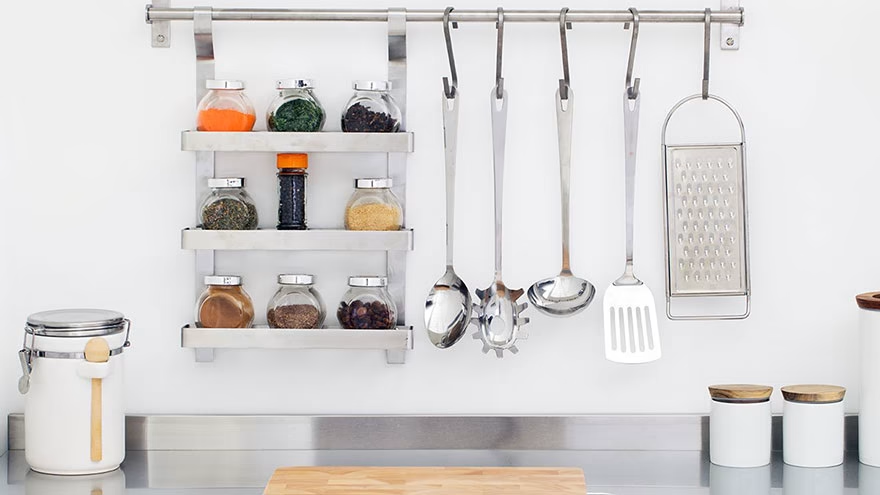
Use wall hooks, shelf risers, the inside of cabinet doors, and narrow bins only when they solve a real problem. Extra organizers can become clutter if they block access.
In a small kitchen, every prime spot needs a job.
Measure Before Buying Organizers
Measure shelves, drawers, and cabinet depth before buying bins. Check door hinges, pipes, and shelf lips. Many organizing products fail because they almost fit.
Use cardboard boxes temporarily if needed. A trial week shows whether a bin location works before you spend money on permanent pieces.
Keep the Sink Area Boring
The sink zone works best when it is plain: soap, brush, sponge or cloth, towels, and drying space. Too many decorative items make cleanup slower.
Store backup supplies under the sink or elsewhere, but keep chemicals away from food and out of children's reach.
Frequently Asked Questions
What is the first step to organize a kitchen?
Clear counters and remove items that do not belong. Then create zones based on how you cook, prep, store, and clean.
How should I organize my pantry?
Group foods by use, move older items forward, label only where helpful, and keep small packets contained so they do not disappear.
How should I organize my refrigerator safely?
Keep raw proteins contained on lower shelves, ready-to-eat foods above them, leftovers visible, and produce stored in the right drawers.
Do I need matching containers?
No. You need clean, safe containers with matching lids in sizes you actually use. Matching sets are optional.

Cashie Evans
Covers parenting and practical household topics with clear steps, safety notes and links to current guidance.




Leave a reply
Replying to