

How to Perform a Paternity Test on an Unborn Baby should be approached carefully because there are medical, emotional, privacy, and legal issues. Prenatal paternity testing may be noninvasive through blood testing or invasive through procedures that collect fetal or placental cells.
This is general pregnancy education, not medical or legal advice. Discuss prenatal testing with an obstetric clinician, genetic counselor, or qualified testing provider before making decisions.
Know The Main Options
Prenatal paternity testing can involve noninvasive testing using a blood sample from the pregnant person and DNA from the alleged father, or invasive testing using chorionic villus sampling or amniocentesis.
Cleveland Clinic says a healthcare provider can perform a prenatal DNA paternity test as early as the eighth week of pregnancy. See Cleveland Clinic on DNA paternity testing.
Noninvasive Prenatal Paternity
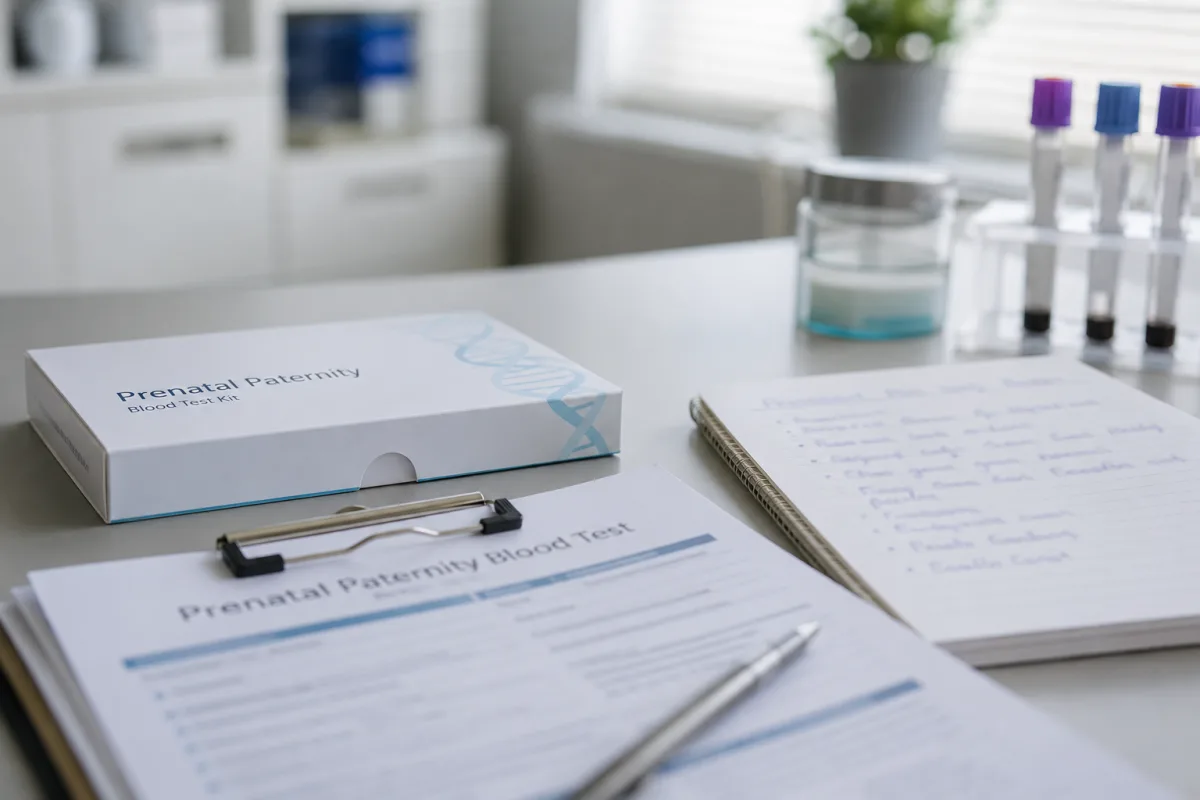
Noninvasive prenatal paternity testing looks at cell-free fetal DNA in the pregnant person's blood and compares it with the alleged father's DNA. It avoids putting a needle into the uterus.
Use a reputable laboratory, ask about chain of custody, accuracy, timing, and whether results are legally admissible.
CVS And Amniocentesis
CVS and amniocentesis are diagnostic prenatal procedures used for medical genetic testing. They can also provide fetal DNA, but they are invasive and carry risk.
ACOG's FAQ on prenatal genetic diagnostic tests explains that CVS and amniocentesis obtain cells from the placenta or fetus.
Risk Discussion

Mayo Clinic notes that diagnostic tests such as CVS and amniocentesis carry a slight risk of miscarriage. That risk is why paternity alone should be discussed carefully before considering an invasive route.
Mayo Clinic's prenatal testing overview explains screening versus diagnostic testing and risk.
Timing
Timing depends on the method, the lab, and gestational age. Noninvasive options may be available earlier than invasive diagnostic procedures, but the exact week and sample rules must be confirmed.
If pregnancy dating is uncertain, Livecub's first-week pregnancy signs article may provide context, but a clinician should confirm gestational age.
Legal Use

A result used for court, custody, child support, immigration, or birth certificate issues may need chain-of-custody collection. At-home curiosity tests may not satisfy legal requirements.
Ask the lab before testing whether the result is informational or legal.
Privacy
Paternity testing involves sensitive genetic information. Ask who receives results, how samples are stored, whether data is shared, and how long records are kept.
Do not pressure a pregnant person into testing without consent and medical discussion.
Emotional Safety
Paternity questions can trigger conflict, fear, or relationship stress. Plan the conversation before results arrive. Consider counseling or legal advice if safety, coercion, or custody issues are involved.
For relationship strain during pregnancy, Livecub's staying intimate during pregnancy may help with communication in less urgent situations.
Testing The Alleged Father
Most tests require a cheek swab or blood sample from the alleged father. If the person is unavailable, labs may discuss other family samples, but those can be less direct and more complex.
Use the lab's instructions exactly. Contaminated or mislabeled samples can create delays.
After Birth Option
Postnatal paternity testing is often simpler because a cheek swab can be collected from the baby and alleged father. If there is no urgent prenatal reason, waiting may avoid pregnancy-related procedure decisions.
Ask whether waiting affects legal deadlines or family planning needs.
Do Not Confuse Screening
Standard noninvasive prenatal screening for chromosome conditions is not the same as paternity testing. Both may use blood, but they answer different questions.
ACOG guidance on noninvasive prenatal testing focuses on screening for fetal chromosome conditions, not determining paternity.
When To Call A Professional
Talk with an obstetric clinician before invasive testing, a genetic counselor for test questions, and a family lawyer for legal consequences. If the situation involves threats or coercion, prioritize safety.
Livecub's depression during pregnancy article may be relevant if the stress is affecting mood.
Chain Of Custody
Legal testing usually requires verified identity, controlled sample collection, documented handling, and a lab process that can stand up to review. That is different from mailing a swab from home.
If the result may affect child support, custody, immigration, or court records, ask about legal admissibility before paying.
Cost And Insurance
Prenatal paternity testing for personal reasons may not be covered by insurance. Invasive procedures done for medical reasons may be billed differently from paternity testing.
Ask for total cost, redraw fees, shipping, legal documentation fees, and whether repeat testing is needed after birth.
Possible Results
Ask how the lab reports probability, inclusion, exclusion, and inconclusive results. Also ask what happens if the alleged father is closely related to another possible father.
A result can be scientifically strong but emotionally difficult. Plan support before results arrive.
Consent And Safety
Testing should not happen through pressure, threats, or hidden sampling. The pregnant person's medical care and consent matter, especially for any procedure involving the pregnancy.
If there is relationship violence or coercion, seek confidential safety support before testing decisions.
Waiting Until Birth
Waiting until birth may be simpler, cheaper, and medically safer if there is no urgent legal or emotional reason to test during pregnancy. A newborn cheek swab avoids prenatal procedure questions.
The tradeoff is time. If legal deadlines or major decisions depend on results, ask a lawyer and clinician about timing.
Choosing A Lab
Ask whether the lab is accredited, what samples it requires, how it confirms identity, how long results take, and how it protects genetic data. A low price is not useful if the result cannot be used for the reason you need it.
For legal use, ask for written confirmation of chain-of-custody procedures before scheduling.
If There Are Twins
Twin pregnancies can make prenatal paternity questions more complex. Tell the clinician and lab about twins, vanishing twin concerns, donor eggs, surrogacy, or fertility treatment history.
Do not assume a standard process applies. The lab needs accurate pregnancy facts.
Talking With The Alleged Father
If it is safe, discuss whether the test is informational or legal, who pays, who receives results, and what happens after the result. Put logistical agreements in writing.
If the conversation may become unsafe, get legal or domestic violence support before raising the issue.
Medical Procedure Boundaries
CVS or amniocentesis should not be chosen casually only because someone wants an answer quickly. If the procedure is already being done for medical reasons, ask whether additional testing is possible, ethical, and appropriate.
The pregnancy's medical safety comes before convenience.
Result Timing
Ask when results are expected and what could delay them. Sample quality, shipping, identity verification, lab workload, or redraws can affect timing.
Do not make irreversible decisions based on a promised turnaround until the result is final and understood.
Family Law Questions
Paternity results can affect child support, custody, parenting plans, birth certificate issues, and family conflict. A medical result and a legal parentage order are not always the same thing.
Ask a family lawyer if the result will be used beyond personal knowledge.
OB Visit Questions
Bring direct questions to the OB visit: Is this test medically safe? Does it require a procedure? What week am I? What risks apply to my pregnancy? Is waiting until birth safer?
Clear medical answers can reduce pressure from people who are focused only on the result.
Sample Problems
Sample problems can happen if the alleged father submits the wrong sample, identity is not verified, shipping is delayed, or the pregnant person's sample is collected too early for the lab's threshold.
Ask what the lab does if the fetal DNA fraction is too low or a sample fails quality control.
Emotional Support
Waiting for results can be stressful. Choose one trusted person, counselor, or clinician to talk with rather than carrying the uncertainty alone.
If anxiety or depression worsens during pregnancy, ask for mental health support promptly.
Birth Certificate Timing
Rules for naming a father on a birth certificate vary by jurisdiction and relationship status. A prenatal test may not automatically complete legal paperwork.
Ask the hospital, vital records office, or lawyer what documents are needed after birth.
Frequently Asked Questions
Can paternity be tested before birth?
Yes. Noninvasive blood-based testing and invasive diagnostic procedures can be used, depending on timing and circumstances.
Is prenatal paternity testing risky?
Noninvasive blood testing avoids uterine procedures; CVS and amniocentesis are invasive and carry some risk.
How early can testing happen?
Some providers discuss prenatal paternity testing around eight weeks, but timing depends on the method and lab.
Are at-home results legal?
Not always. Legal use may require chain-of-custody collection.
Should I ask my OB first?
Yes, especially before any invasive procedure or if pregnancy dating is uncertain.
The Practical Takeaway
Prenatal paternity testing should start with medical counseling, method comparison, legal-use questions, privacy review, and a clear decision about whether testing before birth is truly needed.

Cashie Evans
Covers parenting and practical household topics with clear steps, safety notes and links to current guidance.




Leave a reply
Replying to