

How to Purchase Traveler's Insurance should begin before the first big nonrefundable payment when possible. The purchase is cleaner when trip costs, health needs, and activity risks are written down first.
Choose The Purchase Moment
Some benefits depend on buying soon after the first trip payment. Waiting can remove options.
NAIC explains that travel insurance can include cancellation, delay, baggage, medical, and evacuation benefits: NAIC travel insurance.
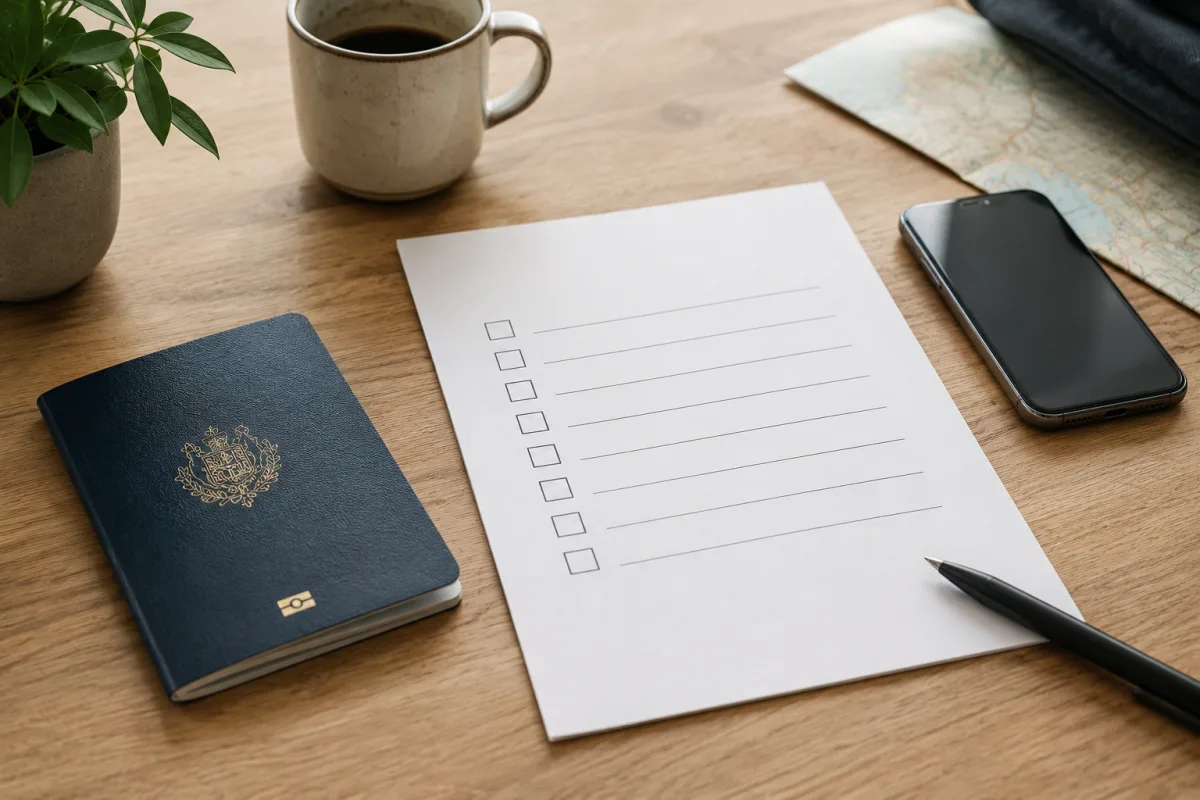
Put insurance review next to passport and booking tasks.
Check Official Travel Risks

The State Department advises travelers to check insurance validity, length of trip, medical transportation, and planned activities: State Department travel insurance.
Use that list as a shopping script.
If the trip changed since the quote, update the quote.
Do A Medical And Evacuation Check
CDC travel insurance guidance points out that medical evacuation can be costly, especially from remote areas: CDC travel insurance.
If medical risk is high, do not buy only for cancellation.
Ask what the assistance company does during an emergency.
Make the cost visible before deciding; teaching kids about money uses the same household habit of naming tradeoffs instead of guessing.
If a claim or purchase would require emergency cash, checking savings bond values is a reminder that records and liquidity are different things.
Keep insurance choices separate from investments such as investing in U.S. Treasury bonds; one transfers risk, while the other belongs in long-term planning.
Read The Definitions

For purchase travelers insurance, policy definitions can decide more than the sales page. Find words such as covered reason, trip delay, medical emergency, provider, reimbursement, supplier default, and pre-existing condition. A short definition can decide if the loss is payable.
Definitions are where broad promises become specific rules. Read them before comparing price, because two policies can use the same benefit name and still answer a claim in different ways. Circle any word that would matter on your actual trip.
If a word affects the trip, write the policy definition beside your real example. For instance, do not ask only if illness is covered; ask what documents prove illness, who must be ill, and when the cancellation must happen.
The slower method is usually faster in the end: read the definition, match it to the trip, then compare price. Buying first and reading later often turns a cheap policy into an expensive lesson.
Compare Limits And Timing
Limits, purchase windows, claim deadlines, and trip dates can change the usefulness of a policy. A benefit that sounds strong may be weak if the limit is low, the waiting period is long, or the deadline is easy to miss during travel.
Put the dates and dollar amounts on one page before buying. Include the first trip payment date, final payment date, departure date, return date, claim notice deadline, and the maximum benefit for each risk you care about.
Look at per-person limits and per-trip limits separately. A family trip, group booking, cruise, or long international itinerary can hit a cap faster than one person taking a short domestic flight.
A long policy term does not automatically mean better coverage. What matters is the date the loss happens, the date you bought the policy, and whether the policy was active for that specific part of the trip.
Separate Coverage From Cash
Insurance may reimburse later or require approval before paying. It is not the same as emergency cash, and it may not stop a hotel, clinic, airline, or rental desk from asking for payment at the counter.
Think about deductibles, upfront payment, receipts, and how long a claim may take. If the trip would strain your cash flow during an emergency, keep a separate plan for available funds and backup payment methods.
A plan can be good and still require you to carry accessible funds. Reimbursement language, coordination with other insurance, and required proof all matter when the bill arrives before the claim is reviewed.
This is especially true for medical and transportation problems abroad. Assistance services can help coordinate care, but the policy wording explains what the insurer will actually pay and what you may need to pay first.
Ask Before Buying
Use plain examples when asking the insurer: delayed flight, hospital visit, missed cruise, lost baggage, cancellation after illness, family emergency, weather closure, or a tour operator changing the schedule.
Ask where the policy answers the question. Save the answer if it affects your decision. A representative's general statement is less useful than a reference to the benefit, exclusion, limit, or claim requirement.
A written answer is easier to use later than a memory of a call. If the answer is unclear, ask the insurer to point to the section name and page number in the policy form or certificate.
Do not hide the messy facts. Age, destination, planned activity, existing medical condition, pregnancy, remote travel, business equipment, or a tight connection can all change the practical value of the policy.
Run A Bad-Day Scenario
Before choosing purchase travelers insurance, write one bad-day story in a few lines. The flight is canceled, a doctor says the traveler cannot fly, the bag is missing, the cruise leaves without you, or a hospital asks for payment.
Now follow that story through the policy. Which benefit applies? What proof is required? What is excluded? Who must be contacted first? How much is the maximum payment? This test turns marketing language into a decision.
If the policy fails the most likely bad-day story, a lower price does not help much. If it covers the hardest loss and the cost is reasonable, the value case is stronger.
The same test also prevents overbuying. You may discover that an airline refund, hotel cancellation window, employer benefit, health plan, or credit card benefit already covers a small part of the risk.
Keep A Claim Folder
Save policy wording, receipts, booking confirmations, carrier notices, medical notes, police reports, baggage reports, assistance numbers, and any messages from airlines, hotels, doctors, tour operators, or the insurer.
Claims often fail from missing proof, not only from exclusions. A screenshot, email, receipt, or official delay notice collected during the trip can be much harder to get weeks later.
Build the folder before travel starts, while everything is easy to find. Store copies offline as well, because a lost phone, weak signal, or dead battery should not block access to policy numbers and emergency contacts.
When a loss happens, keep the first message short and factual. State the policy number, date, location, loss type, and what happened. Then attach proof in the format the insurer requests.
Review The Fit
Before final purchase, ask if purchase travelers insurance matches the real traveler, destination, date, health profile, activities, booking terms, and budget. A policy that fits a beach weekend may not fit a trekking trip, cruise, or international medical concern.
If the policy solves a small problem and ignores the large one, keep looking. Trip cancellation may be less useful than medical evacuation for one traveler, while a prepaid tour deposit may be the main risk for another.
The right choice is the one whose limits and exclusions match the risk you actually face. Treat the policy like a tool, not a promise that every travel problem will be solved.
Recheck the policy after any large itinerary change. New destinations, added travelers, different activities, and larger prepaid costs can all change the answer you reached at the first purchase.
Write Down The Decision
Before paying, write one sentence that explains why this policy was chosen. That small note keeps the decision honest: the policy covers a named risk, the limit is acceptable, the exclusions are understood, and the price fits the trip.
Keep that note with the policy. If a claim happens, it reminds you which benefit mattered and which documents you expected to need. If no claim happens, it still helps you compare the next trip with less guesswork.
Frequently Asked Questions
What is the first step for purchase travelers insurance?
Write the exact trip, cost, traveler, and risk before comparing price.
Do I need the most expensive policy?
Not always. You need the policy whose covered reasons, limits, exclusions, and proof rules fit the trip.
Are credit card benefits enough?
Sometimes for limited benefits, but read the card guide and check medical, evacuation, and claim rules.
What documents should I save?
Save policy wording, receipts, booking confirmations, medical records, carrier notices, and assistance contacts.
When should I ask a professional?
Ask a licensed professional when medical, legal, high-cost, or unusual trip risks are involved.
This article is for general information only and is not financial, legal, insurance, medical, or tax advice. Policy terms, prices, eligibility, and laws change; read the policy and ask a licensed professional.

Tory Stearns
Edits practical household, travel and lifestyle explainers. Claims that can change are linked to current primary or subject-authority sources.




Leave a reply
Replying to