
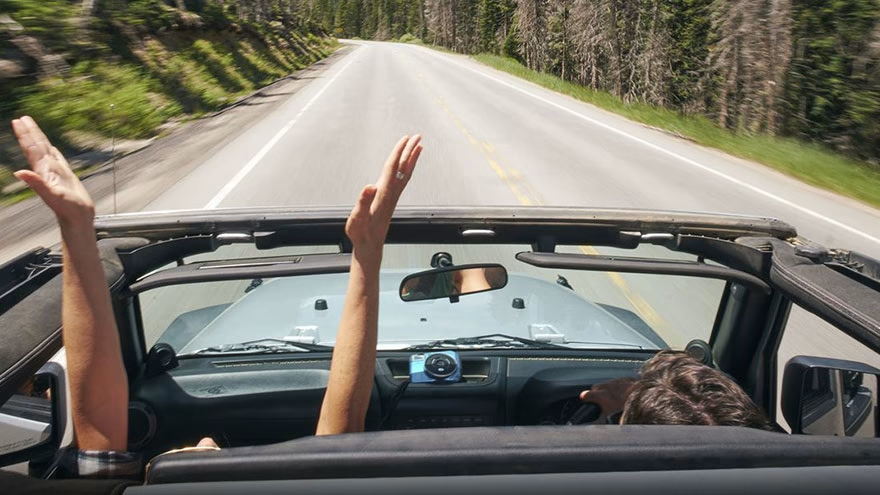
How to Take a Cheap Road Trip is mostly about controlling the costs that repeat: fuel, food, lodging, parking, tolls, snacks, attraction fees, and mistakes caused by fatigue. A cheap road trip is not just a long drive with a cooler. It is a route that avoids unnecessary backtracking, uses realistic food stops, protects sleep, and leaves enough money for the parts of the trip you actually care about.
Plan the route before chasing deals
Start with the route, not the coupon. A cheaper hotel far off the road can cost more in fuel, tolls, time, and late-night food. A scenic detour may be worth it, but only if you choose it on purpose.
Use a route planner to compare distance, drive time, tolls, and fuel stops. FuelEconomy.gov's trip calculator can help estimate fuel cost using vehicle and route information.
Miles are money. Every unnecessary loop spends fuel, time, and patience.
Set a daily road trip budget
Break the budget into daily categories: fuel, lodging, food, activities, parking, tolls, emergency cushion, and small treats. A daily number makes choices easier at the gas station and dinner stop.
Keep one line for friction costs. Ice, laundry, medicine, replacement chargers, sunscreen, and parking meters are not glamorous, but they happen. Planning for them prevents the trip from feeling like it is leaking money.
A budget should reduce decisions. It should not become a fight at every exit.
Use a cooler without making meals miserable
A cooler can save money, especially for drinks, fruit, yogurt, sandwiches, cheese, and leftovers. It works best when the food is easy to eat and easy to keep cold. Pack a cutting board, wipes, trash bags, and a refillable water bottle.
CDC food safety guidance points to clean, separate, cook, and chill habits. On the road, that means cold foods stay cold, leaky items stay contained, and hands get cleaned before eating.
The cooler is not a pantry. If it becomes a wet mess, people will abandon it for convenience food.
Choose lodging by total cost
Compare room rate, parking, breakfast, pet fees, resort fees, laundry, cancellation terms, and distance from the route. A motel with breakfast and free parking may beat a cheaper room that requires paid parking and a long restaurant stop.
For multi-night stops, consider a room with a refrigerator or kitchenette. Cooking one simple meal or keeping breakfast food in the room can save more than hunting for small discounts.
FTC's vacation rental scam guidance is useful when comparing rentals or unusually cheap listings.
Make free stops the anchors
Cheap road trips work when free or low-cost stops carry the day. Scenic overlooks, parks, visitor centers, short hikes, public beaches, town squares, and picnic areas can be more memorable than another paid attraction.
Build the route around a few real stops. A Virginia drive might use waterfalls on Skyline Drive. A desert route might compare things to see around Laughlin, Nevada. The point is to choose stops that fit the route instead of buying entertainment from boredom.
Free stops still need planning. Check parking, bathrooms, shade, weather, and opening hours.
Save on fuel with smoother driving
Fuel savings come from the route, speed, tire condition, load, and driving style. Avoid aggressive acceleration, unnecessary roof storage, and heavy items you will not use. Combine errands before leaving town so the first vacation day does not start with extra loops.
Refuel before remote stretches and compare prices when convenient, not when the tank is nearly empty. A small price difference is not worth a long detour that burns the savings.
Do not chase pennies with miles. The cheapest station ten miles away may not be cheap.
Pack gear that prevents expensive stops
Bring chargers, medications, glasses, sunscreen, basic tools, tire gauge, reusable bottles, rain layers, spare shoes, and a first-aid kit. Missing small items become expensive near attractions and highway exits.
If the trip includes trails or uneven ground, check walking gear before departure. A resource on adjusting walking sticks is a reminder that gear should fit before the trailhead, not after a purchase made in a rush.
Prevention is cheaper than replacement. Pack the small things that are annoying to rebuy.
Protect rest so you do not spend tired
Tired travelers spend badly. They buy expensive food, choose poor lodging, skip free stops, and make unsafe driving choices. Plan realistic drive days and stop before everyone is too irritable to make decent decisions.
A cheap trip should not depend on exhaustion. If the only way the budget works is by driving dangerously long days, change the route or shorten the trip.
Sleep is a budget tool. Rested people make better choices.
Use timing to avoid paid convenience
Leaving at the right time can reduce the number of paid convenience stops. Eat before departure, pack the first drinks cold, and plan the first bathroom break before the most expensive highway plaza.
Traffic timing matters too. Sitting in rush hour burns fuel and patience. A slightly earlier or later departure can save more than a small food discount.
Keep entertainment low-cost
Download podcasts, playlists, audiobooks, and maps before leaving. Bring cards, a notebook, a ball, or simple picnic gear for stops. Boredom is one reason travelers buy things they did not plan to buy.
For scenic routes, plan one free visual payoff each day. That gives the trip a reason to stop without adding another ticket.
Review spending each night
Spend five minutes checking fuel, food, lodging, and activity costs against the plan. If one day ran high, adjust the next day before the budget drifts.
A nightly review is not punishment. It keeps the final day from carrying every surprise.
Use grocery stores as reset points
Grocery stores can solve several road trip problems at once: bathrooms, fresh food, cheaper drinks, ice, medicine, and a short walking break. They are often better than buying every need from a gas station.
Plan one grocery reset every day or two on longer trips. Restocking intentionally keeps the cooler useful and prevents snack spending from drifting upward.
Choose one splurge before leaving
A cheap road trip can still have one paid experience that matters. Pick it before departure, then protect the budget around it. That makes it easier to skip random roadside spending that no one will remember.
A planned splurge also keeps the trip from feeling like denial. Saving money works better when the family knows what the savings are for.
Use parks and libraries as low-cost breaks
Town parks, public libraries, visitor centers, and waterfront paths can give travelers bathrooms, shade, Wi-Fi, picnic tables, and a mental reset without another paid attraction. They also make better breaks than sitting in the car at a gas pump.
Search for these stops before leaving each morning. A ten-minute look can prevent the default pattern of buying snacks just because everyone needed to get out of the vehicle.
Cheap breaks still need names. Put them on the route so they become real options.
Protect sleep on cheap routes
The cheapest route is not always the best route if it pushes driving too late. Tired driving can turn a smart budget plan into a bad decision. Build the day around a realistic stop time, then search for lodging or camping near that point.
Saving money works better when the driver is rested enough to make good choices the next morning. A slightly shorter day can also reduce snack spending, stress, and last-minute hotel scrambling.
Leave room for the return drive
Many road trip budgets forget the final day. Keep fuel, food, tolls, and one backup lodging option available for the return. Coming home tired and broke is a poor ending to an otherwise careful trip.
Frequently Asked Questions
What is the cheapest way to take a road trip?
Use a direct route, compare lodging by total cost, pack cooler meals, choose free stops, and avoid unnecessary detours.
How can I save on road trip food?
Pack drinks and simple meals, use grocery stores, choose lodging with breakfast, and plan one paid meal instead of three.
Is camping always cheaper than hotels?
No. Gear, fees, weather, and time matter. Camping is cheaper only when it fits the route and you already have what you need.
How do I avoid road trip scams?
Book lodging through trusted channels, verify rentals, avoid unusual payment requests, and keep records of reservations.
A cheap road trip works when the route, food, lodging, fuel, and rest all support the same goal: spend less on friction and more on the stops you came to see.

Chiara Bradshaw
Covers education, culture and creative topics with an emphasis on readable explanations and verifiable references.



Leave a reply
Replying to