
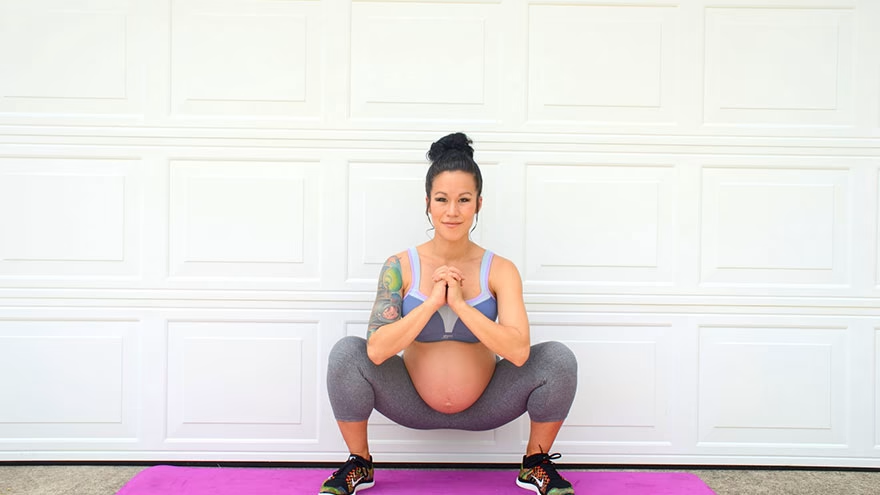
How to Use a Supported Squat Position With an Epidural begins with safety. An epidural can make legs heavy, numb, or uneven. A supported squat should never be a solo move after an epidural. It should be discussed with the nurse, midwife, doctor, or physical support team first.
This article is general pregnancy education, not medical advice. Your birth team controls what is safe with your epidural, fetal monitoring, blood pressure, IV lines, baby position, and hospital equipment.
Ask Before Moving
Before trying any supported squat, ask whether your epidural level, leg strength, monitoring setup, and labor stage make it safe. Some people can bear weight with help. Others should stay in bed positions because numbness or blood pressure changes make standing unsafe.
The NHS pain relief in labour guidance notes that movement after an epidural depends on the local anesthetic used, and some hospitals offer mobile epidurals. That does not mean every person can squat.
Use Staff Support
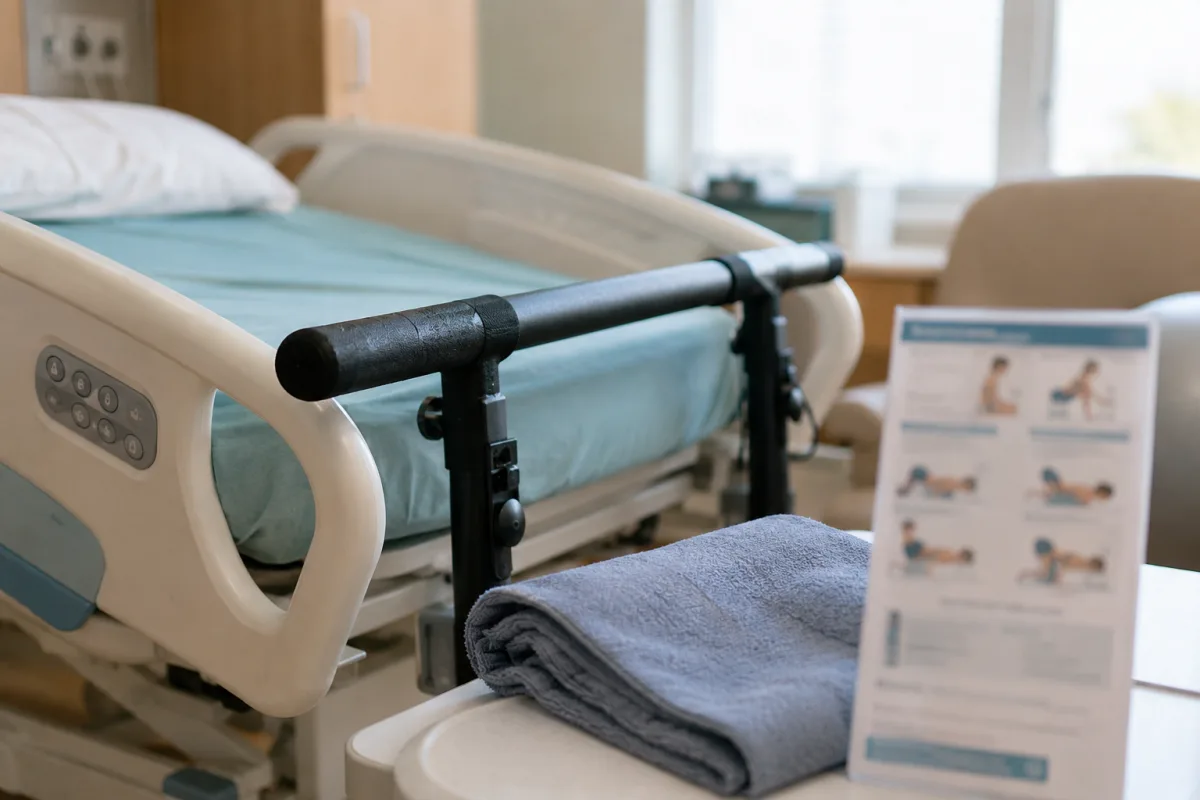
A supported squat with an epidural usually needs at least one trained staff member and often a support person. The nurse can check lines, bed height, leg control, fetal monitor belts, and whether the squat bar or bed is locked.
Livecub's depression during pregnancy article can help if fear, panic, or mood symptoms make birth planning harder.
Know Why Squat
Squatting may help open the pelvis and use gravity, but it is not required for a good birth. Mayo Clinic's labor positions guidance says squatting can give the baby more room to rotate and may help pushing, especially with sturdy support.
With an epidural, the goal is not a deep athletic squat. The goal is a safe supported position that changes pressure and helps the baby descend if your team agrees.
Check Leg Strength
Before moving upright, staff may ask you to bend knees, move feet, lift hips, or press against hands. Uneven numbness matters. If one leg cannot support you, a squat can become a fall risk.
Tell staff if you feel tingling, dizziness, pressure, nausea, or one-sided weakness. Do not try to prove toughness.
Use The Bed As Equipment

Many supported squats happen on or beside the labor bed. The squat bar, raised head of bed, lowered foot section, side rails, pillows, and nurse support can create a semi-squat or throne position without full standing.
Ask what equipment the room has before labor if this position matters to you.
Try A Semi-Squat First
A semi-squat or supported sitting squat can give some pelvic opening without the demand of a full squat. Feet may be supported, knees bent, and the upper body held by the bar, sheet, partner, or bed.
If it feels unstable, switch. Labor positions are tools, not promises.
Protect Knees And Ankles
Epidural numbness can hide strain. Keep knees tracking comfortably and avoid forcing a deep position. Use pillows, foot supports, or shorter holds. A squat that looks impressive but causes pain or numbness is not useful.
Change position before fatigue takes over.
Use Short Rounds
A supported squat may be used for a few contractions, not the whole second stage. Short rounds let the team check the baby's heart rate, your blood pressure, your legs, and whether the position is helping.
Cochrane's review of positions with epidural anesthesia shows why research on second-stage positions is nuanced. Your team will apply evidence to your body and labor.
Support Person Role
Your support person can hold a hand, remind you to relax shoulders, offer water, repeat staff instructions, and stop extra chatter. They should not lift you without staff direction.
Livecub's early labor support guide can help partners practice calm support before birth.
When To Stop
Stop if you feel dizzy, faint, too numb, unstable, sharp pain, short of breath, or if staff cannot keep monitors in place. Stop if the baby needs closer monitoring or the team asks you to reposition.
A safer side-lying or hands-and-knees variation may still give useful position change.
Alternatives With An Epidural

Try side-lying with a peanut ball, throne position, supported sitting, asymmetrical leg support, hands-and-knees in bed if safe, or laboring down before pushing. These may be easier than a squat with heavy legs.
Livecub's feeling attractive during pregnancy article may help with body confidence, but birth positioning should be based on safety and comfort.
Talk Before Labor
If you hope to use a supported squat, ask during a prenatal visit: Does the hospital have squat bars? Are mobile epidurals offered? Can nurses help with position changes? What rules apply with continuous monitoring?
Write the answers in your birth preferences so the team knows what matters to you.
What The Nurse Checks
Before a supported squat, the nurse may check blood pressure, fetal heart tracing, epidural level, leg strength, IV tubing, catheter tubing if present, and whether the bed or bar is locked. These checks are not delays for no reason. They prevent falls and help the team respond if the baby does not tolerate the position.
If monitoring belts slip during a squat, the team may pause and adjust. That is normal.
Use Clear Words
Labor is not the time for vague hints. Say, "I want to try a supported squat if it is safe," or "My legs feel too heavy." Your support person can repeat those words if you are tired.
Short phrases help the team make quick decisions without turning the room into a debate.
Respect The Epidural Level
Epidurals do not feel the same for everyone. One person may have light pain relief and strong legs. Another may have excellent pain relief and legs that cannot safely bear weight. Both are normal possibilities.
Do not compare your mobility with someone else's birth story. Use the body you have in that hour.
If Pushing Is Long
If the pushing stage is long, a supported squat may be one tool among many. The team may rotate through side-lying, throne, tug-of-war with a sheet, hands-and-knees in bed, or rest breaks. Position changes are often about small improvements, not instant results.
Ask the team what they are seeing: descent, rotation, swelling, fatigue, or a fetal heart rate reason to change.
Modesty And Consent
A squat can feel exposing. Ask for draping, fewer people, or a warning before anyone moves your legs. Consent still matters in labor, even when the room is busy.
A respectful setup can make the position easier to try and easier to stop.
After The Position
After returning to bed, notice your legs, hips, and back. Tell staff about numb spots, pain, dizziness, or pressure. Reposition pillows so your hips and knees are supported before the next contraction.
A position that worked once may not be the right position later. Keep adjusting.
Do Not Pull On The Bar Too Hard
A squat bar or sheet can help you anchor your upper body, but pulling hard for too long can tighten shoulders, tire arms, and make pushing less coordinated. Let the support help you steady, not turn every contraction into an arm workout.
Ask someone to remind you to drop your shoulders and unclench your jaw between contractions.
Use Rest Between Attempts
Rest matters with an epidural too. If the squat is tiring your legs or the room is getting crowded, return to side-lying or sitting for a few contractions. A rested body may push better than a body held in one dramatic position.
Short attempts also give staff time to reassess the baby and your blood pressure.
If A C-Section Becomes Needed
Trying a supported squat does not remove the possibility of assisted birth or C-section. If the plan changes, the team may need to reposition you quickly, adjust anesthesia, or prepare the room. That is not failure.
The goal is a safe birth, not loyalty to one position.
Frequently Asked Questions
Can I squat with an epidural?
Sometimes, but only with staff approval and support. Leg strength, monitoring, blood pressure, and hospital policy matter.
Do I need a squat bar?
No. A bed, rail, partner, sheet, or semi-squat setup may be used, depending on what staff approves.
Is a deep squat required?
No. A supported semi-squat may be safer and more realistic with an epidural.
What if my legs are too numb?
Do not squat. Ask for side-lying, throne, peanut ball, or other in-bed positions.
Can the position hurt the baby?
The team monitors the baby and will change position if the tracing, your blood pressure, or labor progress requires it.
The Safe Squat Rule
Use a supported squat with an epidural only when your care team agrees it is safe. Keep it supported, short, monitored, and flexible. The best birth position is the one that helps labor without adding fall risk or ignoring medical needs.

Linda Fehrman
Edits general wellness and relationship explainers. Health material is educational, avoids diagnosis and links to health-authority guidance.




Leave a reply
Replying to