
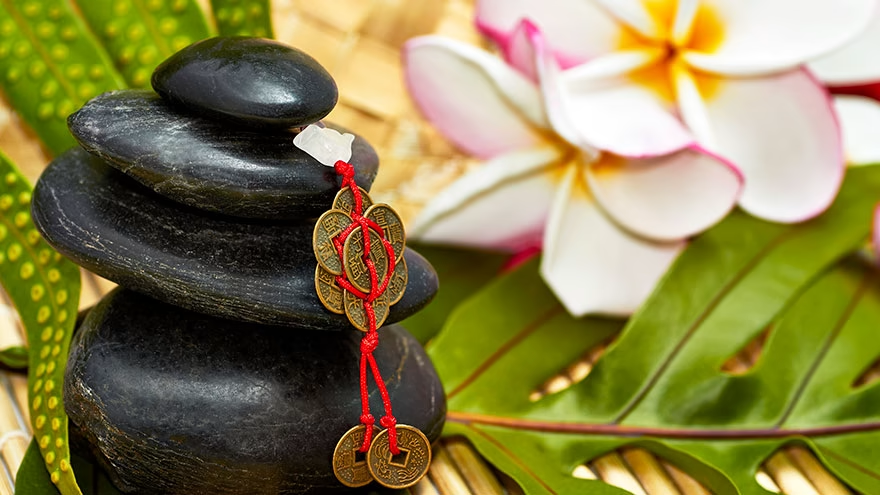
Piyao, often connected with Pixiu, is used in many modern feng shui practices as a symbolic guardian of wealth and protection. The key word is symbolic. A figurine or bracelet should not be treated as a guarantee of money, health, safety, or luck.
If you use Piyao, use it as a reminder: keep your space clear, spend carefully, protect your attention, and act with intention.
Know What You Are Placing
National Geographic describes feng shui as arranging space and objects for harmony and balance: National Geographic feng shui overview. Piyao fits into that world as an object used for meaning, not as evidence-based treatment or financial planning.
People may place Piyao near an entrance, desk, cash area, or personal altar. The placement matters less than whether the object helps you remember the behavior you want: order, care, restraint, and attention.
Choose A Spot With A Job
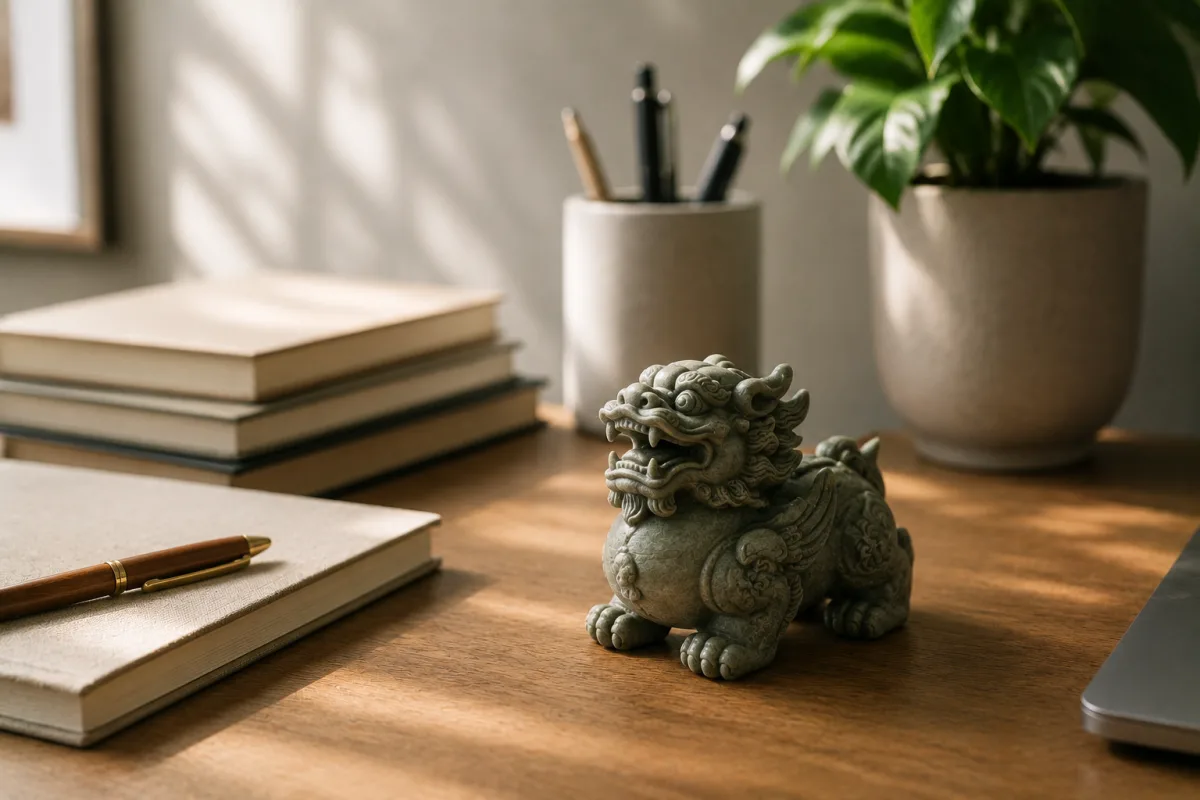
Do not scatter symbolic objects everywhere. Choose one spot and give it a job. Near the entry can mean protecting what comes into the home. On a desk can mean careful work. Near a budget folder can mean better money habits.
If you are already tracking habits, Livecub's guide to writing a food journal shows the same principle: the tool works when it changes attention and behavior.
Keep It Clean And Visible
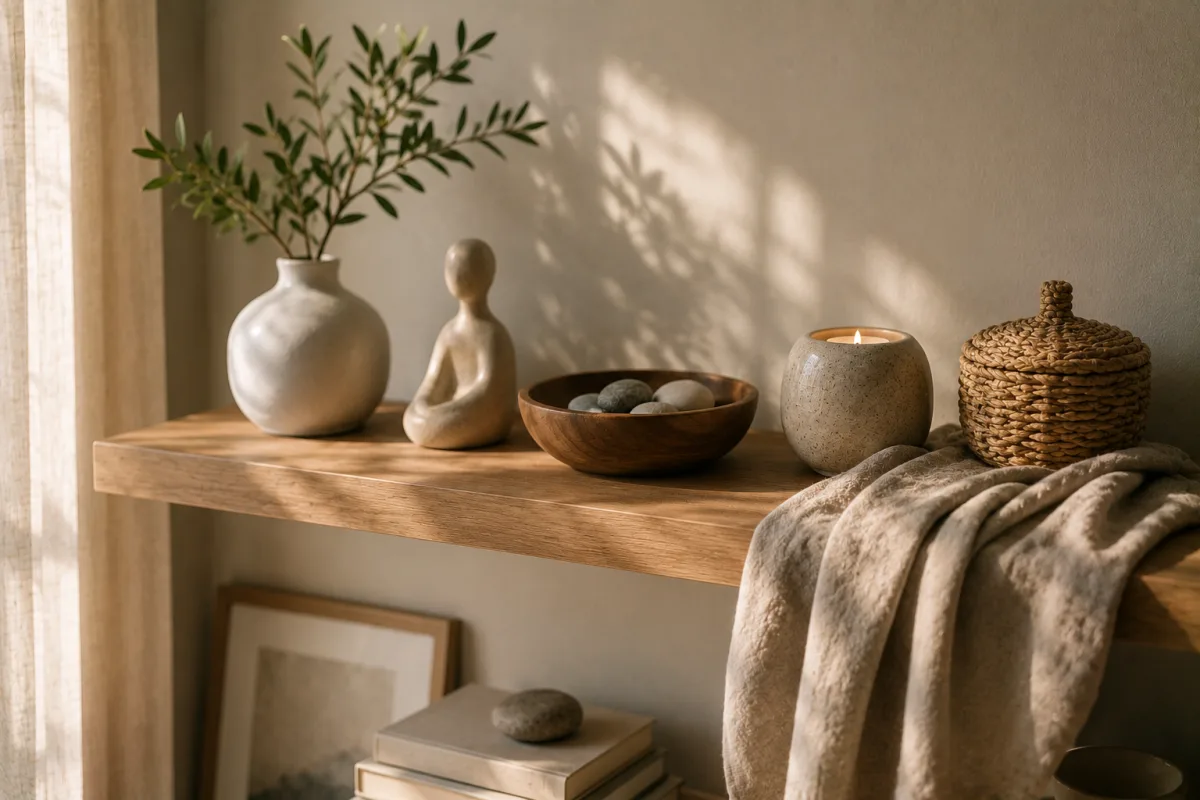
A dusty object hidden behind receipts will not do much for your daily attention. Clean the Piyao gently, keep the area around it uncluttered, and avoid piling keys, mail, and old cups around it.
The cleaning is not magic. It is a check-in. If the object stands for protection or abundance, the surrounding space should not communicate neglect.
Face It With Intention
Some traditions advise facing Piyao toward a doorway or outward direction. If that practice matters to you, follow the tradition you trust. If you are using it in a casual home-decor way, choose a direction that makes the symbol visible and purposeful.
Avoid turning placement into anxiety. If moving the figurine makes you feel afraid that something bad will happen, pause and reset the practice in simpler terms.
Do Not Use It To Avoid Real Money Work
A Piyao on the desk cannot replace a budget, savings plan, debt review, insurance check, tax filing, or conversation with a qualified financial professional. Symbolic objects can remind; they cannot manage risk.
If the object means wealth to you, pair it with one real action: check subscriptions, pay a bill, save a set amount, open the mail, or write down what you owe.
Understand Mythic Objects As Culture
The National Palace Museum's exhibition on East Asian magical creatures describes how symbolic beings gained meaning across stories and traditional art: National Palace Museum magical creatures exhibition. That is a better frame than treating a modern object as a machine that produces luck.
Respect the cultural background. If you do not know the tradition well, avoid making loud claims. Use modest language: this object reminds me of protection, discipline, and care.
Use Bracelets Carefully
Some people wear Piyao bracelets. If you do, choose comfort and safety first. Remove it if it irritates skin, catches on equipment, creates work hazards, or becomes a source of worry.
A bracelet can be a private cue: pause before spending, answer with patience, return to your plan. That is enough.
Pair It With A Reset Routine
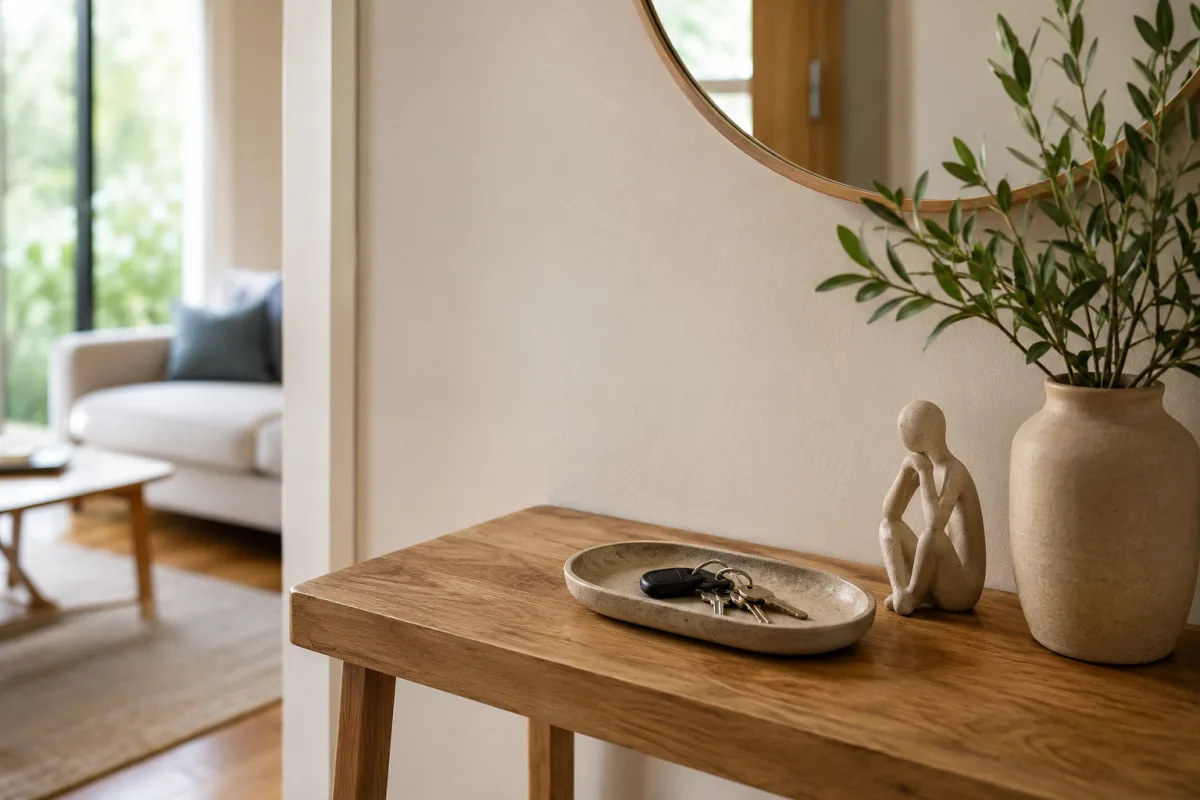
Once a week, clean the area, review one money or home task, and remove objects that do not belong. This turns the symbol into a habit cue. The cue is often more useful than the object itself.
If stress around performance is high, Livecub's guide to stage fright shows another way to turn a symbol or routine into steadier action.
Avoid Fear-Based Rules
You may hear rules about who can touch Piyao, where it must face, or what happens if it is placed wrong. Follow a trusted cultural teacher if you practice within that tradition. If casual advice online makes you fearful, step back.
Mental pressure can show up as avoidance or silence. Livecub's article on selective mutism is a reminder that distress deserves care rather than more rules.
Keep Health Claims Out Of It
Because this article sits in a health category, the boundary needs to be clear. Piyao is not a medical treatment, mental health treatment, safety device, or cure. Do not use it instead of sleep, medication, therapy, medical care, or emergency help.
If motivation or daily function is the concern, Livecub's piece on motivation in older adults gives a more practical support frame.
Let The Symbol Stay Modest
The Met's exhibition writing on hybrid creatures notes how humans have long used imagined beings in art, identity, and sacred settings: The Met on mythic hybrid beings. Piyao can fit that wider human habit of giving form to hopes and fears.
A modest practice is stronger than a fearful one. Place it, clean the space, pair it with a real habit, and do not let the object carry more responsibility than it can hold.
Use An Entry Table Simply
If you place Piyao near the entrance, keep the table simple: tray for keys, small light, no unpaid bills piled around it, and a clear place for mail. The point is to make arrival feel orderly.
Use It On A Desk
On a desk, let Piyao stand for clean work. Before starting, clear old cups, close unrelated tabs, and write the task. The object becomes a cue to begin rather than a decoration buried under clutter.
Be Careful With Gifts
If giving Piyao as a gift, explain it modestly and avoid pressuring the receiver to use it a certain way. Symbolic gifts work best when the other person can accept, place, or decline them freely.
Remove It If It Creates Anxiety
A symbolic object should not make life smaller. If you keep checking its direction, worrying who touched it, or blaming it for bad days, put it away and return to practical routines.
Teach Children Without Fear
If children ask about the object, describe it as a cultural or family symbol. Avoid telling them it can punish mistakes or control luck. Fear-based explanations can make ordinary objects feel unsafe.
Do Not Mix It With Urgent Decisions
Do not use a Piyao placement to decide whether to invest, lend money, ignore a bill, or skip professional advice. Symbols can slow you down and remind you to think, but they should not replace facts.
Use A Cleaning Day
Pick one day a month to dust the object and clear the nearby space. While you do it, review one practical area: budget, paperwork, calendar, or savings. The symbolic act then supports a real habit.
Avoid Buying From Pressure
If a seller claims one expensive Piyao will fix money, romance, or health, be cautious. Cultural objects deserve respect, and people under stress deserve not to be sold fear.
Keep The Practice Personal
You do not need to argue with skeptics or convince guests. If the object gives you a useful cue, that is enough. A private practice can stay private.
Use Plain Intention
Write the intention in ordinary words: spend with care, protect the home, finish paperwork, keep the desk clear. Plain intention is easier to practice than dramatic promises.
Respect Shared Homes
If other people live with you, do not place objects where they create conflict, clutter, or fear. A shared home needs shared respect, even when a symbol matters to one person.
Keep It Away From Hazards
Place figurines where they will not fall, chip, block an exit, or tempt small children or pets. A symbolic object should not create a physical hazard.
Frequently Asked Questions
Is Piyao the same as Pixiu?
Many modern feng shui sources connect Piyao with Pixiu, a Chinese mythic guardian figure. Usage varies by tradition and teacher.
Where should I place Piyao?
Common choices include an entry area, desk, or money-related space. Choose a visible spot tied to a real habit.
Can Piyao bring wealth?
Treat it as symbolic decor, not a financial guarantee. Pair it with budgeting, saving, and professional advice when needed.
Can anyone touch a Piyao bracelet?
Rules differ by tradition. If a rule makes you fearful, ask a trusted cultural teacher or keep the practice simple.
Is Piyao a health practice?
No. It should not replace medical care, therapy, medication, safety planning, or emergency help.
This article is for general information only and is not medical or mental health advice. If symptoms, distress, or safety concerns are present, contact a qualified professional or emergency services.

Timothy Davidson
Edits step-by-step general-interest guides for clarity, realistic limits and source verification.


Leave a reply
Replying to