
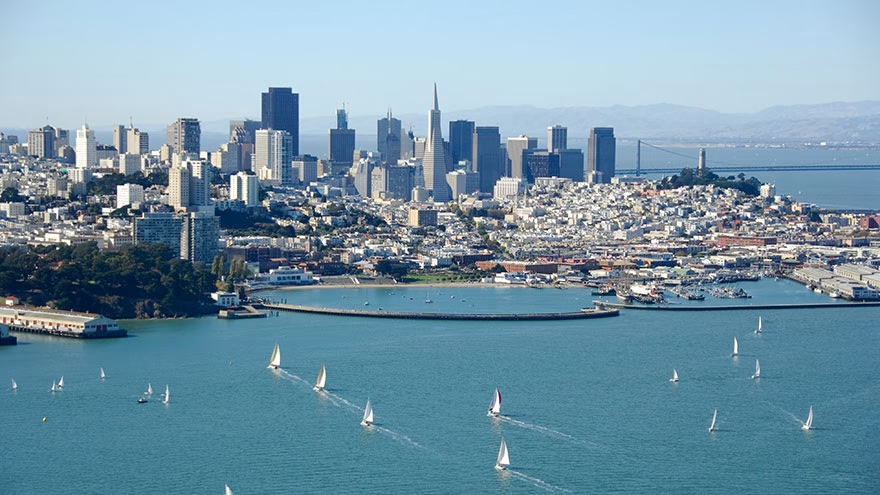
Budget San Francisco Is About Reducing Friction
How to visit San Francisco on a budget is not about pretending the city is cheap. Hotels, restaurants, parking, and attractions can be expensive. The trick is to spend on the parts that matter and stop money from leaking through poor transportation, scattered sightseeing, and impulse meals.
San Francisco rewards walkers, transit users, and people who plan by neighborhood. It punishes visitors who rent a car without a parking plan or cross the city repeatedly for isolated stops.
A budget trip should still feel like San Francisco. The views, neighborhoods, parks, fog, hills, and food culture are not locked behind a luxury budget.
Use Muni Before You Use a Rental Car
SFMTA's Visitor Passport page explains that visitors can buy passes for unlimited rides on Muni, Muni Metro, historic streetcars, and cable cars for 1, 3, or 7 consecutive days. For many visitors, that is more useful than paying for parking.
There are also Muni day pass options that do not include cable cars. Compare the pass to your actual plan. If you only need two short rides, a pass may not save money. If you want cable cars, streetcars, and multiple cross-town rides, it may.
Livecub's How to Identify Cruise Lines by Their Smoke Stacks is cruise-specific, but the travel lesson is similar: transportation details shape the whole day.
For airport days, separate the city transit plan from the arrival plan. BART, Muni, rideshare, airport shuttles, and hotel location all change the math. A cheap room that requires two awkward transfers with luggage may not be worth the savings.
Do the transit math before booking lodging. Once the room is paid for, the daily route is harder to fix.
Build Days Around Free National Park Sites
Golden Gate National Recreation Area gives budget travelers a huge advantage. The National Park Service fees page notes that the recreation area generally does not charge entrance fees except for Muir Woods, while some other fees may apply.
That means walks at Crissy Field, Lands End, Ocean Beach edges, the Presidio, and many scenic areas can become major itinerary pieces without attraction tickets.
Bring layers even on a sunny forecast. Wind and fog can make a free walk feel miserable if you dressed for a different city.
Choose One Neighborhood Per Half Day
San Francisco looks small on a map, but hills and transit transfers make scattered plans tiring. Choose one neighborhood or corridor for each half day: North Beach and Chinatown, Mission and Dolores Park, Golden Gate Park and Inner Sunset, or Embarcadero and Ferry Building.
Do the free walking first, then budget for one paid food stop. This keeps the day from becoming a chain of snacks that cost more than a planned meal.
If you enjoy travel routes based on natural scenery, Livecub's Waterfalls on Skyline Drive in Virginia shows the value of planning a day around a walkable corridor rather than isolated stops.
Use Free Views as Anchor Attractions
Some of the best San Francisco moments are views: Golden Gate Bridge from the Presidio or Crissy Field, the city from hill parks, the ocean from Lands End, and bay views along the waterfront.
San Francisco Travel's official visitor site is useful for checking current attraction ideas and visitor information, but a budget traveler should separate free views from ticketed stops before planning the day.
Do not overpay for every view. Spend where access or experience truly changes the day.
Eat Well Without Eating Everywhere
Food is part of San Francisco, but the budget disappears fast when every hour includes coffee, pastry, snack, drink, and a restaurant meal. Plan one main food stop per day and keep breakfast or lunch simple.
Look for bakeries, taquerias, markets, grocery picnic food, dim sum counters, and neighborhood cafes. Bring a refillable water bottle and one emergency snack so hunger does not choose the nearest expensive option.
For another city guide where shopping and browsing can blur, Livecub's The Top 5 Best Places to Shop In Gatlinburg is a reminder to know when you are sightseeing and when you are spending.
Handle Lodging With Realistic Geography
Cheap lodging far from the places you want to see may cost more in time and transportation. Compare the nightly rate with transit access, parking fees, airport route, neighborhood safety, and how late you plan to return.
Sometimes a slightly more expensive room near transit saves money by eliminating a car. Sometimes staying outside the city works if you have a clear rail or ferry plan. Guessing is expensive.
Budget lodging is only a bargain if it lets the trip function.
Look at the real door-to-door time from lodging to your first stop, not just the distance. Hills, transfers, late-night service, and luggage can turn a short line on the map into a tiring start or finish.
If you are driving into the city from outside, check parking rules before you commit. Street parking can be scarce, garage rates can be high, and hotel parking can cost enough to erase the room discount.
Plan Paid Attractions Selectively
Alcatraz, major museums, bay cruises, and special tours can be worth paying for, but not all in the same short trip. Pick one or two paid anchors, then use free parks, neighborhoods, and views around them.
Visit California's San Francisco guide discusses attraction passes for visitors who plan to see several paid sites. Passes can save money only if you actually want the included attractions and have time to use them.
If your travel style includes unusual landscapes, Livecub's How to Visit the Spiral Jetty on Utah's Great Salt Lake shows the same planning truth: one strong paid or effort-heavy anchor is often enough for a day.
Book the paid anchor before filling the rest of the day. Timed entry, ferry schedules, and sold-out slots can decide the order of the itinerary. Free stops are easier to move around the fixed item.
One paid highlight can be enough. A trip feels better when the budget leaves room for meals, transit, and weather changes.
Keep a Weather and Backup Plan
Fog, wind, rain, transit delays, and tired legs can change a budget day. Keep one indoor low-cost backup, one shorter walking option, and one cheap meal idea.
A good budget trip is flexible. If the bridge is fogged in, shift to a neighborhood walk. If the museum line is too long, use a park or waterfront route instead.
Pack one warm layer even in summer, and do not assume a sunny morning means a warm afternoon at the coast. Visitors often spend money on sweatshirts because they planned for California in general, not San Francisco in particular.
Backup plans should be nearby. A backup across town may cost more time and money than staying flexible within the same neighborhood.
Keep a short list of indoor pauses that do not require a ticket: a library branch, a market hall, a church exterior with sheltered steps where appropriate, or a cafe you already planned to use. The pause is the point, not adding another attraction.
On clear days, do the weather-sensitive views first. Save neighborhood walks, food stops, and transit-friendly corridors for later, because they still work when fog rolls in.
Keep one low-cost evening plan as well. Sunset at a viewpoint, a simple dinner near transit, or a slow waterfront walk can finish the day without adding a ticketed attraction after everyone is tired.
If you have children or older relatives with you, shorten the route before the day breaks down. A budget plan is only successful if the group can enjoy it at the pace they actually have.
That usually means fewer stops and better timing, not a weaker trip.
San Francisco on a budget works when you stop trying to buy the city and start moving through it carefully.
Frequently Asked Questions
Can San Francisco be visited on a budget?
Yes. Use transit, free parks, neighborhood walks, grocery or counter-service meals, and selective paid attractions.
Do I need a rental car in San Francisco?
Usually not for a city-focused trip. Parking can be expensive and stressful. Transit and walking often work better.
What free places are worth seeing?
Golden Gate National Recreation Area sites, waterfront walks, hill parks, neighborhoods, murals, and many bridge viewpoints can all be free.
Are attraction passes worth it?
Only if the included attractions match your interests and schedule. Do the math before buying.

Cashie Evans
Covers parenting and practical household topics with clear steps, safety notes and links to current guidance.




Leave a reply
Replying to