
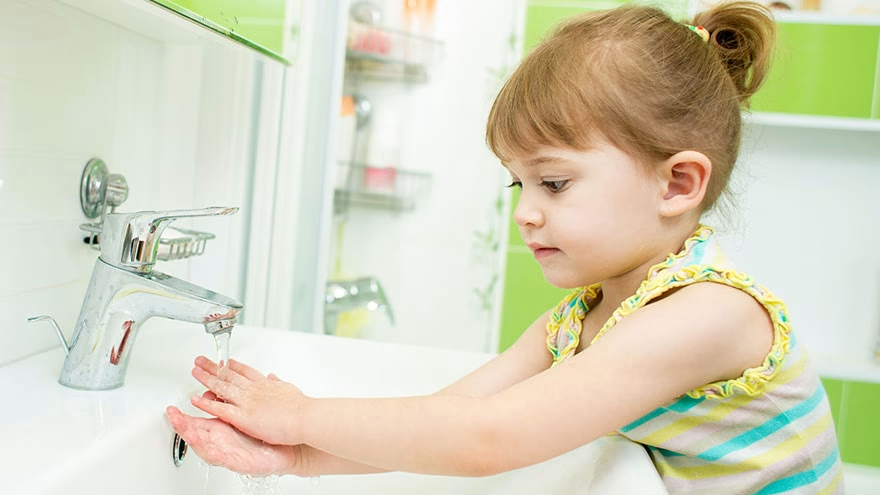
Hygiene Activities for Kids work best when they are short, repeated, and easy to understand. Children learn hygiene through routine, practice, and watching adults do the same habits.
This is general health education for families and caregivers. Ask a pediatrician, dentist, school nurse, or occupational therapist if hygiene struggles are intense, painful, sensory-related, or tied to illness.
Handwashing Song
Teach the five steps: wet, lather, scrub, rinse, and dry. CDC says handwashing is one of the most effective ways to prevent the spread of germs in its handwashing guidance.
Use a 20-second song or rhyme so children learn the timing without a lecture.
Glitter Germs
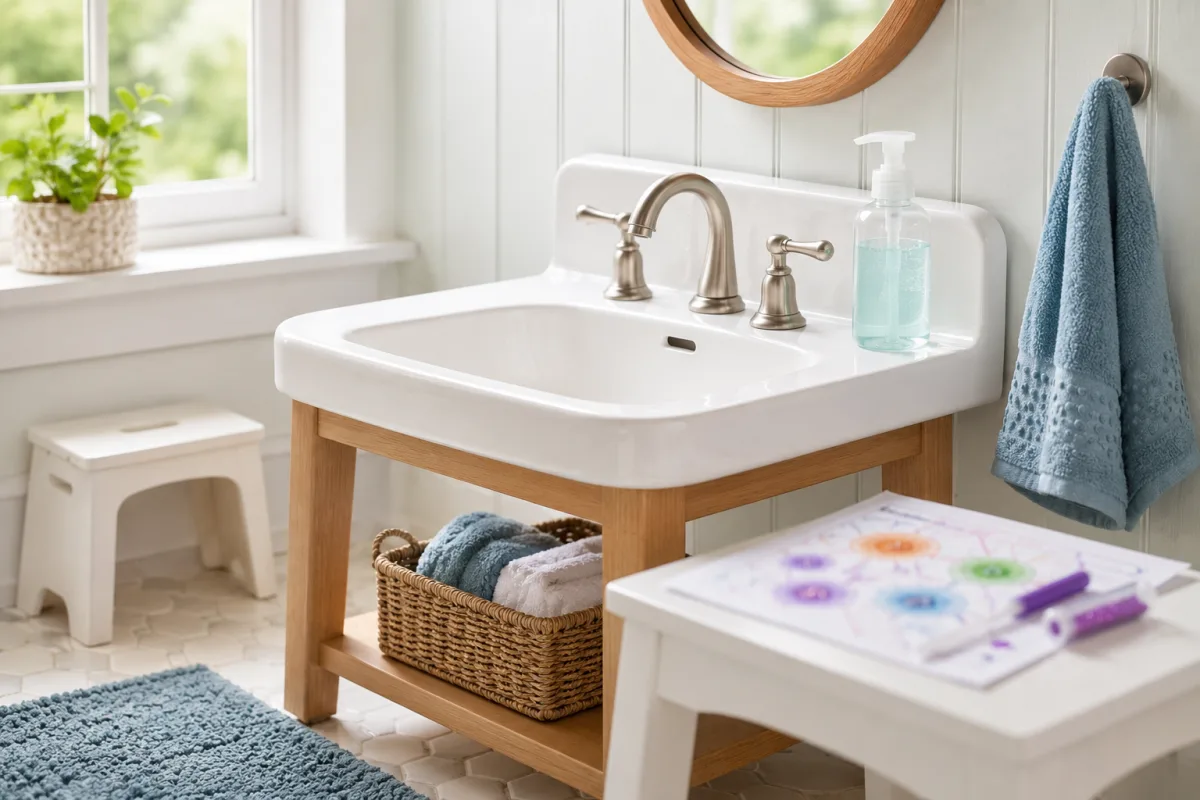
Put a tiny amount of washable glitter on hands, let the child touch a paper towel or toy, then wash. The leftover glitter shows why quick rinsing misses spots.
Keep it playful, not scary. The point is that soap and scrubbing help, not that the world is dangerous.
Bathroom Routine Chart
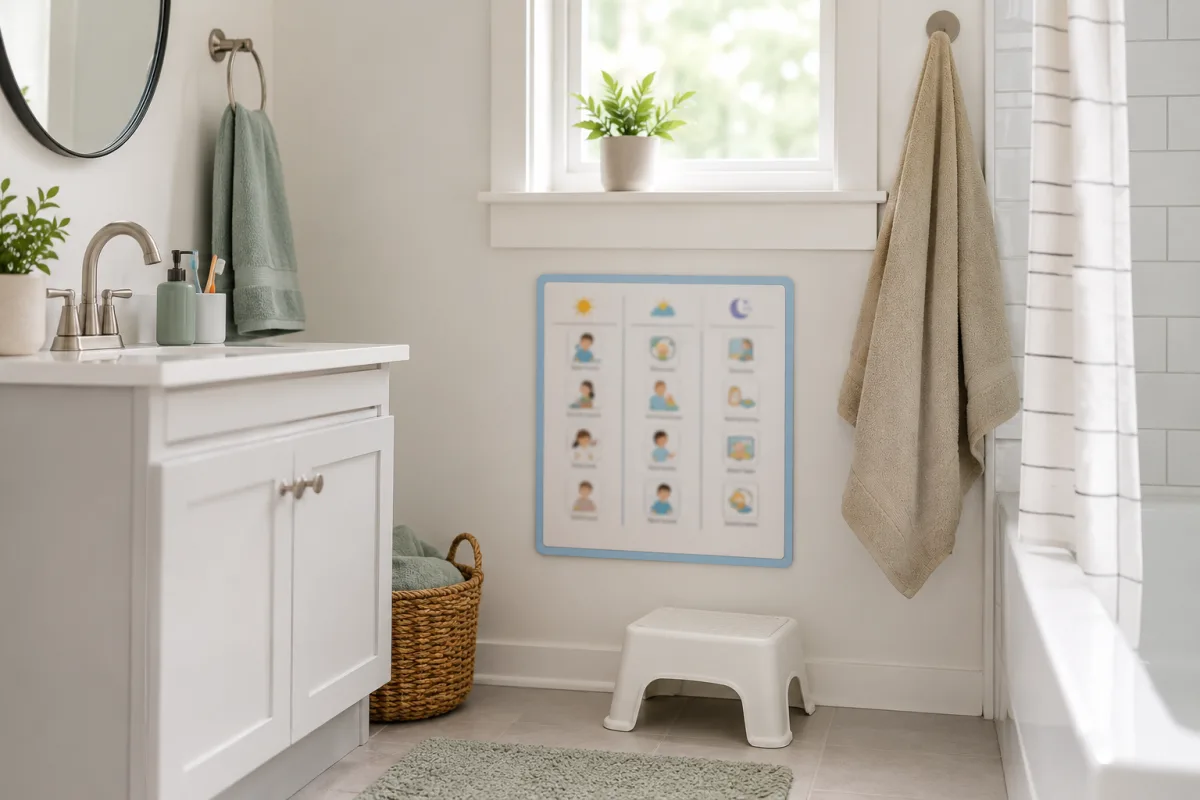
A picture chart can show flush, wipe if needed, wash hands, dry hands, and put clothes back comfortably. Place it at child height.
Routine charts help children who forget steps, rush, or feel overwhelmed by verbal reminders.
Toothbrushing Timer
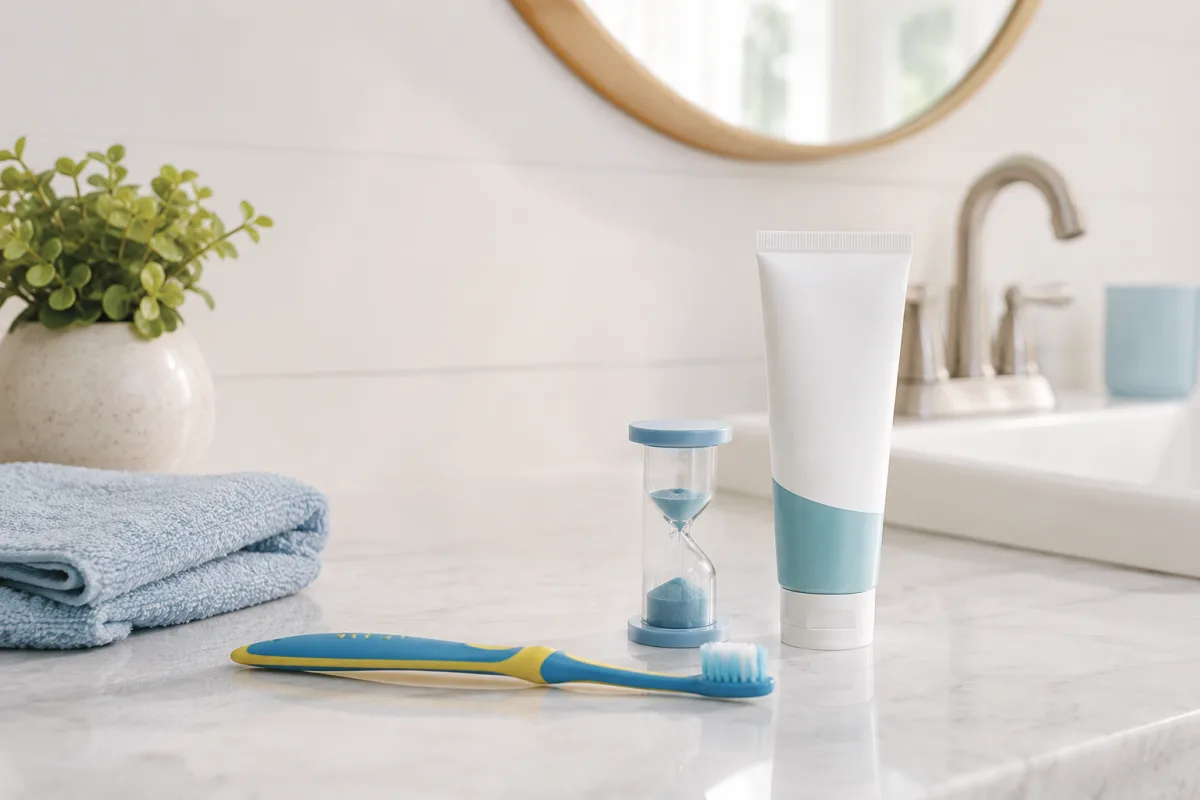
CDC says children should brush twice a day with fluoride toothpaste and that adults should help until children have good brushing skills. See CDC's oral health tips for children.
Use a two-minute timer, a mirror, or a sticker chart. For young children, supervise toothpaste amount and spitting.
Before Eating
Make handwashing part of snacks and meals. Keep a stool, soap, and towel easy to reach so the child can do more independently.
Livecub's food journal guide can inspire simple tracking sheets for meals and routines.
After Outdoor Play
After playgrounds, sports, dirt, pets, or shared toys, make washing hands and changing dirty clothes normal. Avoid turning it into a punishment.
If a child loves sports but gets nervous in group settings, Livecub's sports tryout nerves article may help with the anxiety side, not hygiene itself.
Nail Check
Use a weekly nail check with a small brush, clippers, and calm lighting. Keep nails short enough to clean easily.
Do not shame nail biting or dirty nails. Help the child notice and practice.
Hair Washing Practice
Some kids hate water in their eyes, strong smells, or scalp scrubbing. Let them hold a dry washcloth over their eyes, choose fragrance-free shampoo, or practice with a doll first.
NHS children's health guidance notes that hair washing can be upsetting for some children and may need encouragement and problem-solving: hygiene for children.
Cough And Sneeze Game
Practice coughing or sneezing into the elbow, then washing or sanitizing hands when needed. Use stuffed animals to act out school and home examples.
The goal is habit, not perfection. Adults should model the same behavior.
Sensory Concerns
Some children resist hygiene because of sensory discomfort: water temperature, towel texture, toothpaste flavor, sound, smell, or fear of falling.
Try one change at a time. If hygiene remains a daily battle, ask about occupational therapy or pediatric support.
Motivation
Rewards should be small and tied to practice, not body shame. A sticker, check mark, or choosing the song can be enough.
Livecub's motivation article is written for another age group, but the idea of matching support to the person still applies.
Food And Mess
Cooking together can teach handwashing before food, after eggs or raw meat, and after touching trash. Use simple recipes and clear cleanup steps.
Livecub's Yugoslavian chicken recipe or pasta substitute guide can be used for supervised food routines with older kids.
School Bag Kit
A small kit can include tissues, spare mask if used, hair tie, lip balm, and hand sanitizer for older children who can use it safely.
Sanitizer should be supervised for younger children and stored out of reach when not appropriate.
Bath Time Choice
Offer limited choices: bath or shower, blue towel or green towel, hair first or body first. Choice can reduce arguments without removing the hygiene task.
Keep routines predictable, especially for children who struggle with transitions.
Visual Progress
A weekly chart can show practice without ranking the child. Mark handwashing, toothbrushing, nail check, hair care, and clean clothes.
Charts work best when adults praise effort and quietly reset missed days.
Morning Routine
A morning hygiene routine might include toilet, handwashing, face wash, toothbrushing, deodorant for older kids, clean clothes, and hair care.
Keep it in the same order most days. Predictability reduces negotiation and helps children become independent.
After-School Reset
After school or daycare, try shoes away, hands washed, lunch container to the sink, and dirty clothes or sports gear in one place.
A reset routine helps germs, clutter, and smells without requiring a full lecture after a long day.
Toothpaste Taste
Some children resist brushing because toothpaste burns, foams too much, or tastes too strong. Ask the dentist about acceptable alternatives if taste is the obstacle.
Do not skip fluoride toothpaste without professional guidance. Change the experience while protecting oral health.
Puberty Hygiene
Older children may need gentle teaching about deodorant, sweat, menstrual products, acne, hair, and privacy. Give facts without teasing.
Privacy matters. A child who feels mocked may avoid asking for supplies or help.
Sick-Day Hygiene
During illness, focus on tissues, handwashing, separate cups, toothbrush storage, and cleaning high-touch surfaces. Keep the routine simple because sick kids have less patience.
After vomiting or diarrhea, handwashing with soap and water matters more than sanitizer alone.
Caregiver Consistency
Children learn faster when caregivers use the same words and steps. Agree on the routine before correcting the child.
If one adult turns hygiene into a battle and another turns it into a game, the child may resist both.
Handwashing Times
Teach the key times: after bathroom use, before eating, after coughing or sneezing, after playing outside, after touching pets, and when hands look dirty.
Posting the list near the sink helps because children often remember pictures faster than repeated verbal reminders.
Toilet Independence
Toilet hygiene takes practice. Keep toilet paper within reach, use easy clothing, and teach wiping calmly with privacy and patience.
If accidents continue, pain is present, or the child avoids the bathroom, talk with a pediatrician.
Clean Clothes
Clean clothes can be taught with a simple sniff-check, stain-check, and hamper routine. Label drawers with pictures for younger children.
Avoid comments about being disgusting. Focus on what clothes need to do: feel comfortable, smell clean, and protect the body.
Hand Sanitizer Rules
Hand sanitizer is not a toy. Teach older children to use a small amount, rub until dry, and avoid eyes, mouth, flames, and sharing with younger siblings.
Soap and water are better when hands are visibly dirty, greasy, or after bathroom use when available.
School Coordination
If hygiene struggles show up at school, ask the teacher or nurse what they see. The issue may be sink access, teasing, sensory overload, or rushing between activities.
A small school plan can work better than daily conflict at home.
Model Out Loud
Children learn by watching. Say the steps while you wash hands or brush teeth: soap, scrub, rinse, dry, or top teeth, bottom teeth, tongue, spit.
Narrating makes invisible routines easier to copy.
Keep Supplies Reachable
A step stool, easy soap pump, towel hook, low mirror, and child-safe toothbrush spot can remove daily barriers.
If the setup requires adult help for every step, independence will take longer.
Sensitive Skin
Some children avoid washing because soap stings or skin is cracked. Use gentle products when needed and ask a clinician about eczema, rashes, or pain.
Pain should be solved, not disciplined, especially when a child suddenly refuses a routine they used to tolerate.
A small product change can sometimes remove the whole argument.
Frequently Asked Questions
What is a fun hygiene activity for kids?
A handwashing song, glitter germ game, toothbrushing timer, or picture routine chart can work well.
How long should kids wash hands?
CDC recommends scrubbing with soap for at least 20 seconds.
How often should kids brush teeth?
Most children should brush twice daily with fluoride toothpaste, with adult help until they have the skill.
What if my child hates hygiene tasks?
Look for sensory issues, fear, timing, product smells, and routine stress before assuming defiance.
Should hygiene be rewarded?
Small rewards can help practice, but avoid shame or fear-based pressure.
Hygiene activities for kids should be simple, repeated, and calm. Songs, charts, timers, and adult modeling usually work better than scolding.
Cashie Evans
Covers parenting and practical household topics with clear steps, safety notes and links to current guidance.

Leave a reply
Replying to