
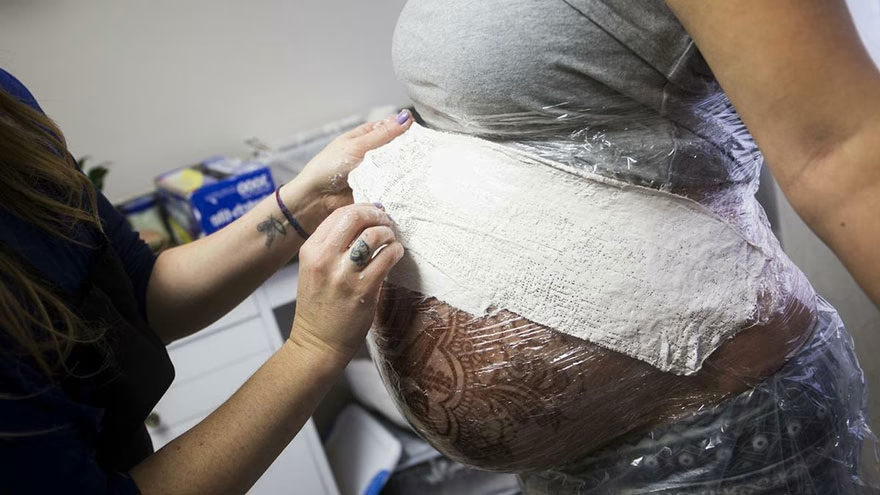
Instructions for Making a Belly Cast should start with safety and comfort. A belly cast is a keepsake, not a medical device, and the pregnant person should be able to stop the project at any time.
Use skin-safe materials, protect the room, work with a helper, and avoid tight wrapping. If there is rash, itching, dizziness, shortness of breath, contractions, or any medical concern, skip the cast and ask a clinician.
Pick The Right Time
Many people make a belly cast in the third trimester when the belly shape is full, but before they feel too uncomfortable to sit or stand.
Choose a day with time, good ventilation, and no rush. The person being cast should eat, hydrate, and use the bathroom first.
Gather Materials
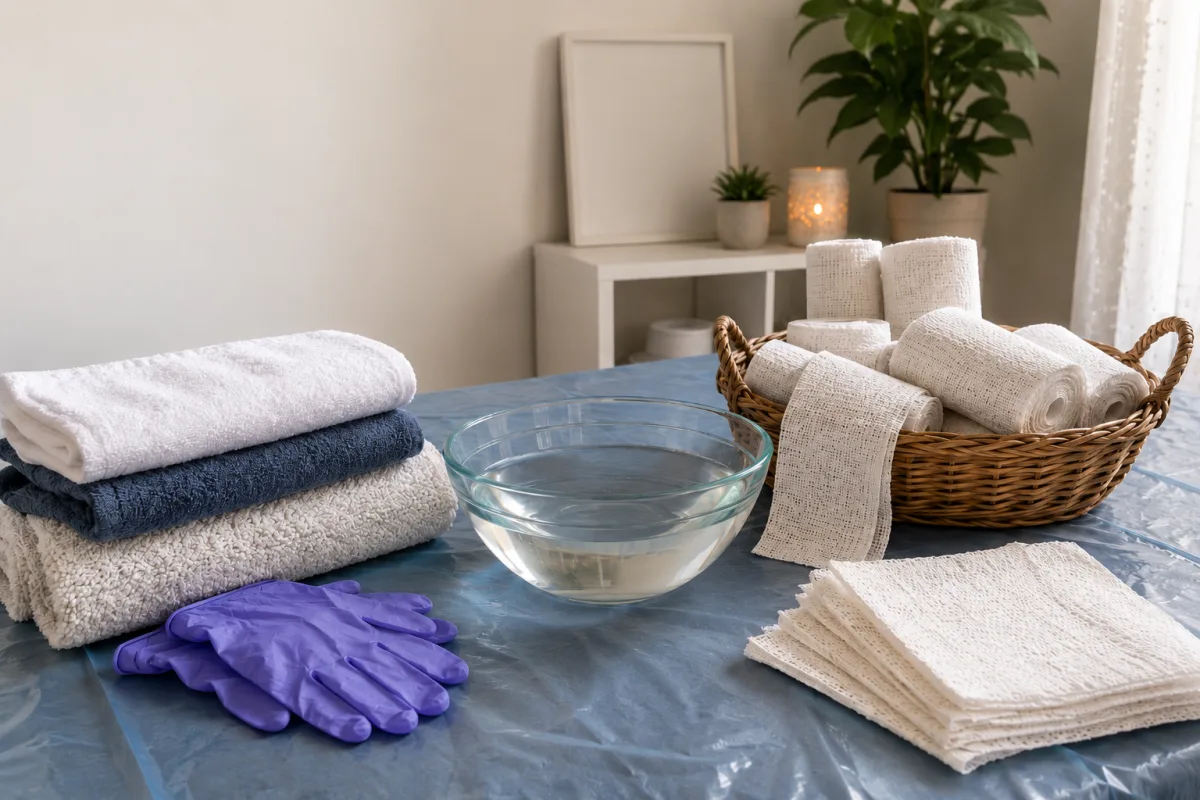
You need plaster gauze strips made for body casting, petroleum jelly or skin barrier, towels, drop cloth, warm water bowl, scissors, gloves, and a chair.
Do not use a bucket of loose plaster on the body. Plaster mixtures can heat as they set and can irritate skin.
Check Skin First
Pregnancy can make skin more sensitive. ACOG notes that skin, hair, and nail changes are common during pregnancy: ACOG skin conditions during pregnancy.
Avoid casting over broken skin, a rash, sunburn, recent shaving irritation, or areas that already itch.
Plan The Shape
Decide if the cast will include belly only, belly and breasts, one shoulder, or hands. A smaller cast is easier to remove and finish.
Livecub's belly bowl cast guide can help readers compare keepsake styles before choosing the shape.
Protect The Room
Cover the floor and chair with plastic or old towels. Keep a trash bag nearby for wet scraps and gloves.
Do not rinse plaster down the sink. It can harden in plumbing. Let scraps dry and dispose of them according to package directions.
Cut Strips First
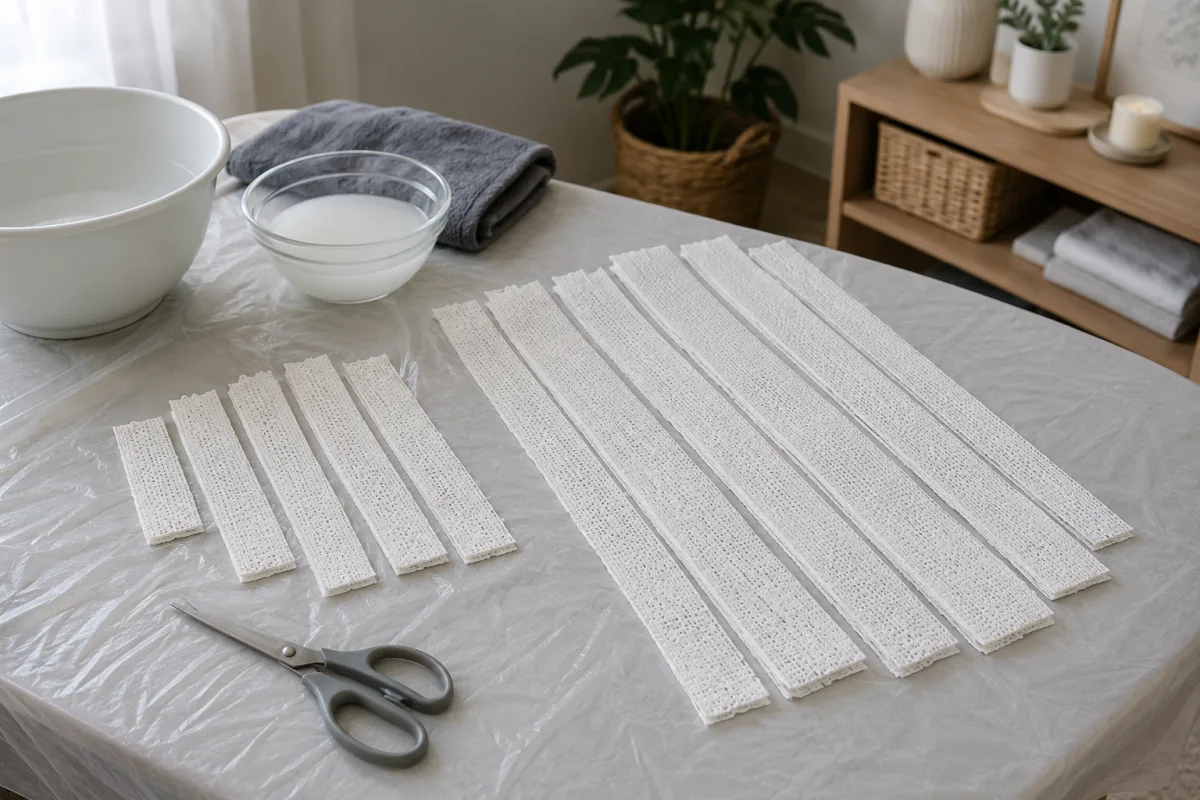
Cut plaster gauze into several lengths before wetting anything: short pieces for curves, medium pieces for the belly, and longer pieces for broad areas.
Once the first strip is wet, the helper should not be hunting for scissors. Preparation keeps the session calmer.
Apply Skin Barrier
Cover the skin and body hair with petroleum jelly or the barrier product recommended by the kit. Use more around edges and hairline areas.
The barrier helps removal. It is not a reason to pull hard if the cast sticks.
Wet One Strip At A Time
Dip one strip quickly, squeeze off extra water, and smooth it onto the skin. Overlap strips so the cast holds together.
Use warm water, not hot water. If heat, burning, itching, or pain starts, stop and remove the material.
Build Layers
Use two to four layers depending on the kit instructions and desired strength. More is not always better if it makes the cast heavy or hot.
Keep edges smooth and avoid wrapping around the body so tightly that removal becomes hard.
Support The Person
A helper should watch posture, breathing, dizziness, and fatigue. Sitting may be safer than standing for some people.
Livecub's early labor support guide is for labor, but the same calm checking-in helps during a body cast.
Remove Gently
When the cast is firm enough, ask the person to wiggle slightly and help lift it away from the edges. Do not yank.
If it catches on hair or skin, loosen slowly. Comfort matters more than saving one perfect edge.
Dry Completely
Place the cast on towels or a supported surface to dry. Turn it only when it is firm enough not to bend.
Drying can take a day or longer depending on layers and humidity. Decorating too early can trap moisture.
Smooth And Decorate
Once dry, trim rough edges, sand lightly with a mask if dust is produced, and add gesso, paint, fabric, ribbon, or decoupage.
OSHA lists plaster of paris as calcium sulfate hemihydrate and provides chemical data for workplace handling: OSHA plaster of paris data. Keep dust out of eyes and lungs.
If Something Goes Wrong
For suspected poisoning or chemical exposure questions in the United States, Poison Control provides online help and the 1-800-222-1222 phone number: Poison Control.
Call emergency services for trouble breathing, collapse, severe burns, or symptoms that feel urgent.
Display Or Store
A finished belly cast can be hung, placed on a shelf, photographed, or stored flat with padding. Keep it dry and away from heavy pressure.
Livecub's baby gender announcement ideas may inspire decoration themes if the family wants a reveal-style keepsake.
Body Feelings
Some people love the keepsake; others feel exposed or awkward. Either reaction is normal.
Livecub's feeling attractive during pregnancy guide can help with the emotional side of seeing the pregnant body as art.
Helper Script
Before starting, agree on check-in words: okay, pause, too hot, itchy, dizzy, stop. The helper should ask every few minutes.
A keepsake project should never require the pregnant person to tough it out.
Edge Comfort
Edges near ribs, breasts, underarms, and hips can scratch or pull. Use shorter strips and extra barrier in those areas.
Smooth edges with wet fingers while applying so trimming later is easier.
Do Not Cast Alone
A belly cast is awkward to apply and remove alone. A helper reduces mess and helps notice discomfort.
If no trusted helper is available, wait. The project is not worth a fall or panic.
Storage
Once decorated, store the cast away from moisture and direct pressure. It can crack if stacked under heavy objects.
Take photos of the finished piece in case the physical keepsake is damaged later.
Ventilation
Work in a ventilated space, especially when cutting dry gauze, sanding, sealing, or painting.
Dust and fumes are not part of the keepsake. Open windows or move finishing work away from the pregnant person.
Water Temperature
Use lukewarm water. Hot water can speed setting and make the material feel uncomfortable on skin.
If the water feels too warm to the wrist, it is too warm for a relaxed casting session.
Modesty Plan
Decide clothing, coverage, and who will be present before supplies are wet. The person being cast should not feel surprised or exposed.
A robe, towels, or old button-down shirt can help before and after the cast is applied.
Edge Reinforcement
Thin edges crack easily. Add a little extra material near the border without wrapping around the body.
A stronger edge makes trimming and hanging easier after the cast dries.
Hanging Hardware
If hanging the cast, attach hardware only after the cast is dry and sealed. Test weight before putting it above a crib, bed, or chair.
A keepsake should not become a falling object. Choose a safe display spot.
Partner Role
A partner can cut strips, watch timing, smooth edges, and check comfort, but should not rush the process for a better shape.
Livecub's staying intimate during pregnancy guide can help keep the project respectful and connected.
Clean Skin After
After removal, wash skin gently and moisturize if tolerated. Watch for redness, itching, or irritation that lasts.
If symptoms persist or feel severe, contact a healthcare professional.
Practice Strip
Before the session, wet one strip and test how fast it sets on a bowl or balloon.
That practice run teaches the helper how much water to use and how quickly to smooth the gauze.
Finishing Dust
Sanding a dry cast can create dust. Work outside or in a ventilated space and keep dust away from the pregnant person.
A damp cloth can remove loose dust before sealing or painting.
Name And Date
Write the pregnancy week, date, or baby's nickname on the inside of the cast after it dries.
Small details make the keepsake easier to remember years later without changing the outside design.
Frequently Asked Questions
What do I need for a belly cast?
Use body-casting plaster gauze, skin barrier, towels, drop cloth, warm water, scissors, gloves, and a helper.
When should I make a belly cast?
Many people choose late pregnancy, but it should be done when the pregnant person feels comfortable and unrushed.
Can plaster irritate skin?
Yes. Avoid broken or irritated skin, use a barrier, stop for burning or itching, and follow product safety directions.
How long does a belly cast take to dry?
The session may be short, but drying can take a day or longer depending on layers, humidity, and materials.
Can I decorate the cast right away?
No. Let it dry fully before trimming, sanding, sealing, painting, or adding decorations.
A belly cast is best when the process is calm, safe, and consent-led. Prepare everything first, work gently, and let comfort outrank the keepsake.

Chiara Bradshaw
Covers education, culture and creative topics with an emphasis on readable explanations and verifiable references.


Leave a reply
Replying to