
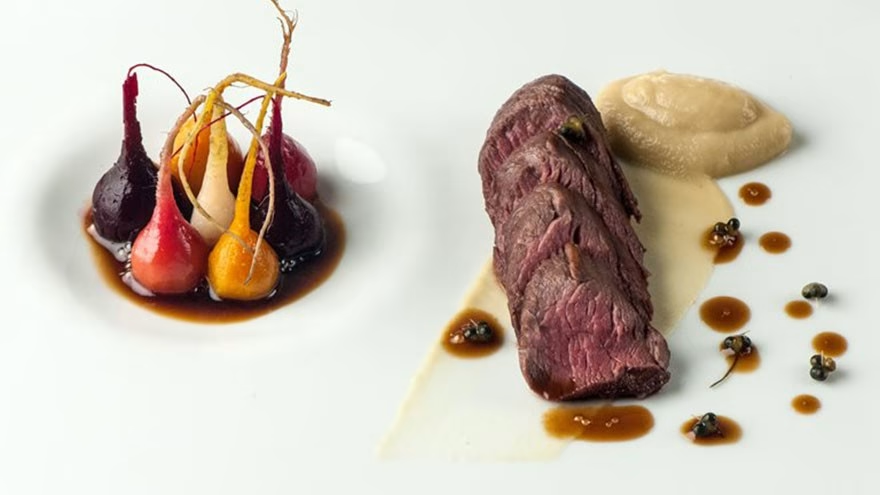
A Lean Roast Needs Gentle Timing
Leg of young goat with turnip compote is a quiet, old-fashioned kind of dish: lean meat, root vegetables, butter, and pan juices. It does not need heavy spice or a sweet glaze. It needs salt, heat control, and enough rest after roasting.
Young goat is usually leaner than lamb and can taste mild when cooked with care. Because it does not carry much fat, the main risk is dryness. A hot start for color, followed by moderate heat and basting, keeps the roast closer to tender.
Think of this as a small roast dinner, not a complicated restaurant plate. The turnip compote softens the meat's savory edge and gives the dish a clean root-vegetable base.
Ingredients for Four Servings
- 1 leg of young goat, about 2 pounds
- 1 cup dark goat, lamb, or veal stock
- 2 tablespoons peanut oil or another neutral high-heat oil
- 3 tablespoons unsalted butter, divided
- 20 small turnips, peeled, or 6 medium turnips cut into wedges
- 1 small shallot, finely chopped
- 1 teaspoon mild honey, optional
- 1 tablespoon cider vinegar or white wine vinegar
- 2 thyme sprigs
- Salt and freshly ground black pepper
If you cannot find young goat, ask a butcher for a small goat leg meant for roasting. Avoid cuts that look dry at the edges. A butcher who works with lamb may be able to trim the goat leg cleanly and leave enough surface fat for flavor.
Season the Goat Before It Hits the Pan
Pat the meat dry, then season it with salt and pepper at least 45 minutes before cooking. If you have more time, season it the night before and refrigerate it uncovered on a rack. That dry surface helps browning.
Bring the roast closer to room temperature for about 30 minutes before cooking. Do not leave it out for hours. FoodSafety.gov's safe minimum temperature chart is a useful reference for roasted meats: use a thermometer and include rest time in the plan.
A thermometer is not a fussy tool here. It protects a lean cut from both undercooking and overcooking.
For another roast that benefits from measured heat, Livecub's Grilled Whole Duck Recipe is a good comparison, though duck brings more fat and needs different handling.
Brown, Roast, and Baste
Heat the oven to 375 F. Warm the oil in a heavy ovenproof pan over medium-high heat. Brown the goat leg on all sides, turning it with tongs so the surface colors evenly. This should take 8 to 10 minutes.
Lower the heat, add 1 tablespoon butter and the thyme, and spoon the foaming butter over the meat for a minute. Add half the stock to the pan, then move the pan to the oven. Roast until the internal temperature reaches your target, checking early because small goat legs cook faster than large lamb legs.
For many cooks, 145 F with rest time gives a firm but still juicy roast. If you prefer it more done, keep the heat moderate and baste more often. The USDA FSIS temperature chart is another practical source for safe meat cooking.
Transfer the goat to a warm plate, tent it loosely, and rest it for at least 10 minutes. Do not slice as soon as it leaves the oven. The juices need time to settle.
Plan the Timing Before You Start
A small roast dinner works best when the side dish and sauce are not fighting the meat. Peel the turnips first, season the goat second, and heat the oven only after the meat has had time with salt.
The resting time is part of the recipe. Use it to finish the compote, reduce the sauce, warm the plates, and clear the board for slicing. If you treat resting as dead time, the final minutes feel rushed.
For a four-person dinner, the whole active process can fit inside 90 minutes if the stock is ready. If you need to make stock from scratch, do it another day or use a good unsalted lamb or veal stock.
Make the Turnip Compote
While the roast cooks, simmer the peeled turnips in salted water until just tender. Drain them well. If using medium turnips, cut them into even wedges so they cook at the same pace.
In a separate pan, melt 1 tablespoon butter. Add the shallot and cook gently until translucent. Add the turnips, honey if using, vinegar, and a splash of stock. Cook until the turnips are glossy and soft at the edges, but not mashed into baby food.
Turnips can be peppery, bitter, or sweet depending on age and storage. Purdue Extension's turnip growing and harvest notes help explain why small, fresh turnips are often milder than large woody ones.
The compote should taste savory first. Honey is there to round the turnips, not turn them into dessert.
Build the Pan Sauce
After the goat rests on a plate, set the roasting pan over medium heat. Skim any harsh excess fat, then add the remaining stock. Scrape the browned bits from the bottom with a wooden spoon.
Simmer until the sauce tastes concentrated. Whisk in the last tablespoon of butter off the heat. Add a few drops of vinegar if the sauce tastes flat. Add salt only after reducing, because stock can become salty as water evaporates.
If you want a larger menu, keep sides simple. Livecub's Asparagus Rolls Recipe or Basic Corn Souffle Recipe would make the plate feel complete without burying the goat.
Slice and Serve
Slice the goat across the grain in thin pieces. Spoon turnip compote onto warm plates, lay the meat over it, and finish with a small amount of pan sauce. Too much sauce can make the turnips watery.
A crisp salad, boiled potatoes, or simple rice will fit. If the dinner needs a sweet finish, Livecub's Mom's Best Fudge Icing belongs with cake after the roast rather than on the same plate.
Leftovers should be cooled and refrigerated promptly. Slice leftover goat thinly for sandwiches or warm it gently in the pan sauce. High heat the next day will dry it out fast.
If you plan to serve leftovers as a second meal, store the sliced meat and turnips separately. The turnips can handle gentle reheating in a small pan, while the meat is better warmed briefly with sauce just before eating. Add fresh pepper at the table, and keep extra sauce covered so the lean slices stay moist during serving. Warm plates help too.
Troubleshooting the Dish
If the goat tastes dry, it was likely cooked too hot, cooked too long, or sliced without enough rest. Serve it with extra pan sauce and make a note to check the next roast earlier.
If the turnips taste sharp, cook them a little longer with a splash of stock and a small knob of butter. If the sauce tastes heavy, vinegar or lemon can bring it back into balance.
If the Cut Is Older or Larger
Not every butcher will have a small young goat leg. If the cut is larger, darker, or from an older animal, treat it with more patience. A quick roast may leave it chewy even if the flavor is good.
In that case, brown the meat, add stock, cover the pan, and cook it more slowly until tender. The dish becomes closer to a braise than a neat roast, but it still belongs with turnip compote and a sharp pan sauce.
Do not force one method onto every cut. Lean young meat can roast quickly; older meat usually asks for moisture, time, and lower heat.
This recipe works because it keeps the plate honest: lean roast, soft turnips, and sauce made from the pan.
Frequently Asked Questions
Can I use lamb instead of young goat?
Yes. A small lamb leg can be cooked in a similar way, though lamb is usually fattier and may need slightly different timing.
What temperature should goat leg reach?
Use a food thermometer and follow current safe-temperature guidance for whole cuts of meat. Many cooks use 145 F plus rest time for a small roast.
Can the turnip compote be made ahead?
Yes. Cook it earlier in the day, chill it, and rewarm gently with a splash of stock before serving.
Why is my goat roast tough?
It may have been overcooked, sliced with the grain, or cooked too aggressively. Thin slicing and pan sauce can help rescue the serving.

Timothy Davidson
Edits step-by-step general-interest guides for clarity, realistic limits and source verification.



Leave a reply
Replying to