

Miniature Schnauzers often look tough, tidy, and self-contained, which can make owners miss subtle health changes. A useful Miniature Schnauzer health plan watches weight, eyes, skin, teeth, urinary habits, fat tolerance, grooming comfort, and breeder paperwork. The breed can be a sturdy companion, but sturdy is not the same as no-maintenance.
What health issues are Miniature Schnauzers known for?
The American Kennel Club lists the Miniature Schnauzer as a Terrier Group breed, typically 11 to 20 pounds, with a life expectancy of 12 to 15 years. AKC also describes the breed as friendly, smart, and obedient. That mix makes them appealing, but health screening still matters.
The AKC Miniature Schnauzer profile is a good starting point for size, temperament, and life expectancy. For health, use breed-club and veterinarian guidance instead of guessing from social media lists.
If you want a broader owner-fit view, Livecub's Miniature Schnauzer questions pair well with this health guide.
Why do eyes need regular attention?
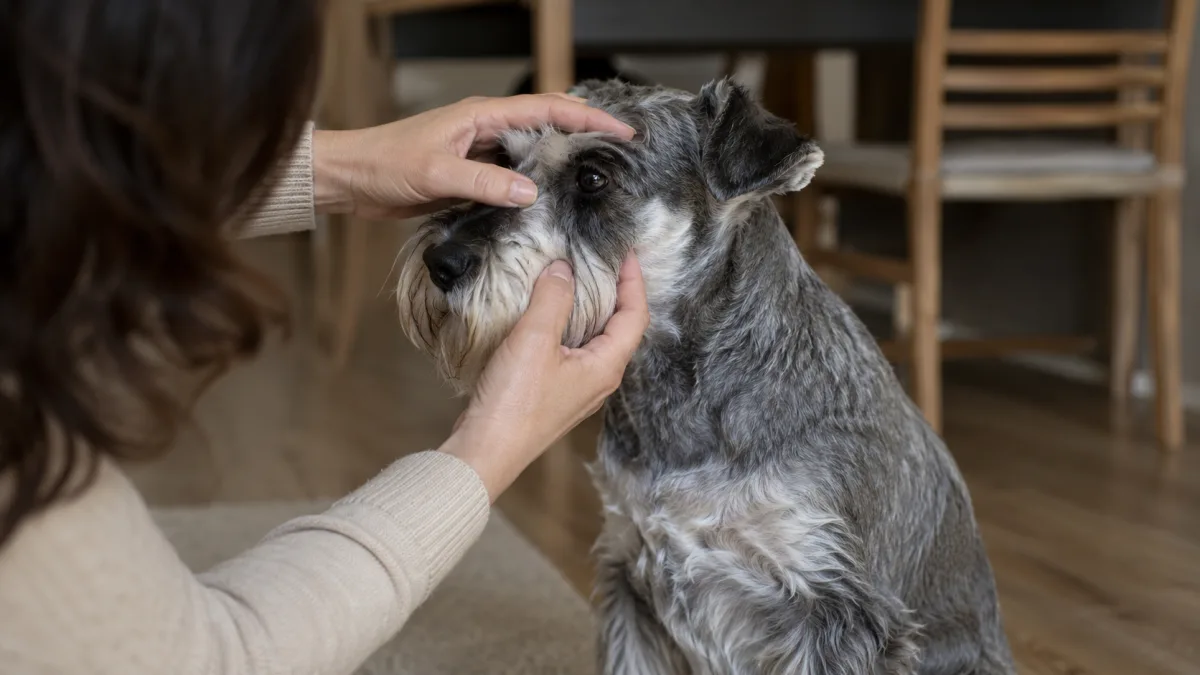
Eye issues appear in many breed health discussions, and Miniature Schnauzer breeders should be ready to discuss eye exams and inherited eye concerns. Watch for cloudiness, redness, squinting, discharge, bumping into things, or sudden hesitation in dim light.
Do not wait weeks on eye symptoms. Eyes can deteriorate quickly, and early veterinary care may protect comfort and vision. A routine wellness visit should include a basic eye look, but breed-risk conversations belong with your veterinarian and breeder.
Ask for eye exam history when choosing a puppy or adult dog. A responsible breeder should not act offended by health documentation questions.
Do Miniature Schnauzers have pancreatitis or fat sensitivity risk?
Miniature Schnauzers are often discussed by veterinarians in relation to fat metabolism, high triglycerides, and pancreatitis risk. The American Miniature Schnauzer Club health pages discuss breed health topics and support health education for owners and breeders.
The American Miniature Schnauzer Club health page is useful because it keeps the discussion breed-specific. It does not replace your veterinarian, but it can help you ask better questions about diet, weight, and lab work.
Avoid rich table scraps. Bacon grease, fatty meat trimmings, heavy cream, and holiday leftovers are not harmless treats for a dog with possible fat sensitivity. If your Schnauzer vomits, refuses food, hunches, or seems painful after a fatty meal, call a veterinarian.
What urinary signs should owners watch?
Urinary stones and urinary tract problems are another reason Schnauzer owners should notice bathroom habits. Watch for straining, blood in urine, frequent attempts, accidents, licking, discomfort, or producing little urine. Male dogs that cannot pass urine need urgent veterinary care.
Water intake, diet, genetics, and infection can all affect urinary health. Do not add supplements or change prescription food without veterinary guidance. A urine test is more useful than guessing from smell or color alone.
For comparison with another breed health article, Livecub's Staffordshire Bull Terrier health problems shows why breed-risk lists should lead to better observation, not self-diagnosis.
What skin and ear problems deserve attention?
Schnauzer coats can hide skin changes until grooming day. Watch for hot spots, scabs, greasy skin, odor, hair loss, constant licking, ear redness, head shaking, or new lumps. A beard that stays damp can also irritate the skin around the mouth.
Do not keep switching foods, shampoos, and supplements without a plan. Skin and ear problems can involve allergies, infection, parasites, hormones, grooming irritation, or several causes at once. A veterinarian can examine the skin and choose tests instead of guessing.
Photograph changes if they come and go. A clear picture of a rash, eye change, or swelling can help your veterinarian when the symptom looks calmer at the appointment.
How do weight and diet affect Miniature Schnauzer health?
Extra weight makes many problems harder: joint strain, heat tolerance, breathing during exercise, dental inflammation, and pancreatitis risk management. Because Miniature Schnauzers are small, a few extra pounds can change the body condition more than owners expect.
Use measured meals, training treats counted into the day, and routine weigh-ins. Ask your veterinarian to show you how the ribs and waist should feel. A bearded face can beg convincingly; the food bowl still needs math.
Keep treats boring on purpose. Small pieces of the dog's regular food, low-fat training treats, or vet-approved options are safer than rich human food.
What grooming issues affect health?

The Schnauzer coat needs regular grooming, but health care hides inside the haircut. Beard moisture can irritate skin, mats can pull, nails can alter gait, and ear hair or debris can make problems harder to spot. Grooming also lets you find lumps, ticks, rashes, and sore feet early.
If you groom at home, keep sessions short and reward handling. If you use a professional groomer, ask them to tell you about skin changes, ear odor, nail cracks, or sore spots. Livecub's longhair Dachshund grooming guide covers a different coat, but the inspection habit transfers.
How important is dental care?
Small dogs often need serious dental attention. Bad breath, red gums, loose teeth, drooling, pawing at the mouth, and dropping food are reasons to call a veterinarian. Tooth pain can look like pickiness or irritability.
Brush teeth if your dog tolerates it, start slowly, and use dog-safe products. Dental chews can help some dogs, but they do not replace veterinary exams. Hard objects that crack teeth are not worth the risk.
Train mouth handling before there is a problem. A calm adult who lets you lift lips and look at gums is easier to help when something hurts.
What should breeders provide for health screening?

Ask for health testing documentation, pedigree health discussion, temperament notes, and what happens if a serious inherited issue appears. The Orthopedic Foundation for Animals maintains breed health testing resources and CHIC program information that many breeders use for documentation.
The OFA CHIC breed search is useful for learning what tests breed communities track. It does not make every puppy risk-free, but it gives buyers a concrete way to discuss screening.
Livecub's Brittany Spaniel breeder recommendations are breed-specific to another dog, but the buyer process is similar: health tests, temperament, socialization, contracts, and support.
Keep copies of test results, vaccine records, lab work, and diet notes. A simple folder helps when you change veterinarians, board the dog, buy insurance, or need to compare a new symptom with past results.
When should a Miniature Schnauzer see a veterinarian?
Call a veterinarian for vomiting, repeated diarrhea, eye pain, urinary straining, collapse, seizures, sudden behavior change, coughing, unexplained weight change, severe itching, or refusal to eat. For a breed with known metabolic and urinary concerns, waiting can turn a manageable issue into an emergency.
Routine care matters too: vaccines, parasite prevention, dental checks, body-condition review, senior bloodwork when appropriate, and discussion of any breed-related concerns. A health guide should make you observant, not anxious.
Write down patterns instead of relying on memory. Dates, food changes, vomiting episodes, urinary accidents, and weight shifts are easier to discuss when they are not reconstructed in the exam room.
How should care change as a Miniature Schnauzer ages?
Senior Schnauzers may need shorter walks, softer bedding, more dental care, easier grooming positions, and closer monitoring of appetite and thirst. Stiffness, night restlessness, new accidents, or confusion should not be dismissed as just age.
Ask your veterinarian when to add senior bloodwork, urine checks, blood pressure discussion, or pain screening. Older dogs often show discomfort by slowing down, refusing stairs, avoiding grooming, or becoming less tolerant of handling.
Aging well is active care. Keep the dog lean, keep nails short, keep teeth checked, and adjust routines before small problems become household battles.
Frequently Asked Questions
Are Miniature Schnauzers generally healthy?
Many live long, active lives, but the breed still needs health screening, weight control, dental care, grooming, and prompt veterinary attention to symptoms.
What diet is best for a Miniature Schnauzer?
Ask your veterinarian, especially if the dog has high triglycerides, pancreatitis history, urinary issues, allergies, or weight problems.
How often should Miniature Schnauzers be groomed?
Many need professional grooming or thorough home grooming every several weeks, plus brushing, beard cleaning, nail trims, and ear checks between appointments.
Should I buy pet insurance for a Miniature Schnauzer?
It can be worth comparing while the dog is young and healthy. Read exclusions carefully, especially for inherited, dental, and pre-existing conditions.
Watch the small changes: appetite, eyes, urine, skin, teeth, weight, and energy. Miniature Schnauzer health is managed in ordinary weeks, not only at emergencies.

Chiara Bradshaw
Covers education, culture and creative topics with an emphasis on readable explanations and verifiable references.



Leave a reply
Replying to