
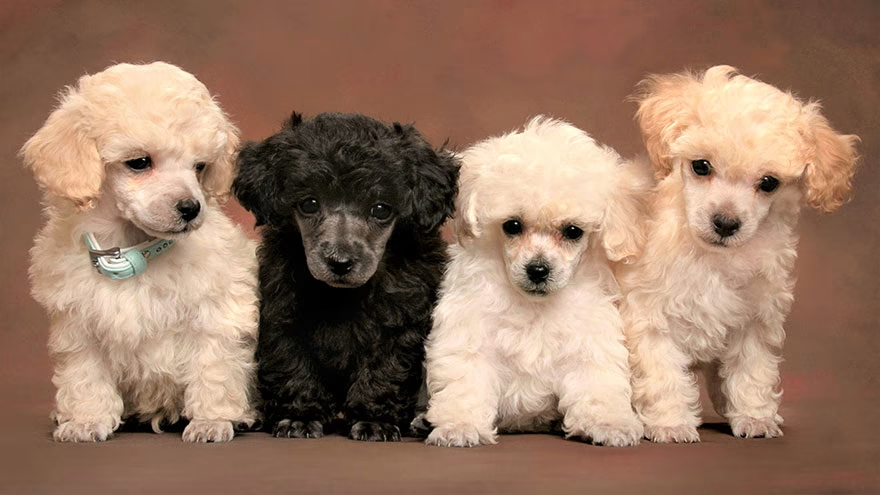
A Poodle breeder should make you feel slower, not rushed. The breed is smart, athletic, coat-heavy, and popular enough that careless sellers can hide behind cute puppies and vague claims. Owning a Poodle : Breeder Recommendations starts with separating a preservation breeder from a person who happens to own two Poodles and a payment app.
Poodles come in Standard, Miniature, and Toy sizes, and the right questions change with size. Health testing, grooming expectations, temperament, puppy raising, and lifetime support matter more than color or haircut. If a breeder cannot explain the parents, the health records, the home routine, and what happens if the dog does not fit your life, keep looking.
What Should You Know Before Contacting A Poodle Breeder?
The American Kennel Club describes Poodles as active, proud, very smart dogs with a curly low-allergen coat. That combination is why they fit many homes and why they are not low-maintenance. A Poodle needs training, grooming, exercise, and mental work. Buying from a good breeder does not remove those needs; it gives you a better starting point.
Decide size first. A Standard Poodle has different exercise, space, and health considerations from a Toy Poodle. A Miniature may fit an apartment better but still needs structure. If you are comparing small companion breeds, Livecub's Maltese questions can help you think through coat, size, and household fit before you decide on a Poodle.
Also decide what kind of daily life you can offer. A Standard may enjoy hiking, training classes, retrieving games, and room to stretch. A Toy still needs manners, socialization, dental care, and safe handling. The variety changes scale, not the need for thoughtful ownership.
Which Health Tests Should A Poodle Breeder Discuss?
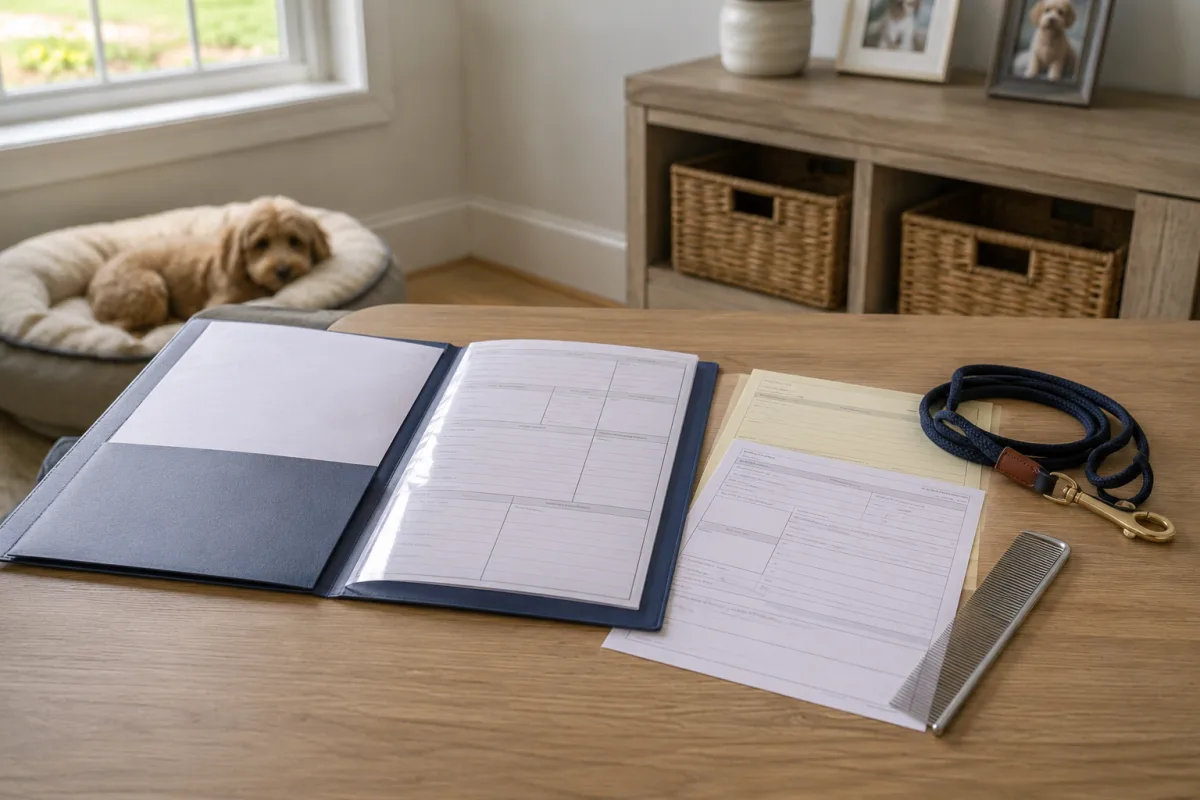
Ask for health testing by variety. The Orthopedic Foundation for Animals lists CHIC requirements for Poodles, and the recommended tests differ for Standard, Miniature, and Toy Poodles. A serious breeder should name the tests, show results, and explain what the results mean. "Vet checked" is not the same as genetic and orthopedic screening.
The Poodle Club of America also publishes health resources for the breed, including issues such as eyes, hips, patellas, and inherited disease concerns depending on size. Do not try to memorize every condition before the first call. Instead, ask: what did you test, where can I verify it, what problems have appeared in related dogs, and why did you choose this pairing?
Verification should feel normal. A breeder may send OFA links, registered names, or copies of results. If they become offended by a polite request for records, that tells you something. Responsible breeders usually want buyers to understand the difference between testing and guesswork.
How Can You Tell A Responsible Breeder From A Puppy Seller?
Responsible breeders interview buyers. They ask about your schedule, grooming budget, training plans, children, other pets, housing, and what you will do if life changes. They do not promise that every puppy fits every home. They know the difference between the bold puppy, the soft puppy, and the one that needs a calmer household.
AKC's responsible breeder guidance says a good breeder answers questions, lets buyers see where puppies are raised, explains health records, and does not separate puppies too early. A poor seller focuses on deposit speed, rare colors, delivery logistics, and emotional pressure. If you cannot meet the breeder or see meaningful documentation, pause.
Breeder evaluation is a transferable skill. Livecub's Brittany Spaniel breeder recommendations use the same buyer logic: test the breeder's transparency before you fall in love with the puppy.
What Questions Should You Ask About Temperament?
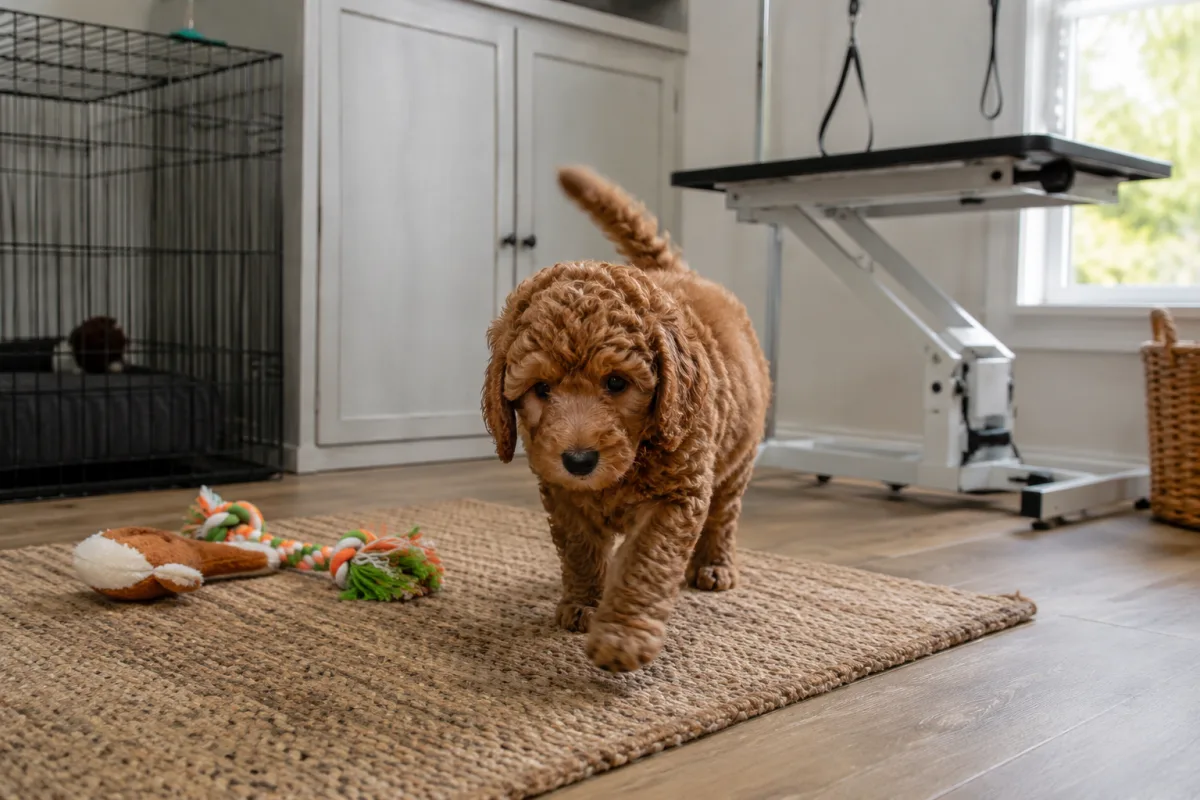
Ask what the adult relatives are like on an ordinary day. Do they recover quickly from noise? Are they pushy with strangers? Do they settle after exercise? How are puppies exposed to grooming tables, crates, car rides, children, and household sounds? A smart breed needs emotional stability as much as quick learning.
For Standards, ask about biddability and energy. For Miniatures and Toys, ask about confidence, handling tolerance, and barking. Small Poodles can become defensive if under-socialized or overhandled. The breeder should match puppies by temperament, not just let buyers pick in deposit order. If you want a quick comparison to another alert small breed, Livecub's Miniature Schnauzer questions show why small size does not mean simple behavior.
Ask how the breeder handles puppies that do not match a buyer's wish list. The answer reveals priorities. A careful breeder may say no to a buyer who wants the boldest puppy for a chaotic home, or the softest puppy for a house full of toddlers. Placement should protect the dog and the family.
What Grooming Costs Should Be Planned Before Purchase?
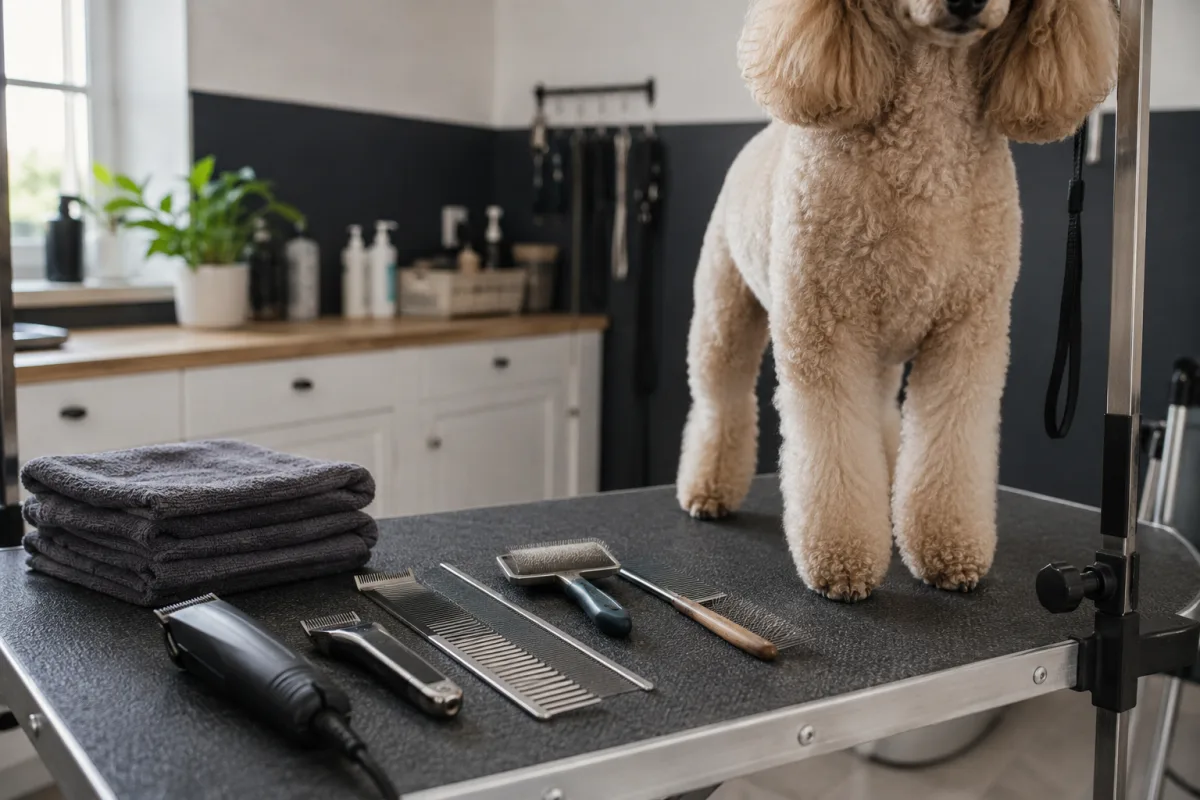
Poodle coat care is not optional. The curls keep growing, mat close to the skin, and need regular brushing and professional clipping unless the owner learns to groom at home. Ask the breeder what tools they use, how often they trim, how puppies are introduced to clippers, and what a realistic groomer schedule costs in your area.
Budget matters because grooming failures become welfare problems. Mats pull skin, hide sores, and make vet handling harder. A breeder who downplays grooming is not preparing you honestly. If coat care is your biggest concern, Livecub's longhair Dachshund grooming guide is a different coat type, but it shows the same principle: brushing has to reach the skin.
Ask to see the puppies handled on a table. A puppy that has already heard clippers, felt a comb, and accepted foot handling has an easier first year. Grooming cooperation is trained, not wished into place. The breeder should be able to describe how that training begins before pickup.
What Should Be In The Contract?
A good contract explains registration, health records, return policy, spay or neuter expectations if any, breeding rights if any, microchip details, vaccination record, and what support the breeder provides after purchase. It should not punish the buyer for asking questions. Read every line before sending money.
Ask what happens if a serious health issue appears, if the dog cannot stay with you, or if the breeder dies or retires. Many responsible breeders require that the dog come back to them rather than entering a shelter. That safety net is one reason buying from a careful breeder can protect the dog for life, not just on pickup day.
Payment terms should be plain. Know what is refundable, what the deposit holds, what happens if the litter does not produce the right match, and whether the breeder chooses the puppy or lets buyers choose. A clear contract prevents a sweet puppy visit from becoming a confused transaction.
Before pickup, ask for a first-month plan: food amount, grooming schedule, sleep setup, crate routine, vaccination timing, safe socialization, and what signs should trigger a call. A breeder who has lived with the litter should have practical advice beyond brand names and paperwork.
Bring that plan home in writing. The first week is tiring, and tired owners forget details. A simple sheet on meals, potty timing, crate naps, grooming practice, and contact numbers prevents improvising while the puppy is already unsettled. Keep it on the refrigerator for quick daily checks.
Frequently Asked Questions
What is the best Poodle size for families?
It depends on space, children, grooming budget, and activity level. Standards suit some active families; Miniatures and Toys need careful handling around young children.
How do I verify Poodle health tests?
Ask for registered names or numbers, then check OFA records where available. The breeder should welcome verification.
Are Poodles hypoallergenic?
No dog is truly hypoallergenic. Poodles may shed less into the environment, but allergic people should spend time around the breed before buying.
Should I avoid breeders who sell by color?
Be cautious if color is the main sales pitch. Health, temperament, structure, and puppy raising should come first.
How early should a Poodle puppy leave the breeder?
Responsible breeders usually keep puppies until they are old enough for health checks, early socialization, and stable weaning. Ask about the exact plan.
What Is The Best Next Step?
Make a short breeder checklist before you inquire: size, health tests, temperament match, grooming plan, contract, return policy, and lifelong support. A good Poodle breeder will slow down the sale until both sides know the puppy fits. That patience is not an obstacle. It is the first sign that the breeder is thinking like a steward, not a seller.

Chiara Bradshaw
Covers education, culture and creative topics with an emphasis on readable explanations and verifiable references.


Leave a reply
Replying to