
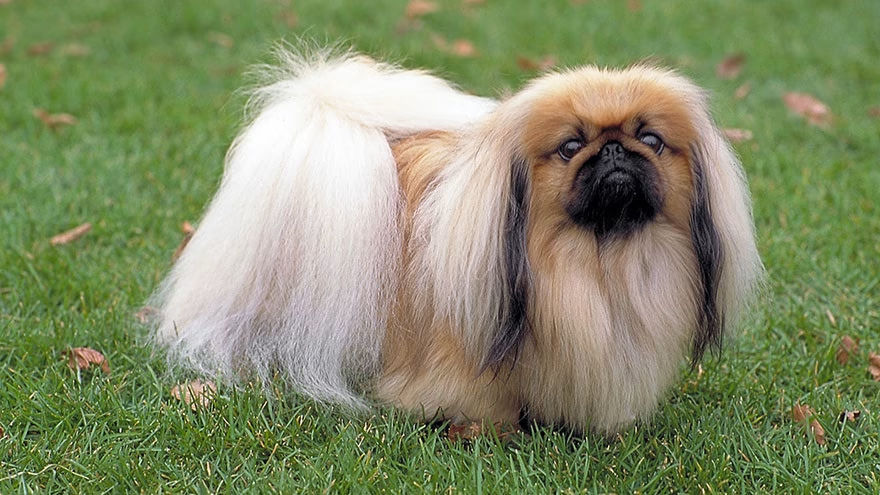
Pekingese breed information is easy to romanticize because the dog looks royal even while ignoring you. Under the mane and rolling gait is a compact toy breed with strong loyalty, a flat face, heavy coat care, heat risk, eye concerns, and a stubborn streak. A good Pekingese home is calm, careful, and realistic about grooming and breathing limits.
The Pekingese can be a devoted companion, but it is not a rough-and-tumble children's dog or a jogging partner. It was built for companionship, not athletic performance. That distinction should shape exercise, training, grooming, and where the dog sleeps in warm weather.
The best homes for this breed are usually calm and observant. A Pekingese may not demand miles of exercise, but it does demand daily attention to comfort. Breathing, eyes, skin folds, teeth, coat, and weight all need a human who notices small changes. The dog is small enough to carry, yet not simple enough to own casually.
What Is The Pekingese Breed Like?
The American Kennel Club describes the Pekingese as a compact toy companion with regal bearing and a rolling gait, created for ancient China's ruling classes. That history still shows in the dog's confidence. A Pekingese often acts less like a tiny dog and more like a household official.
Expect loyalty, independence, and selective affection. Some are cuddly with their people and reserved with strangers. Many prefer calm handling over chaos. If you are comparing small companion breeds, Livecub's Maltese questions can help separate coat care, temperament, and family fit.
That confidence can be charming until owners confuse it with permission to skip training. A Pekingese still needs house rules, handling practice, and polite leash manners. The difference is tone. Short, reward-based sessions suit the breed better than long drills. Ask for one clear behavior, pay it well, and stop before the dog decides the meeting is over.
Are Pekingese Good Family Dogs?
They can be good family dogs for calm homes, especially with adults or older children who respect a small dog's body. VCA says Pekingese can be good with children but may not be playful enough for them. That is the key. This breed often prefers dignity over rough play.
Children should not carry the dog without permission, pull the coat, grab the face, or wake it suddenly. A flat-faced toy dog can be injured by a fall or rough squeeze. If your household wants a sturdier large dog, Livecub's Rottweiler questions show how different the safety and training picture becomes with size.
Visitors need the same rules. Small dogs often get handled by strangers before anyone asks, and that can make a reserved Pekingese defensive. Give the dog a bed or crate where nobody bothers it. Invite the dog to approach instead of passing it from lap to lap. Respecting the dog early usually prevents the snapping people later call sudden.
How Much Grooming Does A Pekingese Need?
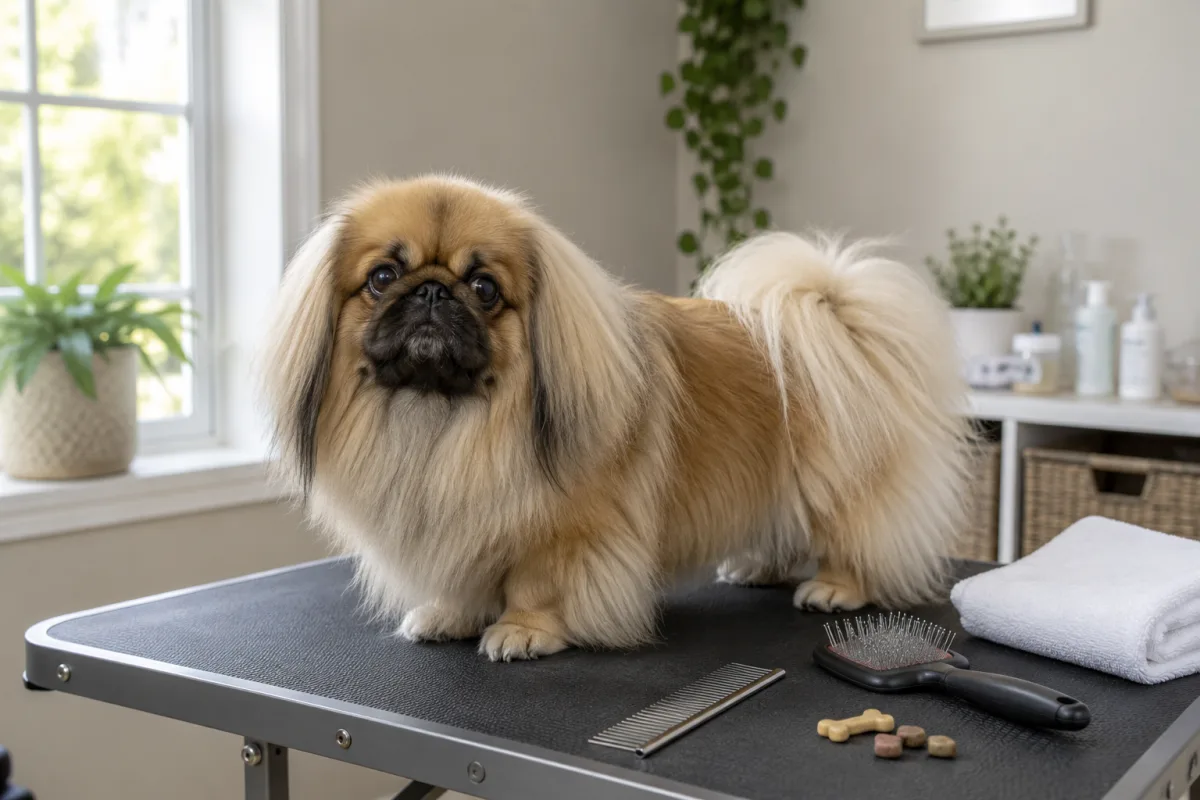
Grooming is serious. VCA notes that the Pekingese has a long, coarse outer coat, thick undercoat, and needs brushing twice weekly to prevent matting. The wrinkle over the nose should be cleaned and dried daily, and hygiene around the rear should be checked.
A pet trim can make care easier, but it does not remove brushing, face cleaning, nail trims, dental care, or skin checks. Mats hurt small dogs too. For grooming mechanics in another long-coated breed, Livecub's longhair Dachshund grooming guide shows why combing to the skin matters.
Face care should be gentle and consistent. Use a veterinarian-approved routine for the nose fold, keep the area dry, and watch for odor, redness, rubbing, or discharge. The eyes also deserve respect because prominent eyes are easier to irritate or injure. A daily thirty-second check can prevent a small problem from becoming a painful one.
Why Is Heat Safety So Important?
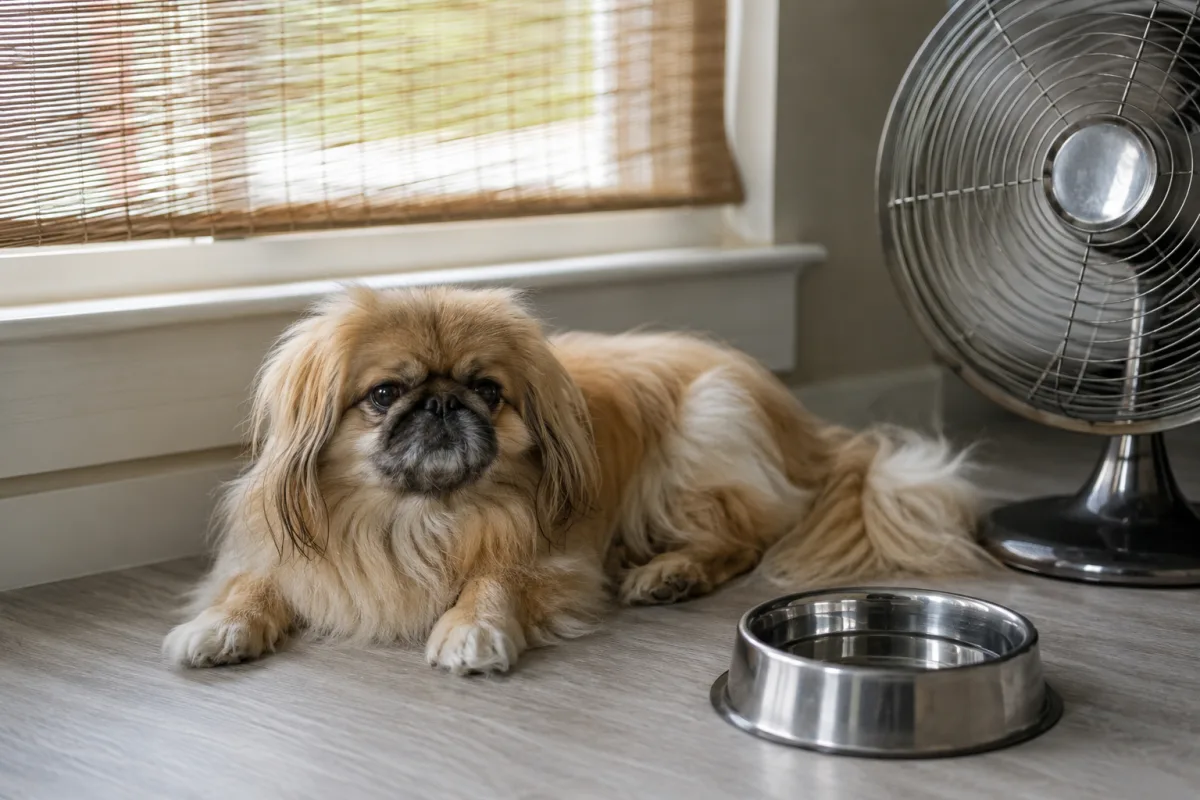
Pekingese are brachycephalic, meaning they have a shortened muzzle. VCA says the breed overheats very easily and should be kept in a cool place. That is not a minor preference. Flat-faced dogs can struggle to cool themselves efficiently, especially in humidity, heat, stress, or excess weight.
Use short walks in cool hours, body-safe walking gear rather than neck pressure, air-conditioning, shade, and careful weight control. Avoid hot pavement and long outdoor events. Heavy panting, collapse, blue gums, or distress after heat exposure needs urgent veterinary care. A Pekingese should never be pushed through summer exercise to prove toughness.
Plan the day around temperature. In warm months, walk early, keep car rides cool, and skip outdoor patios unless shade and airflow are dependable. Carrying the dog in heat may feel safer than walking, but the dog can still overheat in your arms. Extra weight makes every breath harder, so treats should be measured and meals adjusted before the body condition drifts.
Are Pekingese Easy To Train?
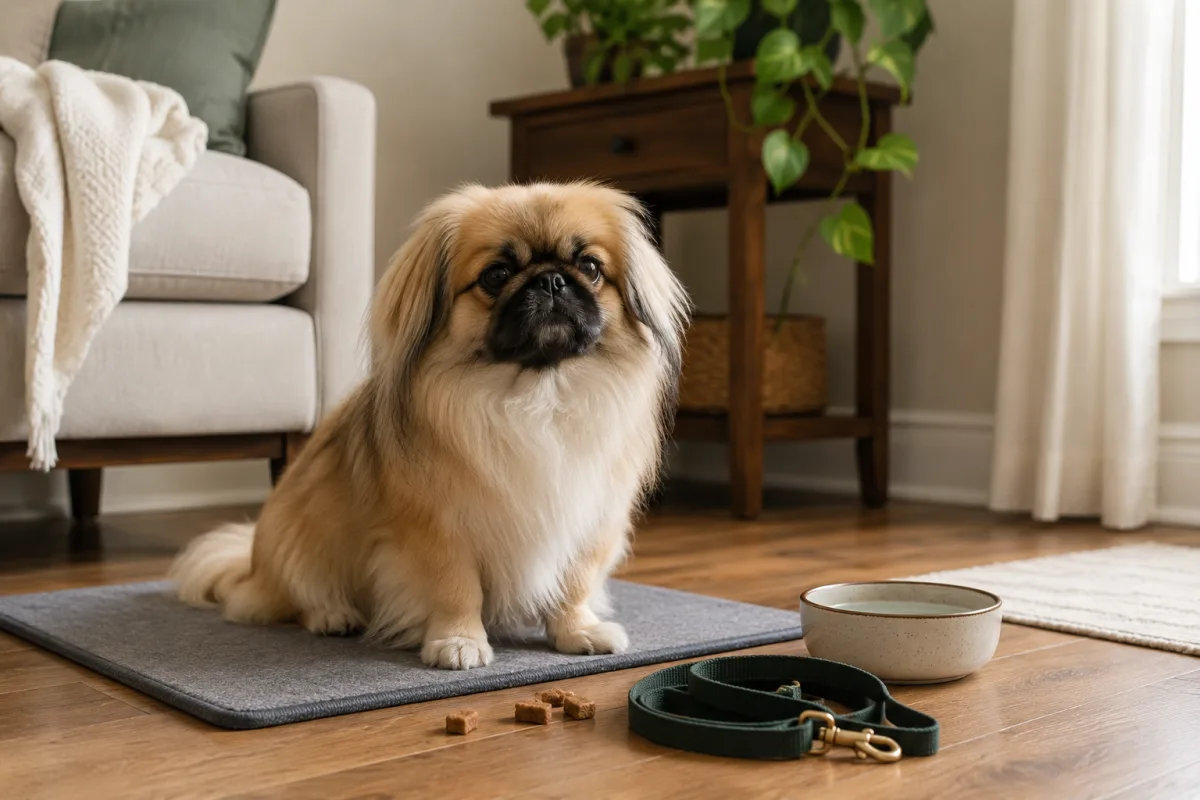
They are trainable, but forceful methods backfire. VCA says the breed tends to be independent and stubborn and does best with reward-based training using food. Keep sessions short, clear, and respectful. Teach come, leave it, drop it, quiet, handling, and polite grooming behavior.
House training can require patience because toy breeds have small bodies and owners sometimes miss early signals. Use a schedule, reward immediately, and manage access indoors. If you like small alert dogs, Livecub's Lhasa Apso questions offer a useful comparison for independent companion breeds.
Handling training pays off at the vet and groomer. Practice touching paws, lifting lips, looking near the eyes, brushing a small section, and clipping the leash to walking gear. Keep sessions brief and pleasant. A Pekingese that trusts handling is easier to keep healthy, and the owner is more likely to notice changes before they become urgent.
What Health Issues Should Owners Watch?
Watch breathing, eyes, teeth, skin folds, back comfort, weight, and heat tolerance. Prominent eyes can be injured. Dental care matters because small mouths often crowd teeth. The Pekingese Club of America focuses on responsible breeding and ownership, and buyers should ask breeders about eye, breathing, orthopedic, and general health history.
Weight control is not cosmetic. Extra weight makes heat and breathing harder, and the coat can hide it. Use your hands to feel body condition. Keep veterinary visits regular and ask about safe anesthesia planning because flat-faced breeds need thoughtful handling.
Do not wait for dramatic symptoms before asking questions. Snoring that changes, exercise refusal, squinting, bad breath, skin odor, or reluctance to jump onto a low step can all point to something that needs attention. Because the breed is compact and stoic, discomfort may show up as irritability or withdrawal rather than obvious crying.
How Much Exercise Does A Pekingese Need?
Exercise should be modest and regular. VCA describes the breed as suited to a leisurely walk or quick game and not physically suited to overly vigorous exercise. That means activity matters, but intensity should stay low. A few short walks and indoor play may be better than one long outing.
Mental enrichment helps too. Food puzzles, short training sessions, sniffing games, and calm household routines keep the dog engaged without overheating. If you want a more athletic small dog, compare carefully before choosing. A Pekingese is built for companionship and presence, not endurance.
For many adults, two or three short outings with indoor play work better than one long walk. Let the dog sniff, move at a comfortable pace, and rest before breathing becomes noisy. Stairs, slick floors, and jumps from furniture can also strain a small body. Use ramps or low steps if the dog loves the sofa but lands heavily.
Frequently Asked Questions
Do Pekingese bark a lot?
Some alert, but many are not constant barkers. Teach quiet cues and avoid letting window watching become a full-time job.
Are Pekingese good with other pets?
Many can live with other calm pets after careful introductions. Rough dogs or large playful puppies may be too much.
Can Pekingese live in apartments?
Yes, if heat, grooming, short walks, and barking are managed. They often suit quieter indoor homes.
Do Pekingese need professional grooming?
Many owners use professional grooming, especially for pet trims. Home brushing and face cleaning are still needed.
Are Pekingese good for first-time owners?
They can be, for patient owners who understand heat risk, grooming, gentle handling, and stubborn training moments.
Who Should Choose A Pekingese?
Choose a Pekingese if you want a loyal toy companion and can provide cool rooms, careful grooming, gentle training, and a quiet lifestyle. Skip the breed if you want a rugged playmate, heat-tolerant walking partner, or low-maintenance coat. The Pekingese is small, but it asks for serious care.

Chiara Bradshaw
Covers education, culture and creative topics with an emphasis on readable explanations and verifiable references.

Leave a reply
Replying to